



A good haircut does more than make you look tidy. The right one fixes awkward growth, flat sides, a cowlick that stands up no matter how much water you use, or a hairline that seems to change shape every time you glance in the mirror. Hairstyles for men work best when they match your hair density, face shape, and how much time you’re willing to spend with a comb, a dryer, or a dab of matte paste.
Two men can ask for the same cut and walk out with very different results. The barber changes the length on top, the fade height, the weight line, and how hard the outline sits around the ears and neckline. That’s why some men’s haircuts look easy in a photo and stubborn in real life.
I’ve always liked cuts that can survive a windy walk, a long workday, and a shower that didn’t turn into a styling ritual. Short cuts, longer flow, tight fades, classic side parts, curly shapes — each one earns its place for a reason.
What follows is a practical spread: clean, sharp, low-maintenance, curly, long, and a few classics that keep working because they frame a face well and grow out without looking sloppy.
1. Buzz Cut
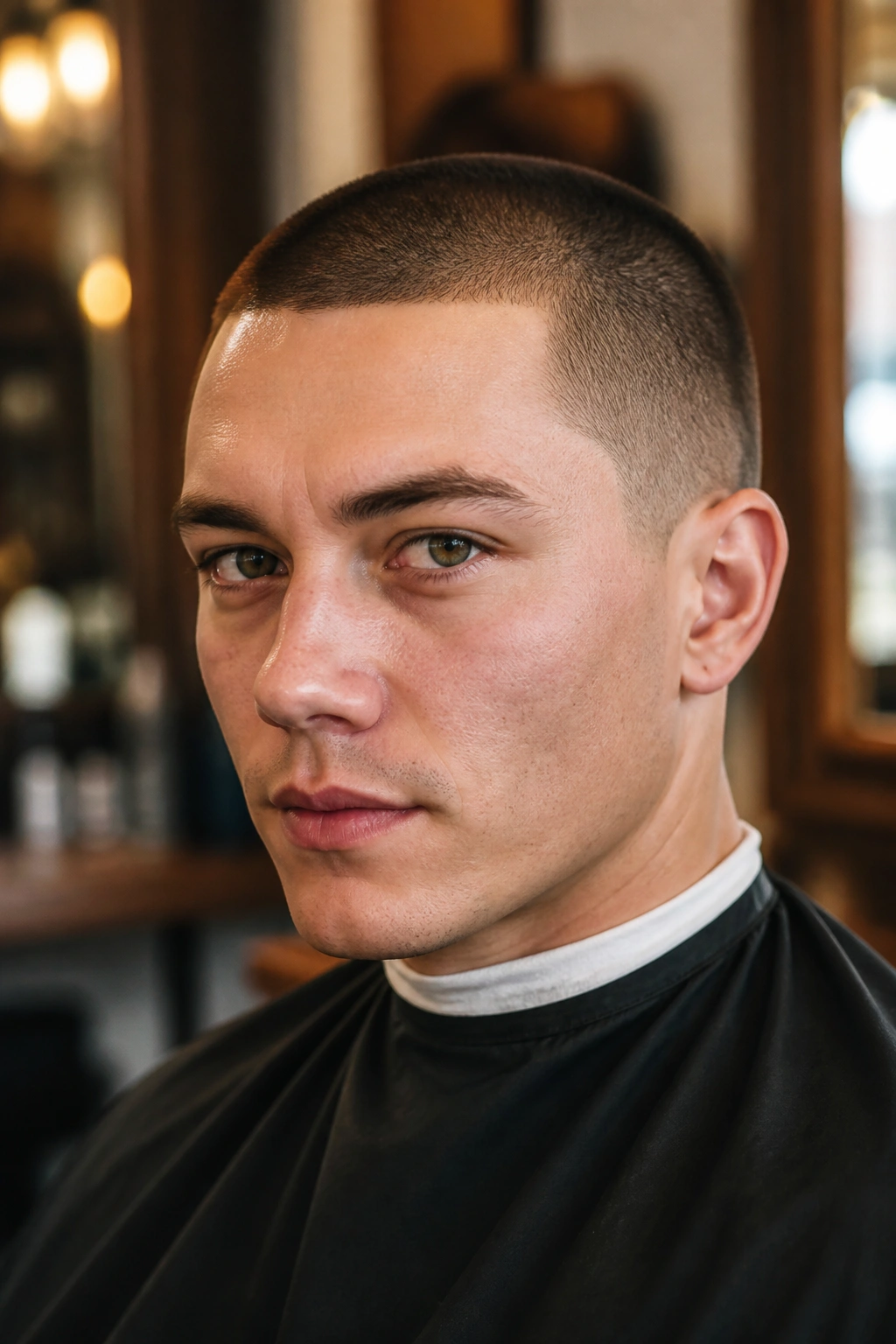
A buzz cut is the haircut version of a hard reset. It strips away the extra noise and leaves you with a clean outline, strong jawline, and almost no daily styling drama. If your hair grows fast, this cut can look crisp for a week or two and then slowly soften into something less exact, which is not a bad thing at all.
Why it works
The buzz cut does a lot with very little. Short clippers expose head shape, so it suits men who like a neat look and do not want to fight with bedhead, cowlicks, or flat spots every morning.
What to ask for
- Guard #1 to #3 on top, depending on how much scalp you want to show.
- A clean edge-up around the temples and neckline if you like sharp lines.
- A low or mid taper on the sides if you want the cut to feel softer as it grows out.
- A skin fade only if you’re fine with more upkeep and a sharper contrast.
Pro tip: If your head has a few bumps or a strong crown swirl, leave a little more length on top. That tiny bit of extra hair hides shape changes better than a bare-short buzz.
2. Crew Cut
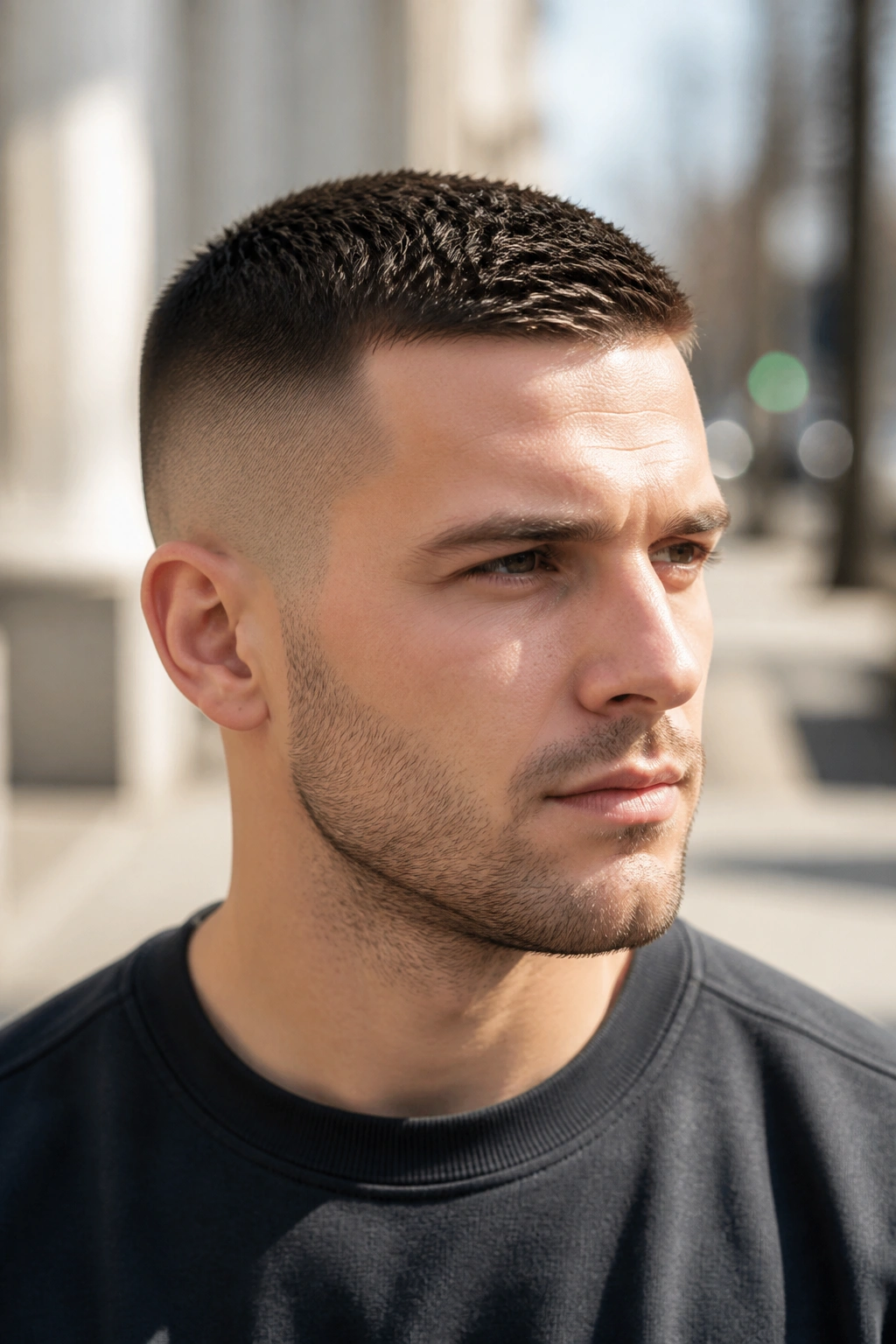
The crew cut sits in that sweet spot between military short and office-friendly neat. It keeps the top long enough to show texture, but short enough that you can dry it with a towel and walk out the door. Compared with a buzz cut, it gives your barber room to shape the front and soften the sides.
What makes it different
The top is usually cut with scissors or a longer guard, then blended tighter at the sides. That extra length in front gives the haircut a bit of lift, which helps men with straight or slightly wavy hair avoid a flat, helmet-like look.
How to wear it
- Keep 1 to 2 inches on top.
- Ask for a tapered side and back instead of a harsh block.
- Use a small amount of matte paste if you want the front to sit up a touch.
- Brush it forward for a more casual finish or slightly upward for a cleaner line.
A crew cut is one of those styles that looks good on a commute, in a gym, and under a suit jacket. No drama. No fuss. Just a haircut that does its job.
3. Ivy League

The Ivy League is what happens when a crew cut gets a little more polished. It keeps the short sides and controlled top, but gives you enough length to make a proper side part or a soft sweep. That’s the part I like most — it looks intentional without pretending to be fussy.
What makes it stand out
An Ivy League usually has 2 to 3 inches on top, with the front a touch longer than the crown. That lets the hair move sideways instead of standing straight up, which gives the cut a softer, smarter shape.
Who it suits
- Men with straight or lightly wavy hair
- Guys who want a professional look without a stiff finish
- Anyone who likes a cut that can be combed neatly one day and finger-styled the next
A little cream or light pomade is enough. Heavy product ruins the point. You want shape, not shine that looks like you borrowed it from a dance floor.
This haircut has range. It can look formal with a crisp part, or relaxed when you let a few pieces fall out of place. That flexibility is the whole reason it keeps showing up in barber chairs.
4. Textured Crop
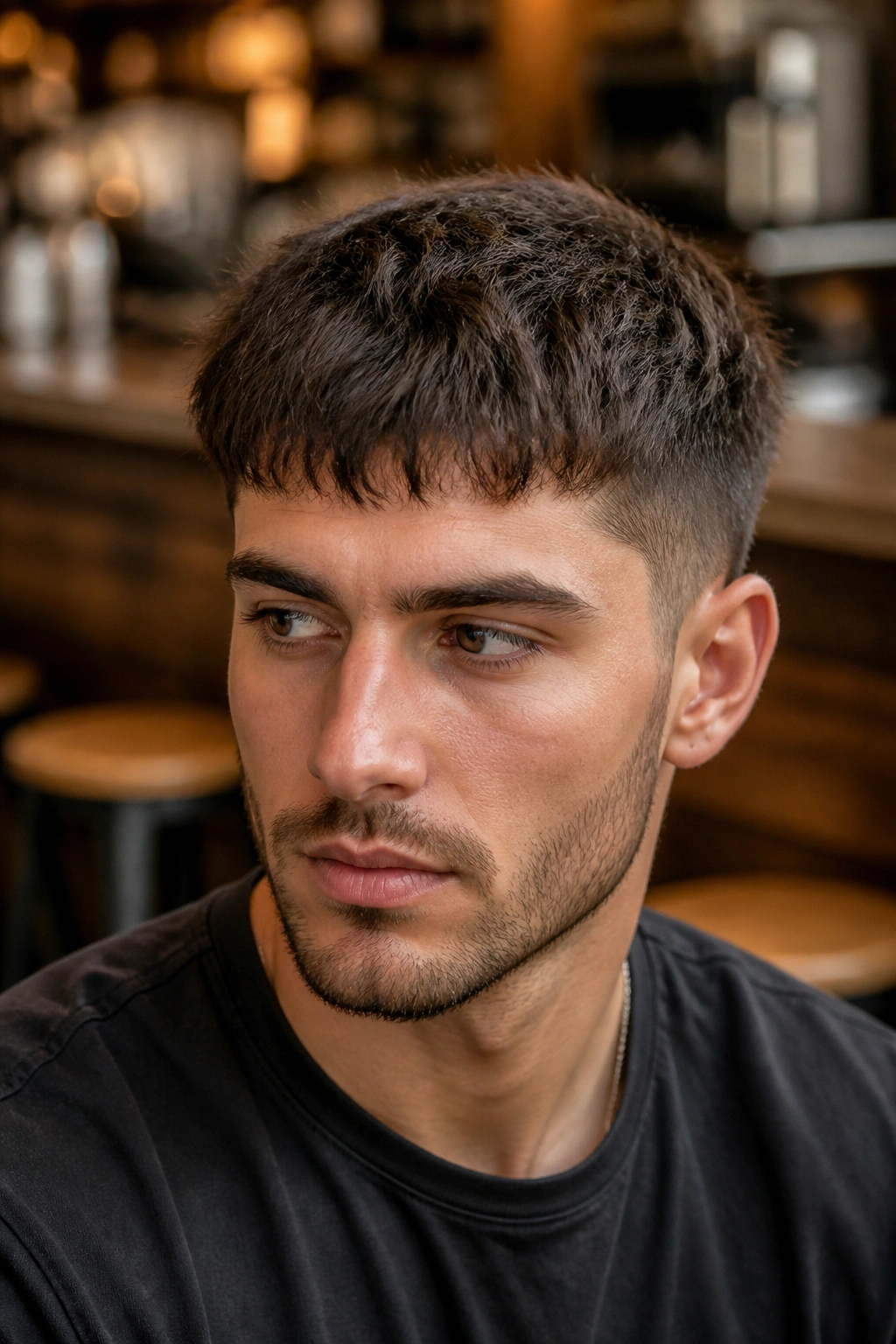
Why do so many men keep asking for a textured crop? Because it solves a common problem: hair that wants to lie flat but still needs some shape. The short, choppy top and cropped fringe give you movement without requiring a lot of product or a perfect blow-dry.
What makes it work
The haircut relies on rough texture rather than smooth polish. Barbers usually cut the top with point cutting or choppy scissor work, then keep the sides tight with a fade or taper. That contrast makes the top pop forward.
How to style it
- Dry your hair forward with your fingers, not a brush.
- Use a matte clay or paste about the size of a pea.
- Push a few pieces into the fringe so it looks broken up, not helmet-flat.
- Let the front sit slightly messy. That’s the point.
Hair types that suit it
It’s a strong pick for thick hair, straight hair, and slightly wavy hair. Fine hair can wear it too, but the barber should leave enough top length for the texture to show. Too short, and it turns into a plain short cut.
The textured crop is blunt in a good way. It doesn’t beg for attention. It just looks current, tidy, and easy to live with.
5. French Crop
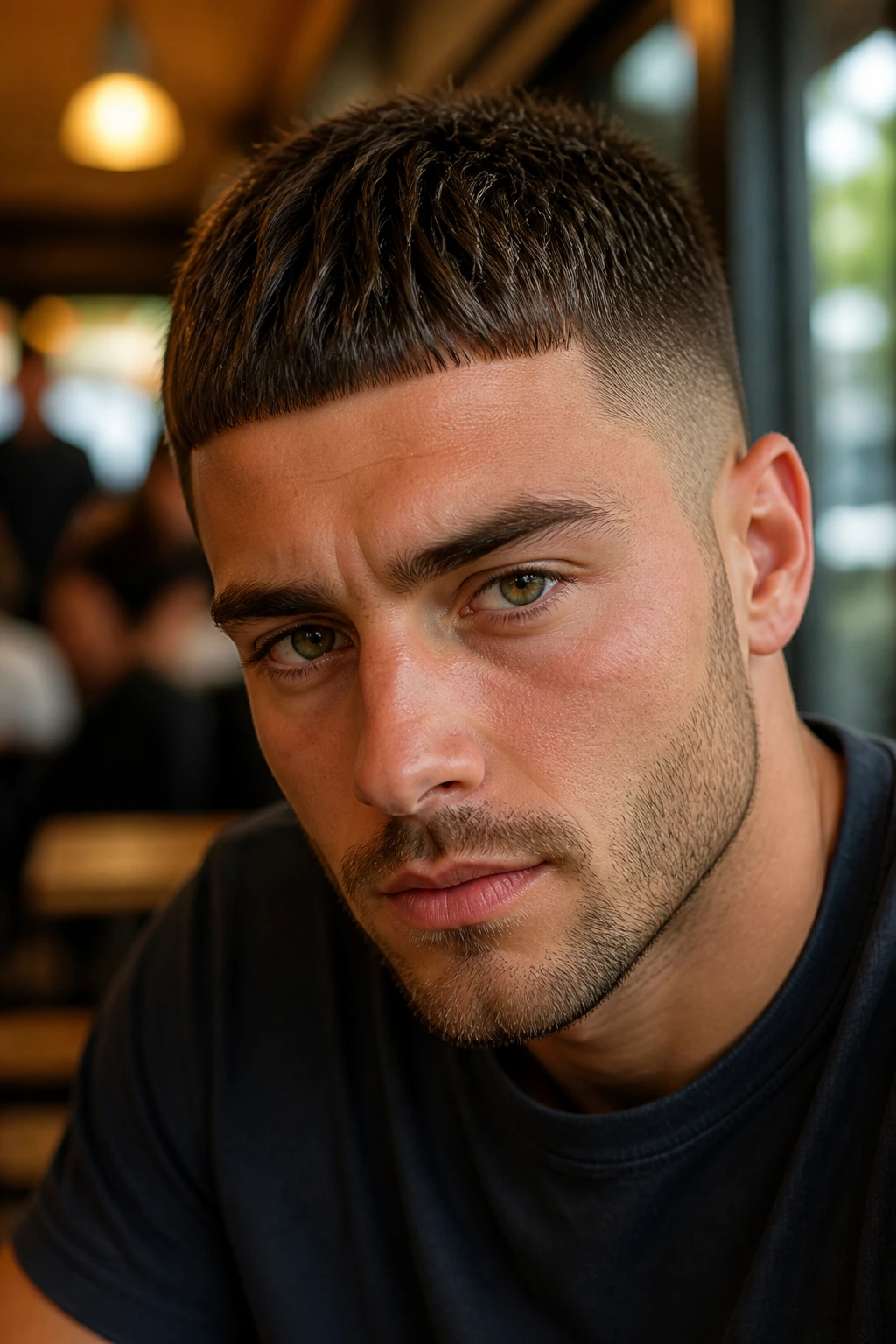
A French crop is cleaner and more compact than the textured version. The fringe sits forward, usually straight or only slightly broken, and the top stays short enough that the haircut keeps its shape even when you skip styling for a day. It has a sharp, almost architectural feel.
The blunt fringe is the part that gives it personality. Done well, it can soften a receding hairline, shorten a long forehead, or make straight hair look denser than it really is. Done badly, it can look chopped off. There’s a fine line there.
Ask for a short, blunt fringe and a top that keeps some weight near the front. The sides can be faded, tapered, or kept tighter near the ears, but the shape should stay compact. A little matte cream is enough for most people. You are not building height here; you’re building edge.
It’s a good haircut for men who want something tidy with a bit of attitude. Not loud. Not floppy. Just clean, short, and easy to keep under control.
6. Side Part
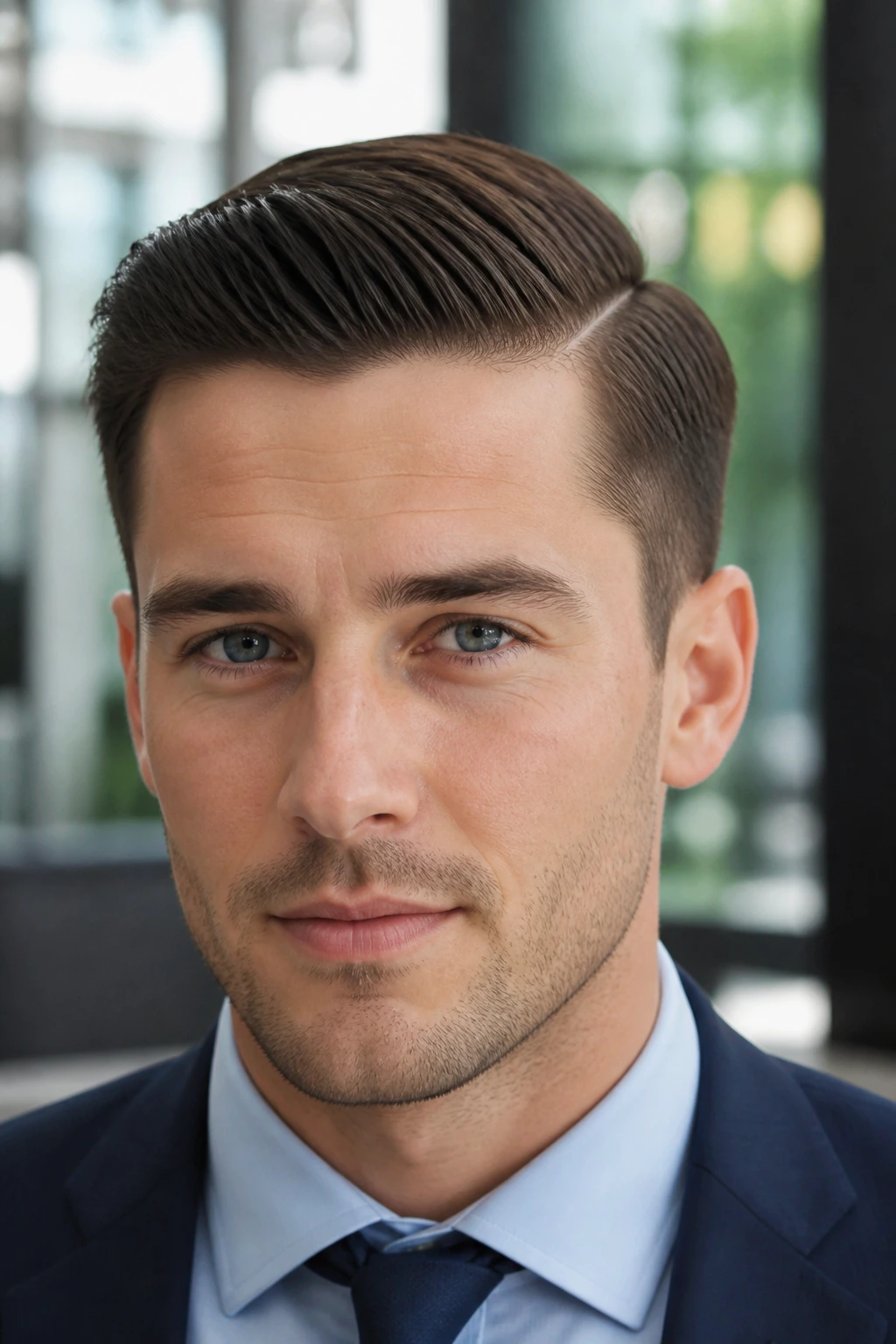
The side part is one of those classic men’s hairstyles that never really disappears because it solves a simple problem: how to make hair look organized without making it look stiff. It’s a strong choice if you want a cut that works in meetings, at dinner, and on a Sunday when you barely touched a comb.
Side Part vs. Comb-Over
They get confused all the time, and they are not the same. A side part follows the hair’s natural direction and builds a balanced shape. A comb-over often pushes hair across a thinner area, which can look forced if the cut is too long or too glossy.
What to ask for
- 2 to 4 inches on top, depending on how much parting you want
- A tapered side or low fade for a cleaner edge
- A soft or hard part, depending on how sharp you want the line
- A scissor-cut top if your hair is thick and you want better control
This style works especially well when the barber leaves a little weight on one side and uses the comb to direct the hair rather than flatten it. A medium-hold cream gives it shape without the crunchy finish some products leave behind.
If you like structure but hate looking overdone, the side part is one of the safest bets in the chair.
7. Slick Back
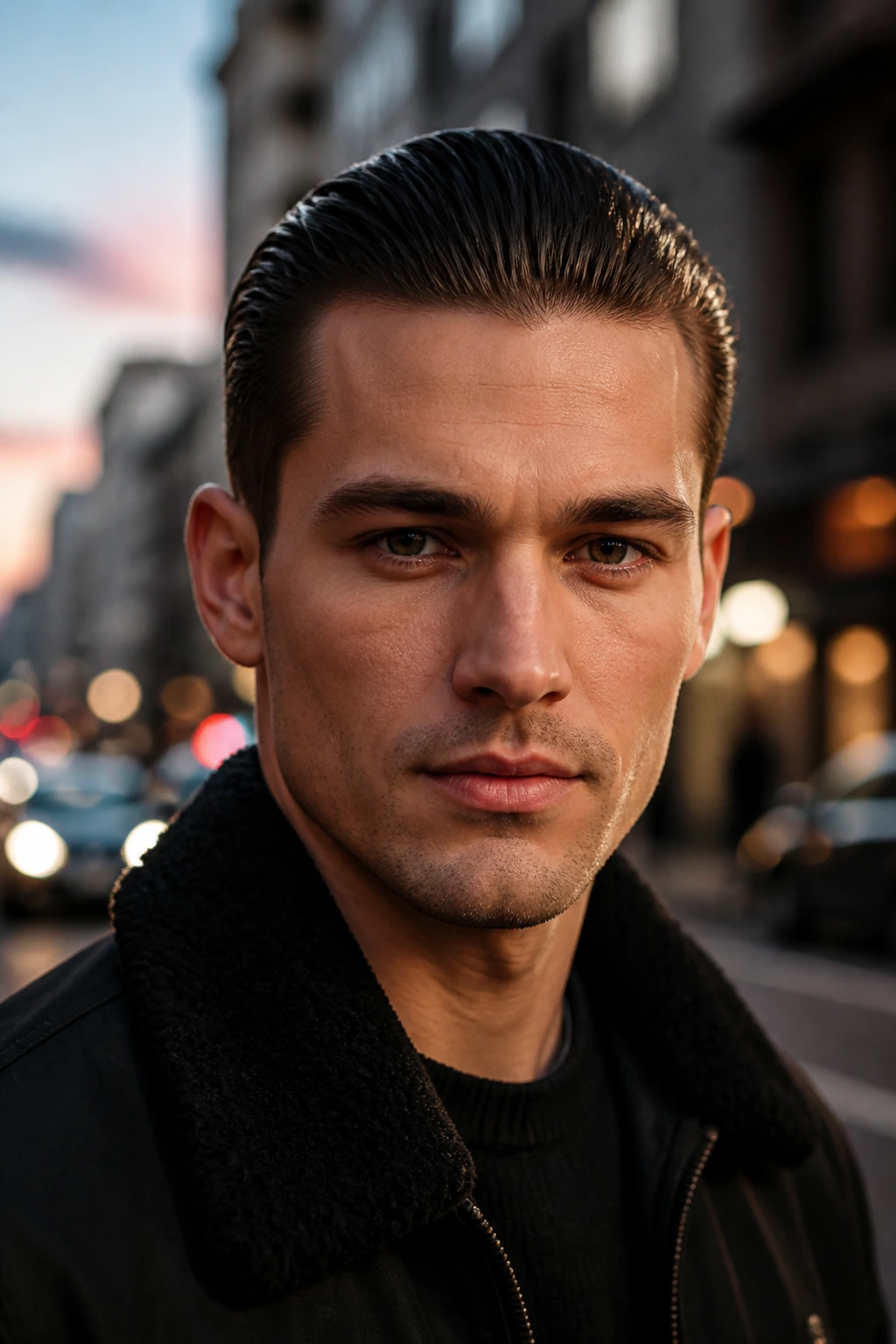
A slick back has a confident, clean shape when it’s done right. The hair moves away from the face, the top stays smooth, and the sides usually sit tighter so the whole cut reads as one controlled line. It can look sharp or casual, depending on how much shine and hold you use.
What makes it different
The slick back needs enough length to lie backward without fighting itself. If the top is too short, it keeps springing forward. If it’s too long and heavy, it can fall into a curtain or look greasy by midday.
How to wear it
- Keep at least 3 to 5 inches on top.
- Use a blow dryer to push the hair back while it’s damp.
- Choose pomade for shine or a matte cream for a quieter finish.
- Comb from the forehead back in one direction, then press the sides into place.
A slick back works best when the hair has some density. Thin hair can do it, but the cut has to be lighter and the product must be used sparingly. Too much product on thin strands shows every mistake.
It’s a strong pick for men who want something old-school without looking like they’re wearing a costume.
8. Pompadour
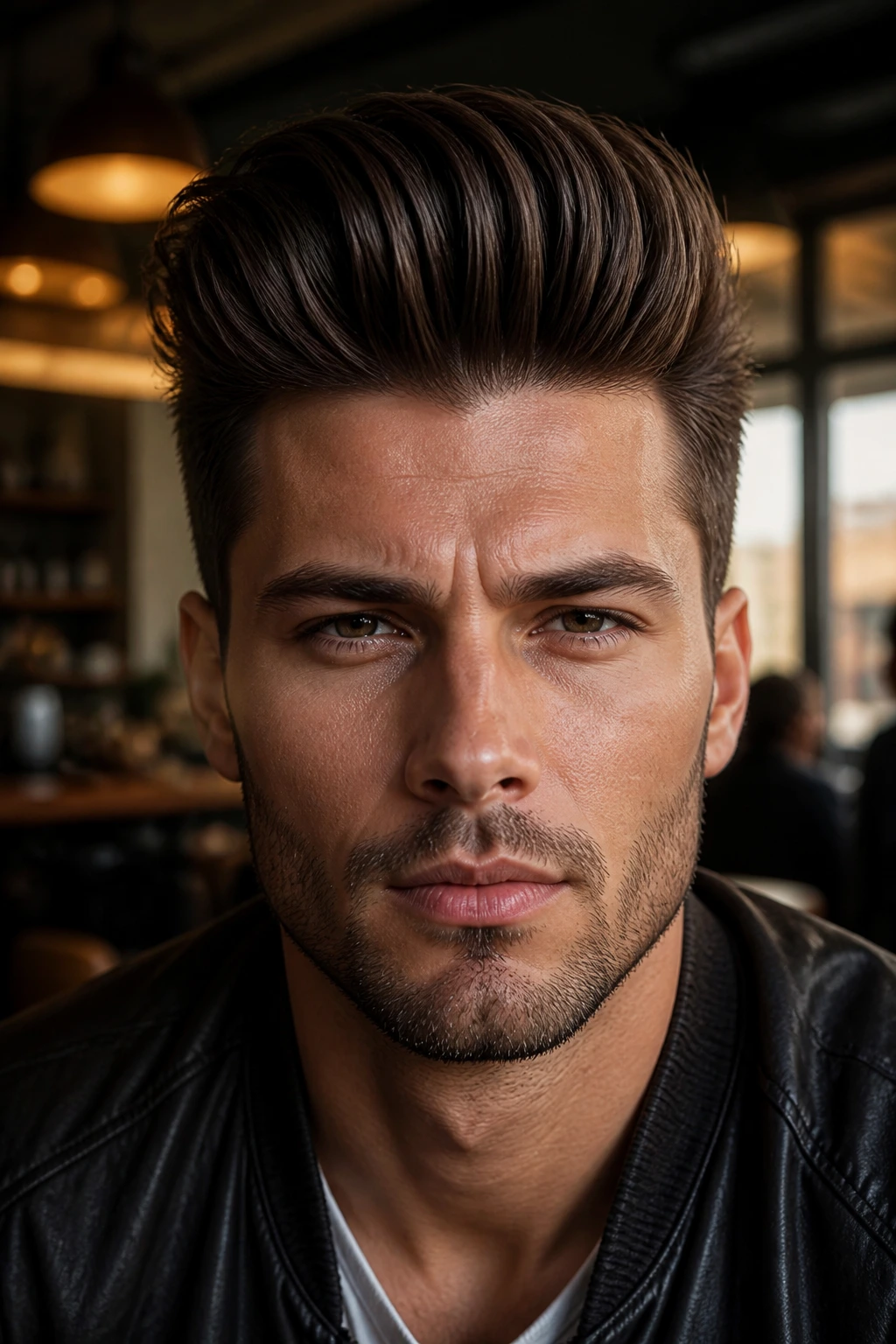
The pompadour is all about front volume, and that volume is what gives it its shape. You’re not just brushing hair back; you’re building height at the hairline and letting it flow into a controlled ridge over the top. When the proportions are right, it can make the face look longer and the profile look cleaner.
What it needs
A good pompadour needs length at the front, a barber who knows how to remove bulk without killing lift, and a styling routine that starts with a blow dryer. Air-drying alone usually won’t get you the right shape unless your hair has a lot of natural body.
A practical styling routine
- Start with damp hair.
- Add a heat protectant or light mousse.
- Blow dry the front up and back using a round brush or your fingers.
- Finish with a medium-hold product that keeps volume without hardening the whole top.
A classic pompadour is fuller and more dramatic. A modern one is looser and less shiny. I prefer the modern version for everyday wear because it grows out better and doesn’t fall into that stiff, shellacked look some men accidentally create.
This cut suits men who don’t mind spending a few extra minutes in the mirror. If you want instant and effortless, this is not your lane.
9. Quiff
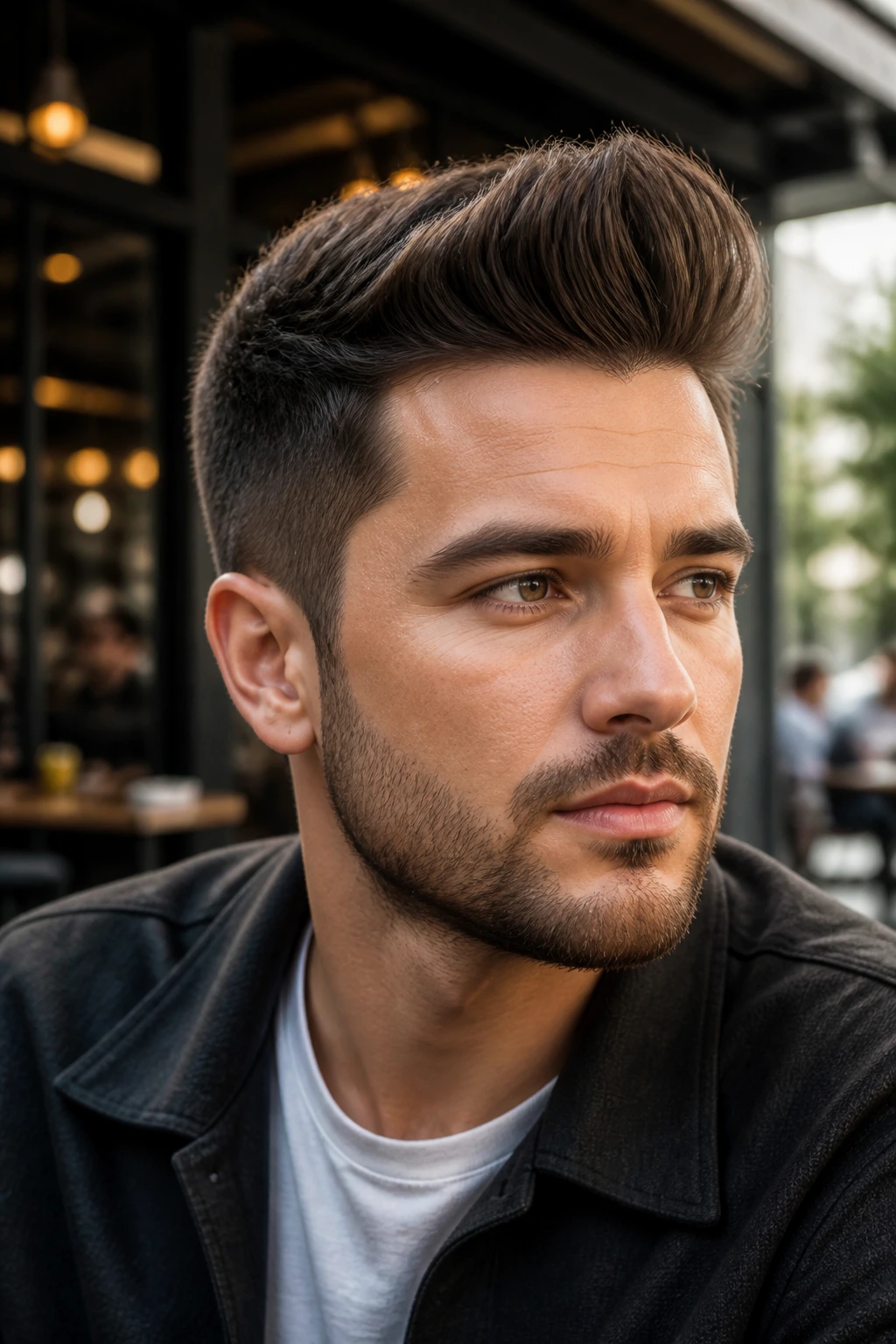
What makes a quiff different from a pompadour? Simplicity, mostly. A quiff lifts the front and pushes it upward or slightly back, but it feels looser and more relaxed. The front has movement. The sides can be short or faded, but the top stays the real focus.
Why it works
The quiff gives you height without making the haircut look formal. It’s especially good for straight or wavy hair that needs direction. Thick hair gives it body. Fine hair needs a dryer and product that won’t weigh the front down.
How to get it right
- Leave 3 to 5 inches at the front
- Ask for a shorter crown so the top doesn’t collapse backward
- Use a matte styling cream or clay
- Blow dry the front upward and slightly to one side
A quiff can be soft and loose or clean and sculpted. That’s the charm. It can look great with a taper fade, a classic scissor cut, or a tighter undercut if you like contrast.
What to watch for
- Too much product makes it droop.
- Too little blow-drying leaves the front flat.
- A crown that’s too long can make the whole style fall backward instead of standing up.
It’s a smart cut for guys who want height without the stiffness of a full pompadour. There’s movement in it, and movement makes hair look alive.
10. Undercut
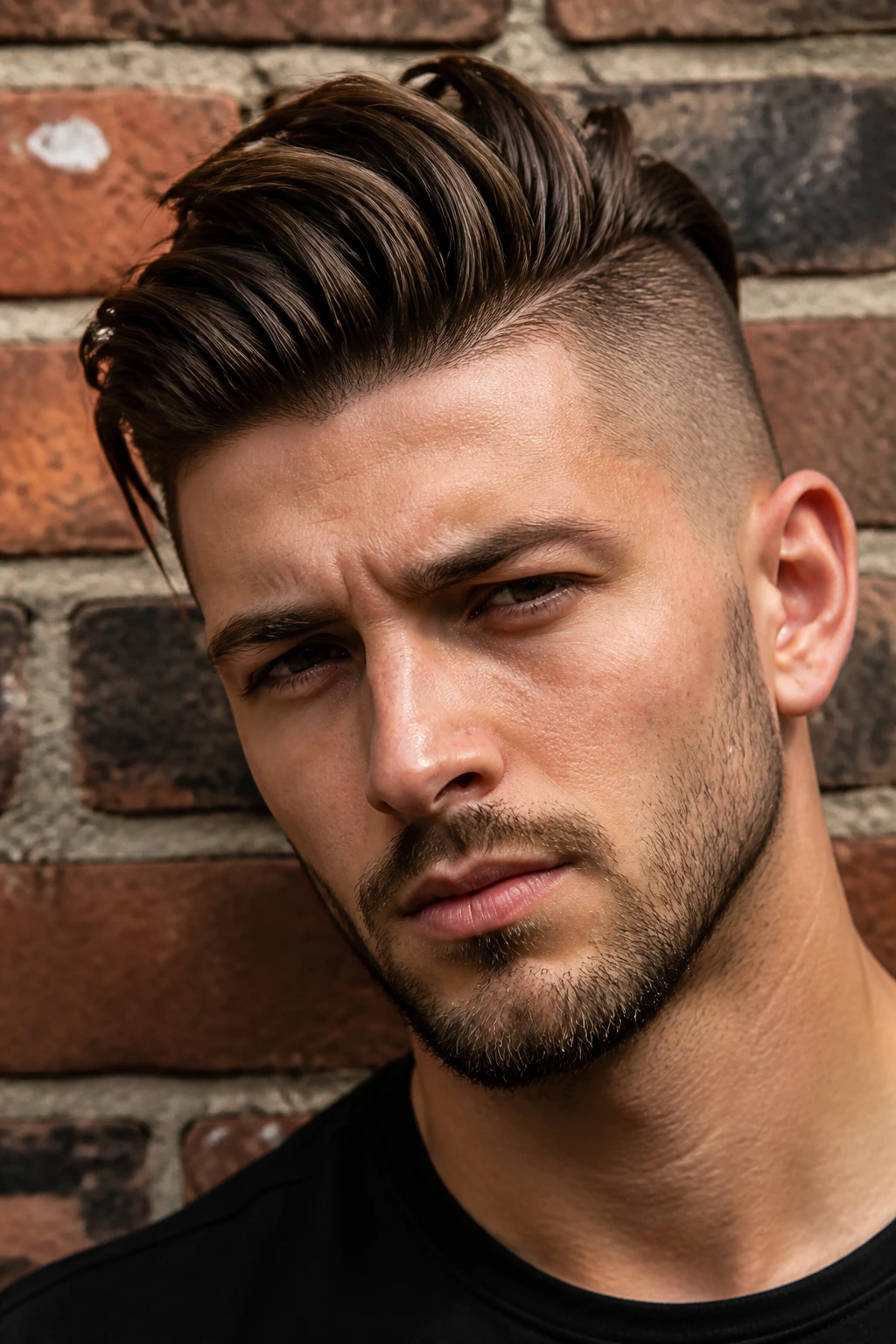
An undercut is built on contrast. The sides and back are cut much shorter than the top, and the transition is sharp rather than softly blended. That disconnect gives the haircut a bold shape, which is exactly why people either love it or skip it.
The top can be worn slicked back, brushed over, pushed forward, or left loose. That flexibility is part of the appeal. The downside is the grow-out. Once the top and sides get too close in length, the whole thing loses its edge and starts looking a little forgotten.
Ask for a clear difference between the top and the sides. If the barber softens the transition too much, you may end up with something closer to a taper or fade. That’s not wrong, but it’s a different haircut.
- Long top, short sides
- High contrast
- Works well with straight, wavy, or thick hair
- Needs regular trims if you want the shape to stay crisp
The undercut suits men who like structure and do not mind maintenance. It’s sharp. It’s obvious. It knows what it is.
11. Taper Fade
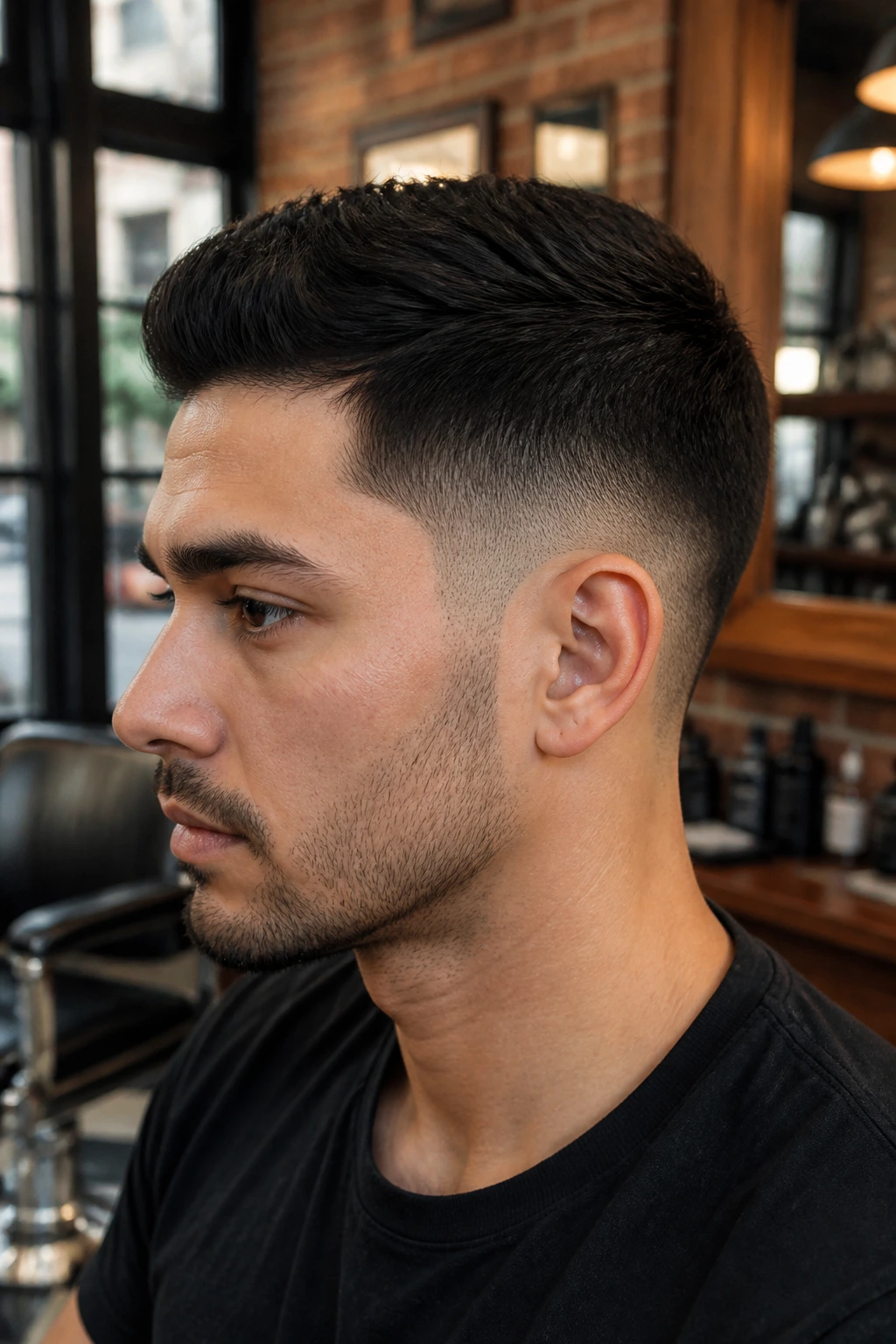
A taper fade is one of the most useful haircuts a man can get because it doesn’t fight the rest of your style. Instead of creating a hard wall of short-to-long, it gradually reduces the hair around the temples, sideburns, and neckline. That softer blend gives nearly any top style a cleaner finish.
Why barbers like it
The taper fade hides awkward bulk in the places where hair naturally gets heavy. Around the ears and neck, that matters a lot. The haircut grows out more gracefully than a harsh fade, which means you can stretch the time between trims a little farther without looking sloppy.
Where it fits
- With a crew cut, it sharpens the outline
- With a side part, it modernizes the shape
- With curly hair, it keeps the sides from puffing out
- With longer styles, it removes heaviness without taking away length
Ask your barber whether you want a low, mid, or high taper fade. Low keeps it subtle. Mid shows more contrast. High reads sharper and can make the top look taller. The best choice depends on how much attention you want the sides to draw.
It’s one of those rare cuts that works in a boardroom, a bar, and a baseball cap without looking strange in any of them.
12. Caesar Cut
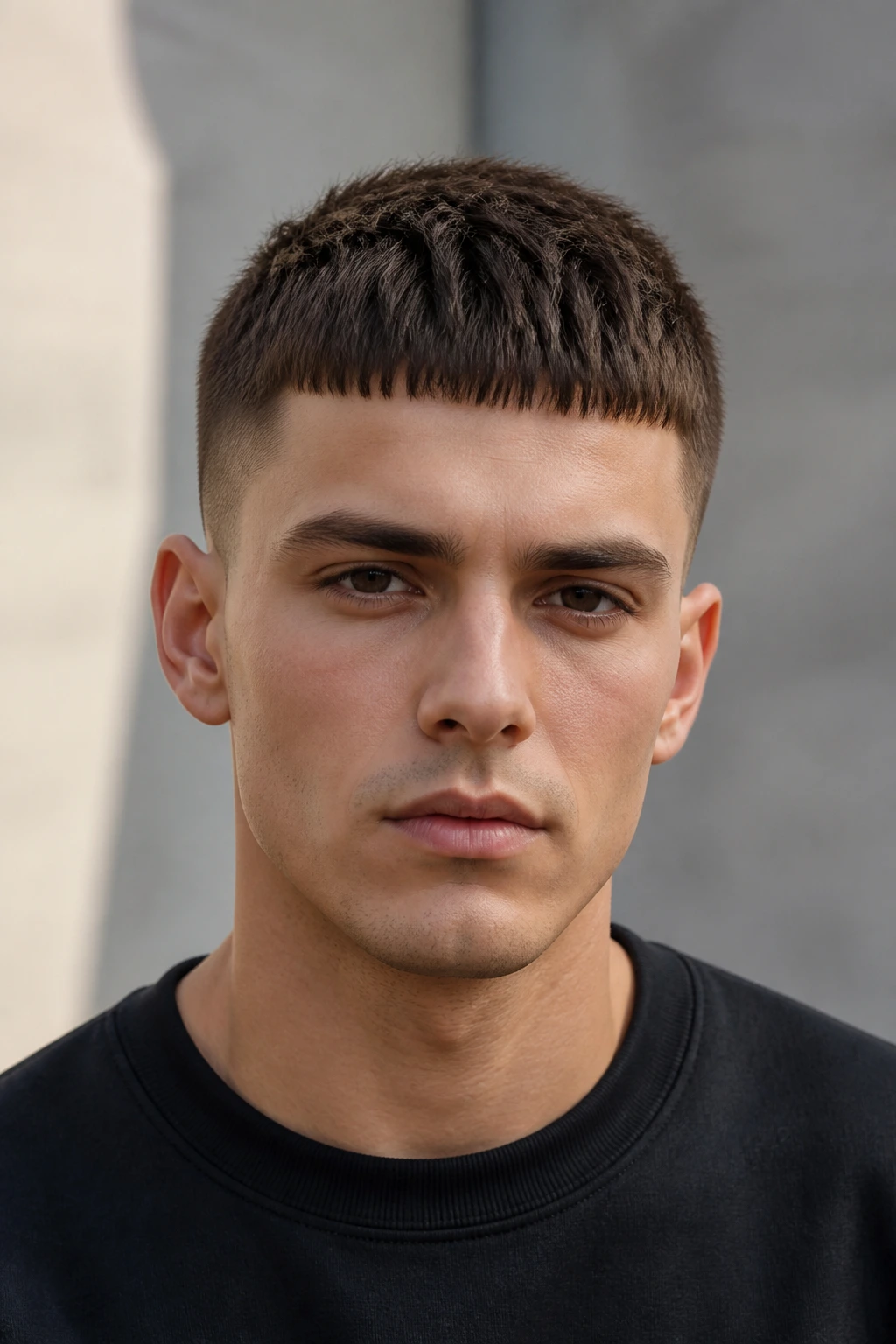
The Caesar cut is short, blunt, and direct. The fringe is trimmed straight across the forehead, the top stays short, and the sides are kept tight. It has been around forever because it solves a simple grooming problem: how to wear short hair with shape instead of looking like you shaved it in a hurry.
Why it stands out
Unlike a crop, which often uses broken texture, the Caesar leans on an even front line. That blunt edge can make the hairline appear more uniform. It also works well if your hair starts thinning near the temples, since the fringe pulls focus forward.
Best way to wear it
- Keep the top around 1 to 2 inches
- Ask for a blunt fringe rather than a choppy one
- Pair it with a low fade or neat taper on the sides
- Use very little product, or none at all
This haircut is practical in the best sense. It doesn’t pretend to be more than it is. If you want a cut that sits neatly after a quick towel dry, the Caesar is hard to beat.
It suits straight hair especially well, though some men with slight wave can wear it too. The cleaner the perimeter, the better it looks.
13. Curtain Hair
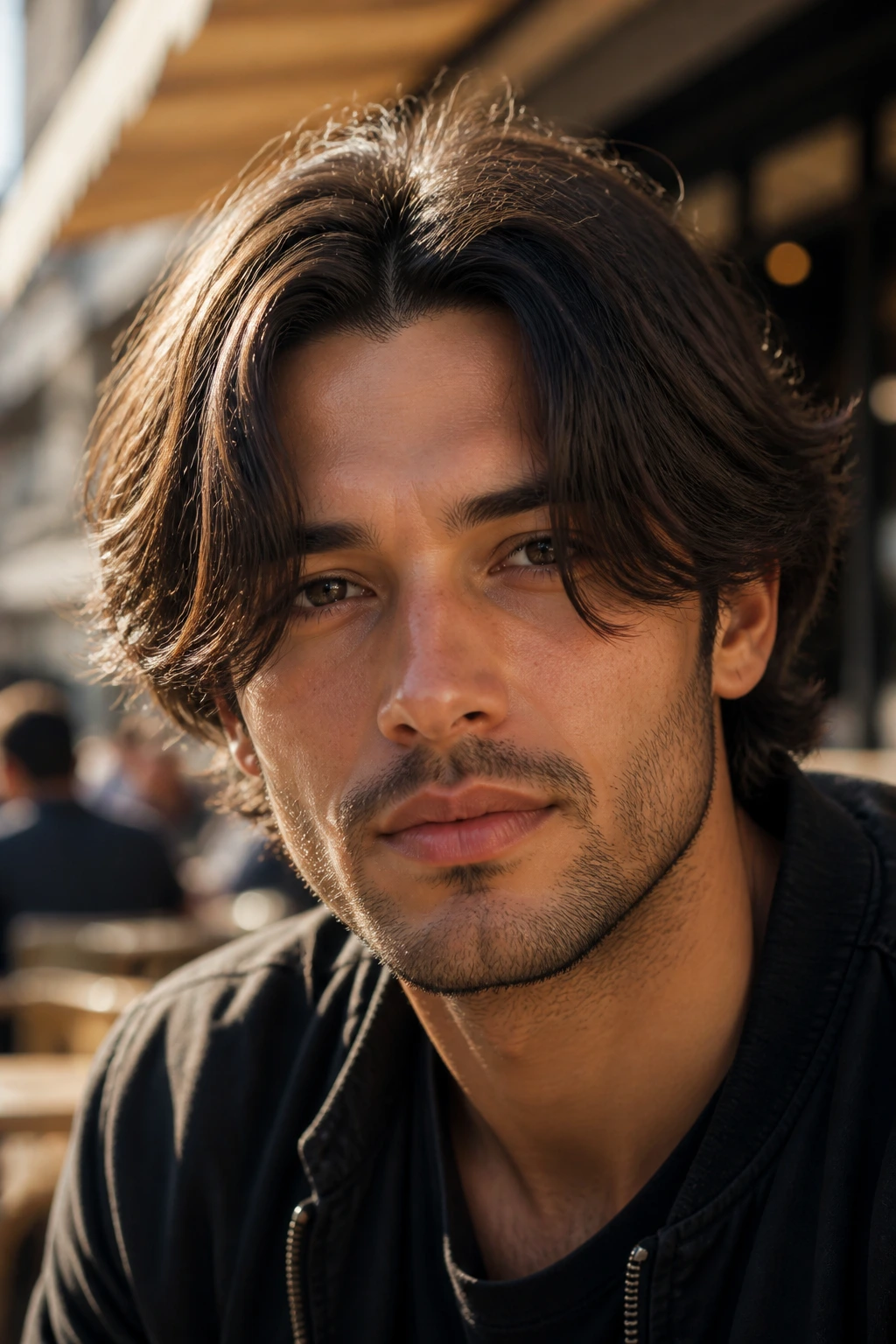
Curtain hair has a split-down-the-middle feel, but the trick is not to make it look like you accidentally parted it and left. The style works because the hair falls away from the center in two soft sections, often with a bit of bend or movement at the ends.
What gives it shape
The middle part does the framing, but the length is what makes it believable. Hair that’s too short will just flop apart. Hair that’s too long can look heavy and drop into the face. The sweet spot sits somewhere in the middle, usually with enough length to tuck behind the ears if you want.
What to ask for
- Medium length on top, usually 4 inches or more
- Soft layering to remove bulk
- A center part that follows the hair’s natural fall
- Light shaping around the cheeks and ears
Best for
Curtains work well with wavy hair, straight hair with body, and men who don’t mind a little movement around the face. They can soften a square jaw or balance a long face, depending on how the barber shapes the sides.
A little texture spray or leave-in cream keeps the part from looking too neat. You want it to feel casual, not staged.
14. Bro Flow
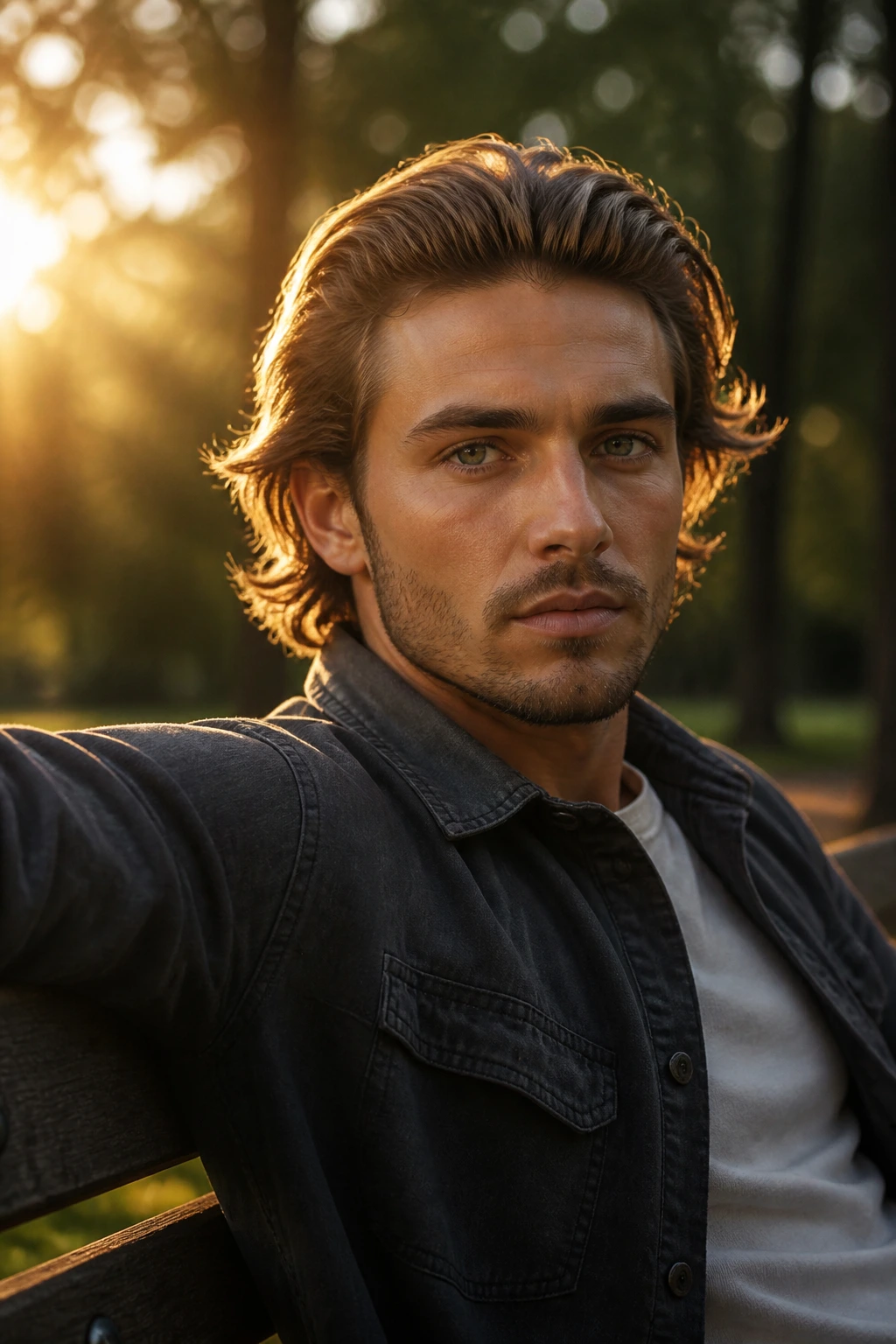
The bro flow is the haircut equivalent of letting hair do what it already wants to do — but with enough shape that it still looks deliberate. Hair falls back and around the sides, usually brushing the ears and neck as it grows. It’s loose, easygoing, and a bit more polished than “I forgot to cut my hair.”
What makes it work
This style depends on length and movement. Wavy hair helps a lot, since it naturally falls in soft bends. Straight hair can do it too, but it often needs a bit of product and maybe a quick blow-dry to keep the ends from looking too flat.
A good routine
- Use a light leave-in conditioner after washing
- Work in a small amount of cream or sea salt spray
- Push the hair back with your fingers, not a tight comb
- Keep the ends trimmed so they don’t split and fray
The bro flow suits men who are willing to sit through the awkward in-between stage while the hair reaches the right length. That stage is annoying. No pretending otherwise. Once it settles, though, it has a nice easy shape that works with casual clothes, denim jackets, and open collars.
It’s a patient haircut. That’s the deal.
15. Man Bun
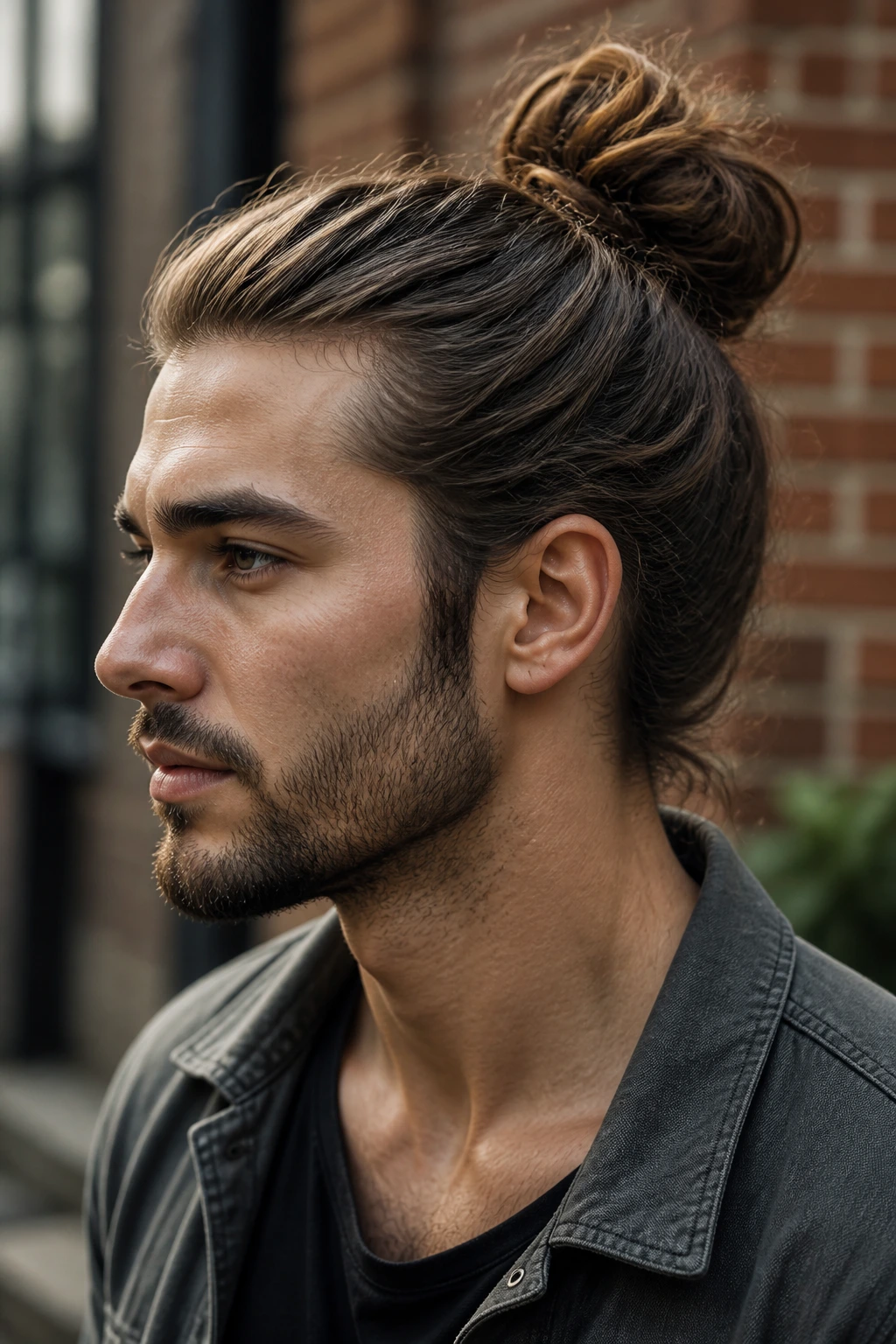
A man bun is practical when the hair is long enough to stay up without being yanked tight. That sounds obvious, but plenty of guys tie their hair back before it’s ready, and the result looks strained or skinny at the crown. The style works best when the length can gather naturally without fighting the scalp.
How to keep it looking clean
- Aim for at least 6 inches of length
- Tie it with a soft elastic rather than a tight rubber band
- Place the bun at the mid-crown or slightly lower for a more balanced look
- Let some texture stay loose instead of slicking every strand into place
What makes it different
A bun is fuller than a top knot and less severe. It can work for straight, wavy, or curly hair, but the hair should have enough weight to hold together. Thin hair can do it, though the bun may look smaller and need a little texture product to avoid a wispy finish.
A man bun has a calm, collected feel when it’s worn with care. If the hair is frayed or the tie is too high, it can look more rushed than relaxed. That’s the part to watch.
16. Top Knot
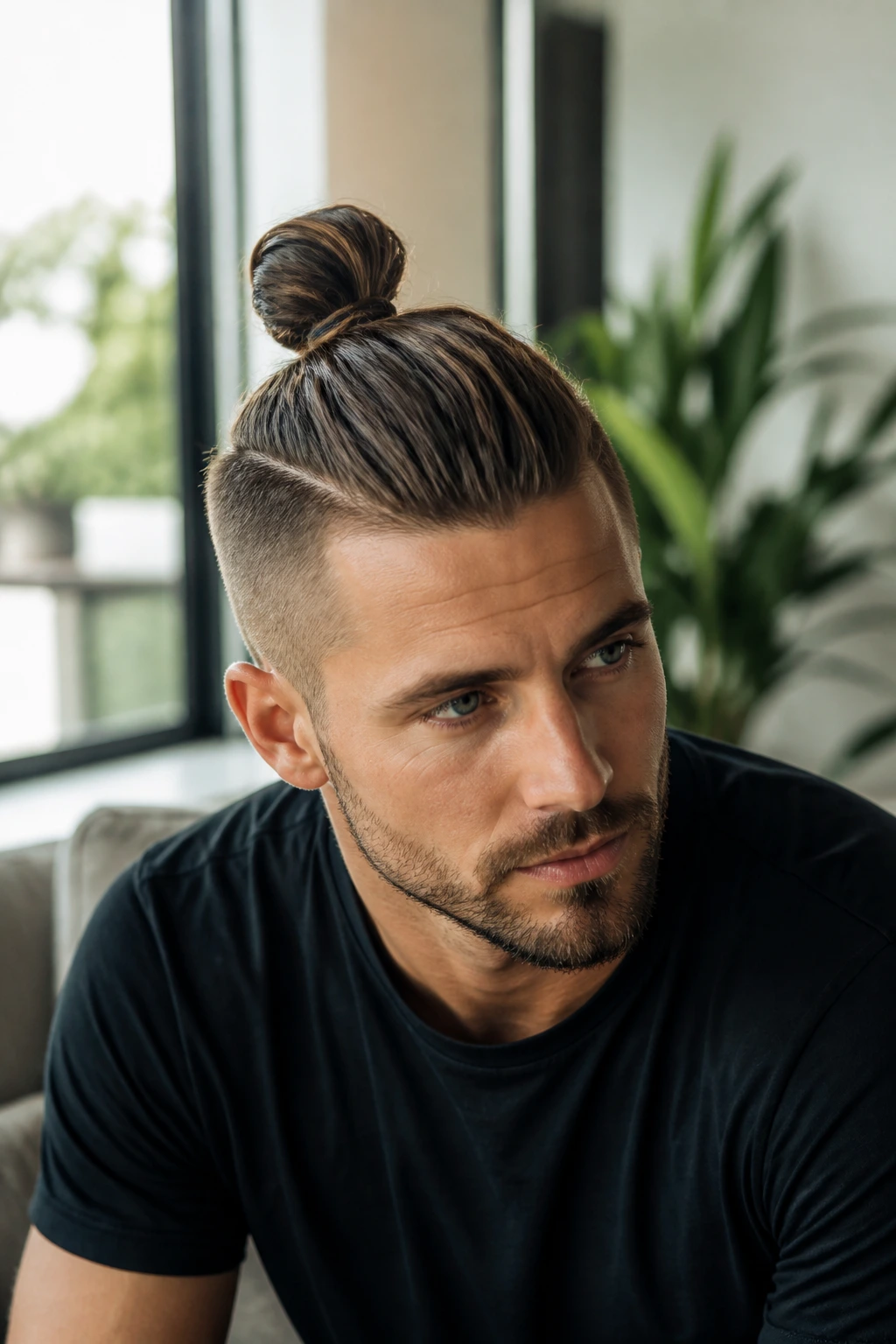
A top knot is a tighter, higher, more compact version of a bun. The difference seems small until you see them side by side. A top knot usually sits closer to the crown, often with shorter sides or an undercut, which makes the knot itself look sharper and more intentional.
What makes it distinct
The shorter sides matter. They create a stronger outline and leave the knot as the main shape. Without that contrast, the style drifts toward a plain bun. With it, the haircut reads cleaner and a little bolder.
What to ask for
- A disconnected undercut or short fade on the sides
- Enough length on top to gather into a small knot
- A knot placed at the crown, not the very top of the skull
- A tidy neckline so the back doesn’t look shaggy
When it works best
A top knot suits men with thick hair or hair that has some grit to it. Very silky hair can slide loose unless you use a better tie or a touch of texture spray. If you sweat a lot, keep the knot secure but not painfully tight. Headaches are not part of the style.
It has a sharper edge than a man bun, which makes it better for guys who want the long-hair look with a bit more structure.
17. Faux Hawk
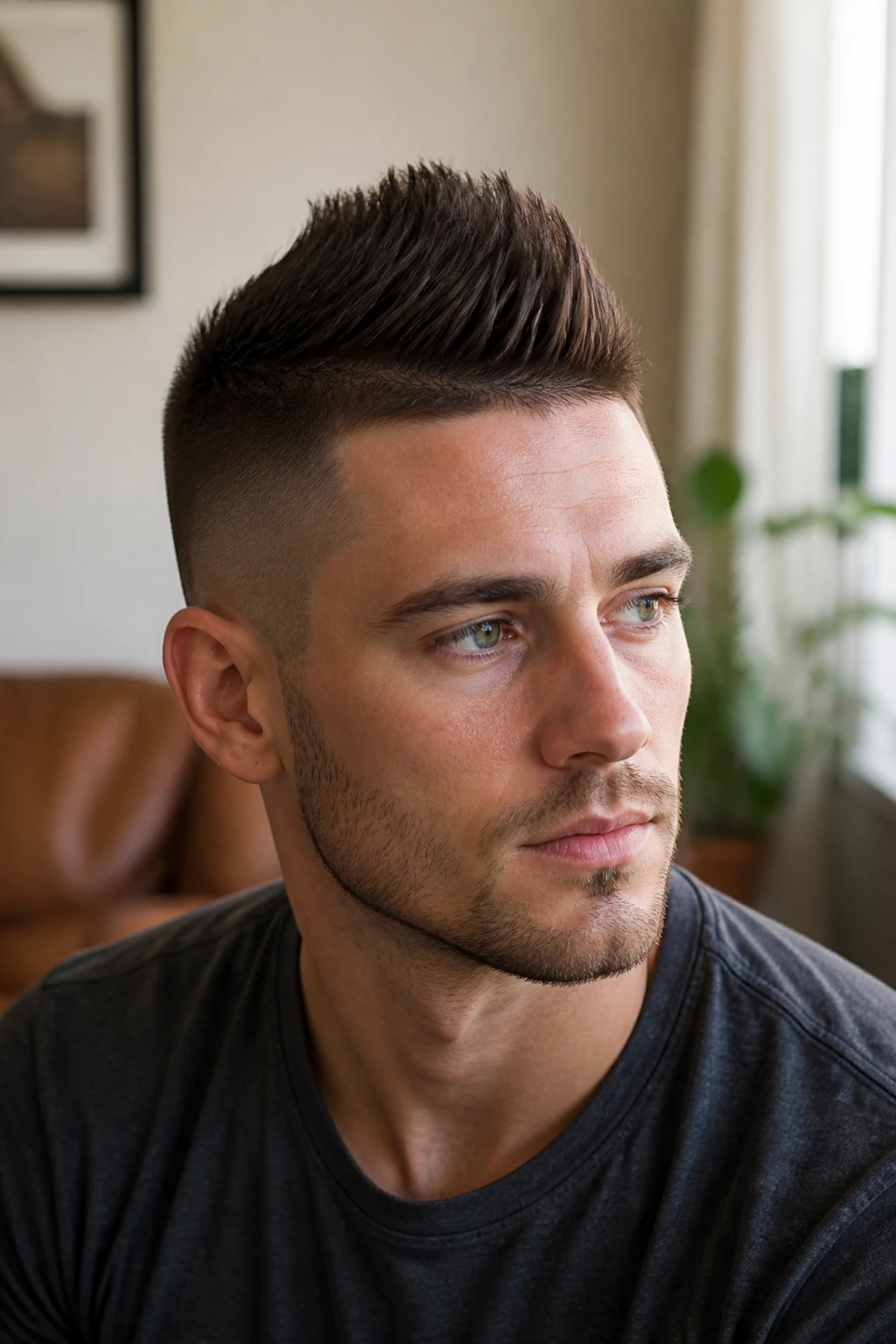
The faux hawk takes the spirit of a mohawk and softens it into something you can wear without committing to shaved sides. The hair is shorter on the sides and longer through the center strip, but the transition stays wearable. That’s why it works for men who want energy without going all the way.
Why it works
The center strip creates a line that draws the eye upward. That can sharpen the face, add some height, and make thinner hair look more animated. It’s also easier to maintain than a full mohawk, because the sides are still part of the haircut instead of being cleared away.
Styling notes
- Use matte paste or clay
- Pinch the center section upward with your fingers
- Keep the side hair tight, but not shaved to the skin unless you want extra contrast
- Leave the front slightly forward for a softer finish
The faux hawk can be subtle or loud, depending on how high you push the center. A low version works for everyday wear. A taller one reads more aggressive and needs better styling.
It’s one of the few edgy cuts that can still look controlled if you keep the shape tidy.
18. Curly Fringe
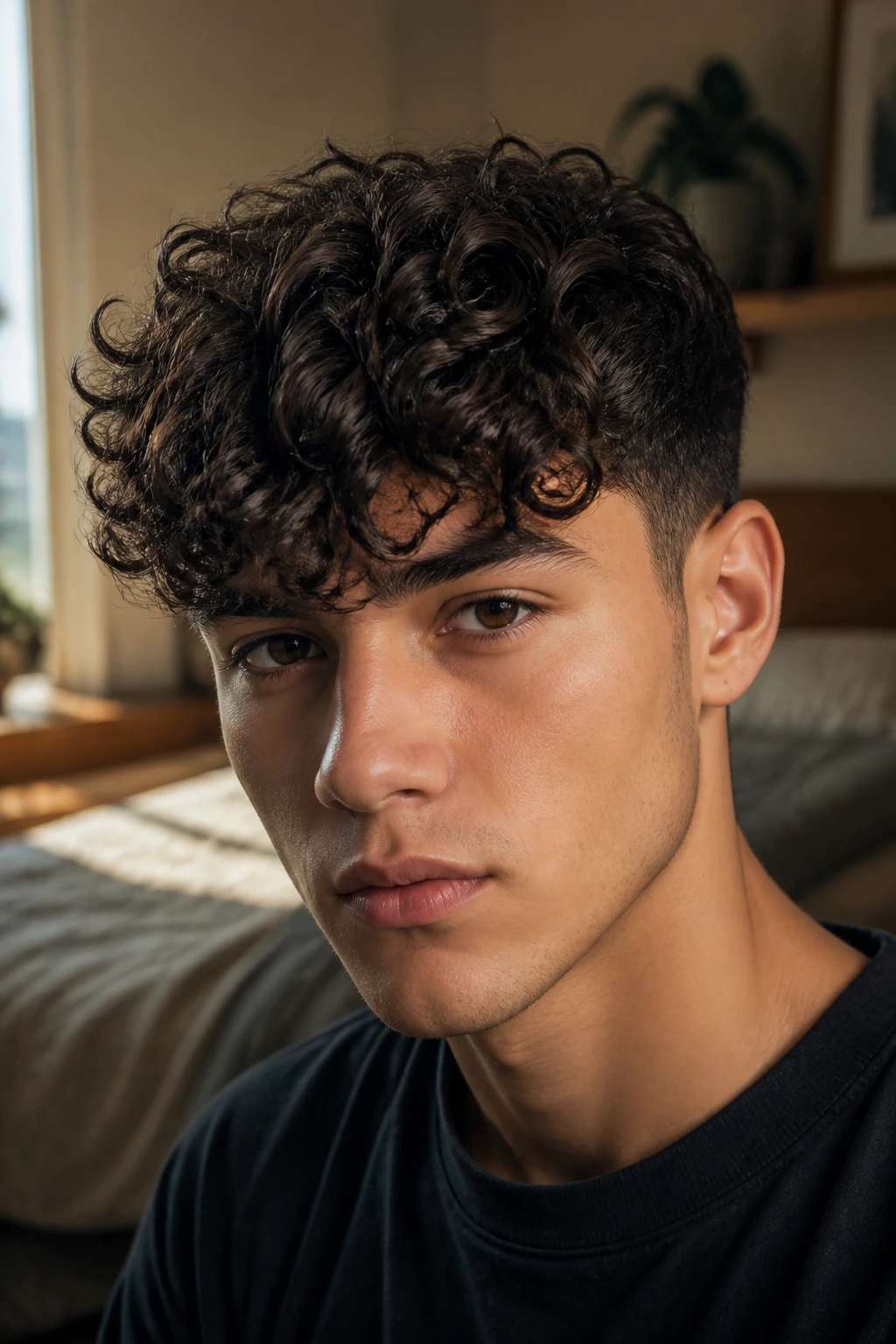
Curly fringe is one of the smartest ways to wear natural texture because it uses the front of the hair instead of fighting it. The curls come forward over the forehead, and the sides are usually tapered or faded so the shape doesn’t balloon out around the ears.
What to watch for
Curly hair shrinks when it dries. A lot. If the barber cuts it too short while it’s wet, the fringe can bounce up higher than you expected and sit awkwardly above the brows. That’s why a dry cut or a cautious wet cut matters so much here.
How to style it
- Work in a curl cream or light gel while the hair is damp
- Scrunch the fringe forward with your hands
- Use a diffuser if you want more shape and less frizz
- Trim the fringe in small amounts, not big chunks
This cut is useful if you have a strong forehead, heavy curls, or hair that refuses to lie flat. It frames the face without forcing the curls into some unnatural shape. And that matters. Curls look better when they’re allowed to bend.
A curly fringe is not neat in the old-school sense. It is better than neat. It looks alive.
19. Afro
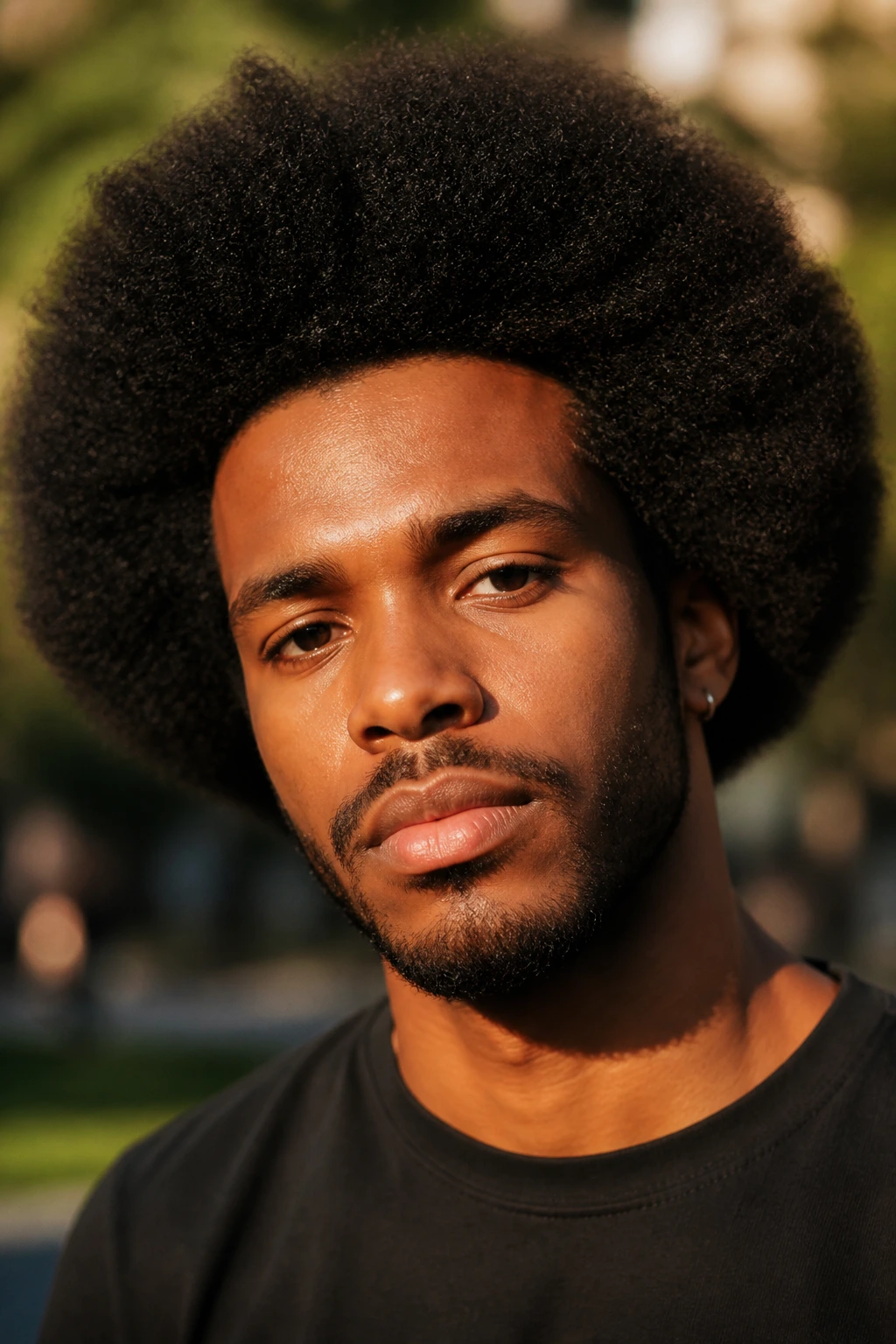
A good afro is about shape first and length second. That’s the part a lot of men miss. You are not just growing hair out and hoping for the best. You are building a silhouette, and the silhouette is what makes the style work.
Why shape matters
An afro can be rounded, squared, tapered, or shaped high with more height at the top. The barber’s outline changes everything. A round afro feels soft. A more angular one feels sharper. A tapered version keeps the sides cleaner and helps the style stay balanced around the ears and neck.
What helps it look right
- Keep the hair moisturized with cream or leave-in conditioner
- Use a pick or wide-tooth comb to lift the shape gently
- Get regular shaping so the outline stays even
- Ask your barber to respect your natural shrinkage, not fight it
This style rewards patience. It also rewards a barber who knows how curls and coils stack on themselves once they dry. Cutting too much off the top can flatten the shape. Leaving too much weight on the sides can make the whole style look wide in the wrong way.
When it’s shaped well, an afro has presence without needing any trickery. It stands on its own.
20. Locs
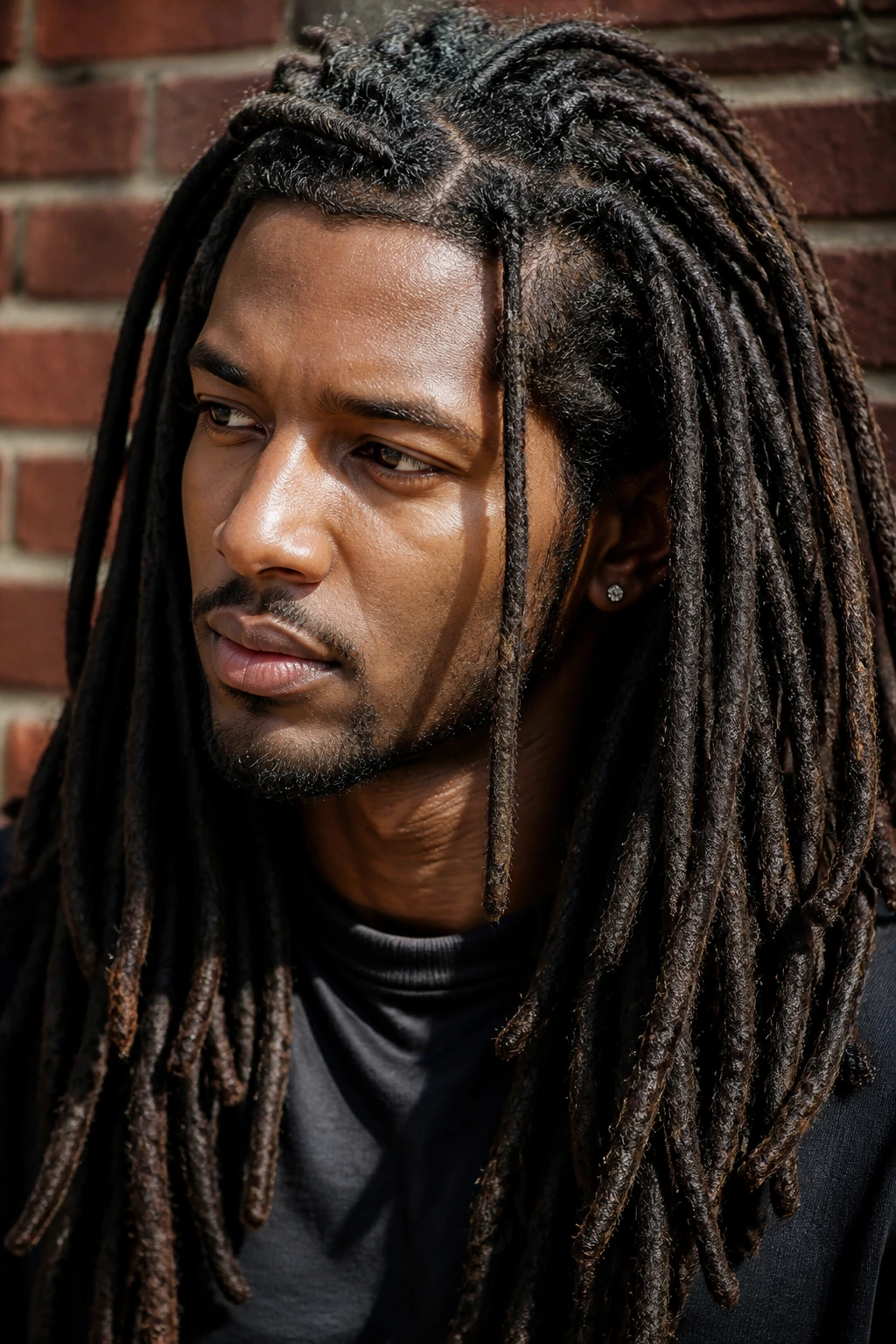
Locs carry a different rhythm from most men’s hairstyles because they grow into themselves over time. Starter locs look sparse and tidy. Mature locs get heavier, fuller, and more defined. The style changes, which is part of the point.
What to know before you start
The size of the parts matters. Small parts create thinner locs. Larger parts make thicker ones. The grid you choose at the beginning sticks with you for a long time, so it’s worth thinking through instead of rushing the first appointment.
Maintenance basics
- Retwist or refresh roots every 4 to 8 weeks, depending on your hair and how neat you want them
- Keep the scalp clean, but do not overload it with heavy grease
- Let locs dry fully after washing
- Avoid constant twisting that pulls the roots tight and sore
Locs can be worn freeform, neatly maintained, tied back, or left to hang. The right choice depends on your hair type and the shape you want, but over-manipulating them is a common mistake. Tight twisting can strain the roots. Let them breathe.
The style has a strong visual identity, yet it can still be modest and simple if that’s what you want. That range is part of its appeal.
21. Modern Mullet
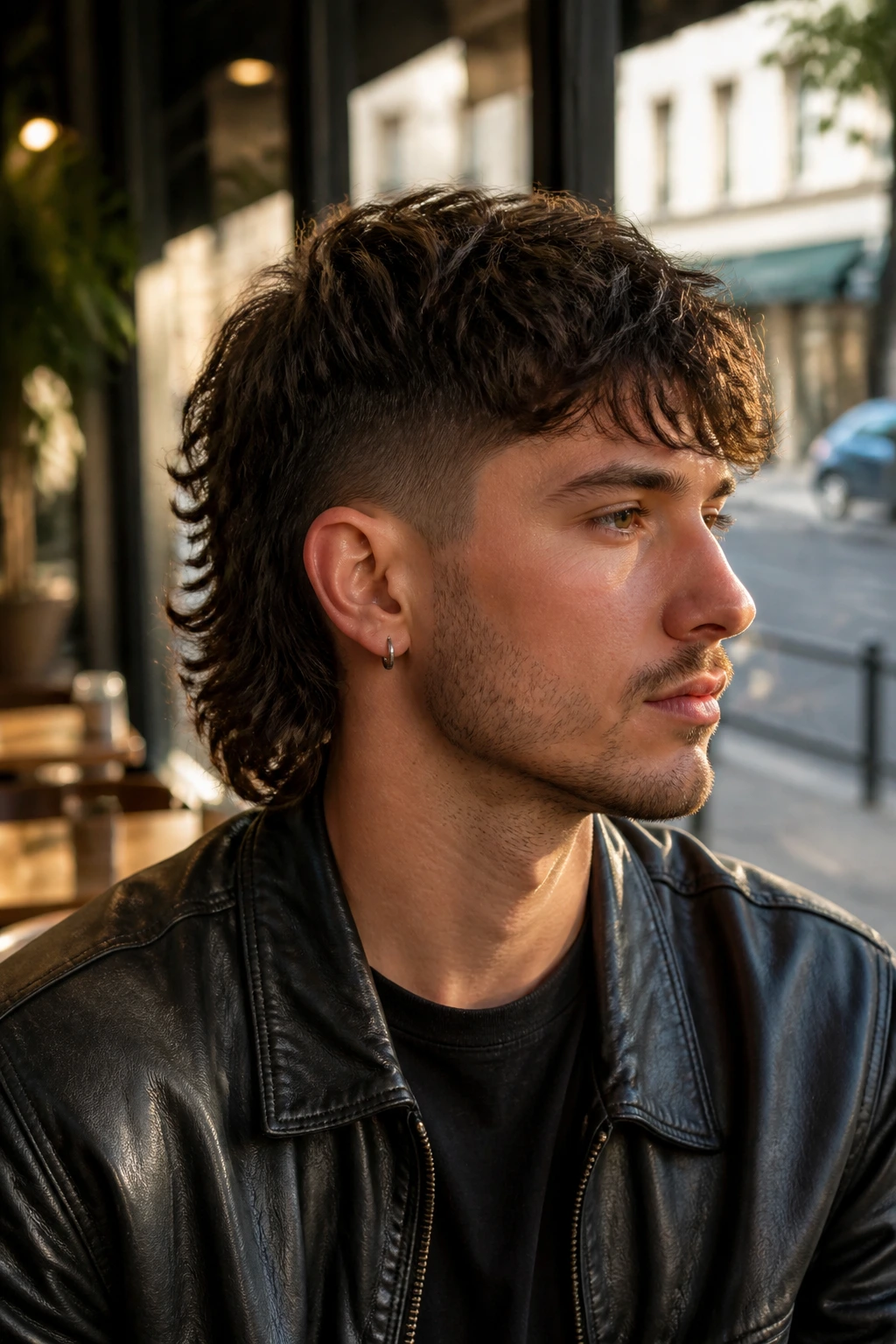
A modern mullet is not the joke version people used to mock. When it’s cut well, the shape is controlled: shorter up front and at the sides, longer at the back, with enough texture to stop the whole thing from looking like a costume piece.
What makes it wearable
The modern version relies on balance. The top should connect to the back in a way that feels deliberate, and the sides usually stay tapered or faded so the length in back has room to stand out. If the transition is too abrupt, the cut starts feeling theatrical. If it’s too soft, the mullet disappears.
How to ask for it
- Keep the front and top textured
- Leave the back longer by several inches
- Add a taper or fade on the sides
- Ask for movement, not a blunt shelf
This cut works especially well with wavy or curly hair, since texture helps the back fall naturally. Straight hair can wear it too, but it often needs more product and better shaping to avoid looking stringy.
The modern mullet has personality. Lots of it. That’s the appeal. It’s not a quiet haircut, and it doesn’t pretend to be one.
22. High and Tight
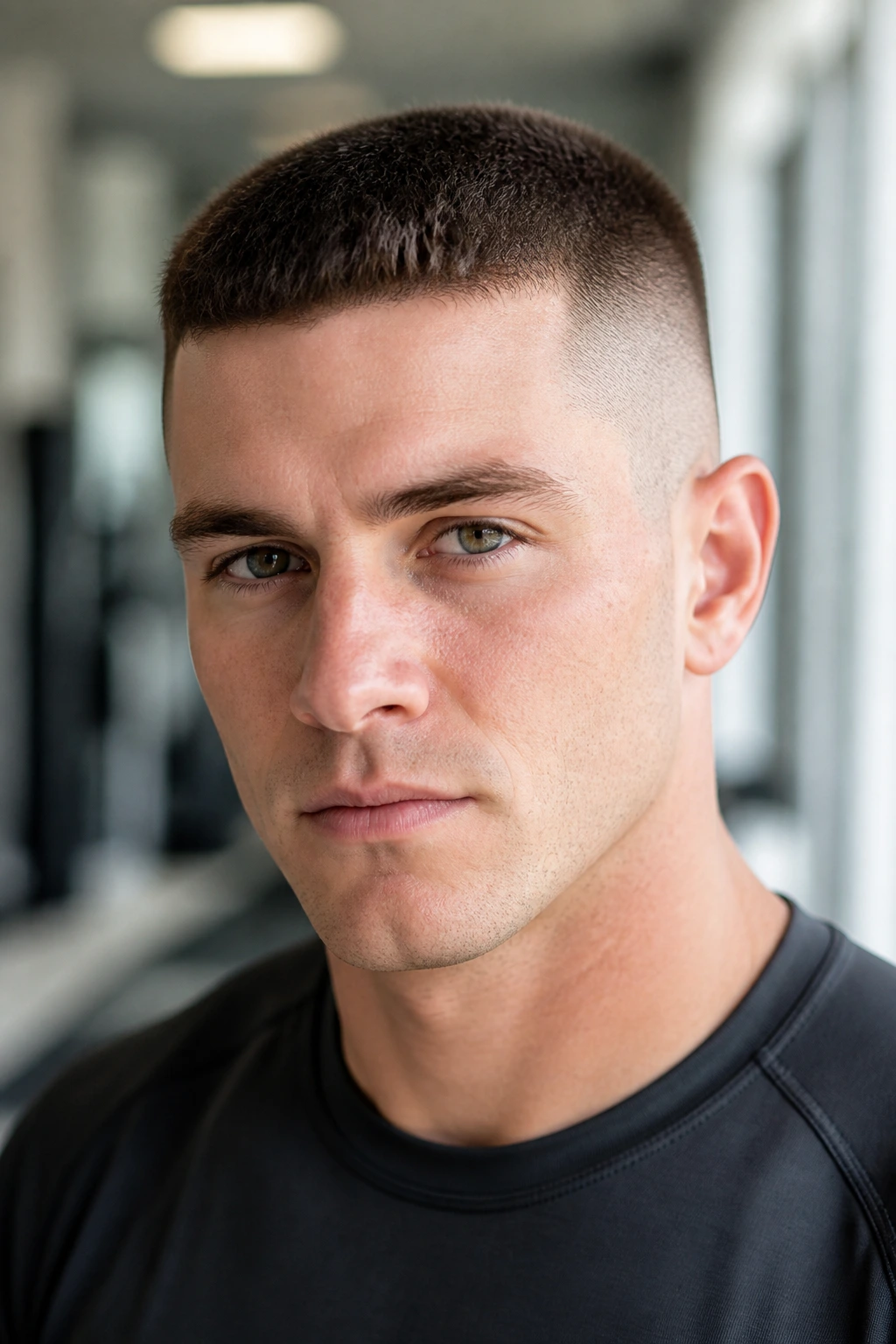
A high and tight is a short, stripped-down cut with a military feel, but it has stuck around because it’s practical and sharp. The sides are clipped very short, often faded high up the head, while the top is left just long enough to show a little texture or a small brush of movement.
Why it works so well
The cut keeps the face open and the neckline clean. It also makes thick hair behave. If you have dense hair that puffs out when it gets longer, this cut knocks that bulk down fast. It’s one of the easiest ways to keep a neat shape without spending any time on styling.
Quick details
- Top length is often very short, about 0.5 to 1.5 inches
- Sides are taken up high, sometimes nearly to the crown
- Works well with strong jawlines and athletic features
- Needs regular trimming to keep the contrast crisp
The high and tight does not offer much styling freedom, and that’s fine. Some cuts are about range. This one is about discipline and clean lines. If you want hair you can wash, dry, and ignore, it’s hard to argue with.
Final Thoughts
The best men’s hairstyle is the one that fits your hair, your face, and your patience. A great barber can shape almost any of these well, but the real trick is choosing a cut that matches how you actually live. A style that looks sharp for two hours and feels annoying for two weeks is not a good bargain.
Short cuts win on ease. Longer cuts win on personality. Fades and tapers sit in the middle and make a lot of styles easier to wear. That’s why so many men keep circling back to them.
If you’re unsure where to start, pick the haircut that matches your daily routine first, then adjust the shape from there. That usually gets you closer than chasing a photo that looks good only under perfect lighting.
