



Brunette hair can go flat fast when every strand sits at the same level. One shade. One note. Done wrong, it starts looking heavy instead of rich, which is a shame because brown hair has some of the best built-in depth of any base color.
The trick is not to turn brunette into blonde. It’s to add dimensional highlights for brunette hair in places that make the color move: a ribbon through the mids, a softer piece near the face, a few lighter threads under the top layer, maybe a shadow at the root so the whole thing doesn’t scream for touch-ups the second you walk out of the salon. That balance is where brown hair gets expensive-looking, even when the actual technique is simple.
I’ve always liked brunette hair best when the color looks lived-in rather than painted on. The good versions have a sense of weight and shine. The bad versions look sliced up by three different tones that never spoke to each other. Subtle placement, smart undertones, and a little restraint matter more than going lighter.
So here are eighteen ways to build dimension without flattening the brunette you already have. Some are warm, some are cool, some are bold enough to notice from across the room. All of them can work if the placement fits your base, your haircut, and the amount of maintenance you’re willing to put up with.
1. Soft Caramel Ribbons on Espresso Brown
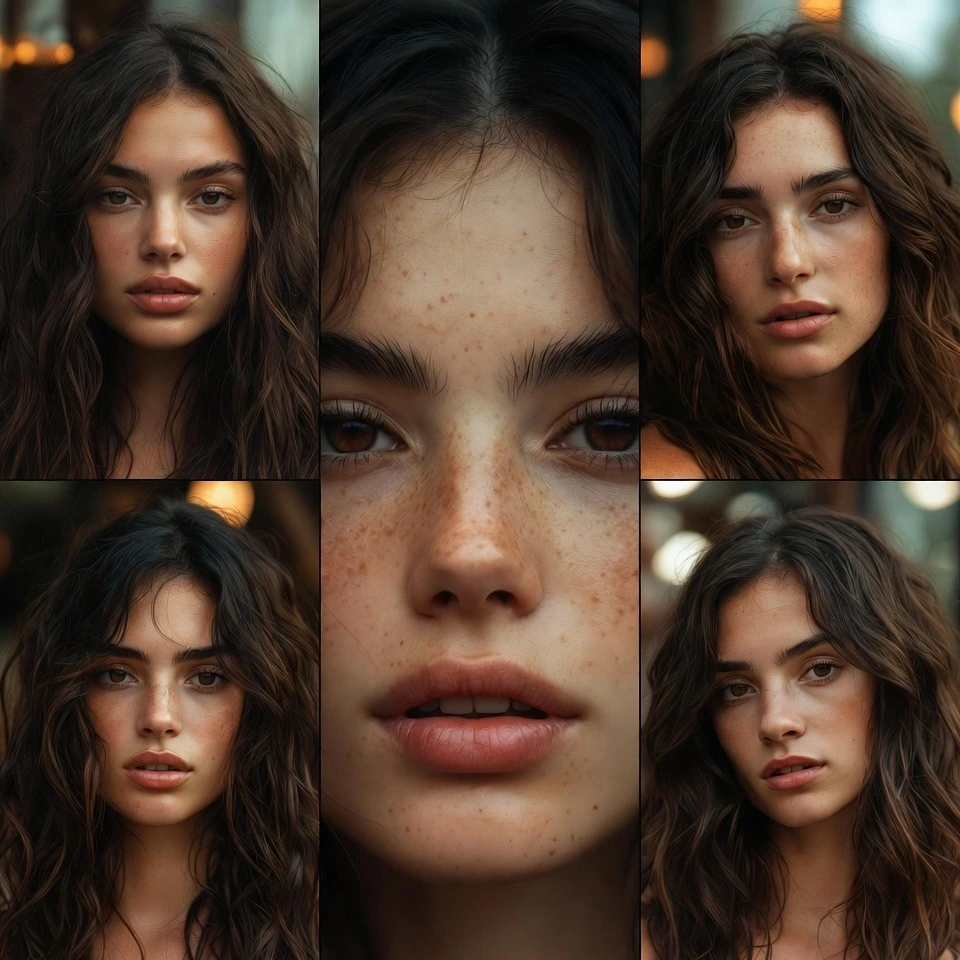
Caramel is the safe word for a reason. On a deep espresso base, a few soft caramel ribbons create movement without making the hair look stripey, and that’s the whole point. You get light where the eye naturally lands — around the front, through the surface, and a little below the crown — but the brunette stays in charge.
Why It Works on Deep Bases
Espresso brown hair can swallow color if the highlights are too pale. Caramel sits in that middle zone where the contrast is visible but not loud, which makes it a smart choice if you want dimension without a dramatic blond shift.
A good colorist will usually keep the lighter pieces narrow and slightly diffused. Think ribbon, not chunk. The finish matters too — a gloss in a beige-gold or neutral-warm tone keeps the caramel from reading brassy after a few washes.
- Best on level 4 to 5 brunettes
- Looks especially good on long layers and soft waves
- Ask for fine foil accents or painted ribbons
- Works well with a root shadow of about one to two levels deeper than the lightest pieces
Pro tip: Caramel needs a little warmth, but not orange. If the tone looks like toffee candy under salon lights, it’s too far.
2. Chestnut Balayage with a Root Melt
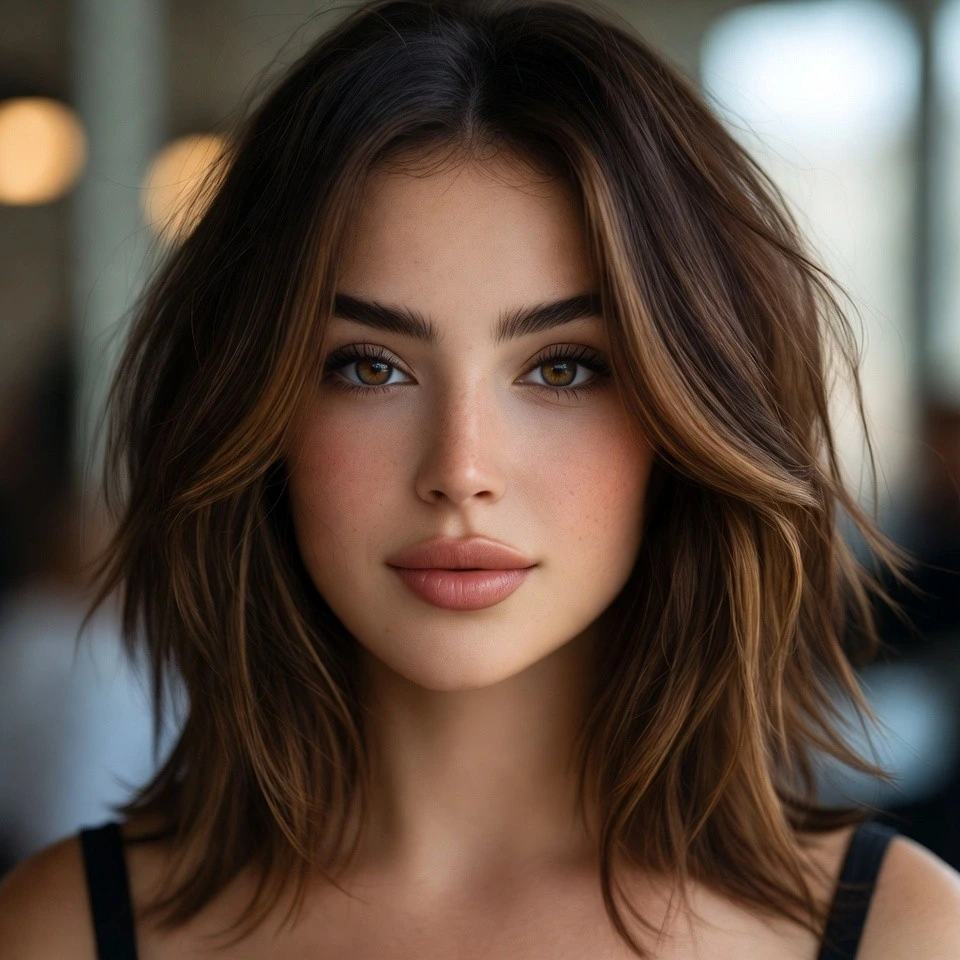
Chestnut is the brunette version of a good wool coat. It feels rich, grounded, and expensive without trying too hard. On layered brown hair, a chestnut balayage with a soft root melt gives you depth at the scalp and brightness through the mids, which is one of the easiest ways to make hair look thicker.
The root melt is doing a lot of heavy lifting here. It keeps the transition soft, so the highlights don’t start in a hard line a half-inch from the scalp. That means the grow-out stays pretty. It also keeps the color from feeling too “salon fresh” in a way that can look a little stiff.
Where This Look Lands Best
Chestnut works best if you want something warm but not copper. It’s a little red, a little brown, and a lot more interesting than plain golden brown. On medium brunette bases, it tends to show a glossy finish. On deeper brunettes, it gives the hair a burnished look that catches light in a quieter way.
If your hair is straight, the contrast can read more obvious. On waves, it melts. Simple as that.
3. Face-Framing Money Piece
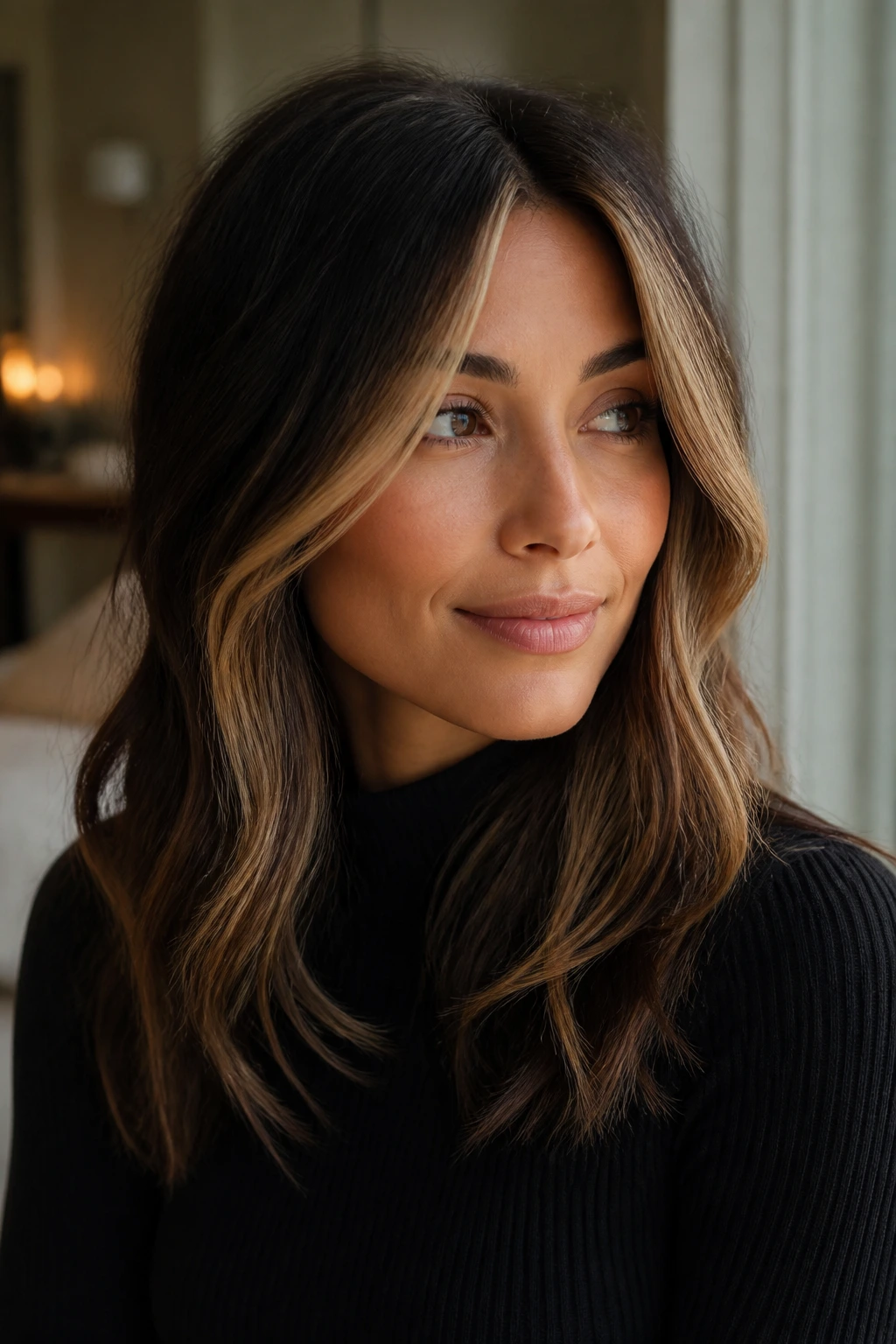
A bright face frame can save a brunette look that feels sleepy. One well-placed money piece around the front hairline lifts the face fast, and you don’t need a full head of light strands to get there. That’s why this one is so useful for people who want impact without committing to a high-maintenance blonde situation.
The best version starts slightly deeper near the roots and gets lighter as it falls around the cheekbones. That gradient matters. If the front strip is too pale and too wide, it starts looking like a disconnected panel instead of part of the haircut.
How to Keep It Balanced
- Keep the face frame about one to two inches wide on each side
- Soften the root area with a shadow for a less harsh grow-out
- Pair it with scattered lighter pieces through the top layer
- Ask for tone matching that fits the rest of the brunette, not pure blonde
A money piece works especially well with curtain bangs, layers, and shoulder-length cuts. It can look a little too obvious on a one-length bob unless the rest of the color has some movement too. And yes, this is one of those styles that looks better when it’s styled. A quick bend with a curling iron makes the front pieces fall into the face the right way.
4. Mushroom Brown with Cool Beige Ribbons
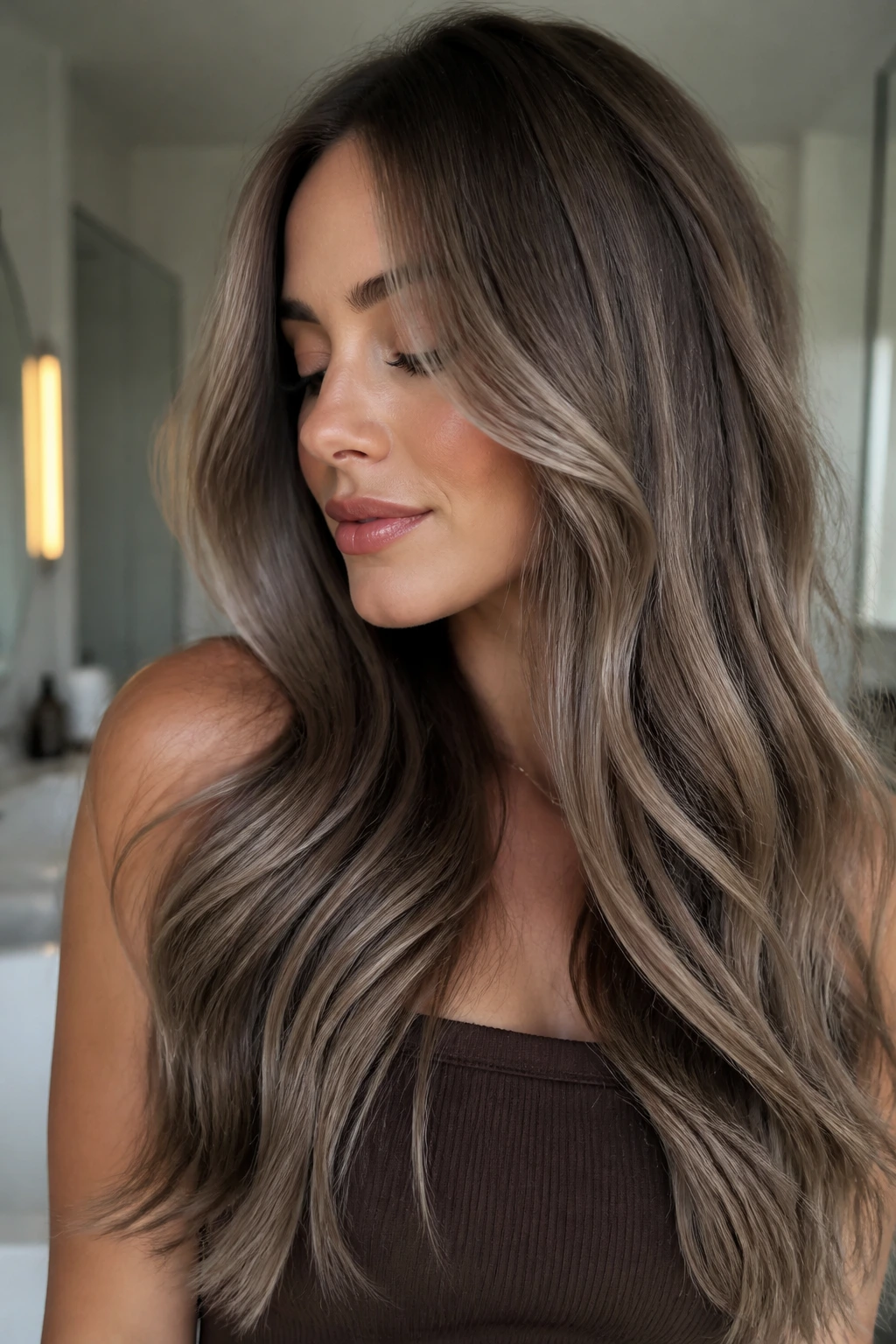
Not every brunette needs warmth. Some hair looks better with a cooler edge, and mushroom brown proves it. The shade sits in that taupe-beige-gray space that gives brown hair depth without gold, which is a relief if your skin tone fights with honey or caramel.
The Science Behind the Look
Cool beige ribbons work because they borrow from the same muted family as the base. That keeps the contrast soft, but the tone shift still creates separation. The result feels smoky, not muddy — and those are two very different things.
This look is a favorite on naturally ashy brunettes, especially people whose hair pulls red in the sun and who hate that. The trick is keeping the lightened pieces cool enough that they don’t flip warm after a few shampoos. A violet or blue shampoo can help, but only if you don’t overdo it.
A mushroom brunette looks especially clean on blunt cuts and sleek blowouts. On very curly hair, it can disappear a little unless the highlights are placed with enough spacing to catch movement.
Use this if: you want dimension that feels polished, soft, and slightly moody.
Skip it if: you love golden warmth and hate cool tones on your face.
5. Cinnamon Dimension on Warm Brunette Bases
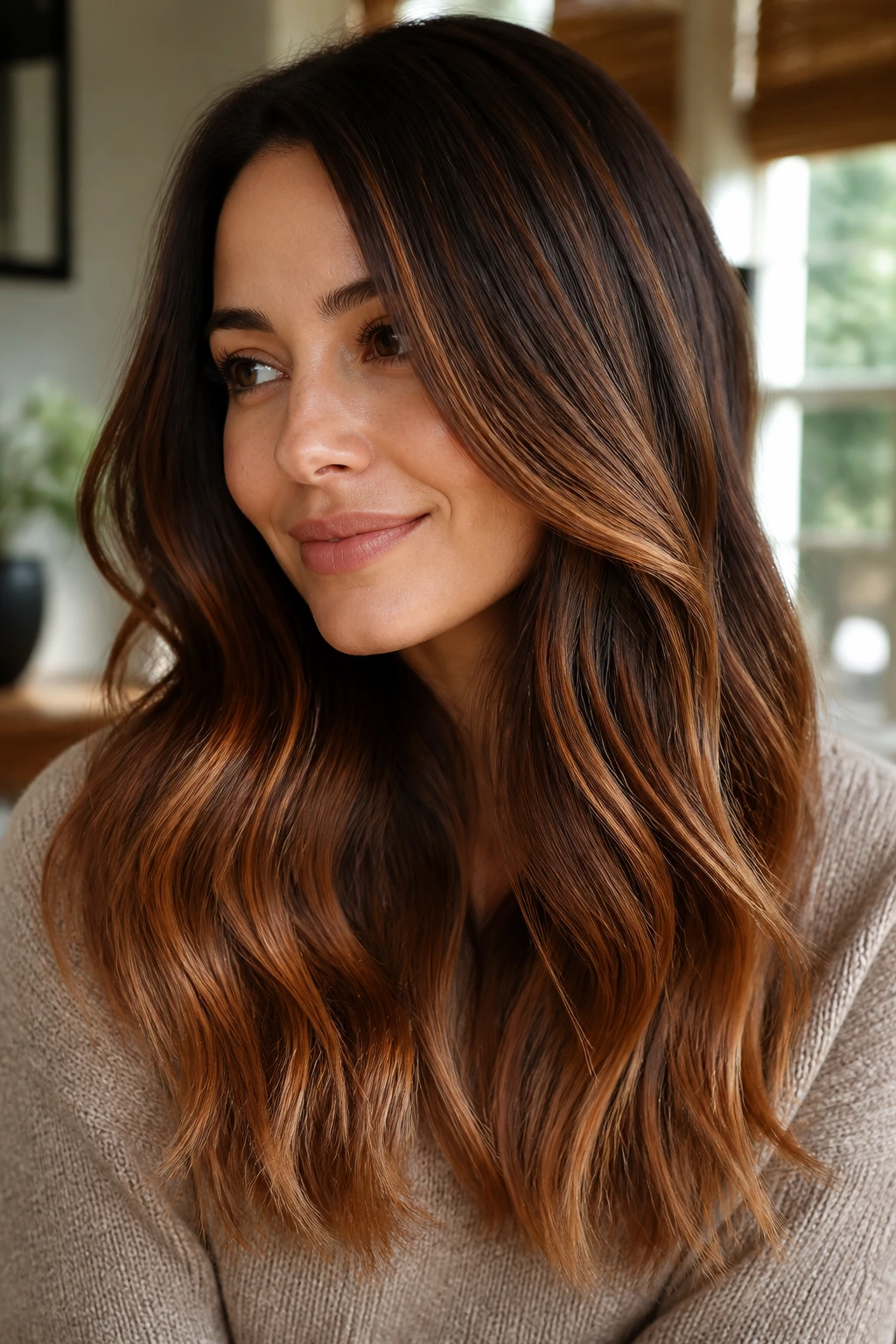
Warm brunettes can be tricky. Go too golden and the hair can look flat. Go too red and you’ve basically left brunette territory. Cinnamon dimension sits right in the sweet spot, which is why it works so well on dark brown and chestnut bases.
The color has enough red-brown in it to feel alive, but it still reads as brown first. That matters. If the goal is rich, not flashy, cinnamon does the job without turning the whole head into a copper story.
A warm brunette with cinnamon ribbons looks especially good when the pieces are painted through the mid-lengths and ends, then softened near the root. You want the effect of warmth moving through the hair, not a red outline at the scalp. That’s the mistake people make when they go too heavy on the front.
The best versions are glossy. Matte cinnamon can look dull, and warm brown hair doesn’t need that. A clear glaze or a warm brown gloss after coloring makes the difference between “nice color” and “why does this look so expensive.”
6. Mocha Babylights for Fine Hair
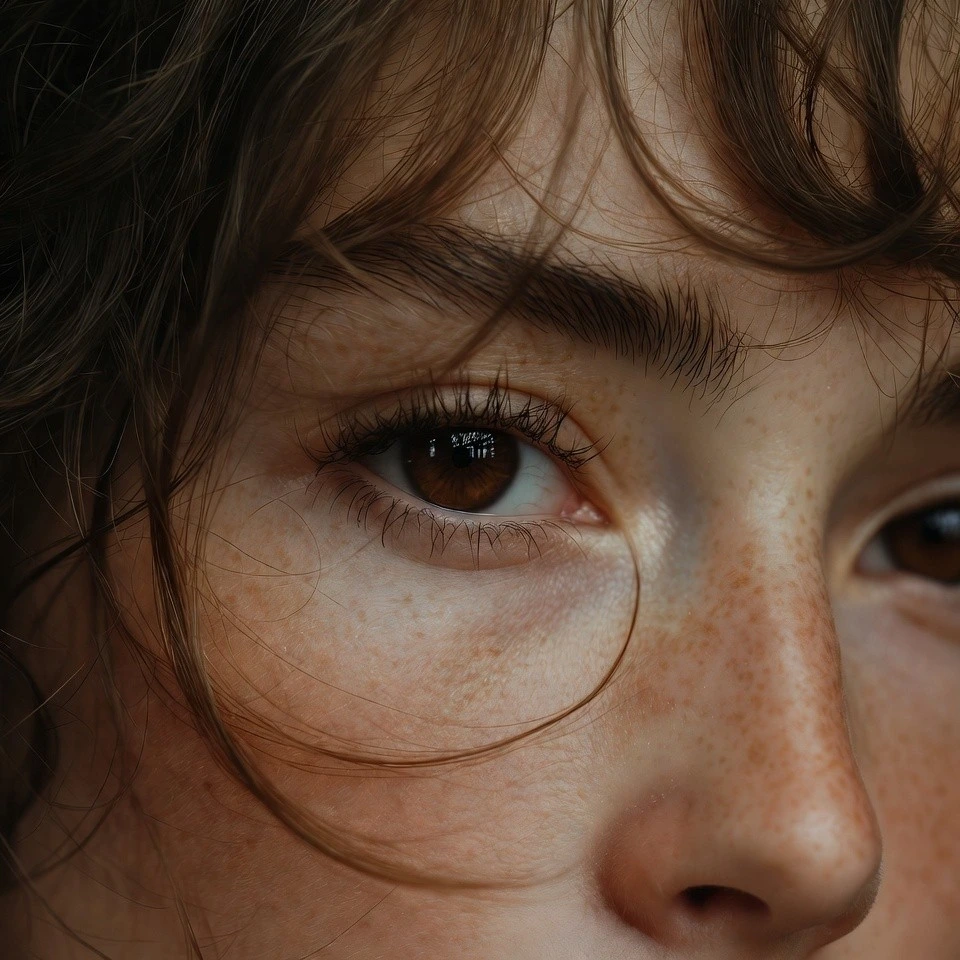
Fine hair and chunky highlights are not friends. The color can overwhelm the strand, and suddenly the hair looks thinner, not fuller. Mocha babylights solve that by using tiny, closely woven pieces that stay close to the natural brunette, just a shade lighter and softer.
Why Tiny Color Pieces Matter
Babylights are delicate for a reason. On fine hair, you need a lot of small lightened strands instead of a few big ones, because the eye reads the whole surface, not individual strands. That creates a mist of dimension rather than obvious lines.
Mocha is a safe shade because it keeps the brunette family intact. You’re not forcing a huge shift. You’re nudging the color toward softness. That usually means less breakage too, since the lift can stay modest.
- Best for fine to medium hair
- Good when you want dimension without obvious contrast
- Ask for micro-foils or very thin painted sections
- Keep the tone close to your base, about one level lighter
I like this look on straight hair because the surface shimmer is obvious. On waves, it looks almost plush. And that’s a nice thing to say about brown hair.
7. Toffee Highlights for Curly Brunettes
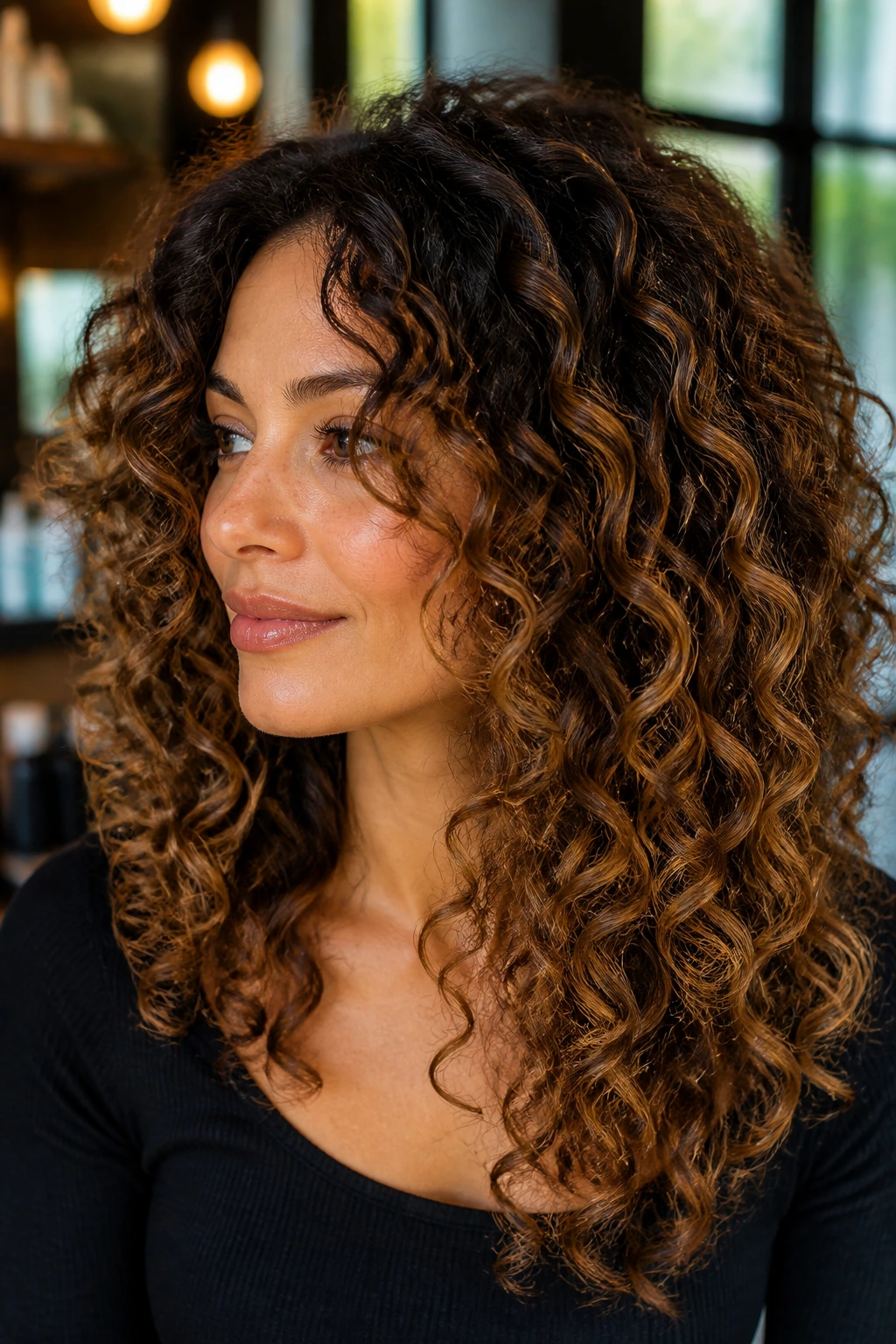
Curly hair holds color differently. The bends and coils break up the light, so a highlight that looks subtle in the bowl can show up with a lot more life once the curls dry. Toffee highlights are one of the best choices for curly brunettes because the shade is warm enough to stand out, but not so pale that it pings off every ringlet.
A curl specialist will often paint the lighter pieces where the curl pattern opens up — around the outer curve, through the mid-shaft, and on the surfaces that catch light first. That placement is everything. Put the color in the wrong spots and you get patches. Put it in the right spots and the hair looks fuller, springier, and more layered.
What to Ask For
- Lighter pieces concentrated on the top layer and outer curls
- A few brighter face-framing curls
- Soft ends, not bleached tips
- A warm gloss that keeps the toffee tone creamy, not orange
Curly brunettes usually benefit from less contrast than straight hair, because curls already build dimension on their own. Too much bleach can make the pattern look frayed. Too little and you won’t see the color at all. Toffee hits the middle.
8. Bronze and Copper Panels for Deep Browns
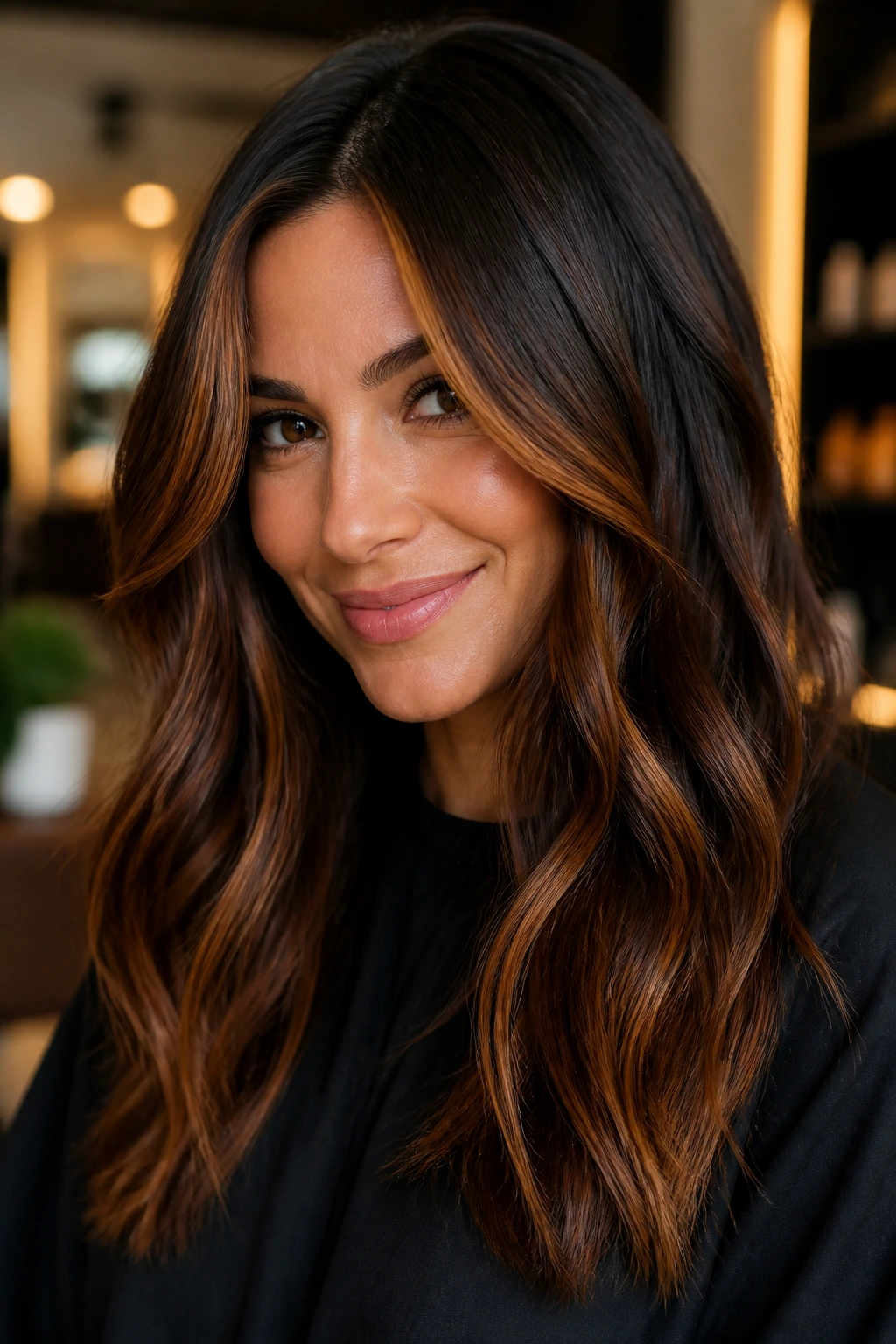
Sometimes subtle is boring. There, I said it. If your brunette base is very dark and you want the color to announce itself a little, bronze and copper panels can bring real depth without forcing you into full blonde territory.
These panels work because they sit in a rich, metallic range that plays well with deep brown hair. Bronze gives you a burnished glow. Copper adds warmth and a sharper flash. Together, they can make dark hair look animated even when it’s worn straight and simple.
This is not the look for someone who wants barely-there color. It’s for someone who likes contrast and doesn’t mind that people notice the hair first. The key is placement. A few controlled panels through the mid-lengths and around the face read deliberate. Too many and it becomes costume-y.
On a deep brunette base, bronze can look almost suede-like in soft light. Copper, by contrast, has a brighter edge. If you want both, keep the copper narrow and the bronze broader.
9. Ash Brown Lowlights for Cooler Contrast
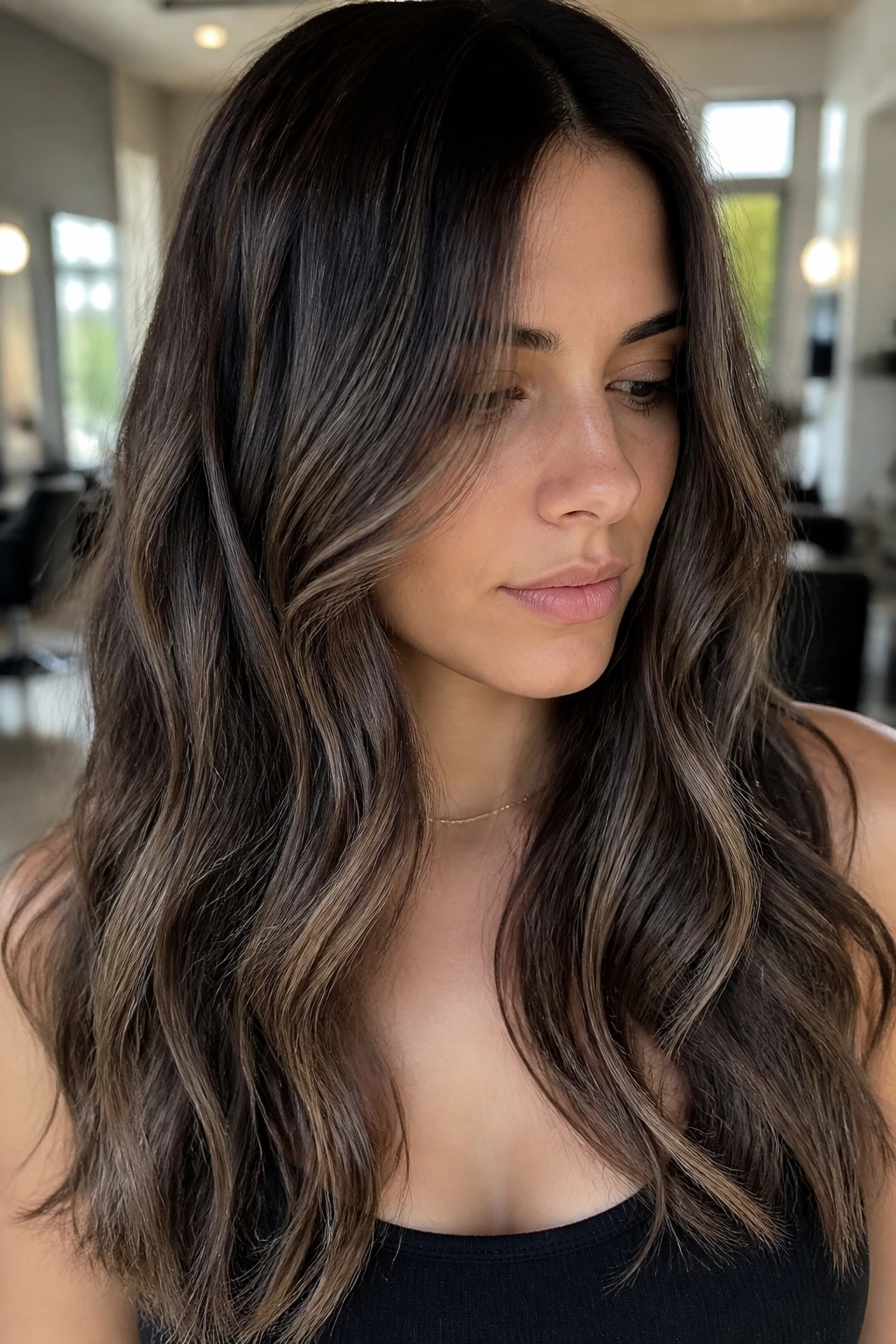
Lowlights do something highlights can’t: they give light pieces somewhere to rest. On brunette hair that feels over-lightened or too one-note, ash brown lowlights bring the depth back. They’re especially useful if your hair has been highlighted before and the color is starting to blur.
Why They Fix Flat Brown Hair
A lot of people think they need more blonde when the hair feels dull. Often, they need more contrast instead. Darker strands placed between lighter ones make the highlights look brighter by comparison, which is a much smarter move than piling on more lightener.
Ash brown lowlights are also a good answer for brunettes who lean cool. They add shadow without warmth, which keeps the whole head from drifting gold. On straight hair, the effect is sleek. On textured hair, it helps define the pattern.
Best paired with: beige highlights, mushroom tones, or smoky brunette glosses.
Less ideal with: very warm caramel hair, unless you want a mixed-tone look.
A lot of salons skip lowlights when clients ask for dimension, and I think that’s a mistake. Brown hair often needs darkness put back in before it needs more brightness.
10. Honey Balayage on Medium Brunette Hair
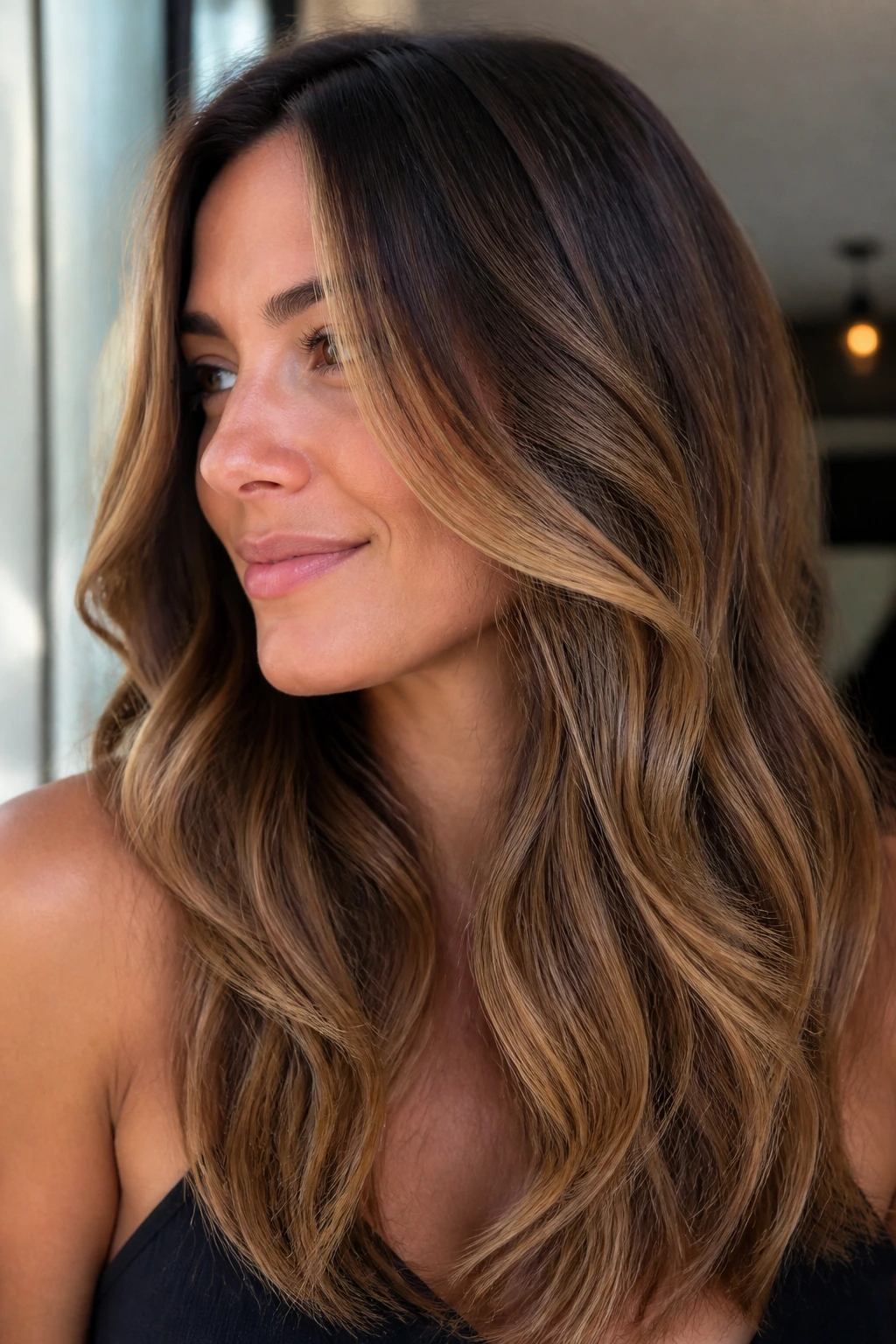
Honey balayage is one of those looks that sounds simple and can go wrong fast. On medium brunette hair, though, it’s hard to beat when the tone is right. The honey pieces catch light in a soft, golden way, and the brunette underneath keeps the color from drifting into full blonde.
The trick is restraint. Honey should feel warm and bright, not yellow. If the lightened strands are too pale, the whole look loses that brown-to-gold richness that makes it interesting. A good honey brunette usually has more depth near the root and more brightness around the face and ends.
I like this color on hair with movement. Layers, waves, soft bends — all of that helps the honey show up in flashes instead of one flat wash. On a one-length cut, the effect can feel heavier because the color sits in a more solid block.
A gloss can make or break it. Honey tones need shine to stay creamy. Without that, the color starts looking dry, which is not a flattering word for hair and never has been.
11. Underpainting for a Soft Glow
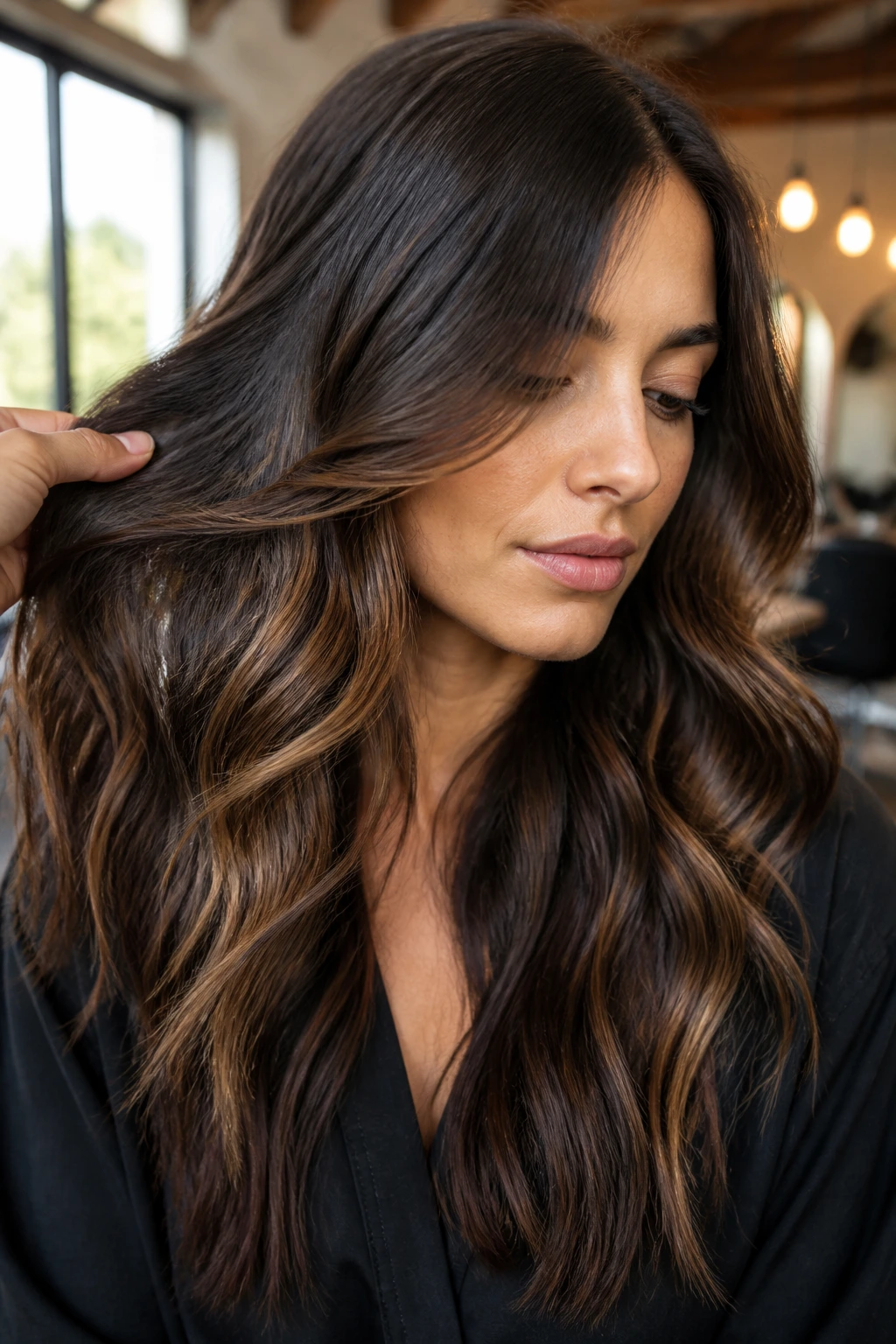
Underpainting is the quiet achiever of brunette highlights. The lighter pieces live underneath the top layer of hair, so they peek through when you move, bend, or tuck your hair behind your ear. It’s a softer kind of dimension, and honestly, it’s one of my favorites for clients who hate obvious streaks.
How Underpainting Changes the Whole Look
Instead of light sitting on the surface, it sits just below it. That means the brunette still looks rich from the outside, but the color wakes up when the hair swings. You notice it in waves first. Then in sunlight. Then in a mirror when you catch your own reflection and realize the hair has more depth than you thought.
This method works beautifully on longer hair, because there’s enough length for the hidden pieces to show through the top layer. It also helps when you want to refresh brown hair without making the crown look busy.
- Great for clients who want soft movement, not obvious contrast
- Works well with balayage or fine foils
- Can be paired with a shadow root for easier grow-out
- Best when the top layer stays close to the natural base
Underpainting is one of those techniques people underestimate until they see it on real hair. Then they get it immediately.
12. Smoky Brunette with Taupe Ends
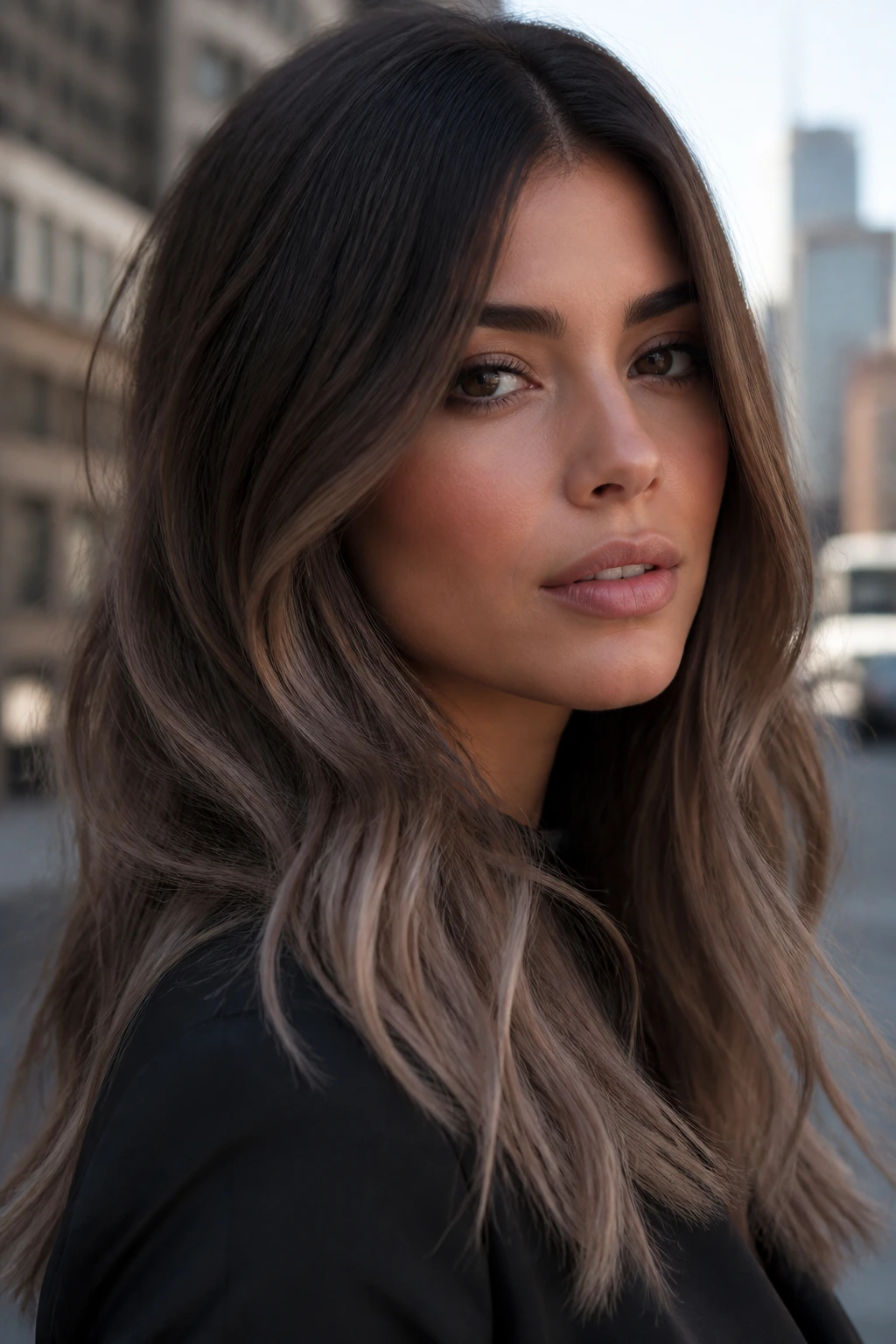
Taupe ends give brunette hair a cool, hazy finish that feels modern without being sharp. The look is smoky brown at the root, lighter and cooler through the lower half, and slightly muted all over. No brass. No candy tones. Just a soft, dusty fade.
The reason this works is simple: ends tend to show damage and old color first, so putting a taupe tone there can clean up the whole silhouette. It hides a little of the dryness, too, because the muted tone doesn’t reflect light in the harsh way very pale blonde does.
This is a good choice if your wardrobe leans gray, black, cream, navy — the colors that make cool brunette hair pop. It also looks excellent on straight, blunt styles where the ends are visible and the color has room to read.
How to Wear It Well
Keep the root deeper. The look falls apart if the top gets too light.
Ask for a soft beige-taupe toner rather than a yellow blonde finish.
Trim dry ends before coloring. Seriously. Taupe will not rescue frayed hair.
13. Ribbon Highlights Through the Mid-Lengths
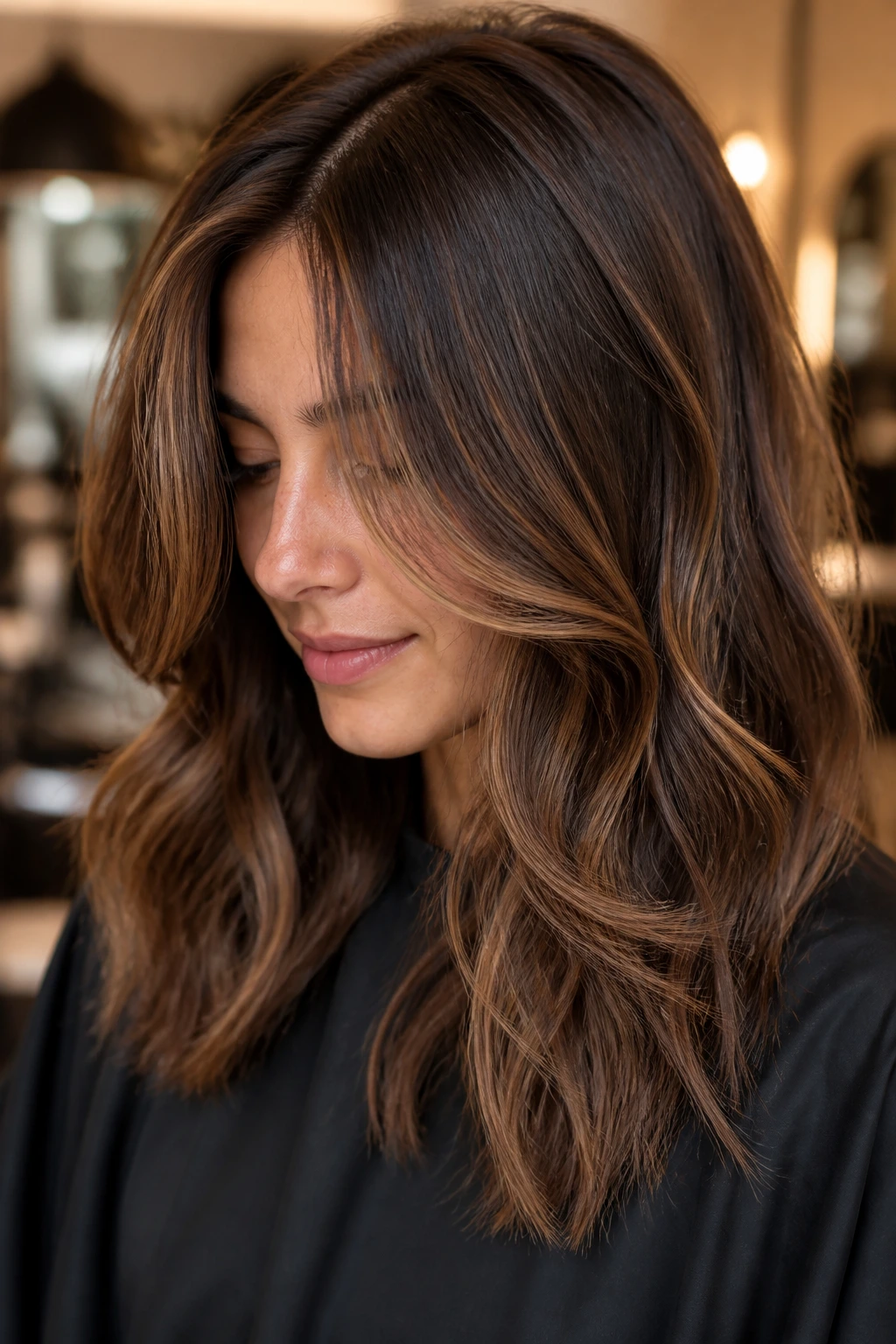
Most people focus on the top layer and the front. That’s fine, but it can leave the middle of the hair dead. Ribbon highlights through the mid-lengths fix that by placing visible color through the center section of the hair, where movement lives but the eye doesn’t always go first.
This placement is especially good on layered cuts. The ribbons show when the layers separate, which creates that easy, woven look people love in salon photos. On thick hair, it stops the color from feeling top-heavy. On medium hair, it adds body without a lot of maintenance.
What Makes It Different
- The highlights don’t all live at the surface
- The color shows most when the hair moves
- It works well on blowouts, waves, and loose bends
- It keeps the top from looking overprocessed
You can think of this as “hidden brightness” for brunettes. Not secret. Just smarter than putting all the light near the part line and calling it a day.
A mid-length ribbon pattern also grows out well, because the roots stay darker and the contrast is spread through the body of the hair. That makes it one of the more practical dimensional highlight choices on this list.
14. Rooted Blonde Pieces for High Contrast
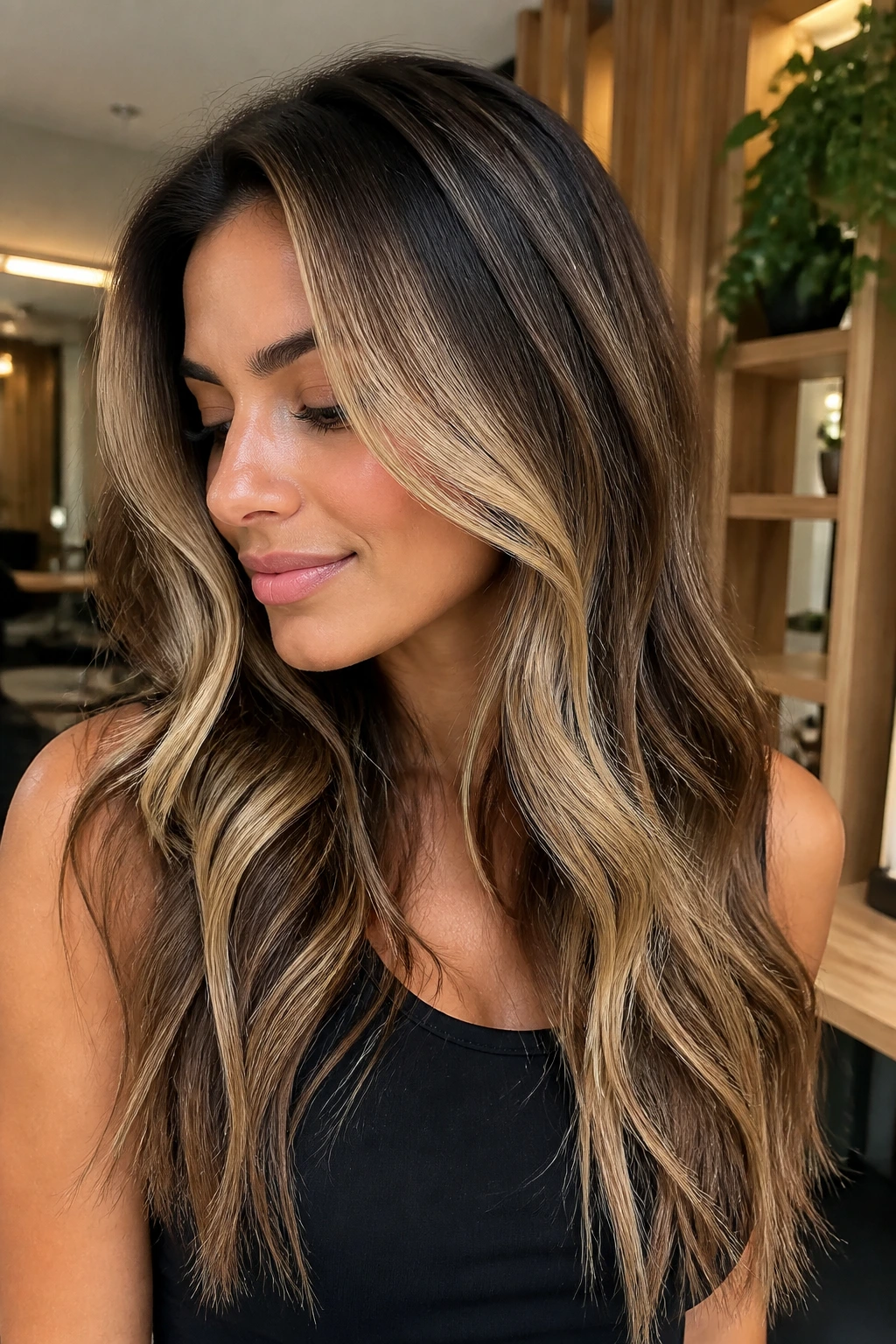
Can brunette hair wear blonde without looking harsh? Yes, if the blonde is placed like it belongs there. Rooted blonde pieces give you a stronger contrast, but the dark root keeps the color connected to the base instead of floating above it.
The important part is the root. A little shadow at the scalp makes the lighter pieces feel intentional, not accidental. That’s what saves the style from looking like a hard grow-out two weeks later.
This is best for people who actually like contrast. Not “I want a little brightness.” I mean contrast. If you want the hair to read noticeably lighter in the front and through the ends, this is the lane. It pairs well with shaggy cuts, long layers, and hair that gets worn in waves more often than not.
A rooted blonde look needs maintenance, but not as much as a solid blonde because the dark base is doing some of the blending work for you. That’s the upside. The downside is that the blonde must be toned carefully or it will look detached from the brunette. There’s no way around that.
15. Auburn Touches for Rich Dimension
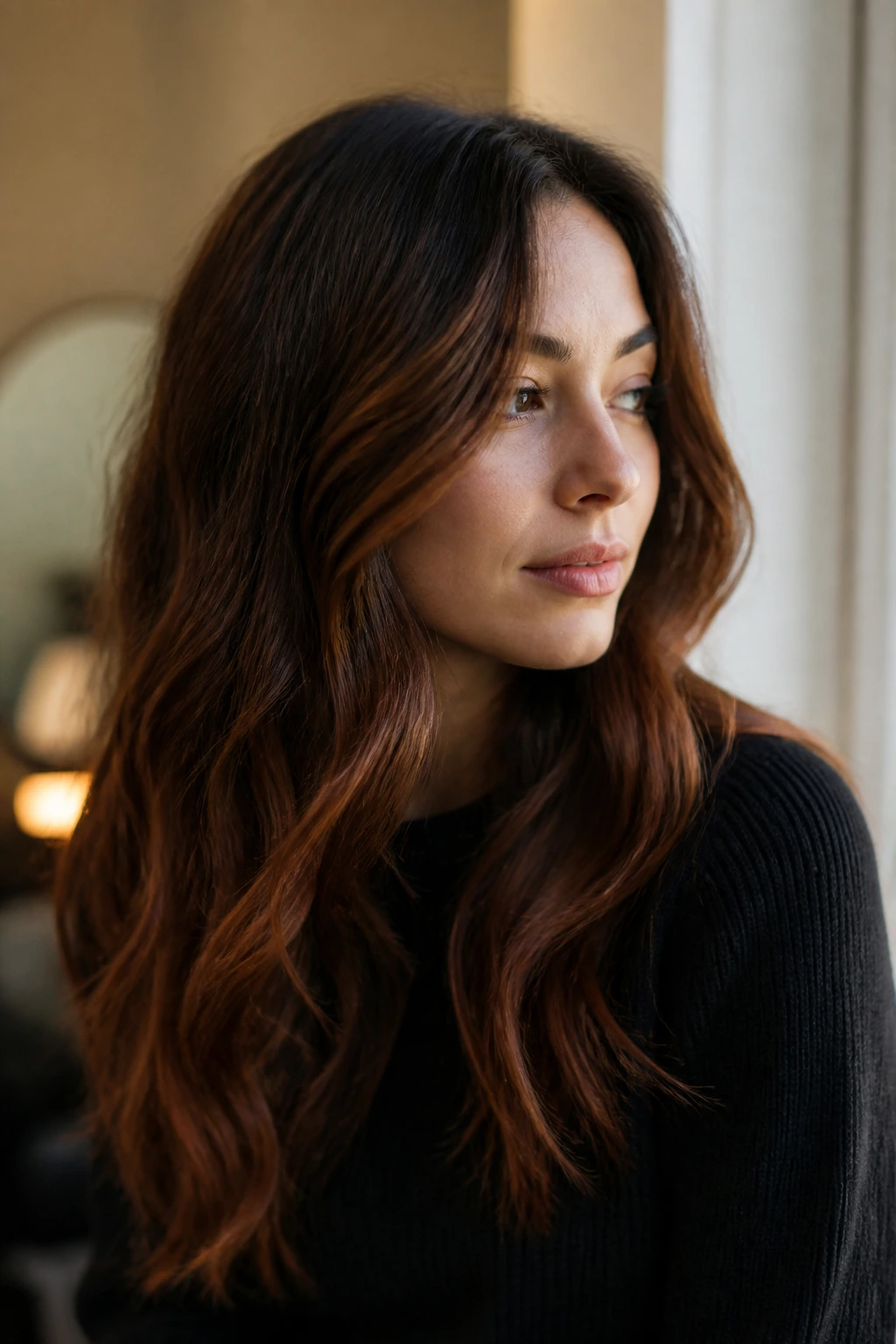
Auburn is one of those shades that can make brown hair look like it has a secret. Not red, not brown, not quite copper. Just enough red to wake the brunette up. On the right base, auburn touches add warmth, depth, and a little bit of drama without pushing the hair into full red territory.
When Auburn Works Best
Auburn is excellent if your natural base already has warmth. It can also help if your brunette tends to look flat in low light. The red undertone catches light differently from gold or beige, so the hair gains movement even when the color placement is minimal.
- Best for warm skin tones
- Lovely on chestnut, mahogany, and medium brown bases
- Works well as fine pieces or a glaze over highlighted hair
- Needs a color-safe shampoo to keep the red from fading fast
The biggest mistake with auburn is going too bright. Then the hair starts looking copper instead of brown. Keep it deep and rich, and it feels expensive. Keep it too light, and the whole thing can get loud fast.
Auburn also ages well on hair with natural texture. The warm undertone keeps curls and bends from looking washed out.
16. Contour Highlights Around the Hairline and Crown
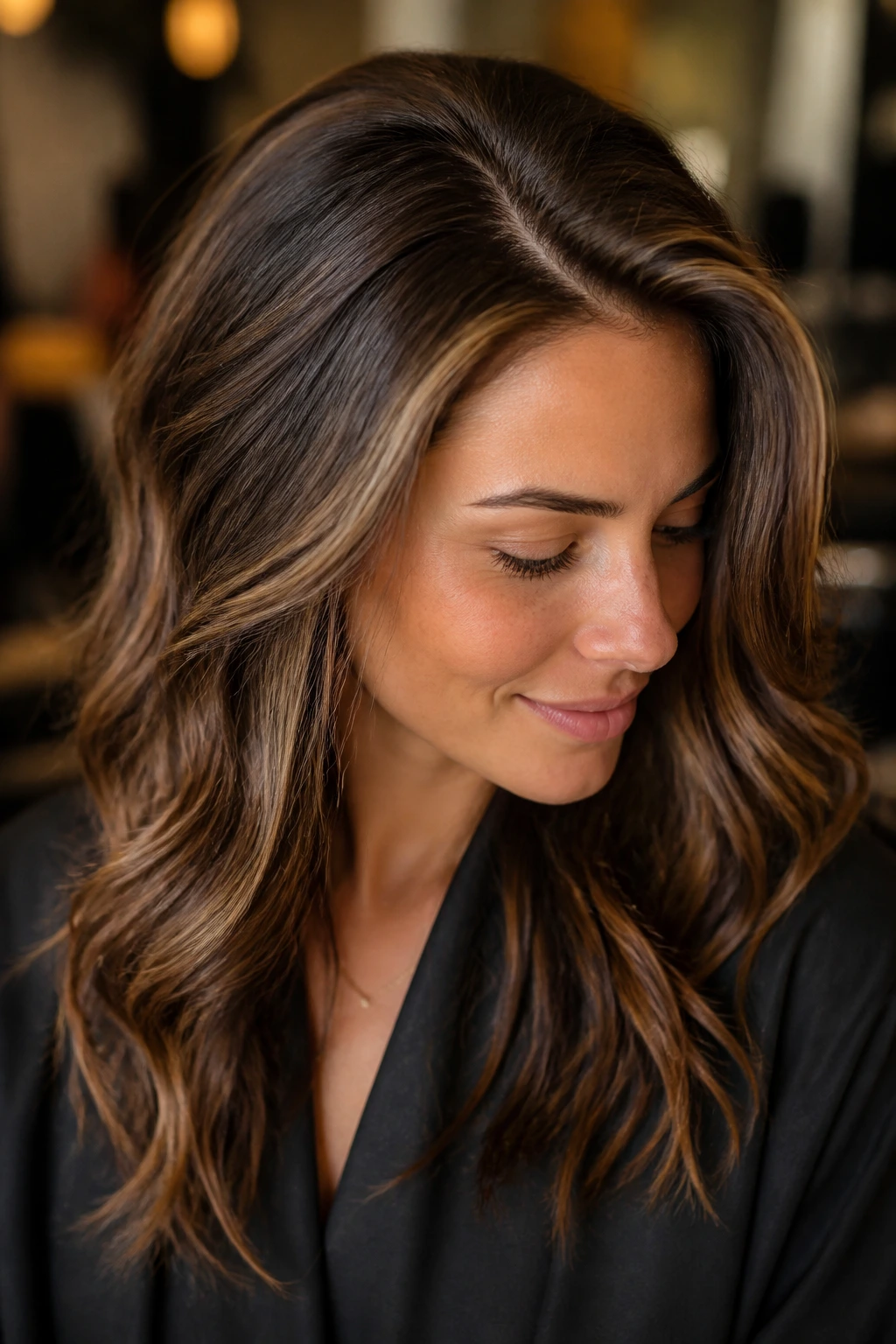
The best color placement is sometimes the most boring to explain and the most flattering to wear. Contour highlights around the hairline and crown lift the face, soften the part, and make the top layer look fuller without changing the whole head.
I like this look because it does one job well. It brightens where people look first. The crown pieces add movement when hair is pushed back or tucked behind the ear, and the hairline pieces keep brunette hair from feeling heavy around the face. That’s a small thing until you try it, and then it’s suddenly the only thing you want.
Why It Feels So Natural
The highlights follow the shape of the head, almost the way makeup contour does. Light near the forehead and temples opens the face. Slightly lighter pieces on the crown make the top layer lift visually, which is a huge help if your hair is fine or flat at the roots.
This isn’t a full color overhaul. It’s strategic. And that matters when you want movement but not a big maintenance schedule.
A few well-placed contour pieces can do more for brunette hair than a full set of foils. That sounds dramatic, but I’ve seen it hold up over and over again.
17. Glossed-In Dimension for Shiny Brown Hair
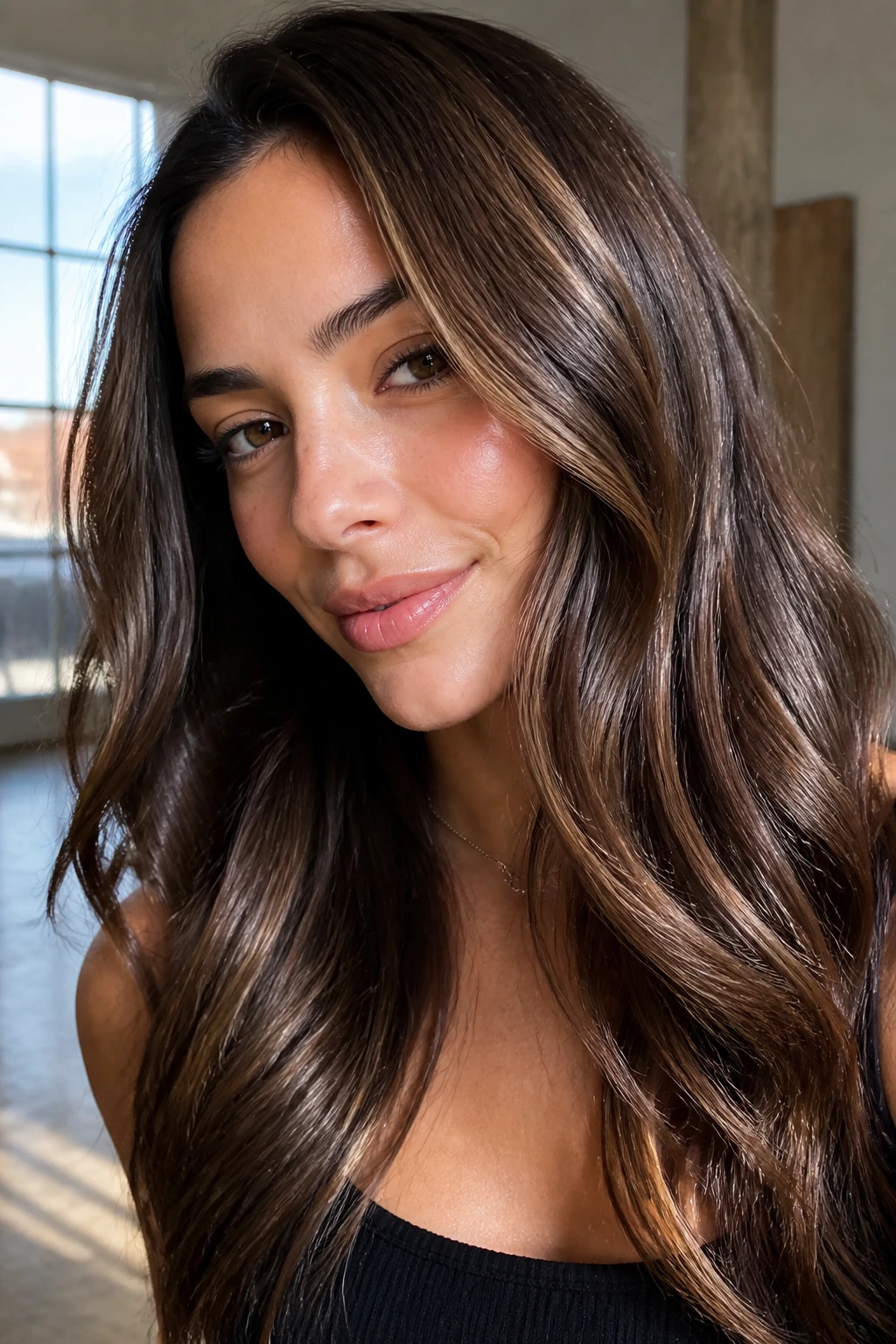
Color without shine can feel unfinished. Glossed-in dimension fixes that by sealing the lighter and darker tones together so the brunette reflects light in a smoother, richer way. It’s not just about making hair look shiny, though that’s part of it. It’s about making the different tones read as one color family.
What the Gloss Actually Does
A gloss can tweak warmth, coolness, and depth all at once. If the highlights are a little too gold, a beige gloss tones them down. If the brunette base looks dull, a clear or soft brown gloss brings back sheen. On brown hair, that extra shine matters more than people think because the color depends on reflection as much as pigment.
This is the section I’d insist on if you’ve just had highlights done and the result looks a little scattered. The gloss pulls the pieces together. It also smooths the finish, which makes waves and blowouts look cleaner.
- Use a gloss every 4 to 8 weeks
- Ask for a tone that matches your undertone, not a random warm brown
- Great after balayage, babylights, or face-framing pieces
- Helps old highlights stop looking dusty
A brunette with gloss looks healthier even when the cut is ordinary. That’s not magic. Just light hitting the hair in a better way.
18. The Soft Grow-Out Highlight Map
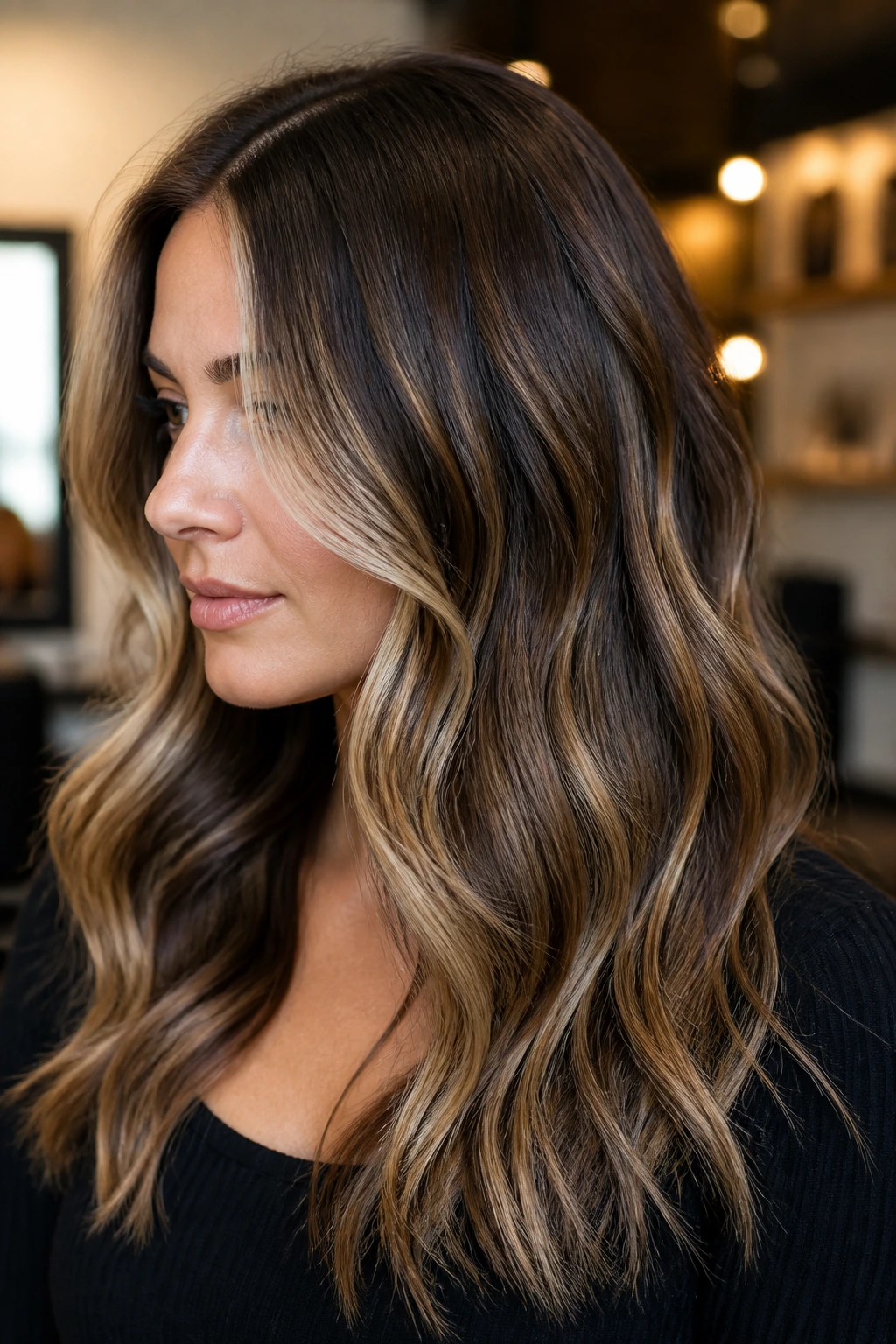
Maintenance is where a lot of pretty color ideas fall apart. A gorgeous brunette highlight that needs rescue every four weeks is not a win for most people. That’s why I like a soft grow-out highlight map — a placement plan that keeps the front bright, the mids textured, and the root believable for longer.
This is less about one shade and more about where the color lives. Keep the lightest pieces around the face, scatter medium ribbons through the top and mid-lengths, and let the root stay one to two levels deeper. The result is dimension that holds its shape even when the salon visit is far behind you.
How to Ask for It
Tell your colorist you want brunette dimension with soft root visibility, not an all-over blonde effect. Save reference photos that show the side view, not just the front. That matters because a good grow-out looks different from every angle.
A low-maintenance brunette highlight plan usually includes:
- A darker root shadow
- Brightness concentrated near the face
- Mid-length ribbons for movement
- Toner or gloss appointments instead of full re-lightening
This is probably the smartest choice if you want brown hair that looks expensive on purpose and still behaves like normal hair between appointments. It’s not flashy. It is practical. And that’s why it lasts.
