



Dark root hair colors for blonde hair solve one of the most annoying parts of being blonde: the grow-out line that shows up like clockwork and makes the whole head look unfinished. A good dark root softens that line, adds depth at the scalp, and makes the blonde length read brighter without screaming for attention. A bad one looks striped, muddy, or like somebody forgot to tone the top half.
A lot of people lump all dark roots together, but they’re not the same at all. Espresso, chestnut, mushroom brown, smoky taupe, cocoa, walnut, and soft black all play differently against blonde hair. Some make platinum look sharper. Some make warm honey blonde feel richer. Some live in that sweet spot where the root is obvious enough to add contrast, but blended enough that it grows out in a clean, lazy way.
That balance is the whole point. A soft shadow root can buy you weeks of easier maintenance. A deeper root can cool down brassiness. A warmer root can make a pale blonde feel more natural and expensive. And if you’ve ever looked at a harsh skunk stripe and thought, not for me, there’s plenty here that stays far away from that.
The trick is choosing the right shade depth, the right undertone, and the right amount of blur between root and blonde. Some looks are polished and obvious. Others are smoky and nearly seamless. The difference is bigger than people expect, which is why the right dark root can change the whole mood of blonde hair without touching the length much at all.
1. Espresso Root Melt
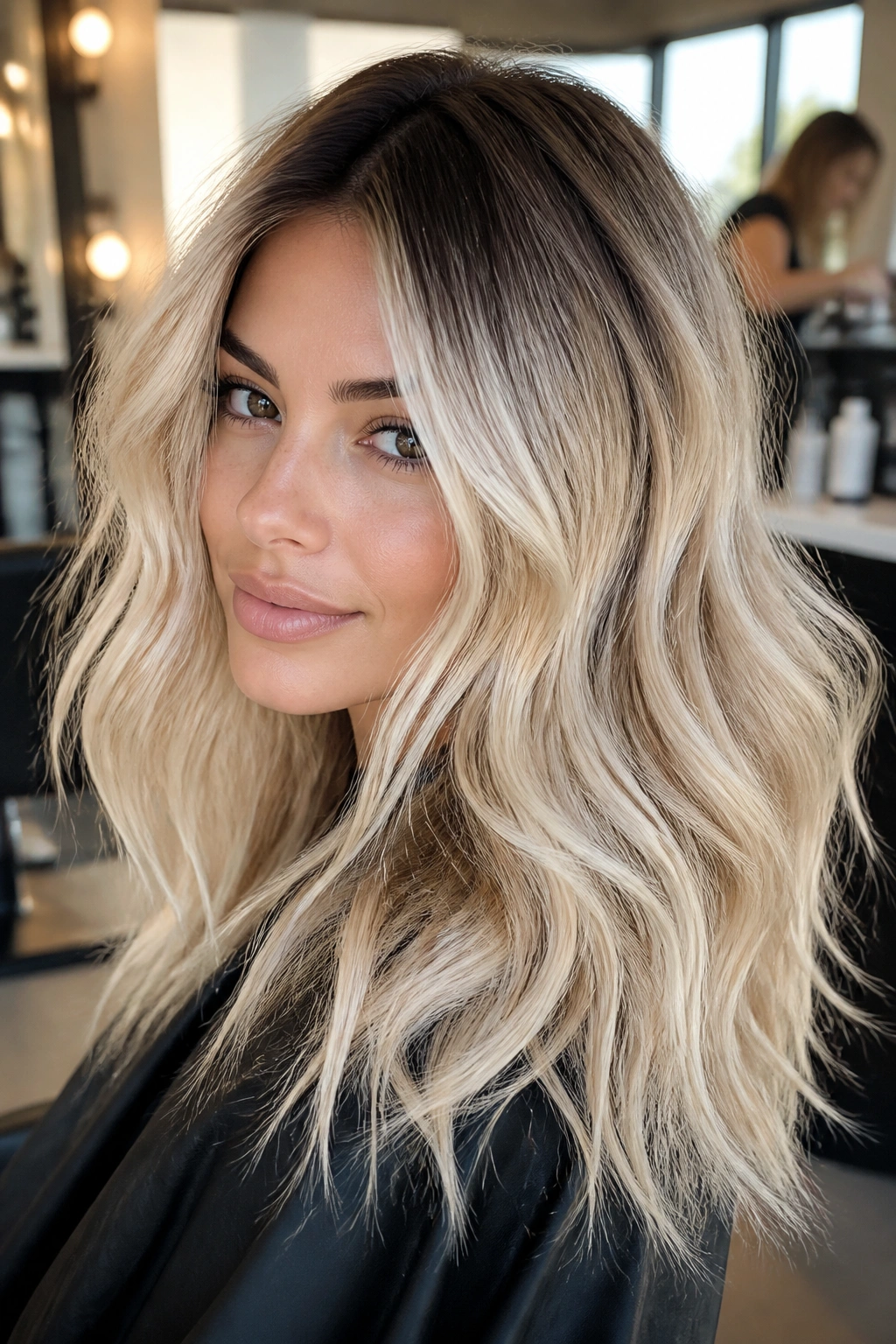
Espresso roots on blonde hair are the boldest version of the shadow-root idea, and I mean that in a good way. The contrast is crisp, rich, and deliberate, especially when the blonde lengths are pale beige, champagne, or icy vanilla. A level 3 or 4 espresso root gives the whole style a stronger frame, which makes the blonde look brighter without needing more lightener.
Why It Works So Well
The magic here is contrast control. If the root is deep enough, your eye sees the blonde as lighter than it really is. That’s useful if your ends are already bright but need more visual pop. It also makes the grow-out look intentional for longer, because the new growth doesn’t clash as hard with the top.
Ask for a soft melt, not a hard line. The root should fade down a little around the temple and crown, not stop dead at the part. If you want a polished result, keep the blonde in the mid-lengths and ends cool enough to match the root’s seriousness. Warm honey blonde can work too, but it changes the vibe fast.
Best for: people who want high contrast and a cleaner salon refresh less often.
Watch out for: roots that are too blue-black. They can look flat against blonde hair and eat the dimension.
2. Mushroom Blonde Shadow Root
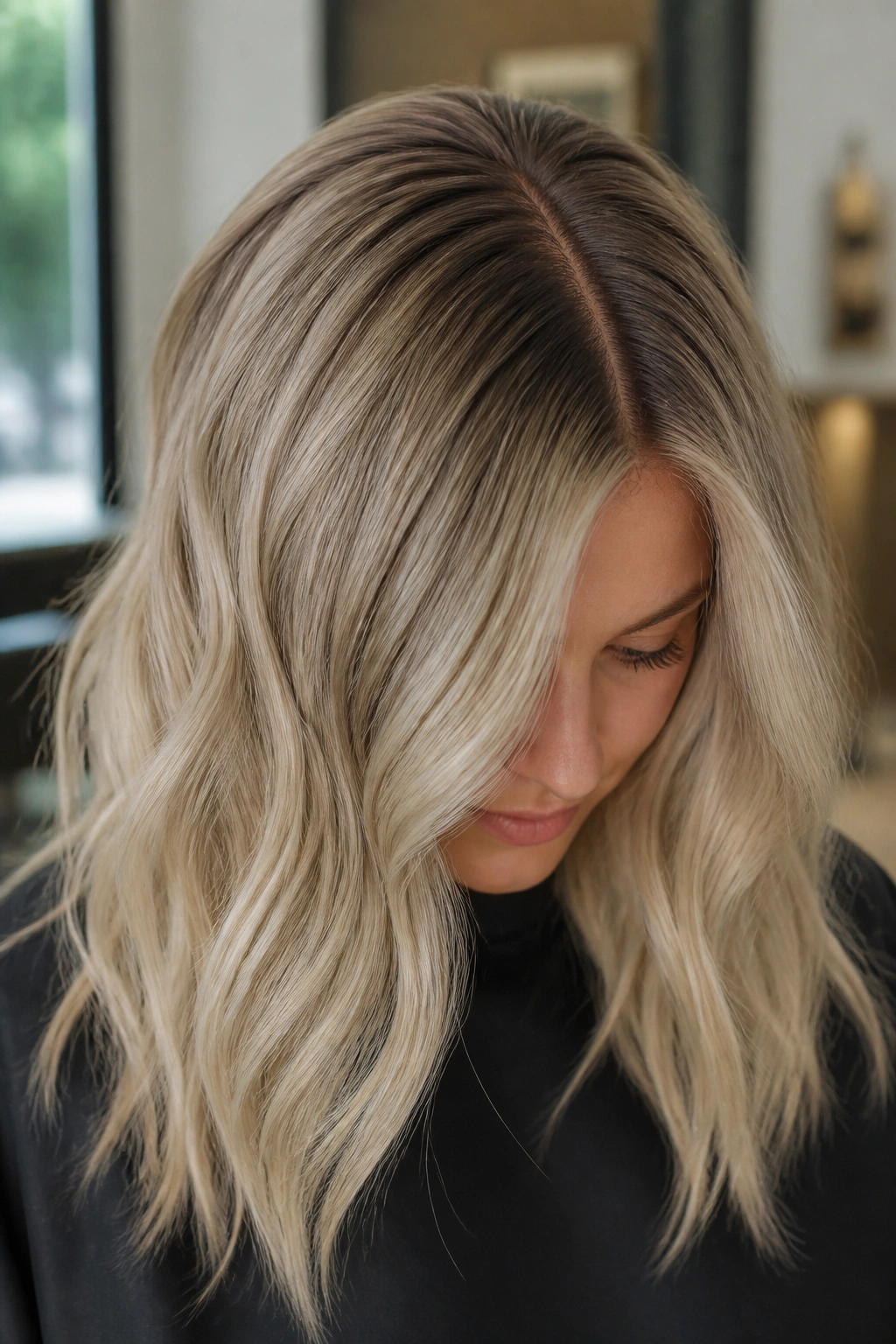
Mushroom blonde is one of those shades people either understand instantly or miss entirely. It sits in the cool beige-brown family, somewhere between ash brown and taupe, and it’s gorgeous on blonde hair when you want depth without harsh darkness. The root feels soft, smoky, and a little bit cool-toned, which makes it ideal for blondes that lean icy, beige, or pearl.
What Makes It Different
Unlike espresso, mushroom blonde doesn’t shout. It whispers. The root is usually a soft level 5 or 6 brown with a muted undertone, and that muted part matters more than the number. If the root has too much red or gold, the whole effect starts to slide warm and loses that cool, hazy finish.
This shade is especially good if your blonde has some natural movement in it already. Fine highlights, balayage ribbons, and face-framing pieces all look more expensive when the base is smoky rather than flat. The root acts like a soft shadow under a white shirt. Nothing loud. Just cleaner.
How to Ask for It
- Ask for a cool beige-brown shadow root
- Keep the root blend within 1 to 2 inches from the scalp
- Pair it with beige blonde or pearl blonde lengths
- Request no orange warmth at the root
It’s one of the easiest dark root hair colors for blonde hair to live with, which is probably why so many stylists keep coming back to it.
3. Chestnut Root Smudge
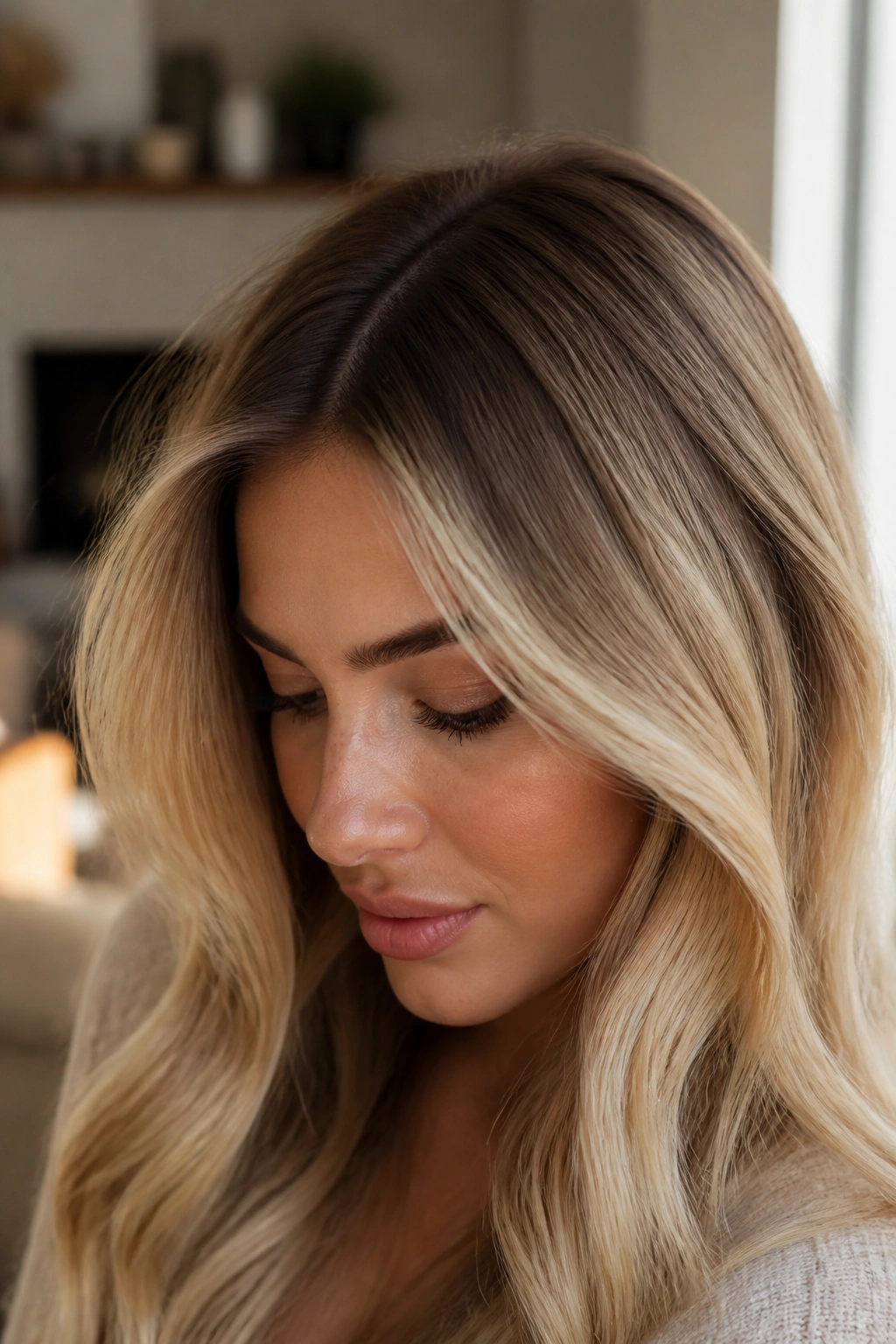
Chestnut roots bring a little warmth back into the picture, and that warmth can be a lifesaver when blonde hair starts looking too icy or a bit washed out. Chestnut sits in that brown family with a soft red-gold undertone, so it gives blonde lengths a richer frame without tipping into copper. On the right person, it looks like natural depth rather than a color service.
The thing I like about chestnut on blonde is that it feels lived-in. Not sloppy. Lived-in. There’s a difference, and it matters. If the blonde is creamy, buttery, or beige, chestnut adds enough warmth at the root to keep the whole head from feeling cold. If the blonde is already golden, the root can help the style feel cohesive instead of streaky.
Quick fit check
- Best for: warm or neutral skin tones
- Best blonde match: honey, beige, butter, and beige-gold blonde
- Maintenance: about every 8 to 10 weeks
- Salon note: keep the root blended; chestnut gets chunky fast if the line is too sharp
Chestnut also grows out in a flattering way. That’s the quiet advantage. A little root showing doesn’t look like neglect; it looks like the plan.
4. Ash Brown Root on Beige Blonde
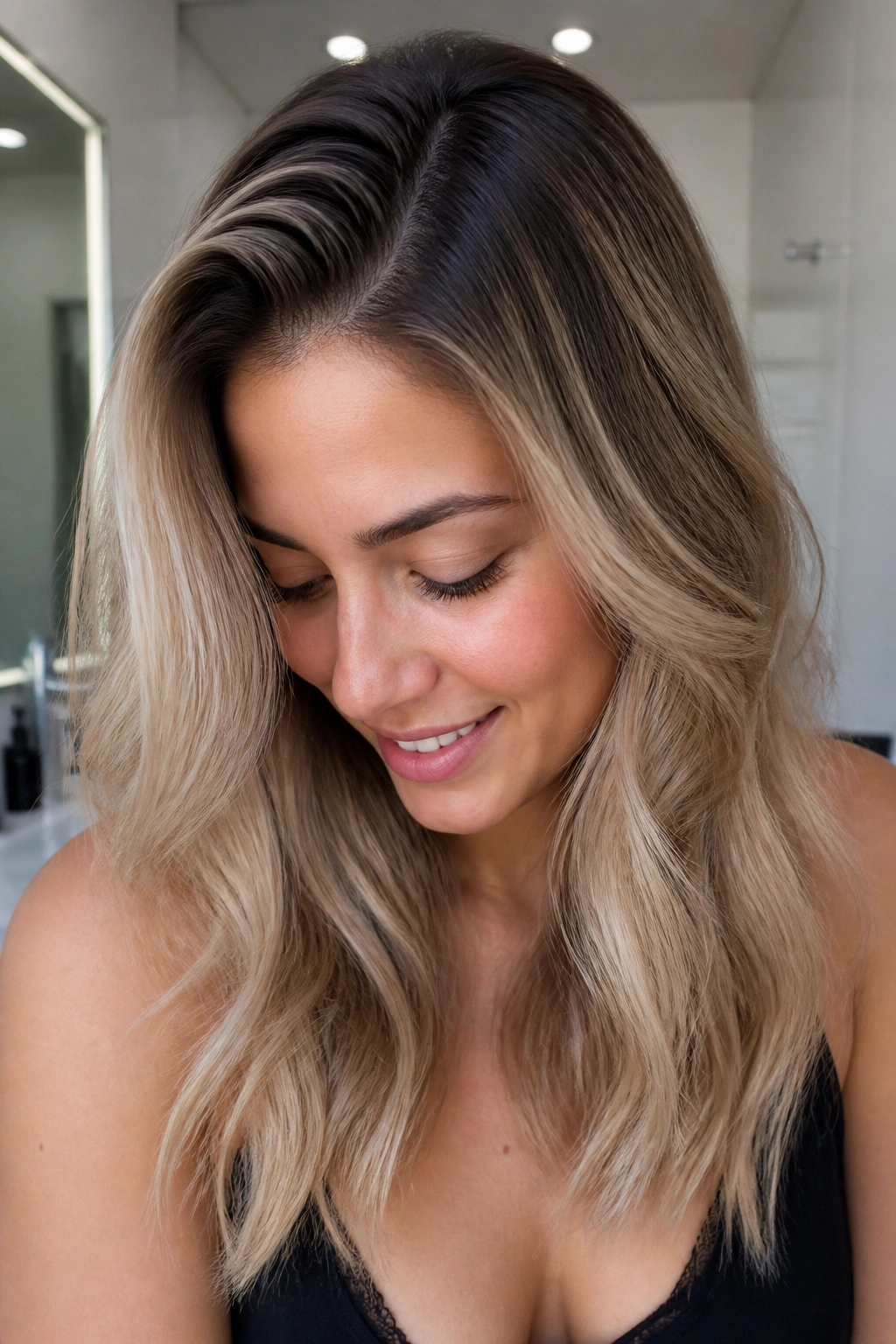
Ash brown roots are for people who hate brass. Straight up. If your blonde tends to drift golden or orange at the ends, an ash brown root can cool the whole look down and make the lengths seem more expensive and crisp. The ash tone is the key here — not green, not dull, just firmly cool.
The Shape of the Look
This version works best when the root is around a level 5 ash brown and the blonde is beige rather than white-blonde. The blend is what keeps it wearable. If the blonde is too pale, an ash root can look stark at first, then muddy after a few washes if the toner fades unevenly. Beige blonde gives it a softer landing.
A lot of people ask for ash and then panic when it looks too gray. That usually means the undertone was too cold or the lengths were too pale for the root depth. The fix is simple: keep the root cool, but not icy, and let the blonde stay creamy enough to balance it.
How I’d wear it
- With loose waves
- With a deep side part
- With a blunt lob that shows off the color line
- With a gloss refresh every 4 to 6 weeks
This is one of the more modern dark root hair colors for blonde hair because it feels clean, not sugary.
5. Caramel Brunette Root
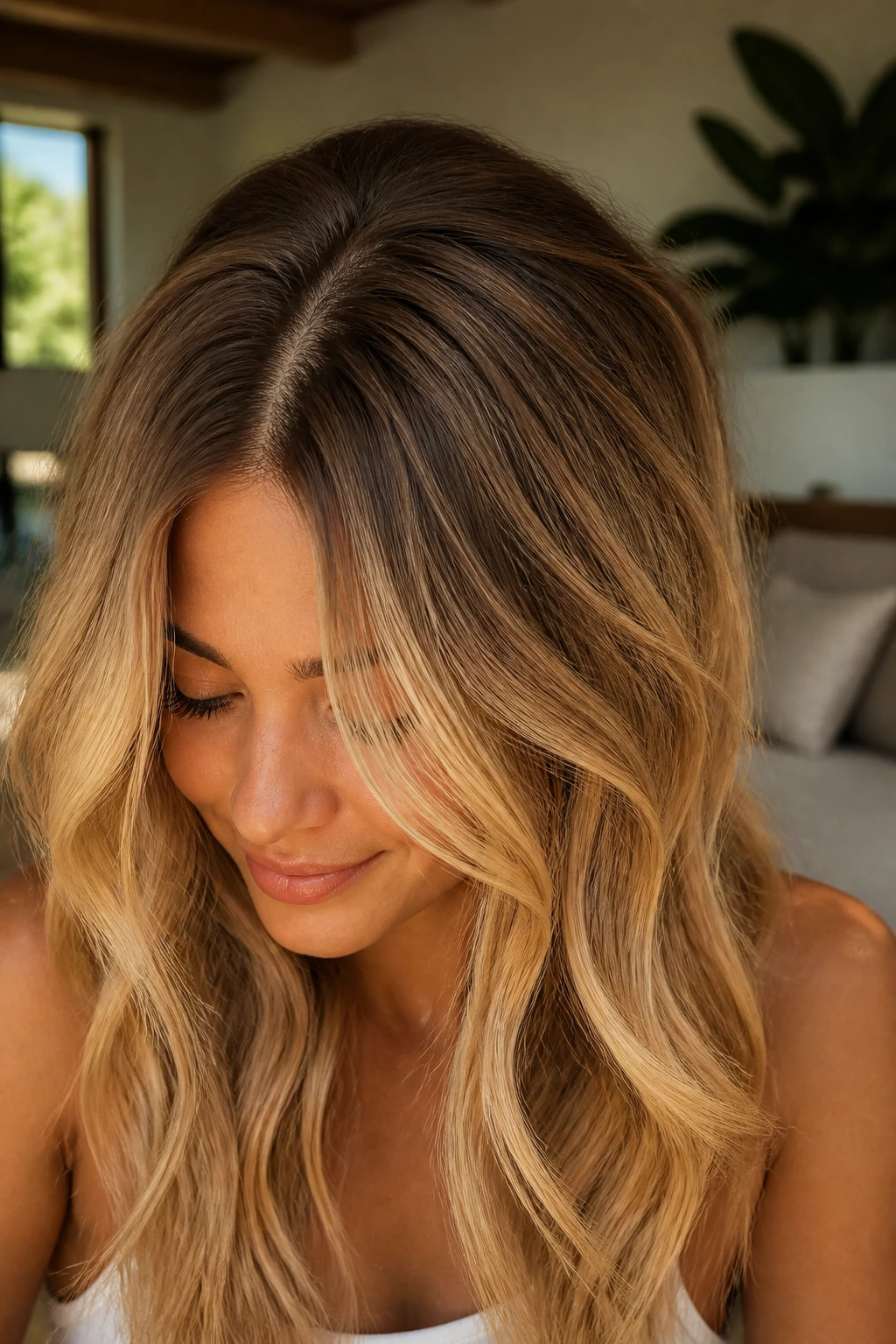
Caramel brunette roots are the friendliest option in the bunch. They sit between blonde and brown in a way that feels soft and approachable, which is why they look so good on people who don’t want a dramatic stripe at the scalp. The caramel note brings warmth, but it doesn’t go full orange. That restraint matters.
A caramel root is a smart move if your blonde lives in the honey, beige, or soft gold family. The warm root makes the blonde feel richer and less washed out, especially if your skin tone likes warmth near the face. It also handles regrowth nicely because the transition is gentle. No shock factor. No hard edge.
What to ask for
Ask your colorist for a warm level 5 brunette root melt with a caramel undertone. If they reach for something too golden, the root can start reading brassy instead of creamy. Too cool, and you lose the whole point of the shade.
Best use case: someone who wants a soft brunette-to-blonde blend and hates obvious maintenance.
Small detail, big payoff. A caramel root looks best when the blonde ends are glossy and a little warm too. Dry, pale ends can make the root look too orange by comparison.
6. Mocha Melt
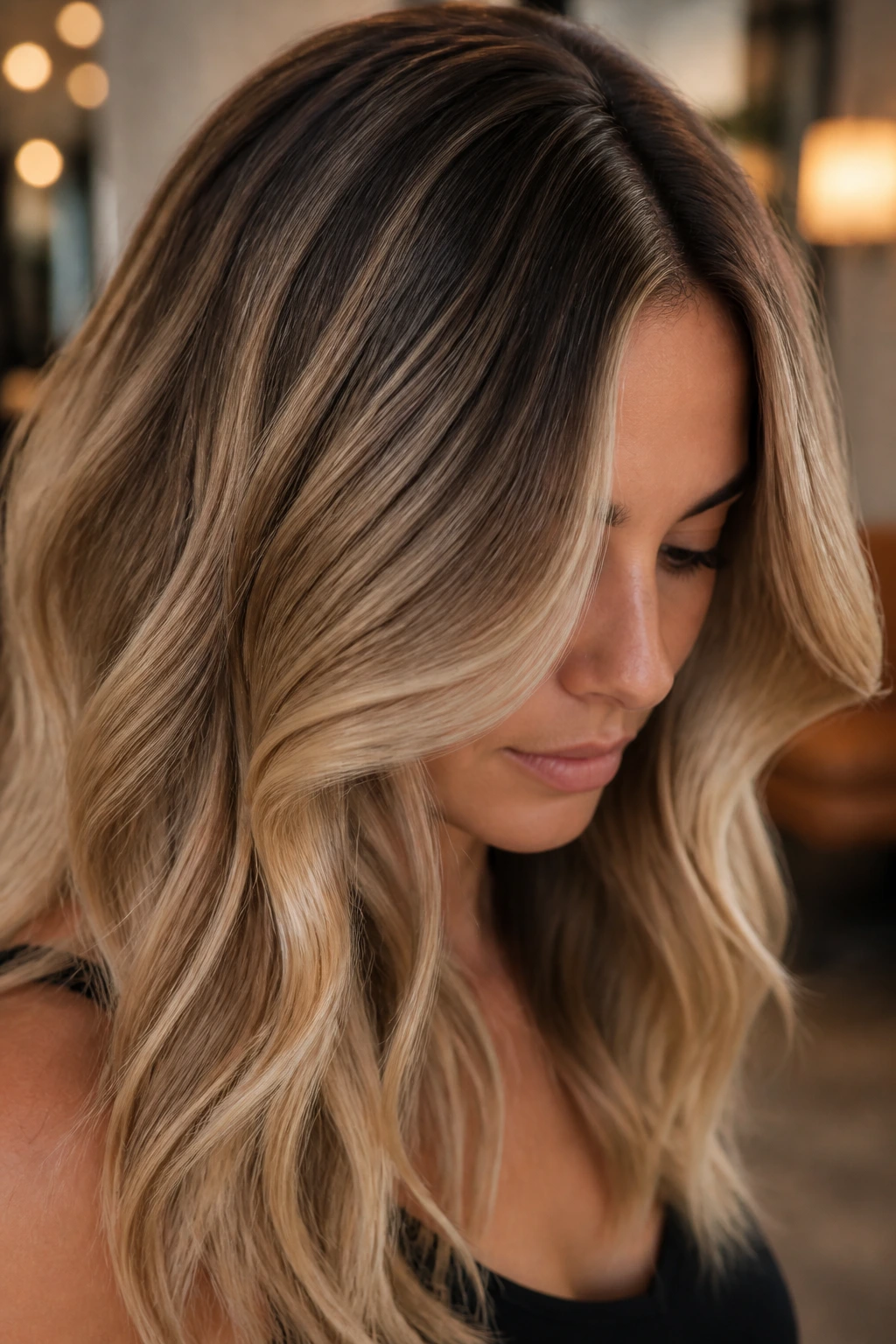
Mocha is darker than caramel and less red than chestnut, which makes it one of the most balanced dark root choices for blonde hair. It gives depth without the heaviness of espresso and without the warmth of chestnut. If you want your blonde to feel grounded but not overpowered, mocha usually lands in a good place.
What I like about mocha roots is how well they play with dimension. Balayage highlights, chunky ribbons, and soft face-framing pieces all stand out more when the base has that cocoa-coffee depth. The blonde doesn’t need to be platinum either. Mocha works beautifully with sandy blonde, beige blonde, and even muted golden blonde if the tone is controlled.
Why it’s such a safe bet
Because mocha sits in the middle, it’s easier to wear across different skin tones. It doesn’t tilt too warm or too cool. That makes it useful when you want a dark root hair color that won’t fight your makeup, your eyebrows, or your wardrobe.
Styling cue
Loose curls show this color best. The twists and bends catch the contrast between root and blonde, and you get a richer look than you do with straight hair. Straight styles can feel flatter if the blend is too subtle.
Mocha is not flashy. That’s the charm.
7. Soft Black Root with Cream Blonde Ends
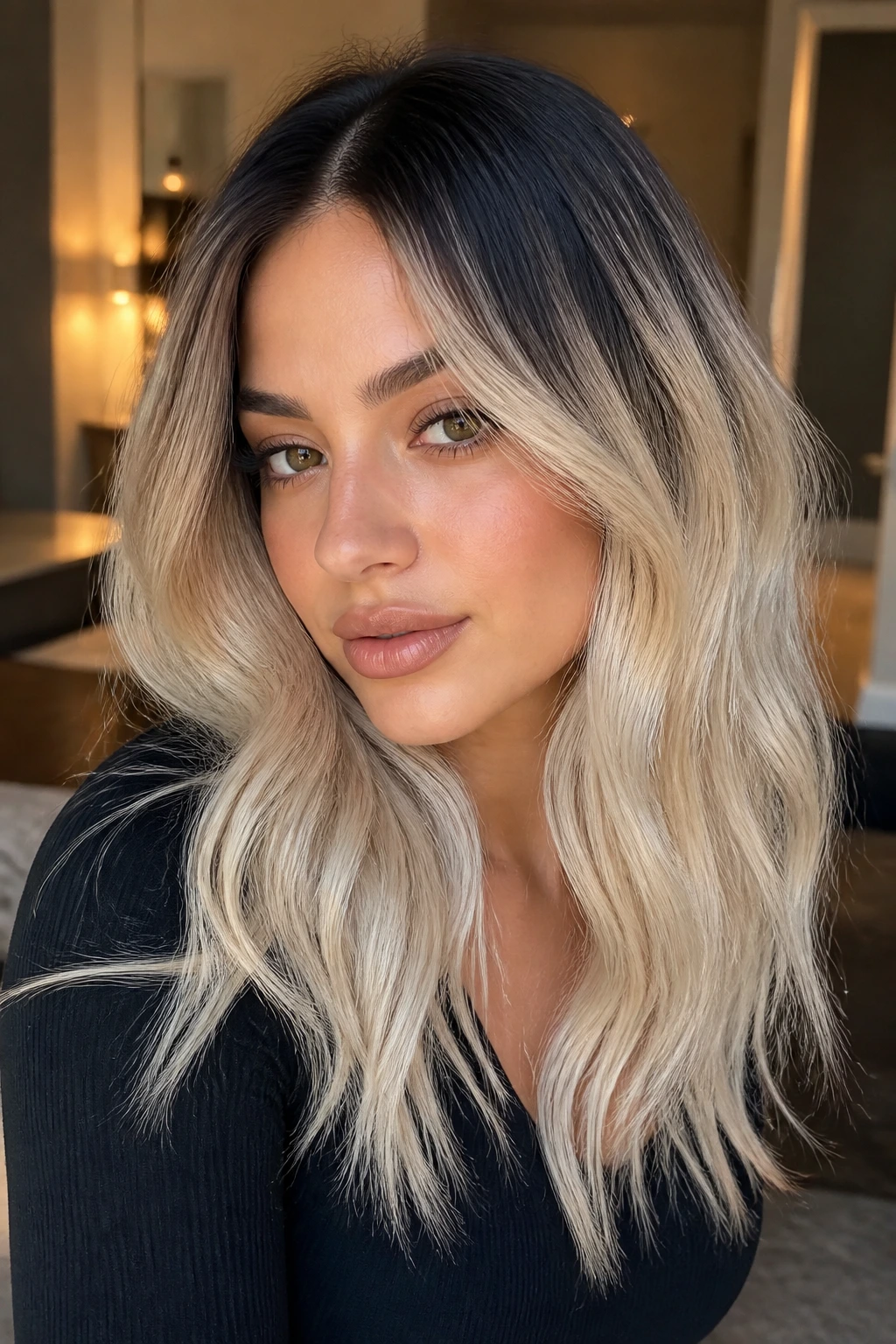
Soft black roots are for people who want impact. Not chaos, impact. There’s a big difference between soft black and blue-black, and I’d push hard for the softer version on blonde hair. Blue-black can feel severe unless the blonde is icy and the cut is razor-sharp. Soft black gives you depth without making the scalp look like a marker line.
This combo works best when the blonde ends are creamy rather than stark white. Cream softens the contrast and keeps the whole look from turning costume-like. The result is dramatic, yes, but also polished. It can look expensive on long hair, especially when the ends are healthy and the finish is glossy.
A few practical notes
- Root shade: soft black, not jet black
- Best blonde finish: cream, ivory, or pale vanilla
- Maintenance: every 6 to 8 weeks if you want the root line clean
- Best on: thick hair and blunt cuts
You need a little courage for this one. But not as much as people think.
8. Walnut Root with Honey Blonde Lengths
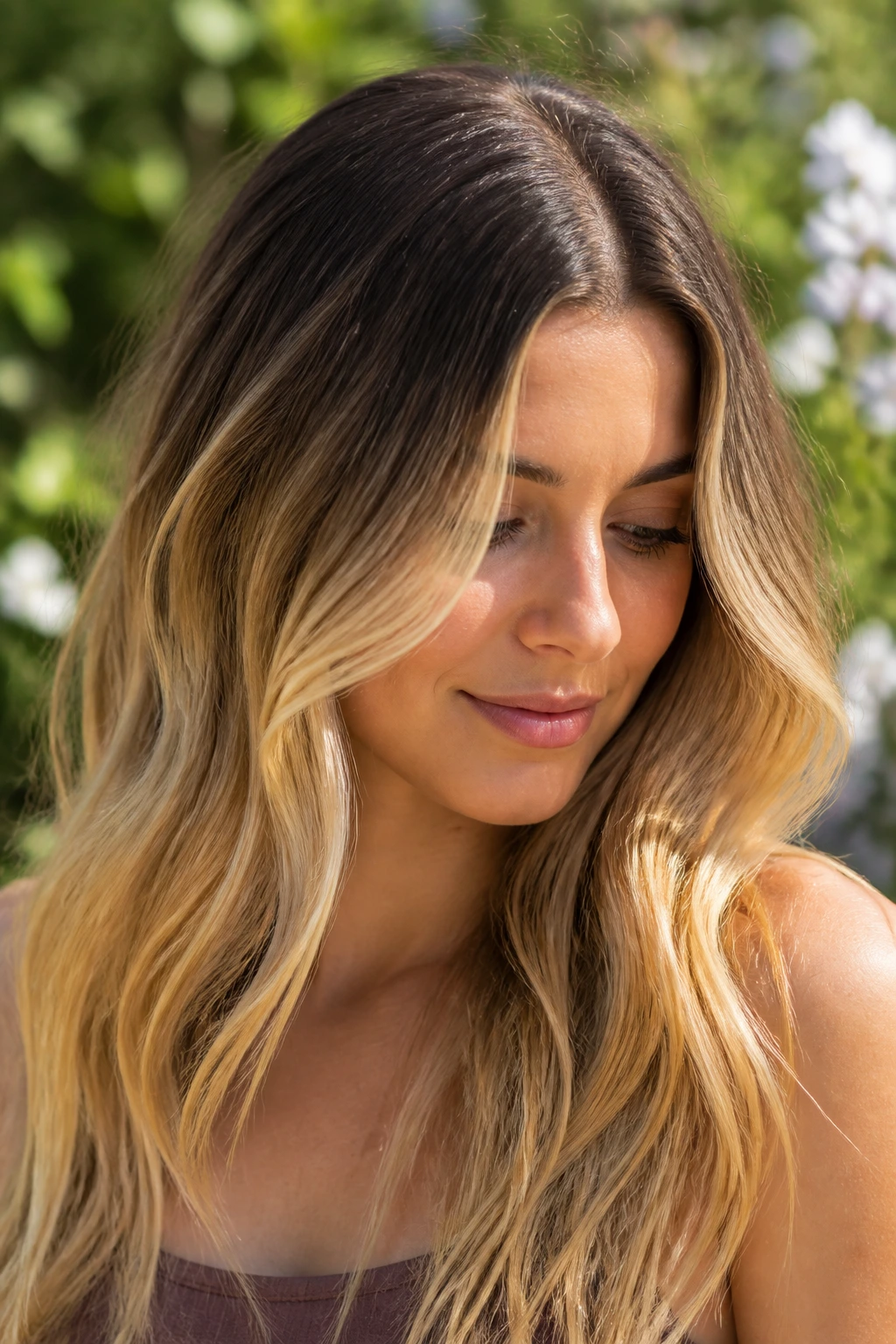
Walnut root is one of the prettiest middle-ground browns because it has depth and warmth without getting red or muddy. On blonde hair, it makes a honey-blonde length feel richer and more dimensional. The overall effect is expensive in a quiet, easy way.
The reason walnut works so well is that it echoes the natural shadow some people already have at the root. It doesn’t fight the blonde; it supports it. Honey lengths then do what honey lengths do best — glow a little, especially near the face and through the ends.
When this shade shines
It’s especially nice if your blonde has a sunlit feel to it. Beachy waves, long layers, and curtain bangs all take to walnut roots well because the root adds enough seriousness to keep the look from feeling too sweet.
If you want a useful rule, keep the walnut root about 2 shades darker than the blonde ends, not 4. That gap usually gives the best blend.
Pro tip: Pair this with a soft gloss every few weeks so the honey stays warm and reflective, not dry and flat.
9. Cocoa Root with Champagne Blonde
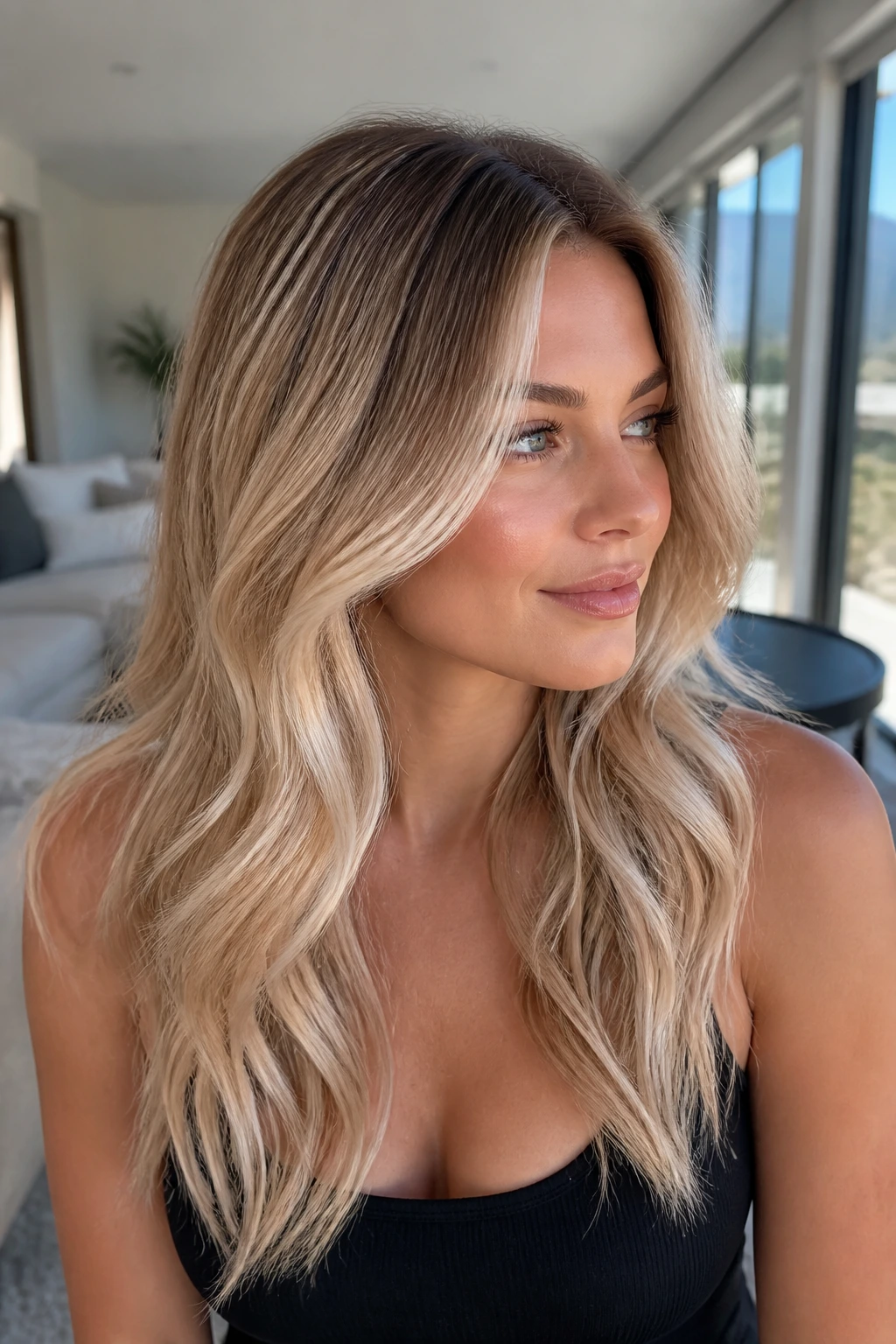
Cocoa roots on champagne blonde hair feel refined without being stiff. Cocoa is darker and a touch cooler than walnut or caramel, and that makes it a strong companion for champagne blonde, which already has a pale, airy quality. The root gives the style weight, while the blonde keeps it bright.
This is one of those shades that can look expensive even when the cut is simple. A shoulder-length lob, a long layered cut, or soft waves all work. The key is keeping the root from turning too reddish. Cocoa should read like dark chocolate milk, not auburn.
What to ask for
Use the phrase cool cocoa root smudge if you’re talking to a colorist. That extra word matters. Without it, some stylists will drift warmer than you want. And once the root turns too warm, champagne blonde can start looking yellow.
Best fit
- Pale blondes that need more dimension
- People who like a little contrast at the scalp
- Anyone tired of high-lift blondes that look too flat
This shade gives the lengths a cleaner frame. It’s subtle at first glance. Then you notice the depth.
10. Taupe Root on Sandy Blonde
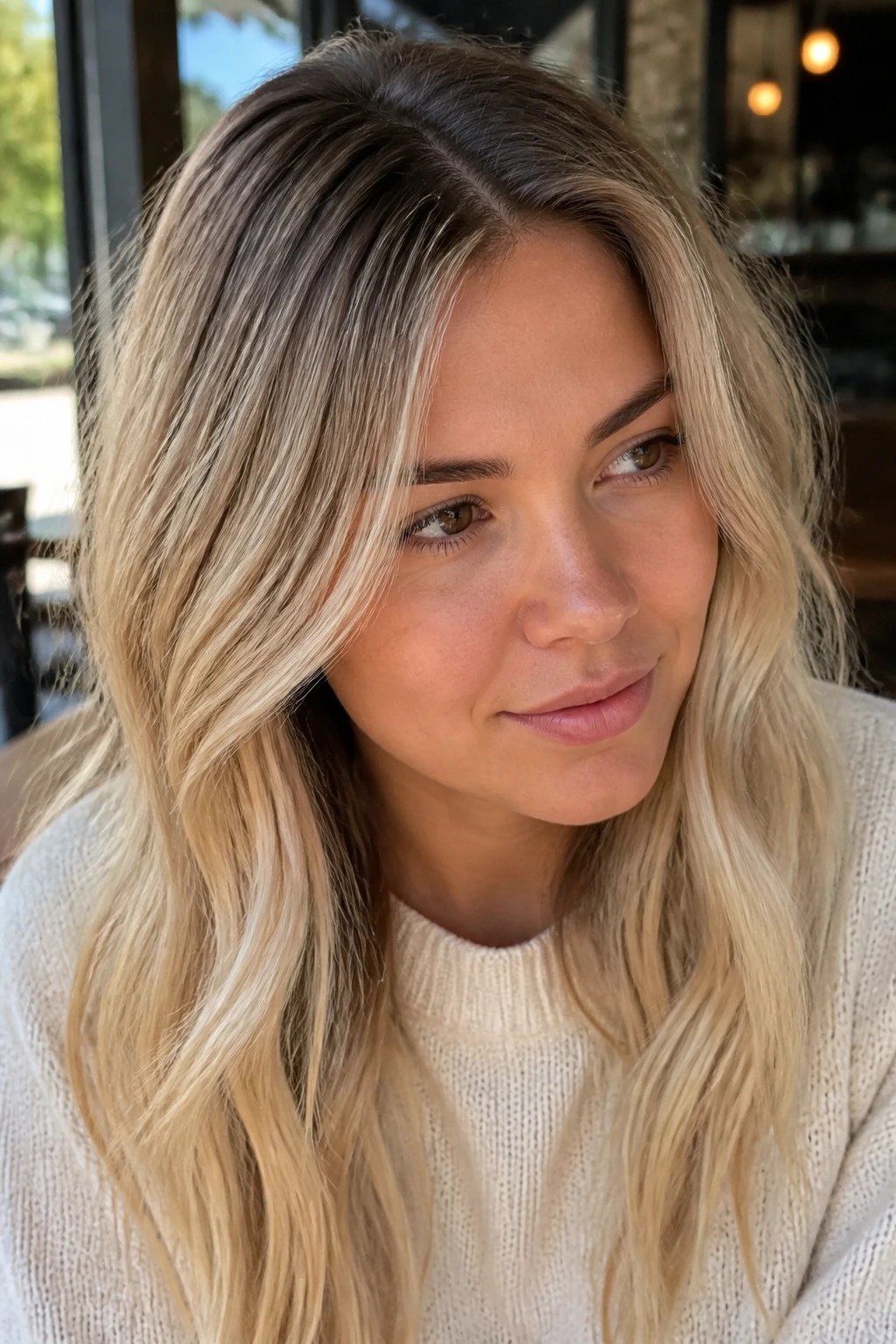
Taupe roots are underrated. A lot of people skip right past taupe because the word sounds soft, and soft doesn’t always read as exciting. But taupe is a smart choice on sandy blonde hair because it holds both gray and brown in the same shade family. That means the root can feel grounded without going muddy or flat.
Sandy blonde is already a bit muted, so a taupe root fits naturally. The result is calm, blended, and low-drama. If you like hair color that doesn’t fight your features, this is one of the better options. It also grows out neatly because the undertone is so forgiving.
The look in practice
Think of taupe as a bridge shade. It connects dark roots to lighter lengths without a hard step. If your blonde is very bright, taupe may be too soft. But on beige or sandy blonde, it’s excellent. It gives a gentle edge to the top without making the scalp look darker than the rest of the style can handle.
A taupe root is also a good answer if you’re moving away from an all-over blonde and want something a bit easier to maintain.
11. Bronde Root Blend
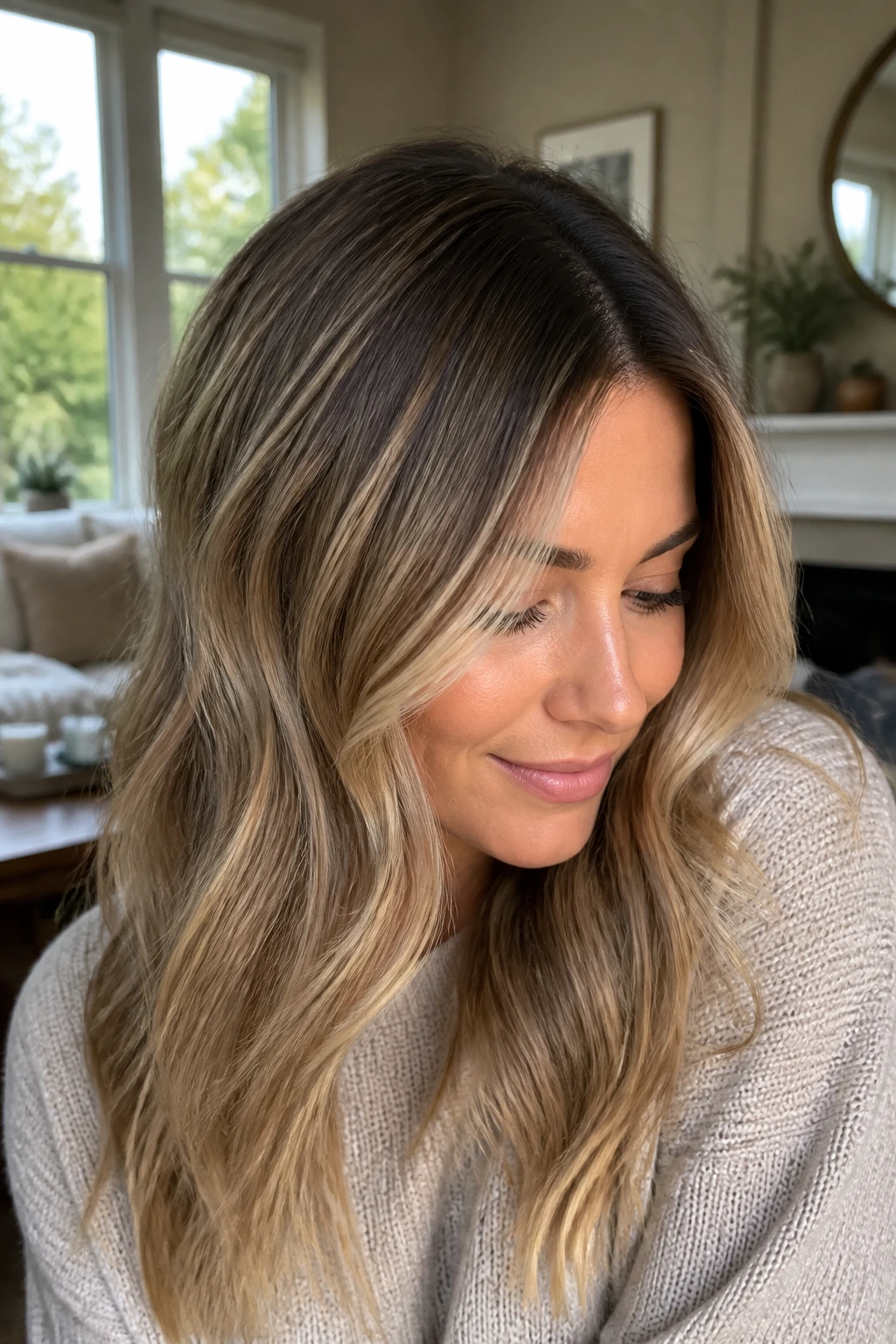
Bronde roots are for people who don’t want the root to look like a separate color at all. Instead of making the top obviously dark, bronde keeps the whole head in a brown-blonde middle zone. The root is deeper, yes, but it’s still part of the blonde story.
That’s why this look is so wearable. The transition is soft enough that you can wear it for a long stretch without feeling like you need a correction every time the hair grows. It suits long layers, waves, and lived-in balayage especially well. Straight hair can show the transition more, which is either a bonus or a problem depending on what you like.
How to keep it from looking flat
The blonde needs enough lightness to break up the root. If everything is too dark, bronde just becomes brown with a few highlights. The contrast should stay visible, just not harsh. A root depth around level 5 or 6 usually works well here.
Best for: people who want blonde with more grounding and less salon upkeep.
Bronde is one of those shades that looks casual in a good way. Like it belongs there.
12. Platinum with Dark Root Stain
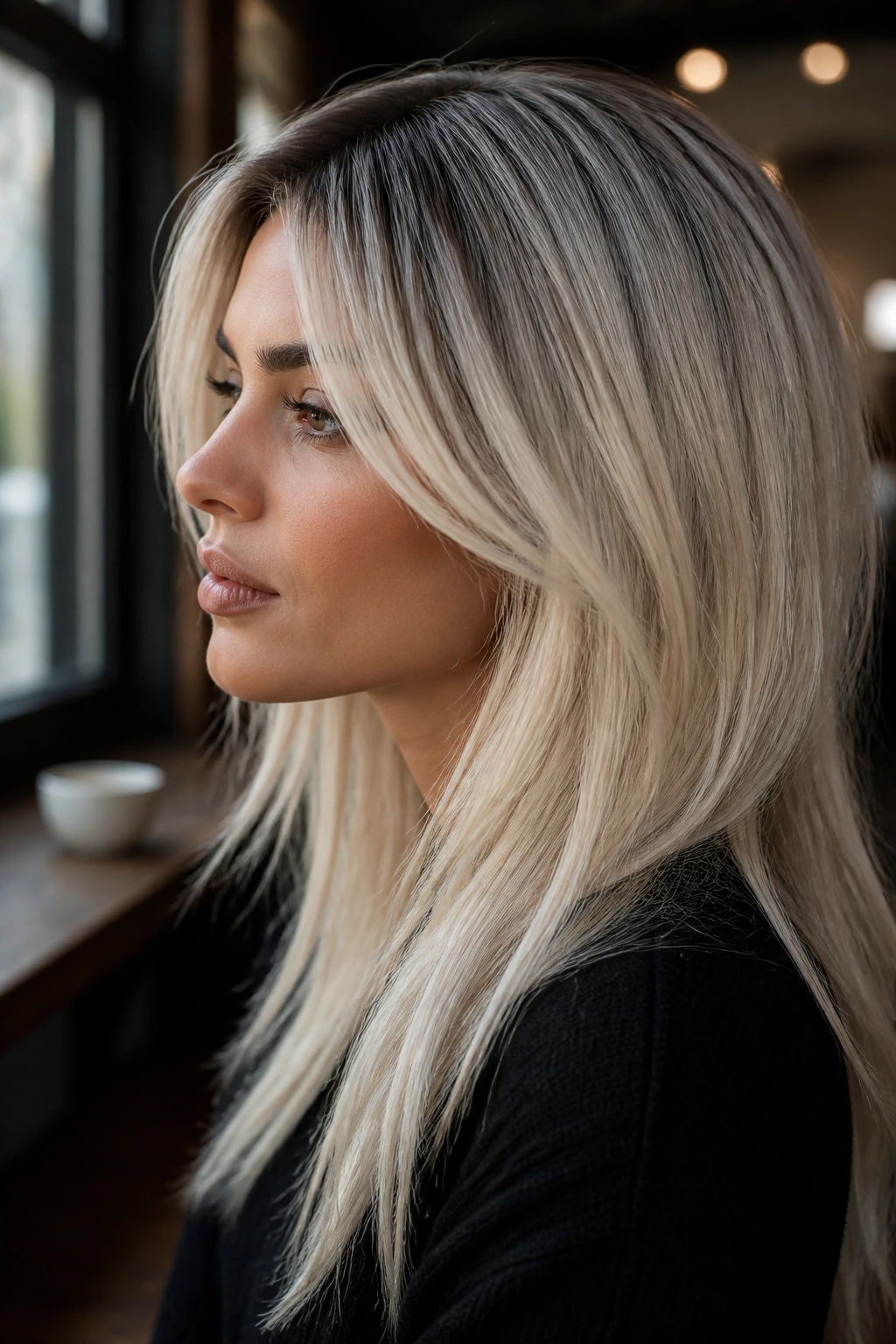
Platinum hair with a dark root stain is the sharpest, coolest version of this whole category. The root doesn’t have to be huge — sometimes a half-inch to one inch of depth is enough — but it changes the whole head. Platinum can look almost too bright on its own. Add a dark root stain and suddenly it has shape, edge, and a little attitude.
A root stain is not the same as a full shadow root. It’s lighter, tighter, and more restrained. That makes it perfect if you love platinum but hate the high-maintenance feel that usually comes with it. The root stain gives you a softer grow-out while keeping the ends brilliant.
What to expect
The contrast is the point. If you want subtle, this is not the one. But if you want platinum to look deliberate rather than washed out, it works. I also like it on short cuts, especially bobs and pixies, where the root creates a clean outline.
Helpful detail: Keep toner cool on the lengths, or the dark root can make the blonde seem dingy by comparison.
Sharp? Yes. Wearable? Also yes, if the blend is handled carefully.
13. Toffee Root Shadow
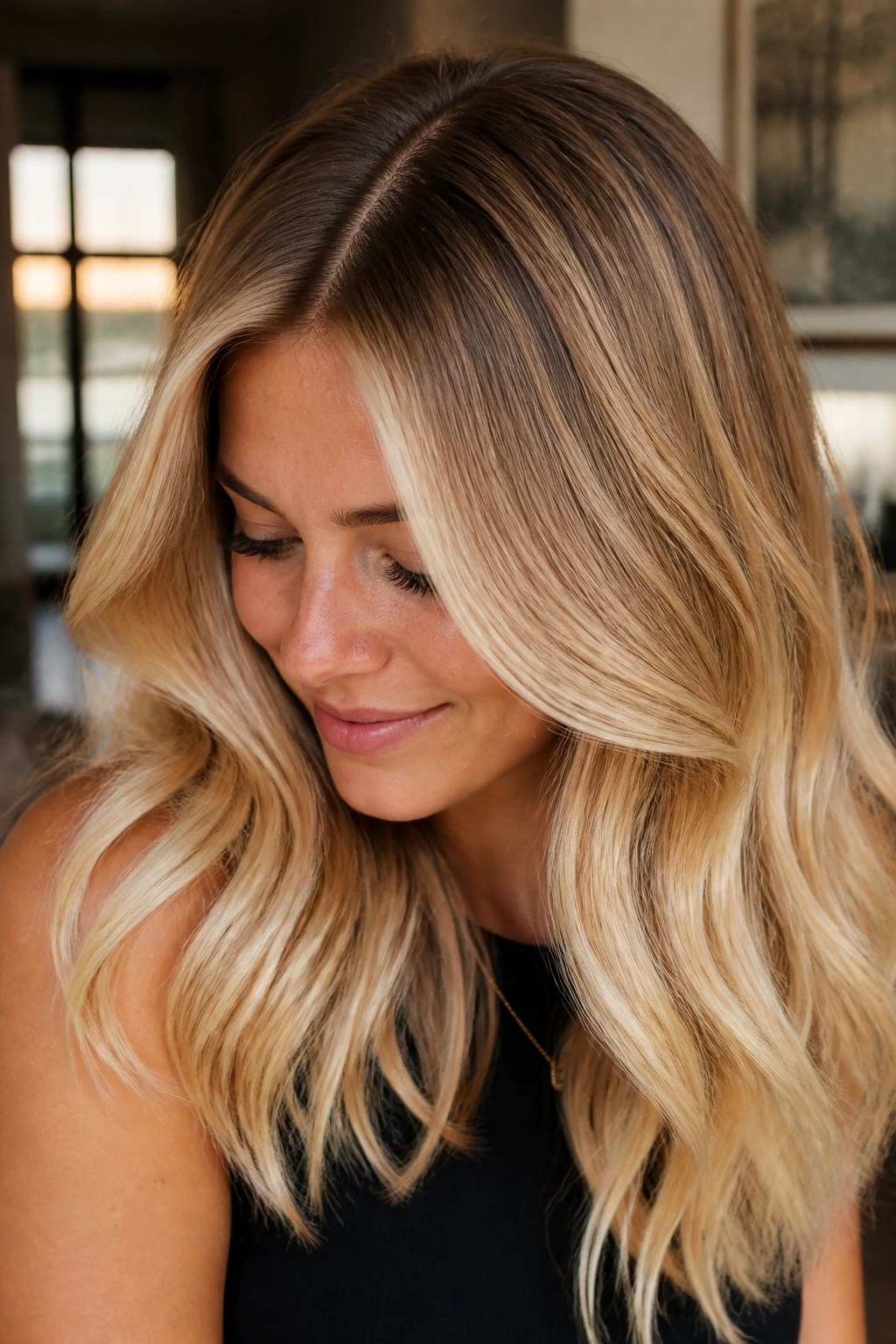
Toffee roots bring warmth and softness together in a way that flatters a lot of blonde shades. The color has a creamy brown-gold feel, not as deep as mocha and not as red as chestnut. On blonde hair, that means the root adds warmth without making the whole style orange.
This is a good choice if your blonde lives in the buttery or beige family. Toffee roots can make those shades look more expensive because the transition feels natural, like the color grew that way. It’s also one of the better options if you wear a lot of gold jewelry or warm makeup tones, since the hair won’t fight them.
Pairing idea
Toffee root + loose curls + a middle part.
That combo works because the curls reveal the gradient and the part keeps the root line visible enough to matter. It’s a simple setup, but it does the job.
If you’re asking your stylist for this, say warm light brown root melt and mention that you want the root to stay creamy, not coppery. That part saves headaches later.
14. Smoky Brunette Root
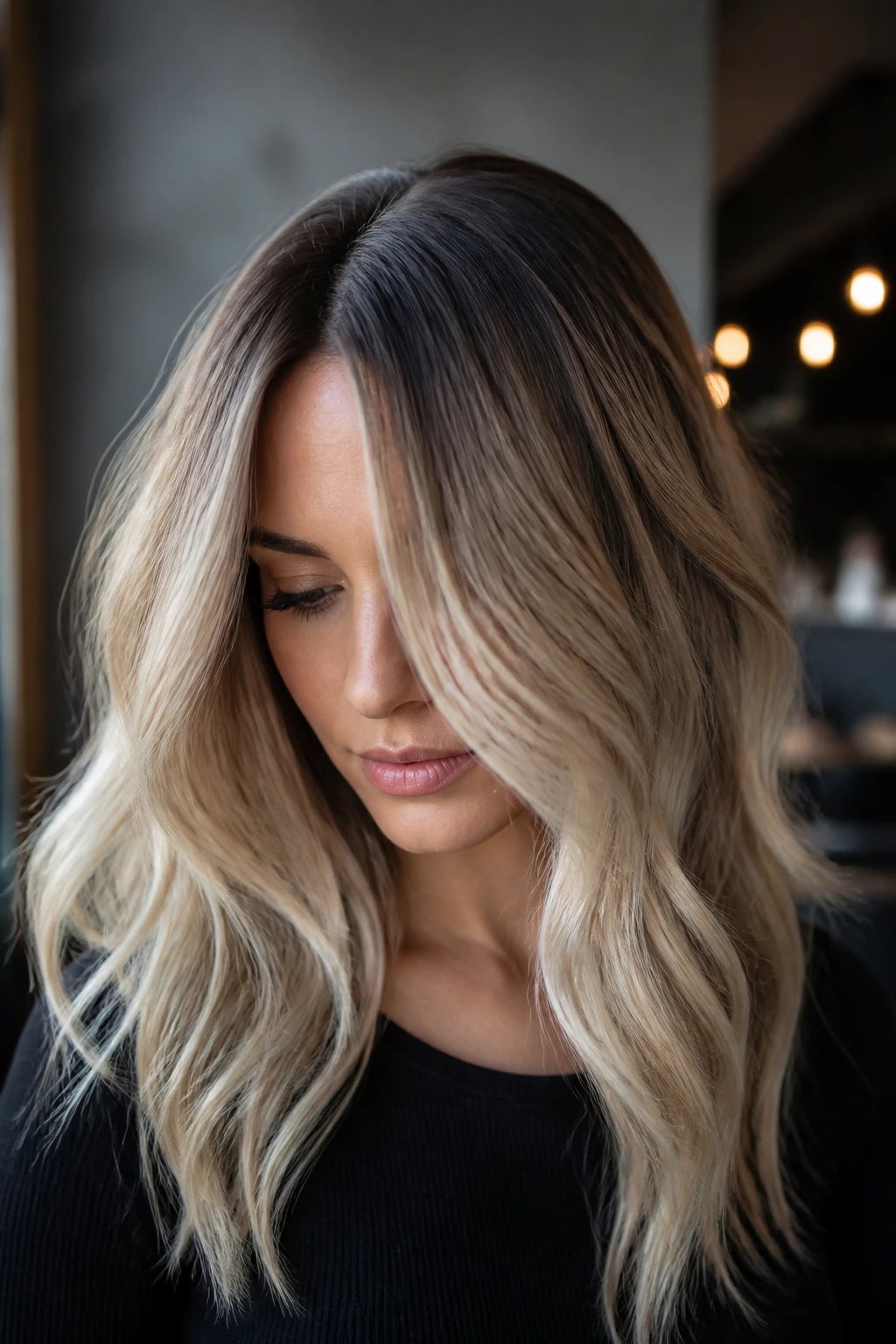
Smoky brunette roots are a little cooler, a little deeper, and a lot more interesting than plain medium brown. They work especially well on blonde hair that already has a cooler or ashier tone. Think smoky beige blonde, pearl blonde, or icy balayage. The root gives the style a grounded base without turning the whole thing heavy.
What makes smoky brunette nice is the way it softens brightness. Some blondes look almost too sharp around the face. Add a smoky root and the hair settles down a bit. The result is less glare, more depth, and usually a better match for naturally dark brows.
Details that matter
- Keep the root cool, not green
- Blend it through the crown for a softer fade
- Pair with muted blonde highlights
- Refresh toning on the lengths as needed
This shade has a polished, grown-out feel that many people want but don’t always know how to describe. It’s the “I want depth, but not warmth” answer.
15. Auburn Root Fade
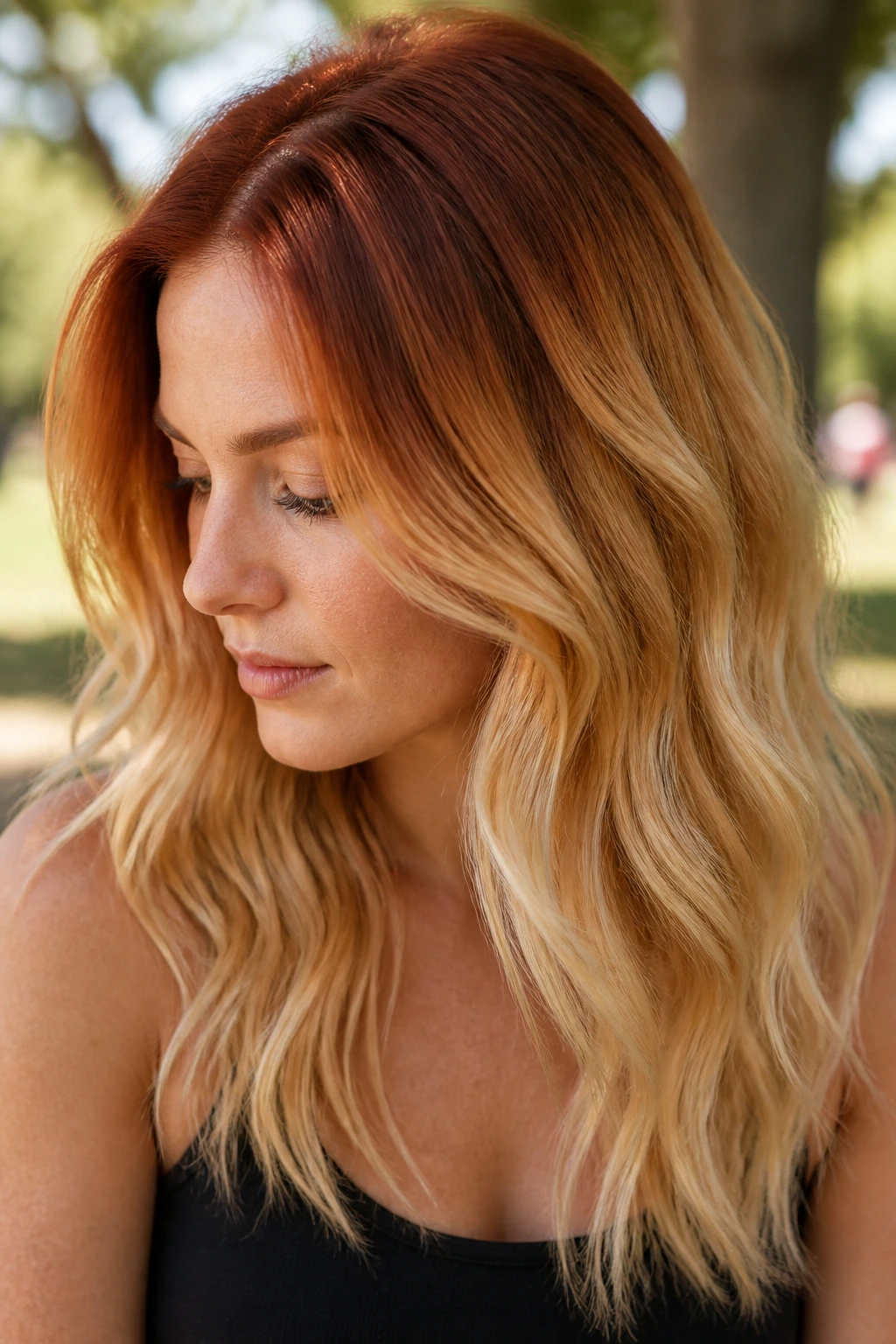
Auburn roots on blonde hair are not for everybody. They’re warmer, richer, and a little more expressive than the brown-based options. But if you like golden blonde, strawberry-blonde energy, or warm copper makeup looks, this combo can be striking in a way that still feels wearable.
The auburn doesn’t need to be intense. In fact, a softer auburn root often works better than a loud red-brown one. The goal is a muted red-brown shadow that melts into blonde length. If the contrast is too obvious, the whole thing can start to look costume-y fast. Keep it soft. Keep it blended.
Where it really works
- Warm skin tones
- Golden blonde lengths
- Wavy or curly textures
- Long layered cuts
I’d avoid a harsh auburn root on very pale icy blonde. The clash can be odd. But on warm blonde, it can look rich and dimensional, like the hair has real depth instead of one flat note.
16. Cool Espresso Root on Ice Blonde
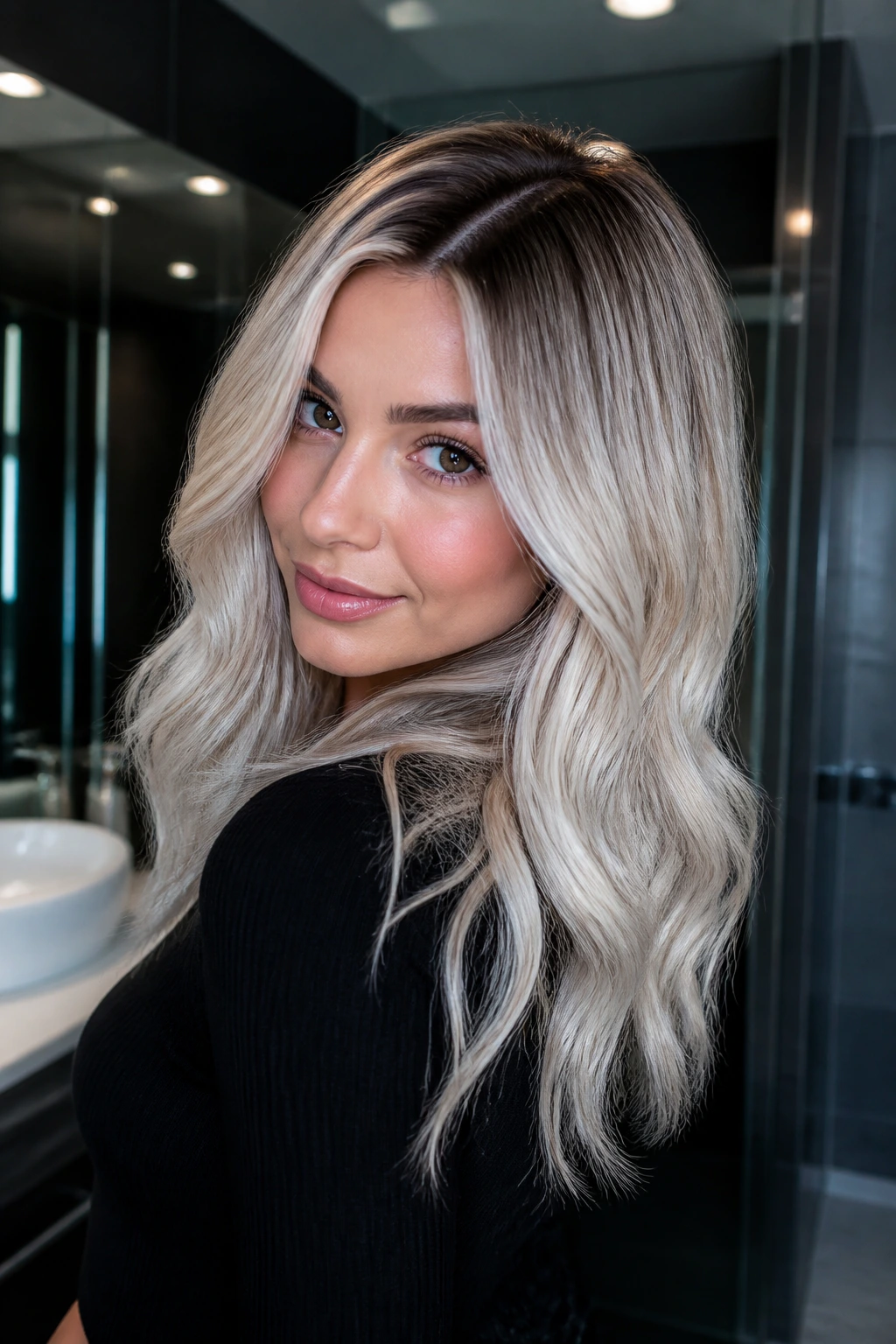
This is the sleek, dramatic cousin of the espresso melt. The difference is the blonde. Ice blonde is colder, paler, and more reflective, so the dark root has to be handled carefully. A cool espresso root gives the whole look structure, and the coolness keeps the contrast from getting too muddy.
The thing that sells this style is cleanliness. The root should be dark, yes, but crisp around the scalp and then diffused just enough to avoid a hard band. Ice blonde ends need to stay bright and toned or the contrast loses its bite. If the blonde gets yellow, the whole look starts to fall apart.
Best if you like
- Straight, glossy hair
- Sharp blowouts
- Strong side parts or middle parts
- A little edge without full black hair
This is one of those shades that looks expensive when the hair is healthy and a little unforgiving when it isn’t. Dry ends show up fast. So does uneven toner. No mystery there.
17. Rooted Balayage with Dimension
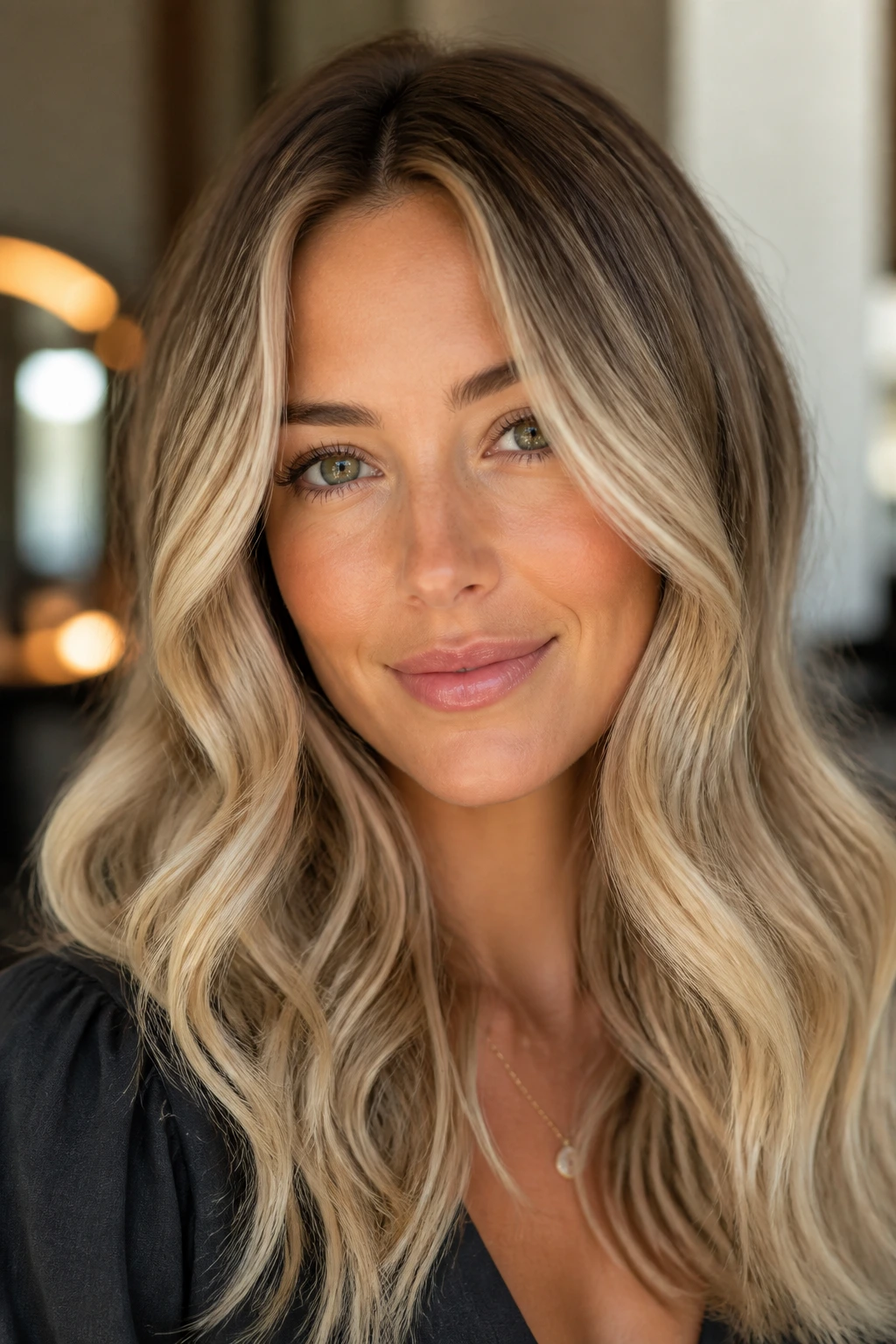
Rooted balayage is less about one specific shade and more about how the whole color lives on the head. You get a darker root, a softer transition, and blonde pieces that are painted to keep movement around the face and through the ends. The root is dark enough to ground everything, but the highlights do the talking.
This is one of the most practical dark root hair colors for blonde hair because it works with growth instead of fighting it. A good rooted balayage can hold its shape for a long time, especially if the highlights are placed in a way that keeps brightness around the part line and face. It’s not trying to be perfect. That’s why it works.
Why people keep choosing it
Because it doesn’t look boring after six weeks. The root gives you a softer grow-out, and the balayage keeps the blonde from turning into one block of color. The texture and placement matter more than the exact shade, which is why this style can be adapted to warm, cool, deep, or pale blondes.
Best for a lower-maintenance routine
- Long layers
- Face-framing highlights
- Natural waves
- People who don’t want a hard regrowth line
It’s the kind of color that looks good even when you stop fussing over it. Which, honestly, is the point.
18. Deep Root Melt for Soft Grow-Out
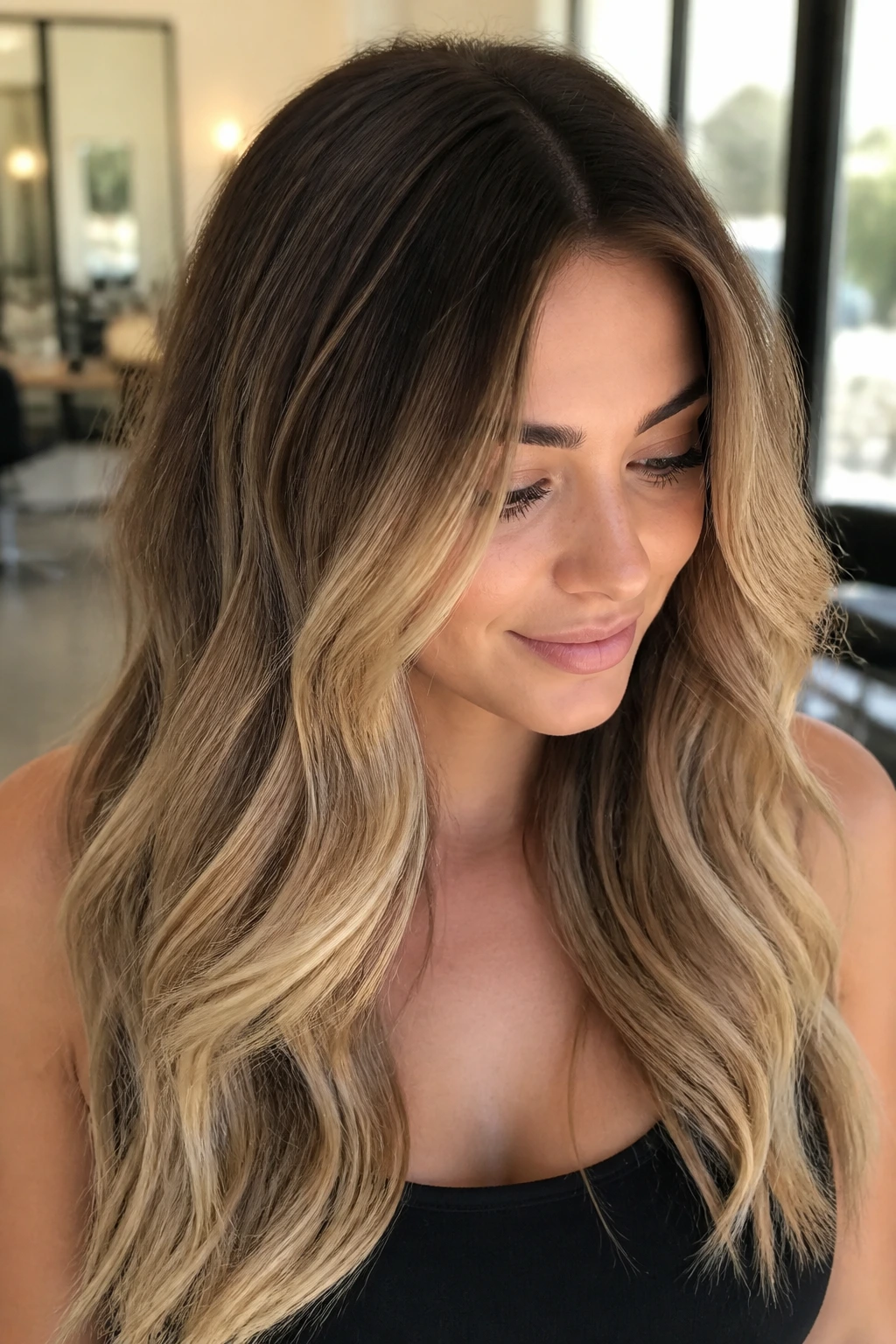
A deep root melt is the most forgiving choice when you want blonde hair that looks intentional for a long stretch. The root can be espresso, mocha, walnut, or even a smoky brown, but the real feature is the blend. The dark shade melts into the blonde instead of sitting on top of it, which makes the grow-out line much less annoying.
If you want one shade family that does almost everything well, this is it. It can be warm or cool. It can lean soft or dramatic. It can support honey blonde, beige blonde, champagne blonde, or a lighter icy finish if the contrast is managed carefully. That flexibility is why stylists reach for it so often.
The biggest mistake people make with a deep root melt is asking for too much darkness right at the scalp and not enough softness through the first few inches. That creates a helmet effect. Not good. You want the root deep, yes, but still blurred enough that the blonde starts working gradually.
Best if you want: longer time between salon visits, a softer regrowth line, and a blonde that looks grounded instead of over-bright.
If you’re staring at a salon mirror trying to choose, this is the one I’d circle if you want the widest margin for error. It’s flexible, flattering, and far less fussy than a pure blonde root. And that, more than anything, is why dark root hair colors for blonde hair keep hanging around — they make blonde easier to wear, easier to grow out, and easier to live with.
