



Some black hair shades look crisp against cool skin tones. Others go muddy, flat, or a little harsh, and the difference can be maddening when the swatches all seem to live in the same tiny corner of the dye aisle.
That’s the part people miss. Black is not one color. A blue-black reads sharp and clean next to pink or rosy undertones; an ashy black can look expensive and soft; a brown-black with the wrong warmth can drag the face down a bit, especially in natural light.
There’s also the hair texture piece, which matters more than most salon ads admit. Straight hair shows shine and undertone fast. Waves and curls hide depth in one spot and flash it in another, so the same shade can look inky, smoky, or almost navy depending on the bend of the strand. That is why the best black hair color ideas for cool skin tones are rarely the flattest ones.
1. Soft Blue-Black
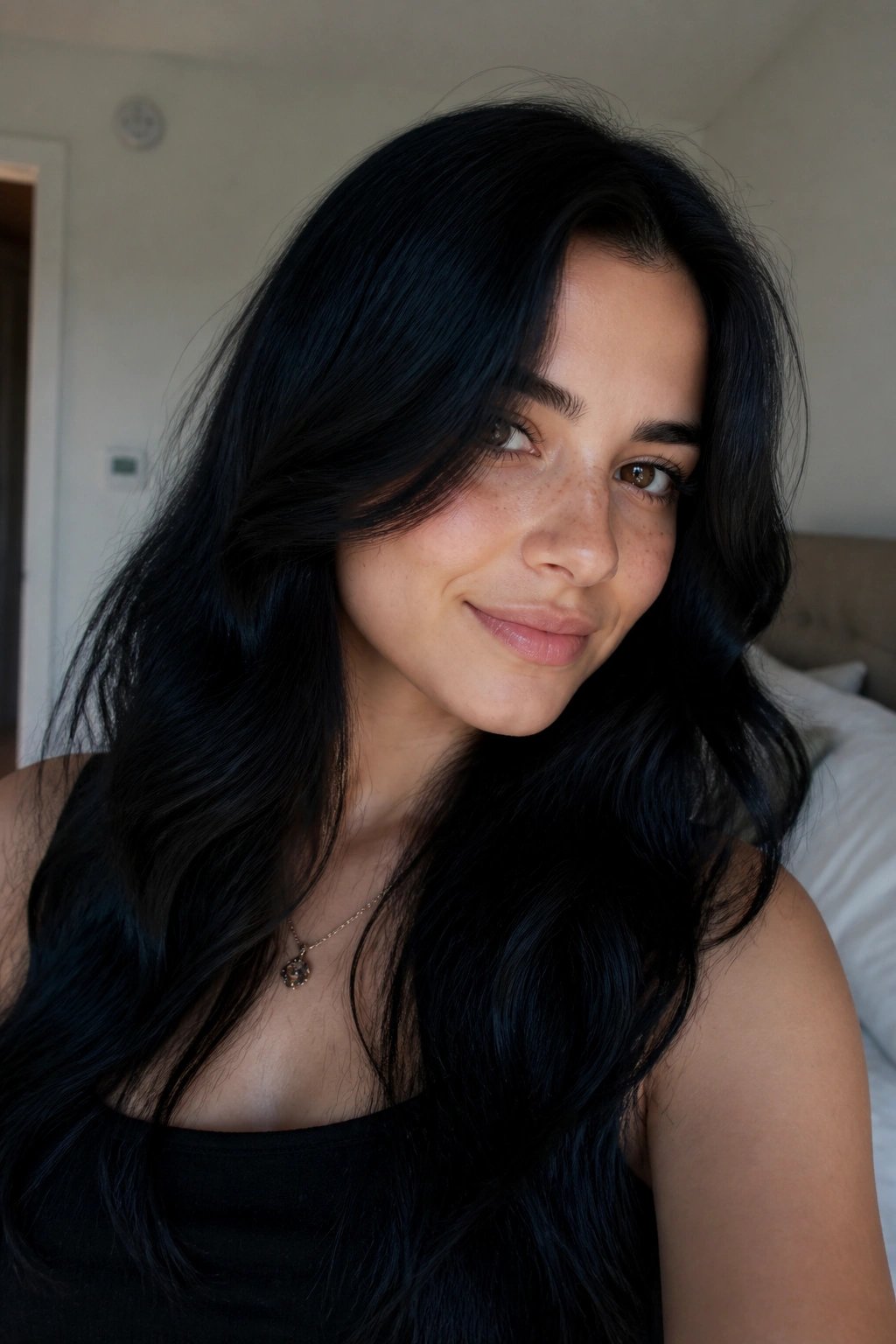
Blue-black is the shade I reach for first when someone wants black hair that still feels alive. It sits right at the edge of jet black, but the blue reflects keep it from looking dead under daylight. On cool skin tones, that tiny shift makes a huge difference.
Why It Flatters Cool Undertones
A blue-black formula brings out the pink, rose, or neutral-leaning blue in the skin without making the face look washed out. It also gives the hair a faint ink-slick shine that looks especially clean on straight or softly waved hair. If your natural coloring already leans cool, this shade feels like it belongs there.
How to Wear It Well
- Ask for a blue-based permanent or demi-permanent black, not a warm espresso-black.
- Keep the finish glossy with a clear or blue-toned glaze every 4 to 6 weeks.
- Wear it with polished brows and a soft berry lip if you want the color to stand out.
Best for: people who want deep black without the harshness of flat jet black.
Watch for: very porous hair, which can soak up blue pigment fast and turn the shade darker than you meant.
2. Jet Black With Mirror Shine
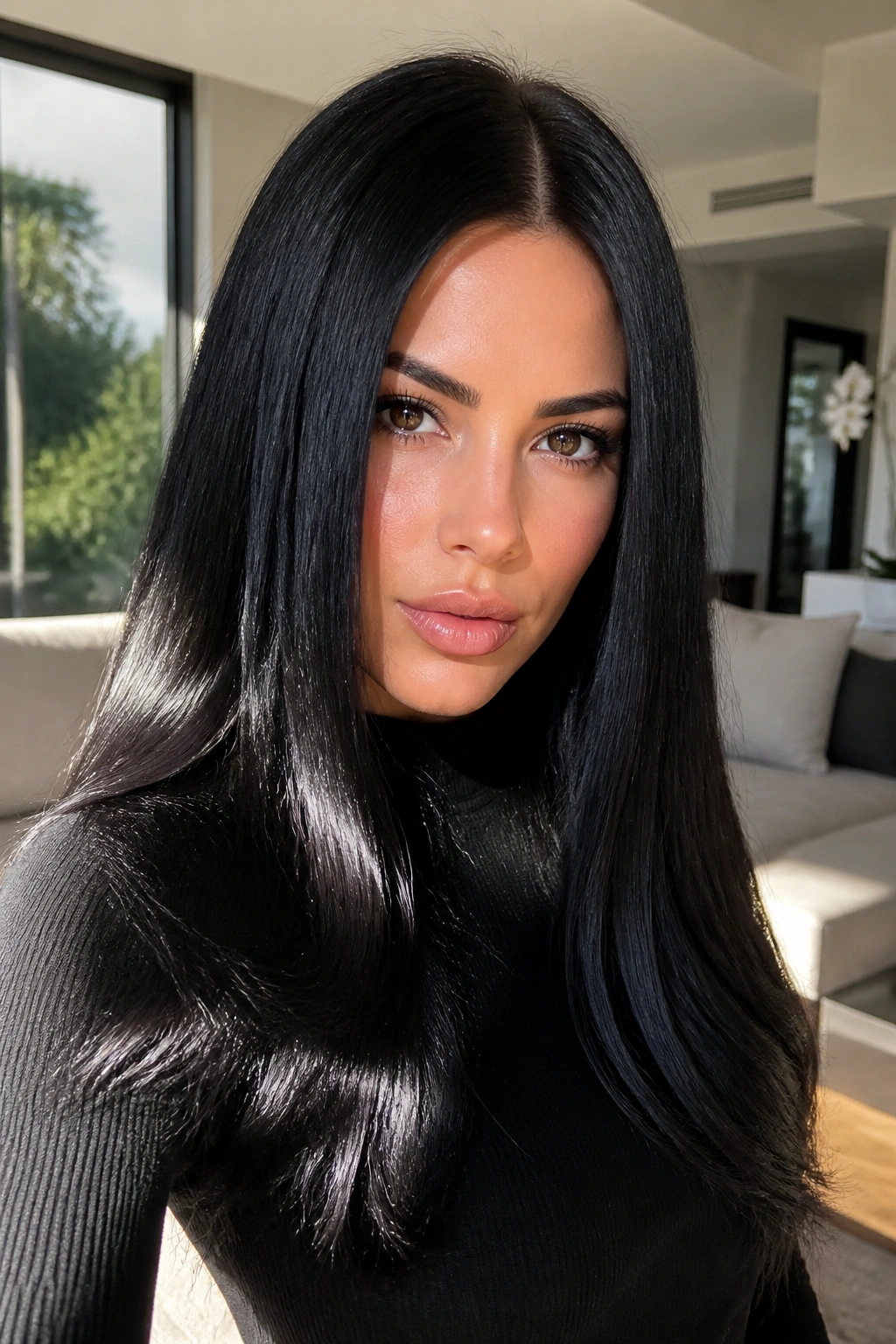
Do you want the darkest look possible without losing polish? Then jet black with a high-shine finish is the blunt, elegant answer.
The trick is the shine. Jet black on cool skin tones can look striking when the cuticle is smooth and the color sits on top like lacquer. When the hair looks dry or rough, though, the same shade can turn severe. A gloss treatment or a silicone-free shine serum on the ends makes the difference between “intense in a good way” and “a little flat.”
This is the shade I think works best on blunt bobs, glassy long layers, and straight styles with clean ends. It loves structure. Loose, fluffy texture can soften it, but then you lose some of the drama that makes jet black special.
If you choose this shade, keep your makeup simple near the eyes and let the hair do the heavy lifting. A pale pink blush, a cool nude lip, and brushed-up brows are enough. No need to fight the color.
3. Smoky Black-Brown
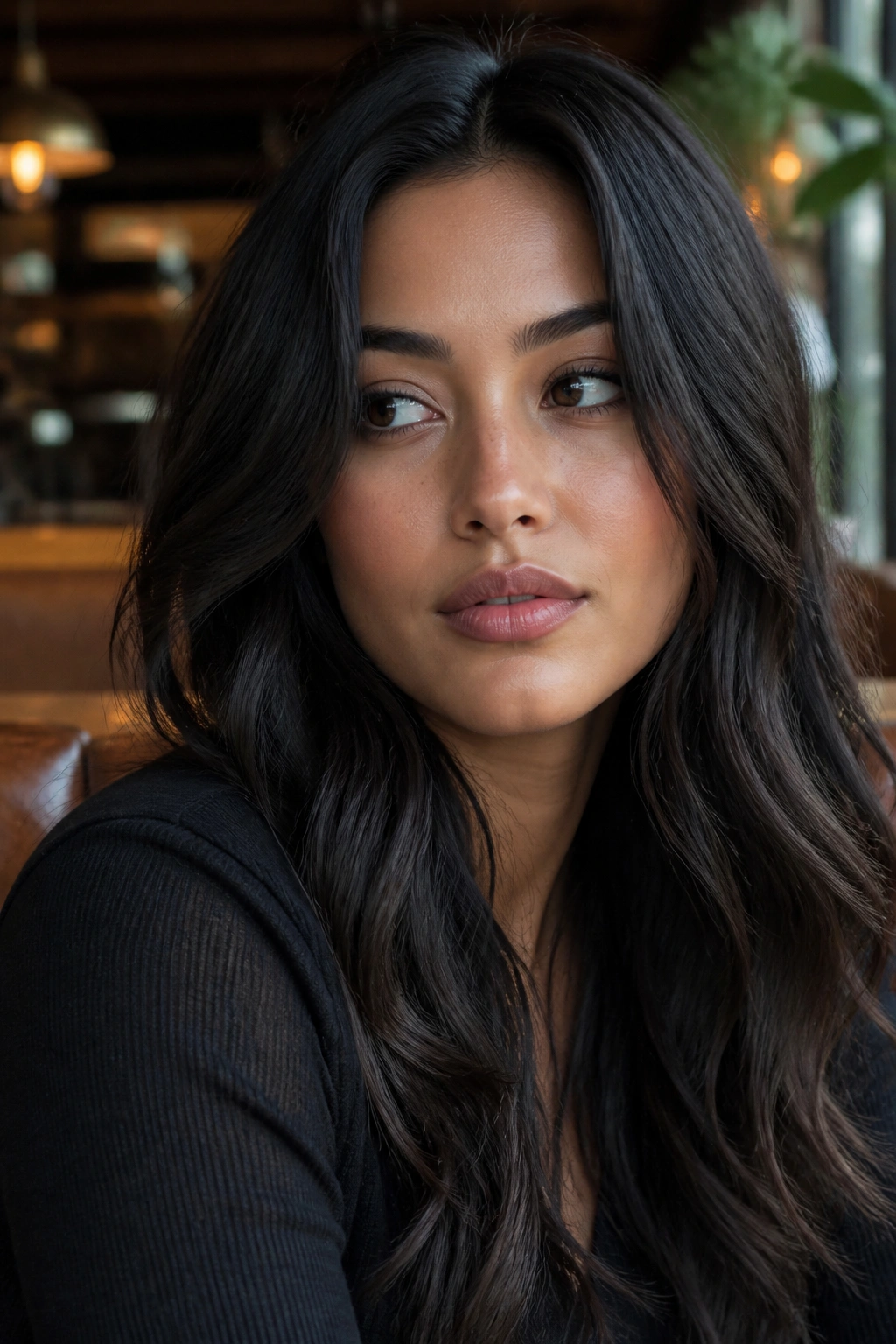
Smoky black-brown is the quietest choice on this list, and honestly, that’s why it earns its place. It reads darker than espresso, but not so dark that it swallows facial features. On cool skin tones, the ash in the formula helps the shade stay crisp.
I like this one for people who are nervous about going all the way to black. It is especially kind to medium brown hair that has already been colored before, because you are working with depth instead of trying to force an artificial inky finish on top of everything. The result feels softer and a little more wearable day to day.
What Makes It Different
- The base is black, but the tone stays cool and muted.
- It looks less harsh around the hairline than jet black.
- It grows out in a more forgiving way than pitch-black dye.
Ask for: a black-brown with ash or neutral undertones, not gold.
Avoid: box formulas that lean warm; they can turn the whole look muddy instead of smoky.
4. Indigo Black
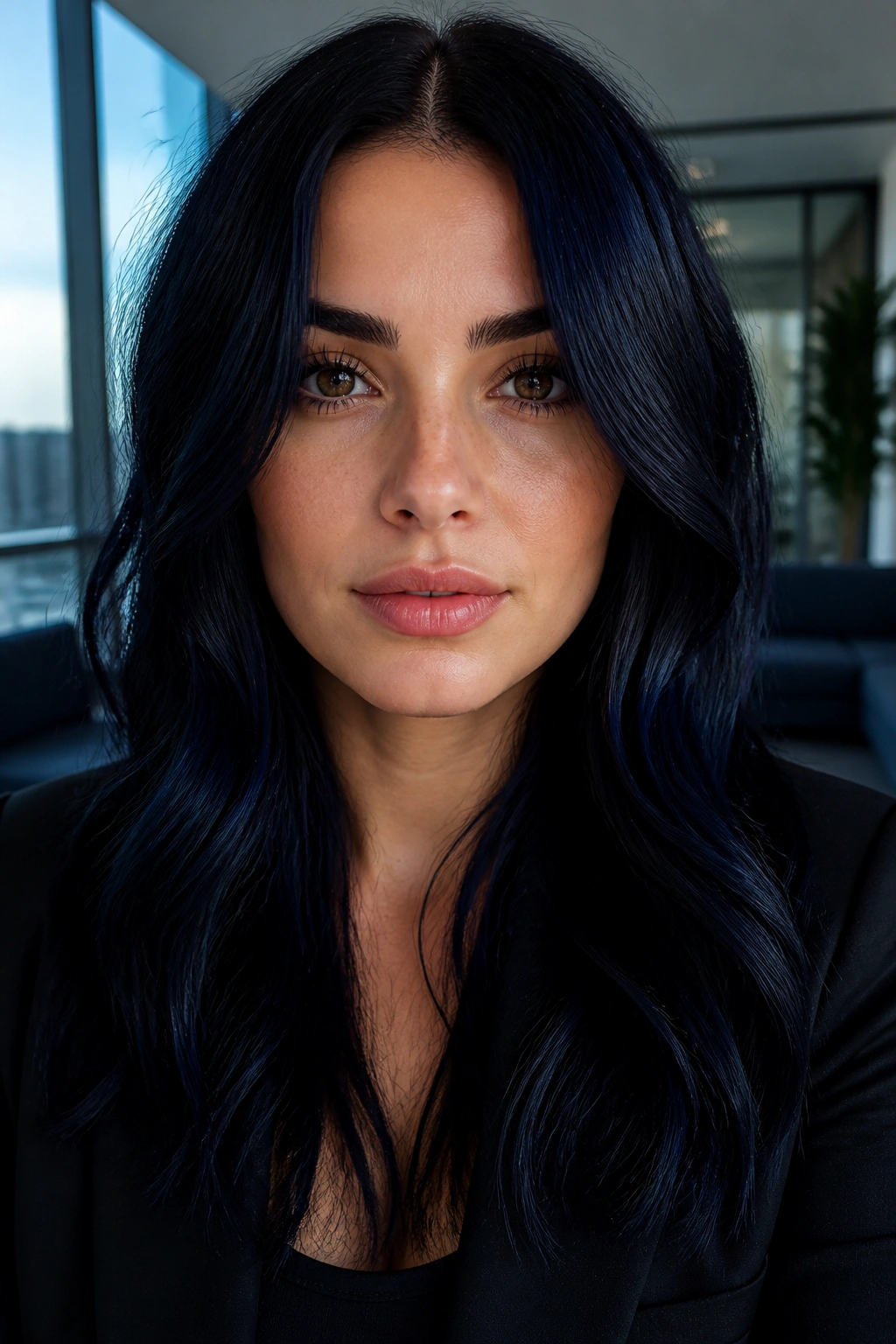
Indigo black is for the person who likes a hint of mystery. It doesn’t shout blue the way some fantasy shades do, but when light hits it, the color turns deep and electric for a second before settling back into black.
That tiny shift is lovely on cool skin tones because it keeps the face from looking too stark. It also gives dark hair more movement without needing highlights. If you have short hair, the blue note can make the cut look sharper. On longer hair, the effect feels sleek and almost liquid.
This shade works well when you want something different but still office-friendly or low-drama. Indoors, most people will read it as black. Outside, the blue cast shows itself and gives the whole look a little edge.
Pro tip: if your hair tends to fade fast at the ends, use a color-depositing blue conditioner once every week or two. Keep it off the roots if you don’t want a stronger blue cast there.
5. Black Cherry With a Cool Finish
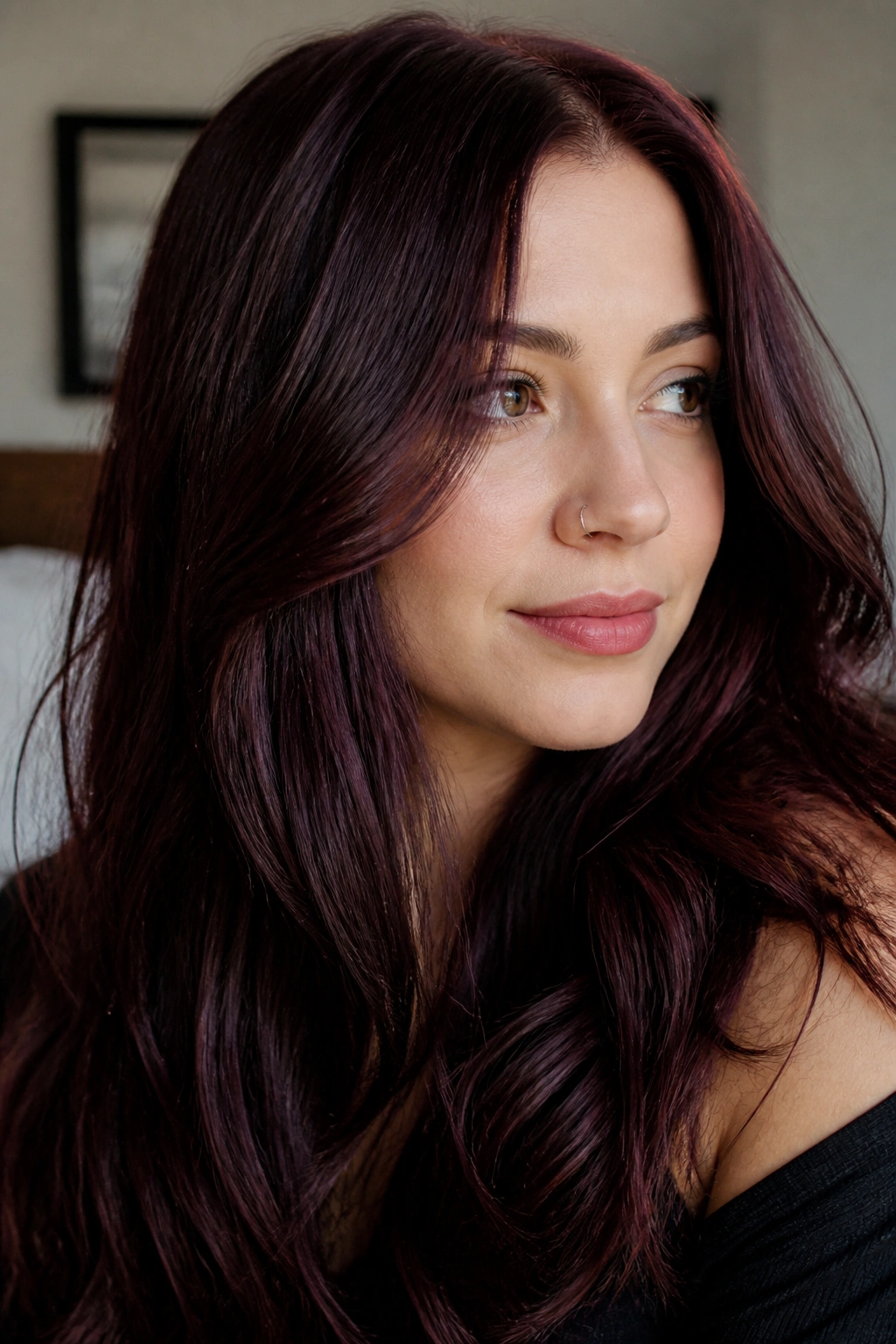
Black cherry gets messy fast if it leans too warm. On cool skin tones, though, the right version can look rich, deep, and almost velvet-like. The key is keeping the red base in the berry family instead of the copper family.
The color should feel more like dark wine than mahogany. When it’s done well, you catch a flash of plum-red in sunlight, then it sinks back into black at night. That shift is what keeps it flattering. Warm cherry can fight with cool undertones; cool cherry tends to sit neatly beside them.
I especially like this shade on layered cuts and curly hair because the movement shows off the hidden red. Straight hair can wear it too, but the color reads more formal and less playful there. Either way, a cool cherry-black is one of those shades that feels richer than plain black without becoming loud.
Pair it with silver jewelry and cool-toned makeup. The hair does enough already.
6. Graphite Black
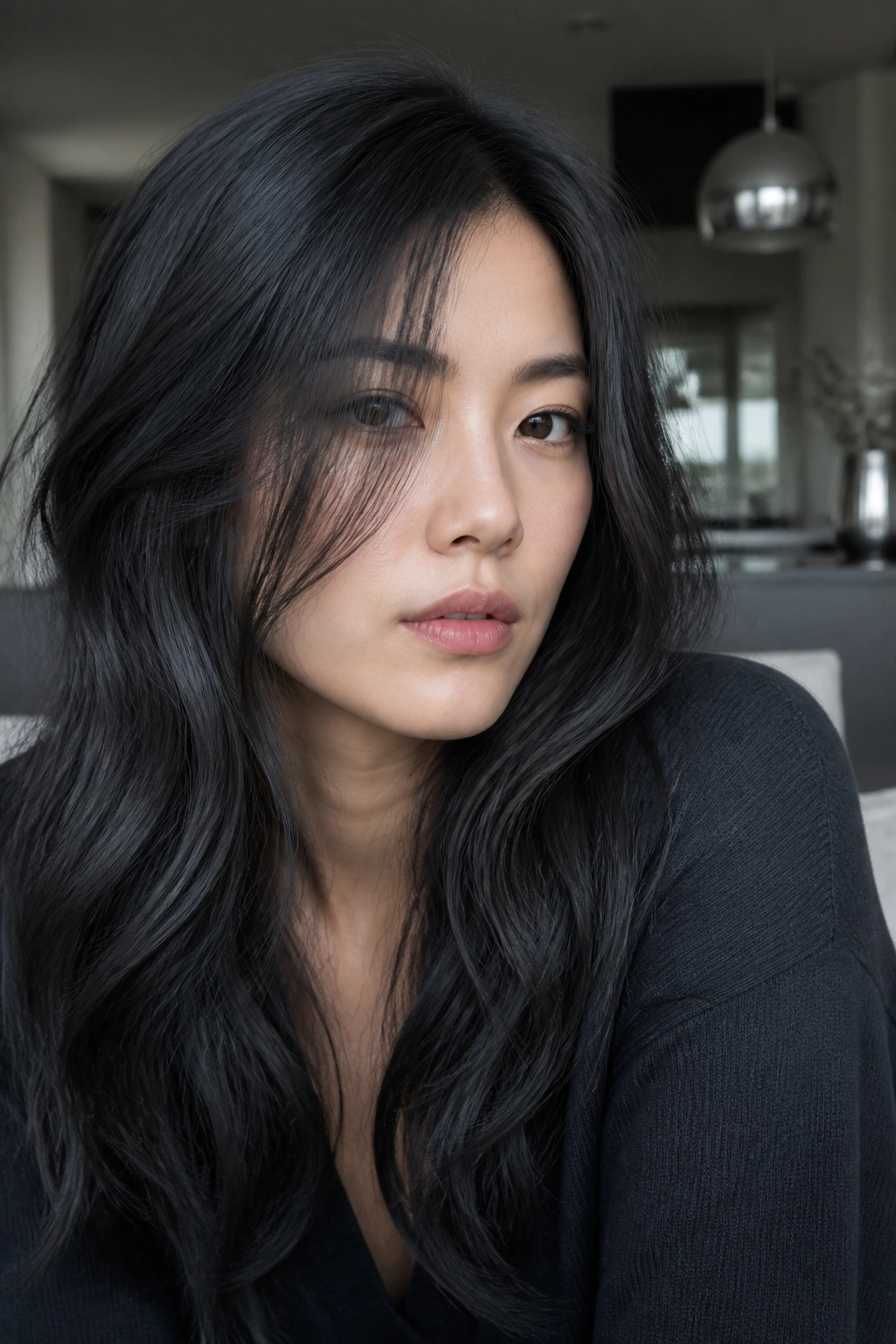
Graphite black is what happens when black gets a little stone-gray edge. It is darker than charcoal, but lighter and colder than jet black, which makes it a smart pick for people with cool skin and a taste for clean, modern color.
Unlike shiny blue-black, graphite black has a muted finish. That makes it especially good if your style leans minimal. Think tailored clothes, clean lines, and hair that looks intentional even when it’s pulled back. The tone also plays nicely with silver streaks, natural grays, or cool highlights tucked underneath.
Best Uses for Graphite Black
- Sleek lobs and blunt cuts
- Wavy textures that need depth, not warmth
- Clients who want black hair color ideas for cool skin tones without a blue cast
One thing to know: graphite can fade toward brown if the formula is too soft. If you want the smoky edge to stay put, ask for a true cool black with an ash toner on top.
7. Violet-Black
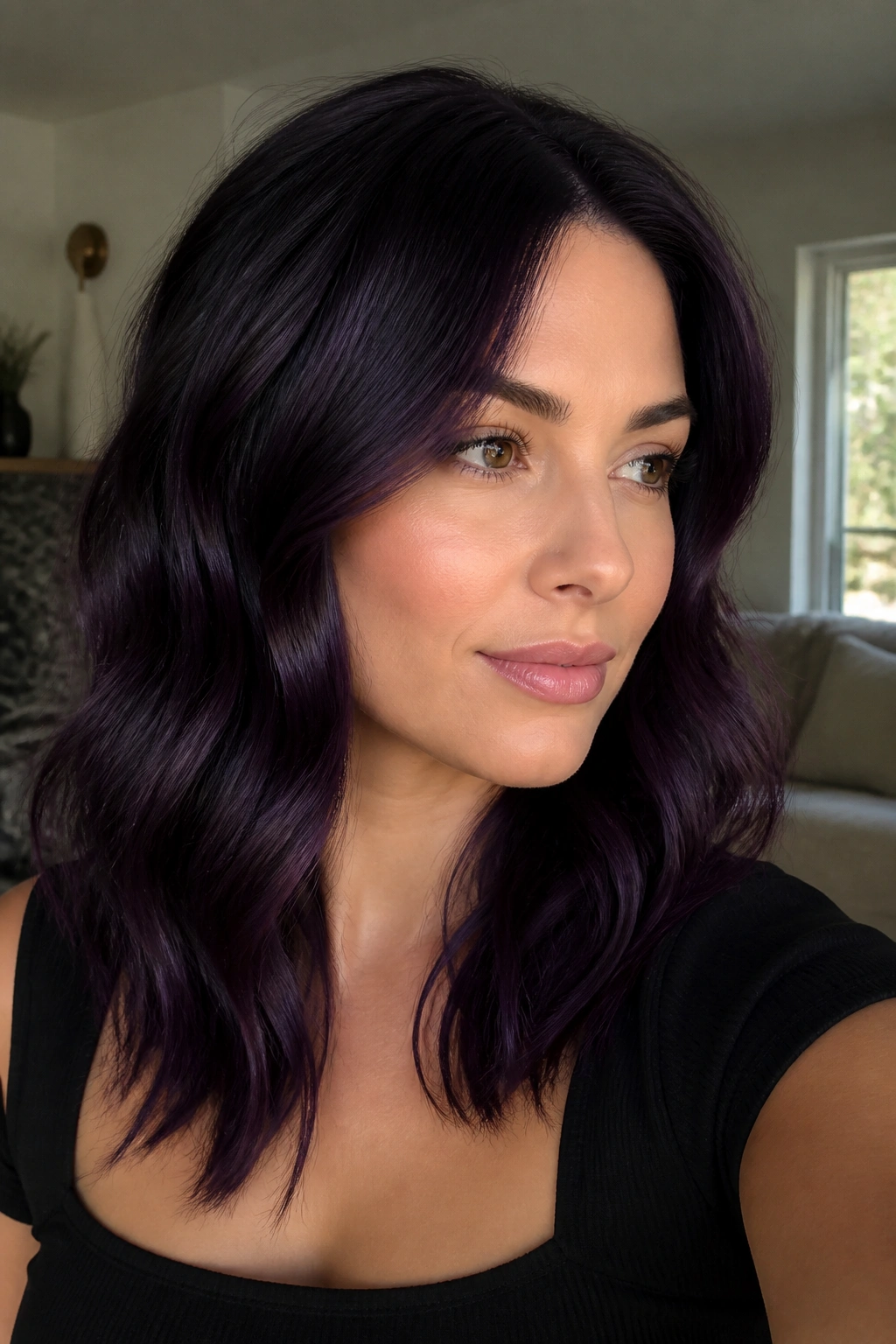
Why does violet-black work so well on cool skin? Because violet sits on the cool side of the color wheel and gives black a soft, polished depth without turning it icy.
The shade is subtle enough that most people will see black first. Then the violet notes show up in daylight or on a fresh blowout, and the whole look starts to feel more dimensional. I like this one for medium to long hair, especially if you wear it smooth or in loose waves. The light catches the bend and shows the hidden color in little flashes.
There is a fine line here. Too much purple and the shade starts to look fantasy-driven. Too little and it becomes just another black dye job. The sweet spot is a cool black with a violet gloss layered over it.
How to Use It
Ask your colorist for a violet-based gloss over a black or dark brown base.
Keep heat styling moderate, because repeated high heat can dull the violet reflection fast.
If you like shine, a lightweight oil on the ends helps the color read deeper.
8. Cool Mocha Black
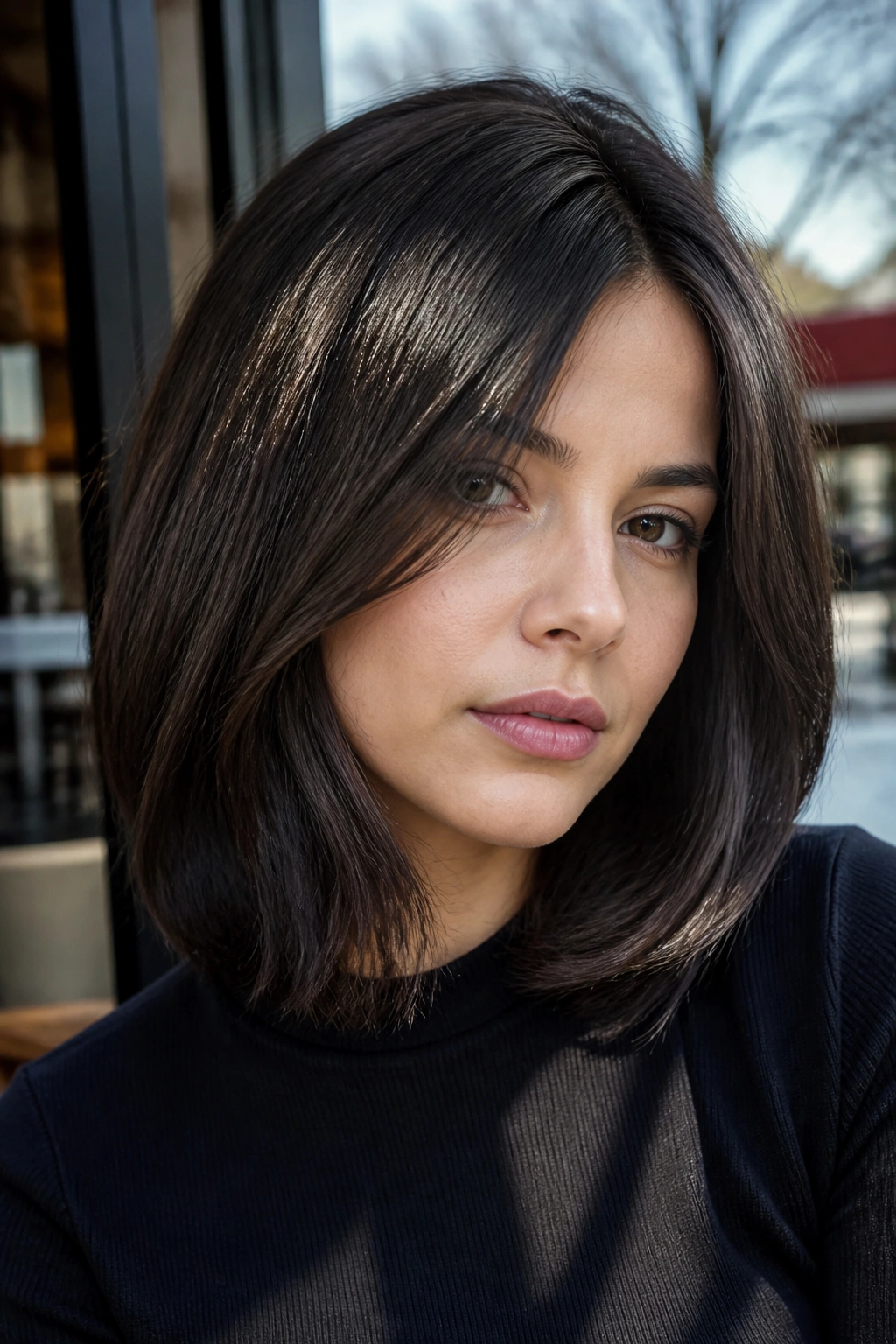
Cool mocha black is the shade for anyone who wants softness more than drama. It lives in that narrow band between brown and black, but the undertone stays ashier than traditional mocha, so it still flatters cool skin.
This one is especially good if your natural color is dark brown and you want to go darker without looking suddenly stark. It keeps the face readable. It also avoids the strange problem some black dyes create on cool skin: the hair looks rich, but the skin looks a little tired beside it. Cool mocha usually avoids that.
The shade can be worn glossy or matte. Glossy makes it feel more polished, while a softer finish gives it a lived-in, expensive look. I’d pick it for shoulder-length cuts, soft layers, and anyone who likes dark hair but doesn’t want to look like they dipped their head in ink.
No drama. Just depth.
9. Charcoal Black With Ash Ends
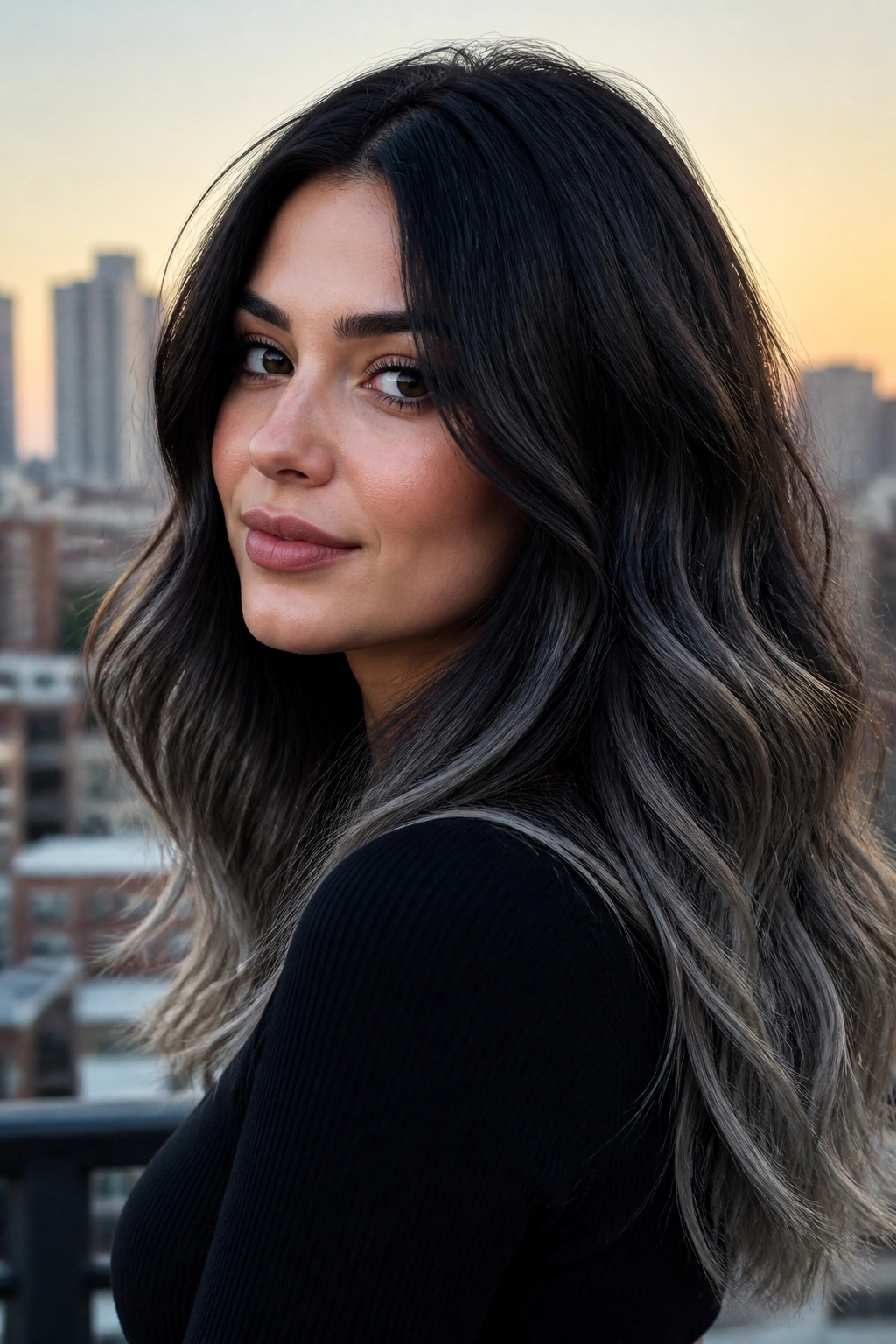
Charcoal black with ash ends is a little more styled and a little less predictable than one solid shade. The root area stays deeper, while the ends get a smoky, smoky-gray-black tone that makes the whole style look textured.
It’s a smart choice for cool skin tones because the ash keeps the warmth out. That matters more than people think. A black dye with too much brown or red in it can look flat against a cool complexion, especially when the hair is long and all one length. Charcoal breaks that up.
What to Ask For
- A deep black root melt
- Ash-toned mid-lengths
- A softened, smoky finish at the ends
Best on: long layers, shags, and wavy hair with movement.
Not ideal for: hair that is already fragile at the ends, since ash toning can make porous ends look even drier if the stylist gets heavy-handed.
10. Blue-Black Balayage
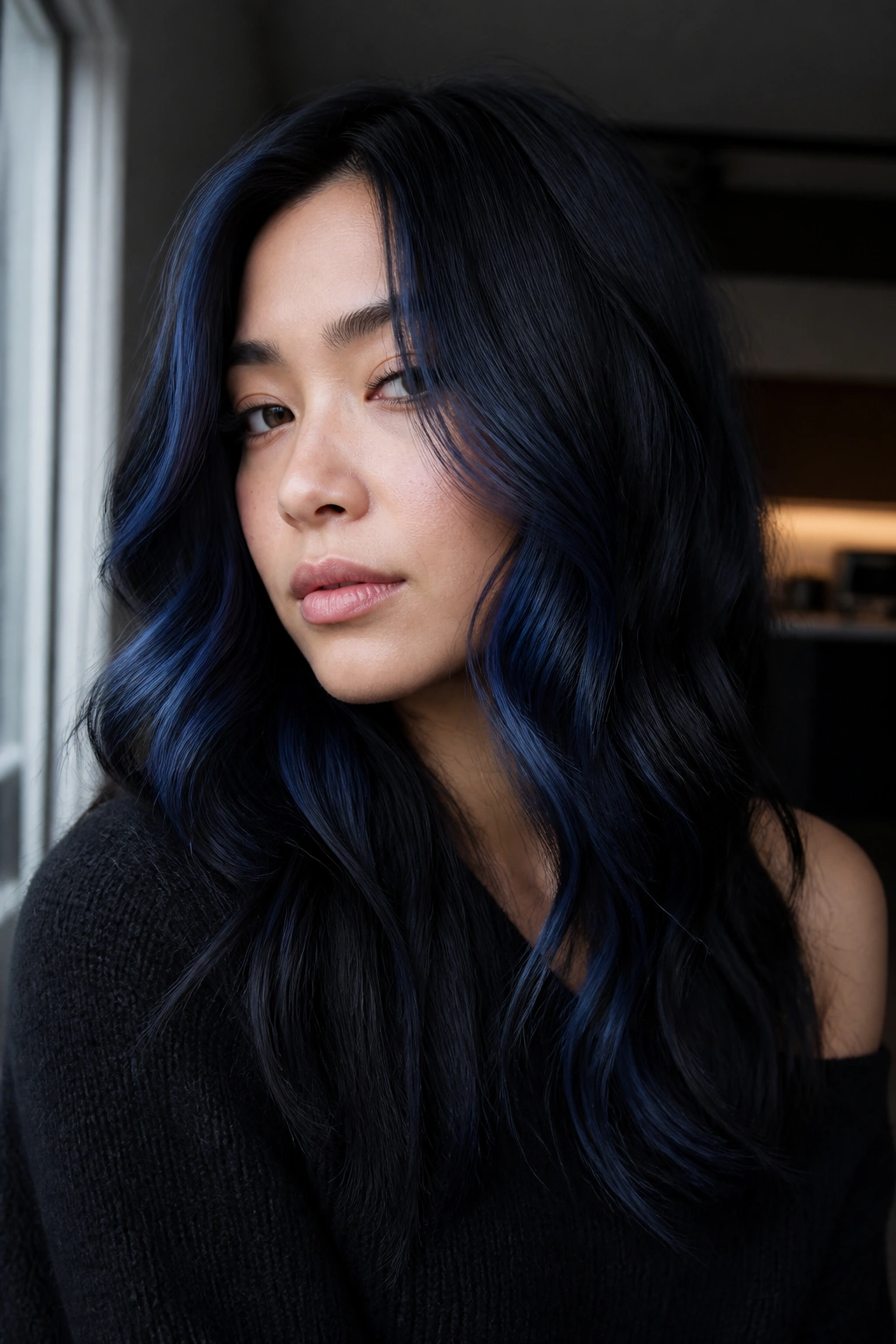
Dimensional. Not flat. That’s the whole appeal here.
Blue-black balayage gives you the richness of black hair color ideas for cool skin tones without turning the whole head into one uniform block. Instead, the lighter pieces carry a navy reflection, while the darker base stays close to black. It is one of the easiest ways to keep dark hair from feeling heavy.
This technique looks especially good on wavy hair, because the bends show off the contrast. On straight hair, the ribbons read more subtle and polished. Either way, the color keeps moving. That movement is what makes people stop and look twice.
The best version uses thin, hand-painted pieces rather than chunky stripes. Keep the lightness low and the blue tone cool, not bright. You want a dark, moody effect, not a cobalt streak situation.
Tip: ask for the balayage pieces to sit mostly around the face and on the top layer if you want the color to show without demanding constant upkeep.
11. Silver Peekaboo Underlayer
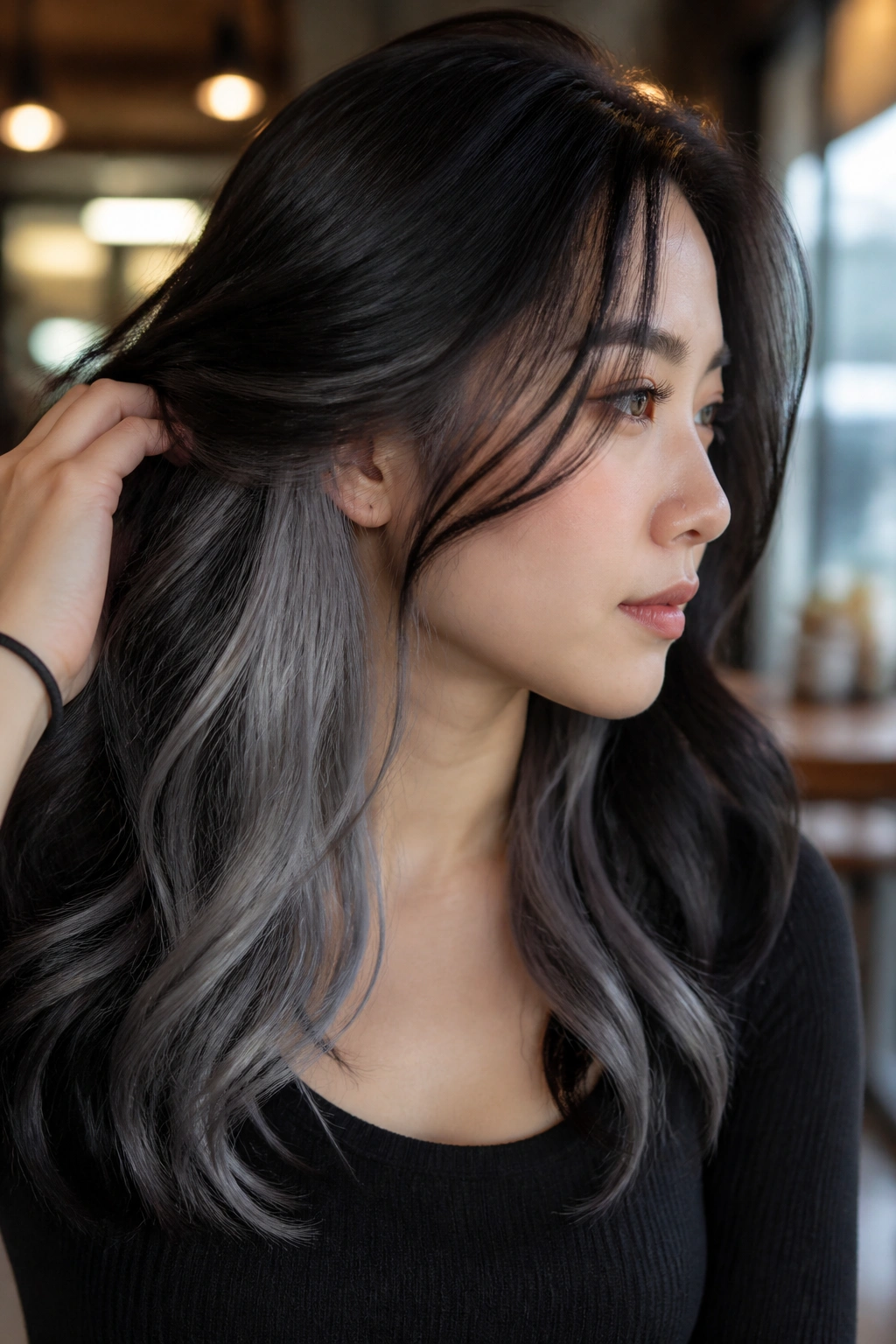
Silver underlayers under black hair have a very specific kind of coolness, and I mean that in both senses. The top layer stays dark, while the hidden panels underneath flash silver when the hair moves or gets tucked behind the ear.
That hidden contrast works beautifully on cool skin tones because the silver reflects the same crispness that cool undertones usually carry. It also feels more wearable than fully visible silver streaks if you want something edgy but not loud all the time. You can keep it hidden for work, then let it show on purpose later. Easy.
What Makes It Different
Unlike a full silver front streak or all-over metallic color, a peekaboo layer gives you control. You decide when it shows. You also protect the silver a bit more because it’s not exposed to the sun and heat quite as much.
This shade is best for medium or thick hair that can hold layering well. Fine hair can wear it too, but the placement needs to be smarter so the contrast doesn’t disappear.
12. Plum-Black
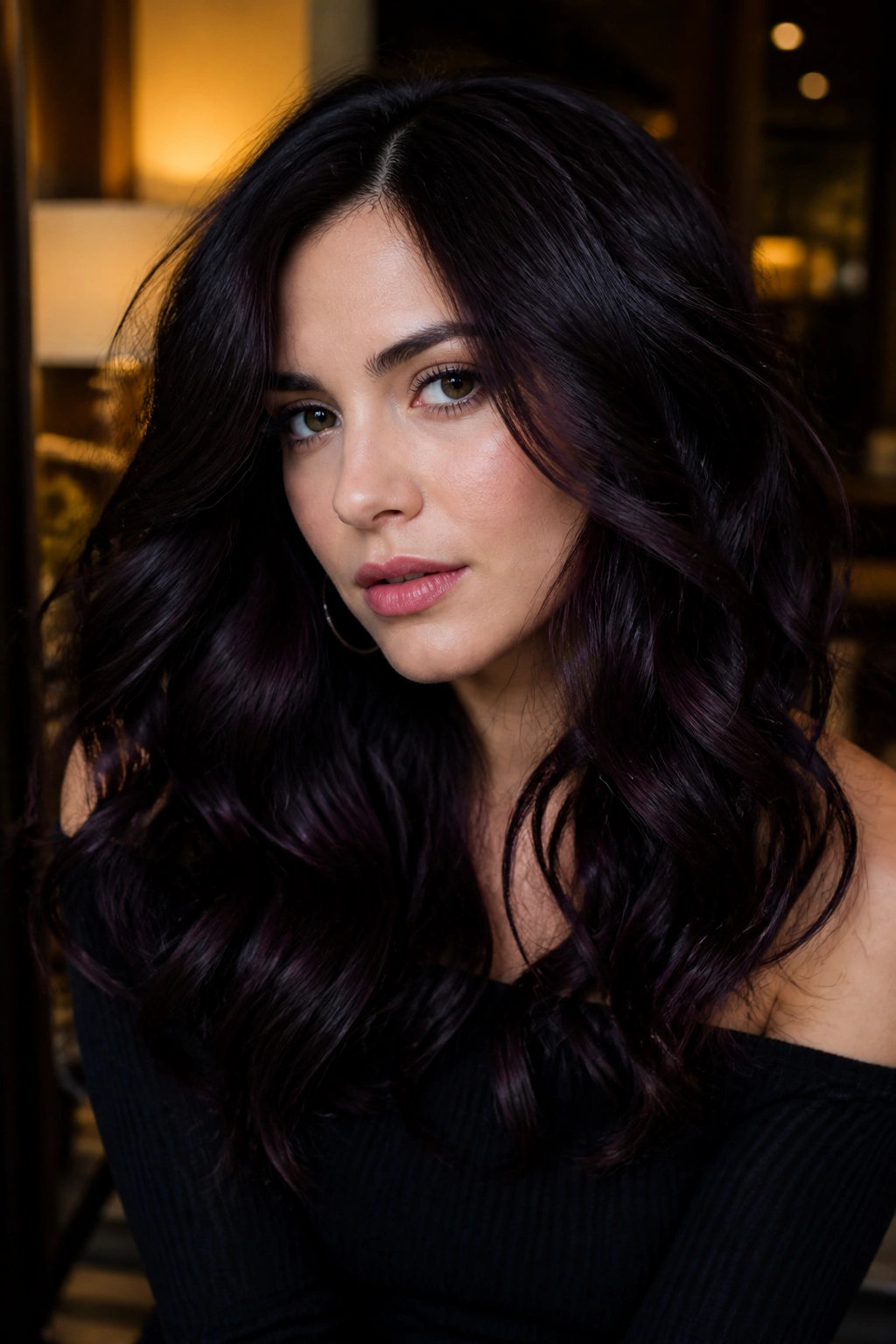
Plum-black is the richer, moodier cousin of violet-black. It has more depth, less sparkle, and a tone that reads almost velvet in low light. On cool skin tones, that deep plum note can make the face look clearer and the eyes look brighter.
There’s a reason this shade has such loyal fans. It gives you the gravity of black hair without the hard edge of pure jet black. It also looks expensive in a way that doesn’t depend on styling tricks. A simple blowout, a low bun, or soft curls all hold the color nicely.
If your wardrobe already leans toward charcoal, navy, gray, or silver, plum-black fits in fast. It also plays well with dark lipstick. Not because you need to go dramatic every day, but because the color can handle it.
Best choice if: you want black hair color ideas for cool skin tones that feel a touch romantic.
Skip it if: you want a shade that stays extremely neutral; plum always brings a hint of character.
13. Midnight Black Bob
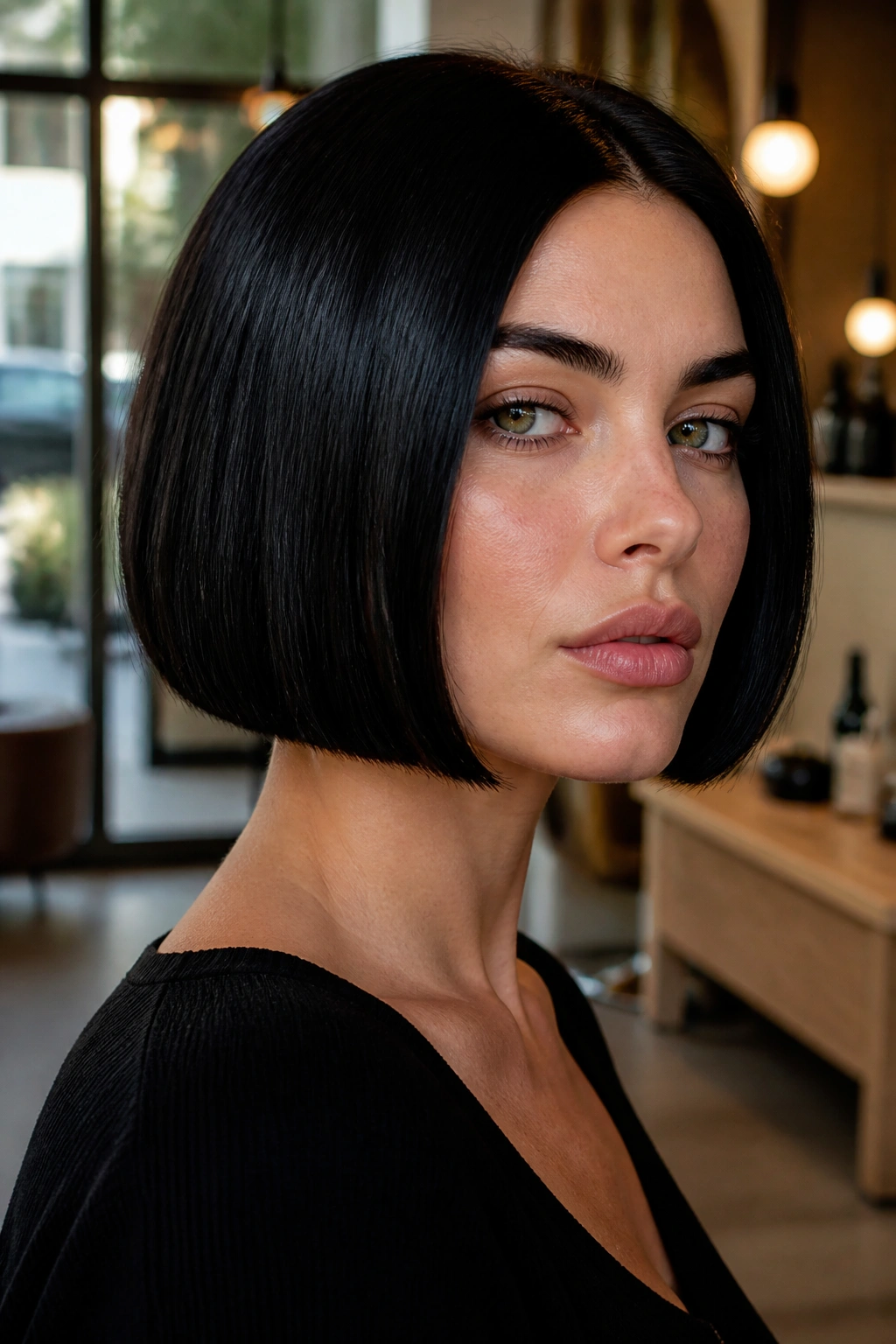
Midnight black on a bob is one of those combinations that looks sharper than you expect. Shorter hair takes black dye differently because there’s less length to dilute the depth. The result is sleek, compact, and a little severe in the best way.
The cool-skin payoff here is simple: a glossy midnight black bob frames the face without adding warmth that can muddy the complexion. It makes cheekbones look cleaner. It makes eye makeup easier. And if the cut is blunt, the whole style has a crisp, almost architectural feel.
I like this idea especially for chin-length or jaw-length cuts. The shape matters. A layered bob can soften the effect, while a blunt edge gives the color more punch. If your hair is naturally flat, a root lift spray can help the style keep its body and prevent the black from looking like one heavy sheet.
Short hair can take a bold color. This is one of the best ways to prove it.
14. Blackened Burgundy
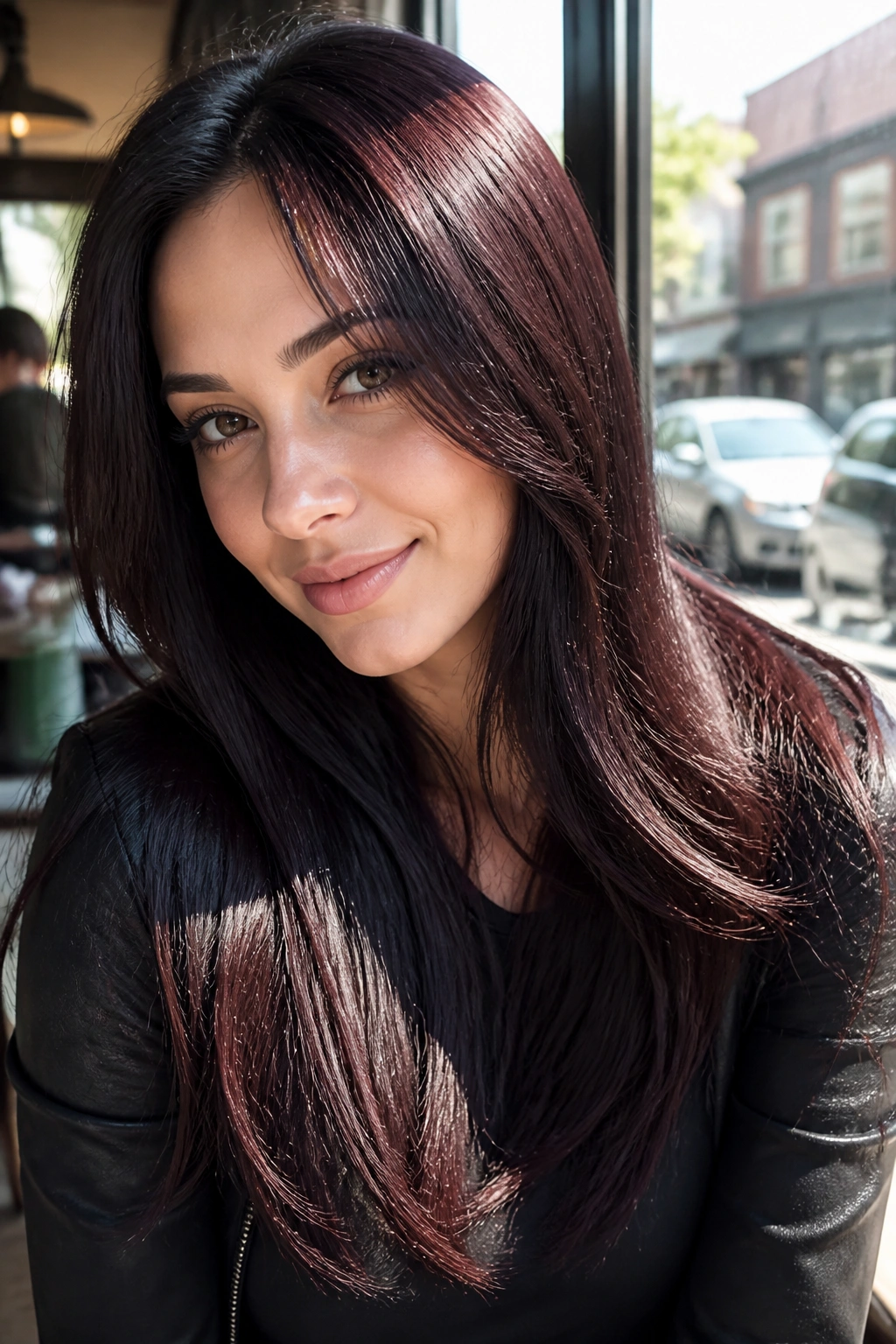
Blackened burgundy is deeper than cherry and less purple than plum. It lives in that shadowy red zone where the color only wakes up in strong light. On cool skin tones, that controlled red can look rich instead of brassy.
The reason I like it is the restraint. Too much burgundy on cool skin can turn wine-colored in a way that feels heavy. Blackened burgundy keeps the red buried just under the surface, so you get depth without heat. It’s a shade that rewards movement. Hair flips. Sunlight. A glossy finish.
A Good Fit If You Like:
- Dark color with a hidden red cast
- Long layers that can show tonal shifts
- Hair that looks richer in daylight than in indoor light
Color note: ask for burgundy with blue or violet support, not copper. That one detail changes everything.
15. Soft Ash Black Root Smudge
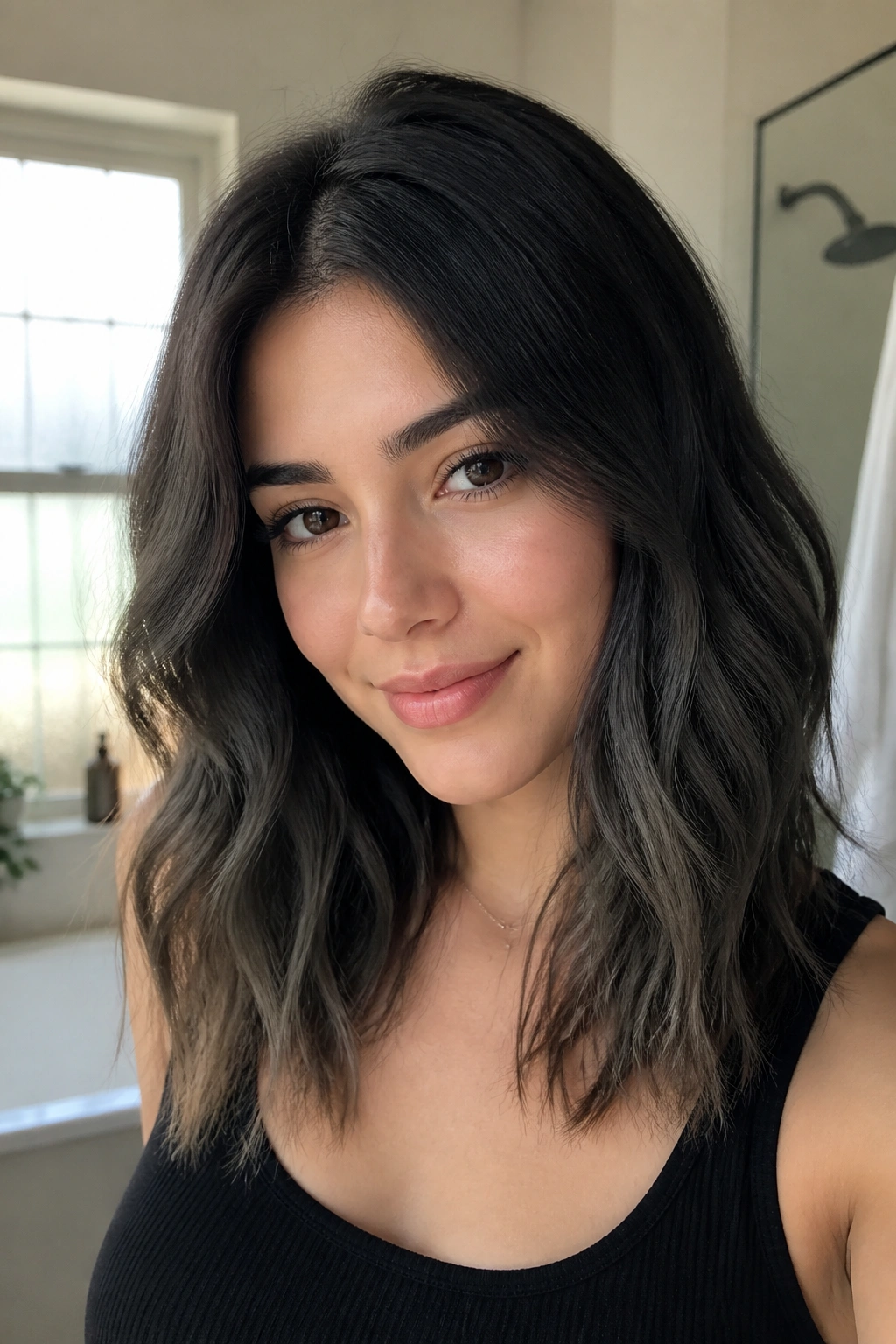
Root smudge sounds technical, but the effect is simple: darker roots melt into softer lengths, and the whole thing looks more natural than a solid block of dye. When the root tone is ash black, cool skin tones usually get a cleaner result.
This idea works well if you already have dark hair and want to deepen it without creating a helmet effect. A smudge also helps with grow-out. The transition from root to length is gentler, so you do not get that obvious line that some black dyes leave behind after a few weeks.
A good ash black root smudge should look deliberate, not streaky. The stylist blends the color close to the scalp, then softens it through the mid-lengths so the movement in the hair does the rest. It’s subtle. Maybe almost too subtle for someone who wants drama.
But if you want low-maintenance black that still flatters cool skin, it is hard to beat.
16. Raven Black With Teal Tips
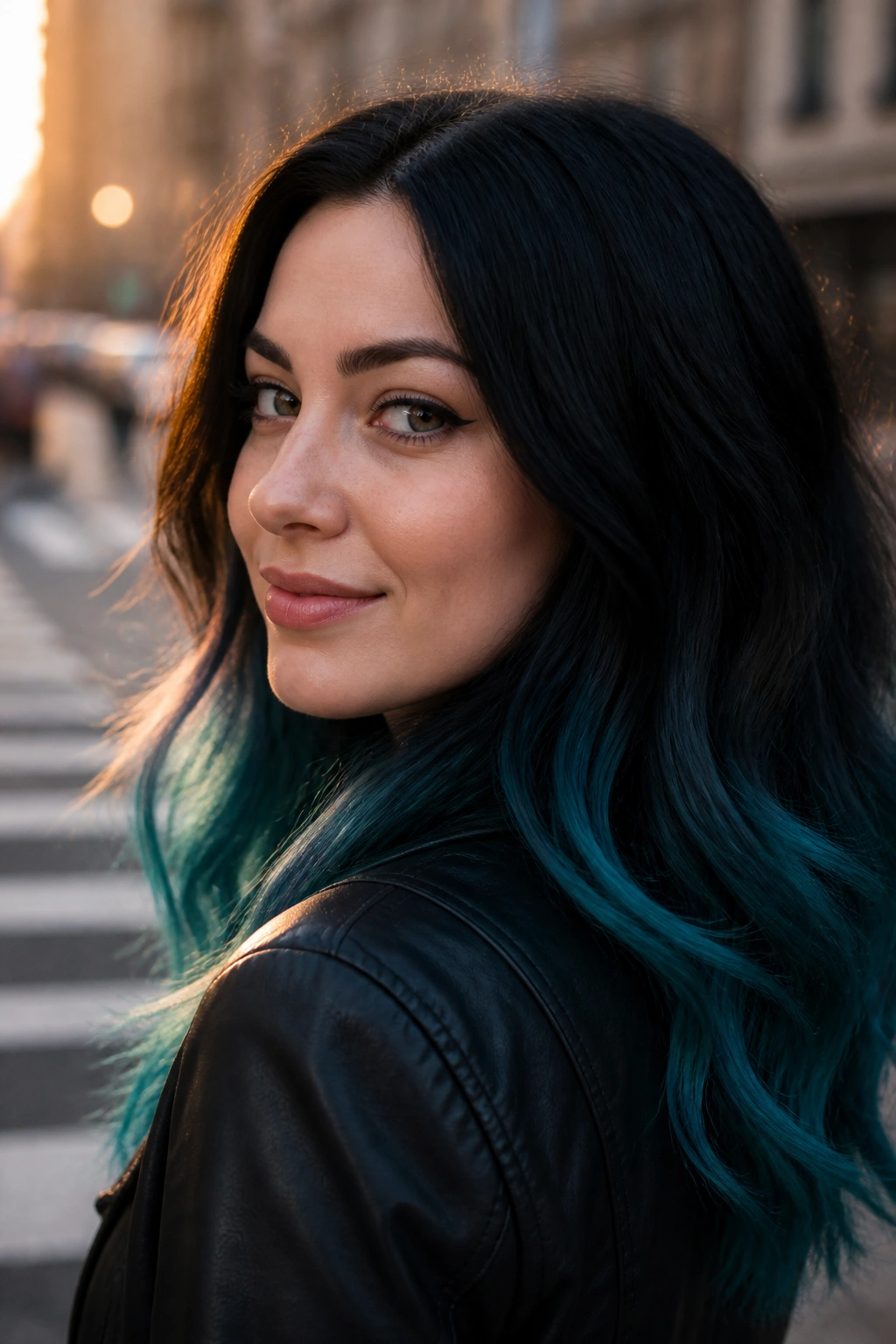
Teal tips on raven black hair are not for the timid, and I respect that. The black base keeps the look grounded, while the teal ends bring a cool-toned contrast that still plays nicely with cool skin.
The important part is choosing a teal that leans deep and smoky rather than bright and tropical. A bright teal can look playful, which is fine, but it changes the mood of the hair completely. A muted teal—almost peacock in low light—feels sharper. More wearable. Better next to cool complexions.
This style works best on straight or slightly wavy hair where the tips can show clearly. Curls can wear it too, but the placement needs to be a little deeper so the color doesn’t disappear in the curl pattern. If you like to change your look often, this is also a smart partial-color idea because you can trim the ends later and move on.
It has a little attitude. That’s the point.
17. Smoke-Black Curls With Gloss
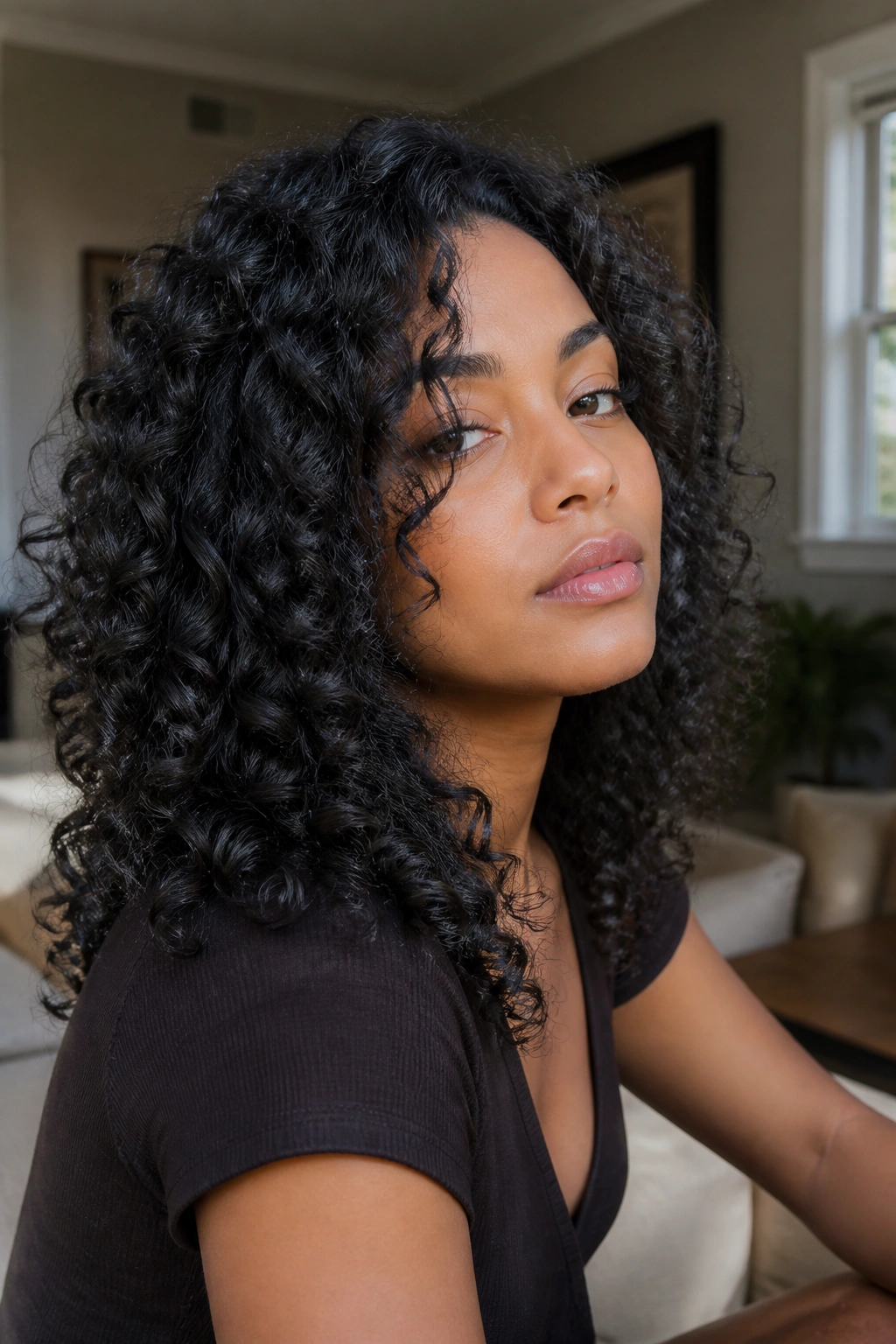
Smoke-black is gorgeous on curls because curls already create their own shape, and the smoky finish gives that shape more definition. The shade sits between black and charcoal, with a soft ash cast that keeps cool skin tones looking fresh.
What I love here is how the color changes as the curls move. A coil catches one shade. A wave catches another. Even a small amount of shine serum can make the layers look deeper and more detailed. Gloss matters, though not in a high-lacquer way. You want the curls to look hydrated, not coated.
If your hair is naturally dry, choose a color formula that is gentle and follow with a deep conditioner that does not leave heavy wax behind. Curls need bounce. Heavy product can make the whole look sink.
This is one of the few black shades that feels romantic without turning soft. It keeps its edge.
18. Blue-Black Gloss Melt
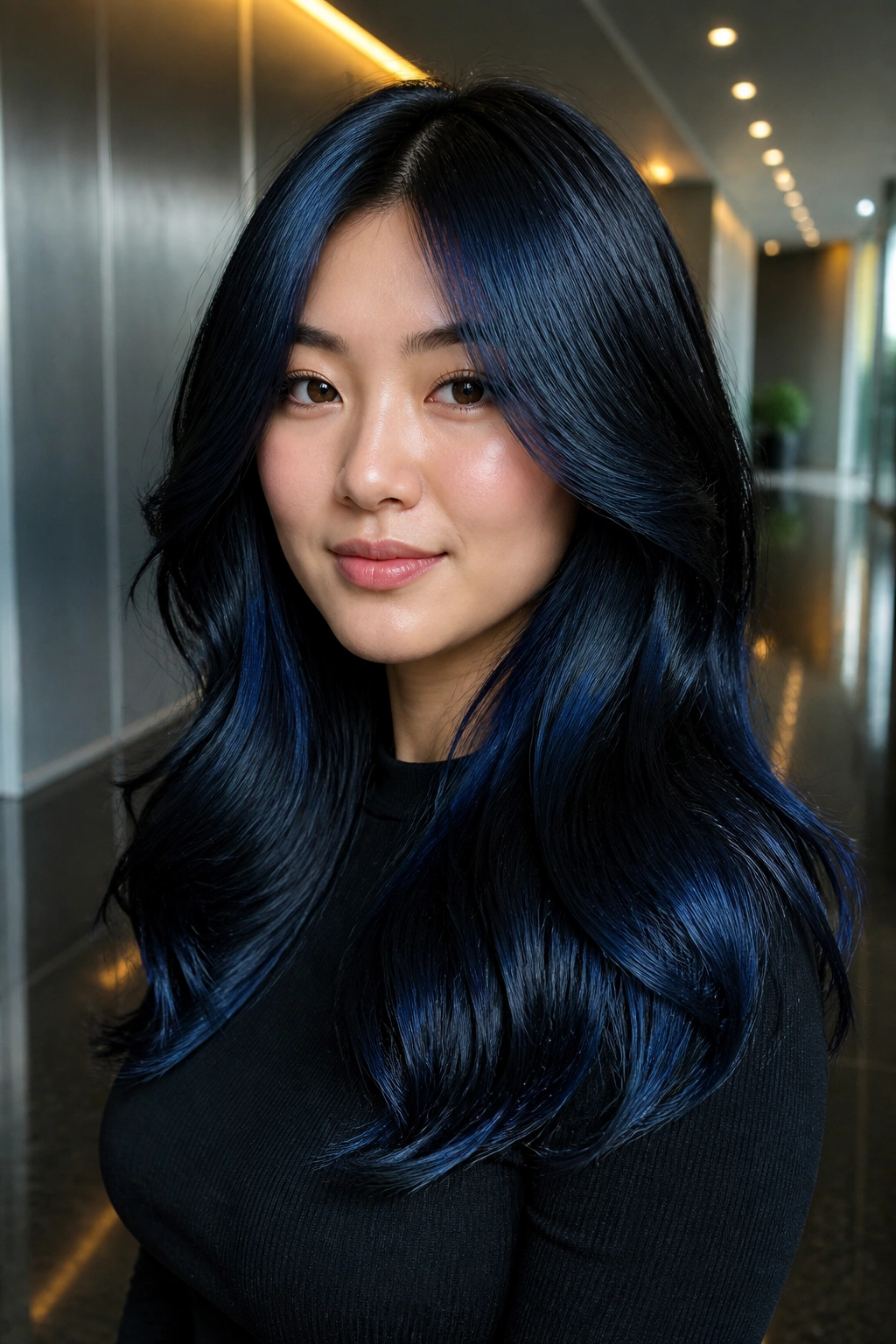
Blue-black gloss melt is the safest recommendation on this whole list if you want something polished and hard to mess up. The base stays dark, the gloss adds a blue sheen through the mid-lengths and ends, and the overall effect is sleek without being severe.
On cool skin tones, this shade is almost cheat-proof because it brings out the same crisp undertone family the skin already has. It also works across textures. Straight hair looks glassy, wavy hair looks dimensional, and curls pick up the blue cast in flashes that feel rich instead of loud.
If you want to ask for it at the salon, keep the language simple: black base, blue gloss, soft melt through the ends. That phrasing helps the colorist understand you want depth first and shimmer second. It’s a better fit than asking for a hard blue-black block from root to tip.
I’d pick this if you want one black shade that feels modern, flattering, and easy to live with. It has enough personality to avoid looking flat, and enough restraint to wear every day without tiring of it.
