



There is something undeniably powerful about a mohawk. It is a hairstyle that commands attention without saying a word, signaling confidence and an appreciation for structure. When you combine that edge with the versatility and protective nature of crochet styling, you get a look that is both striking and practical. Crochet styles allow you to experiment with colors, textures, and lengths that your natural hair might struggle to maintain on its own, all while keeping your natural strands tucked away and safe from daily manipulation.
Many people assume a mohawk requires a clipper and a steady hand at the barbershop. While that is one way to achieve the look, it is not the only path. You can create the illusion of a sharp, shaved-side mohawk using nothing more than cornrows and your preferred crochet hair. This approach gives you the freedom to wear an edgy, geometric style one month and switch to a completely different silhouette the next. The beauty of this method lies in the foundation—the braid pattern.
Mastering the crochet mohawk starts with the base. Most of these styles rely on a “mohawk braid pattern” where the hair on the sides is braided flat against the scalp, moving toward the center of your head, while the center section is left open or braided into a central part. The tension here is critical. If your base braids are too loose, the crochet hair will sag and look heavy. If they are too tight, you will experience unnecessary tension on your edges. Getting this balance right is the difference between a style that lasts six weeks and one that unravels in six days.
Preparing Your Hair for a Clean Crochet Base
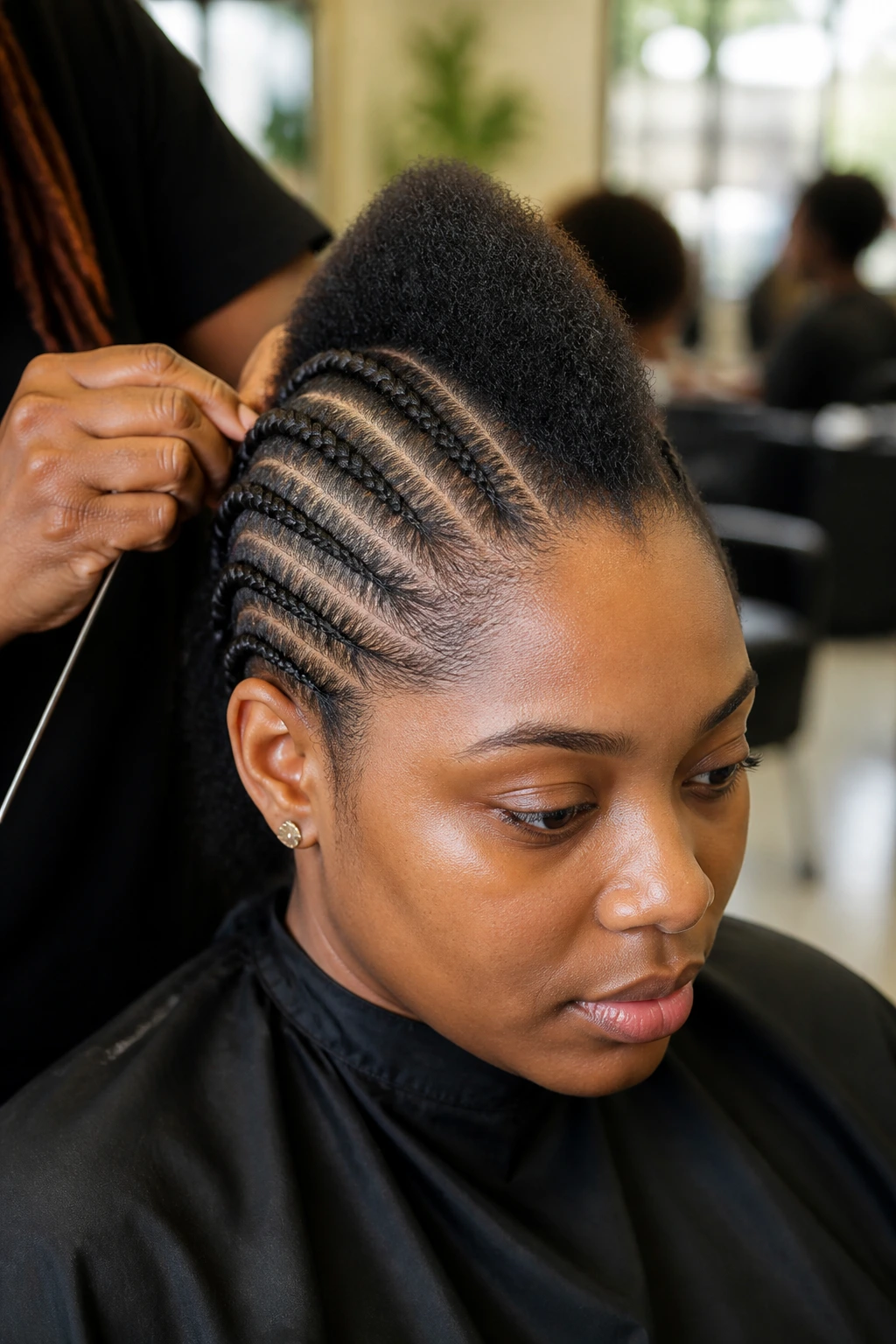
Before you even touch a latch hook, you need a solid foundation. The hair underneath dictates the shape of the final style. You are essentially building a scaffold for the extensions, and shortcuts at this stage will show up later. Start with freshly washed, deep-conditioned hair. Moisturizing is non-negotiable because those braids will be staying in place for several weeks.
For a classic mohawk, most stylists prefer a “straight-back-to-center” braid pattern. You want to cornrow the sides of your head going upward toward the mohawk center. The hair in the middle can be braided into a few vertical cornrows or, if you want maximum volume, you can leave the center section unbraided or create very loose, large braids to provide an anchor.
Use a high-quality edge control to keep the perimeter neat. When you are braiding, think about the transition from the scalp to the hair. The goal is to hide the tracks of the crochet hair so the style looks like it is growing directly from your scalp. Once the base is secure, you are ready to start installing.
1. Deep Wave Faux-Hawk
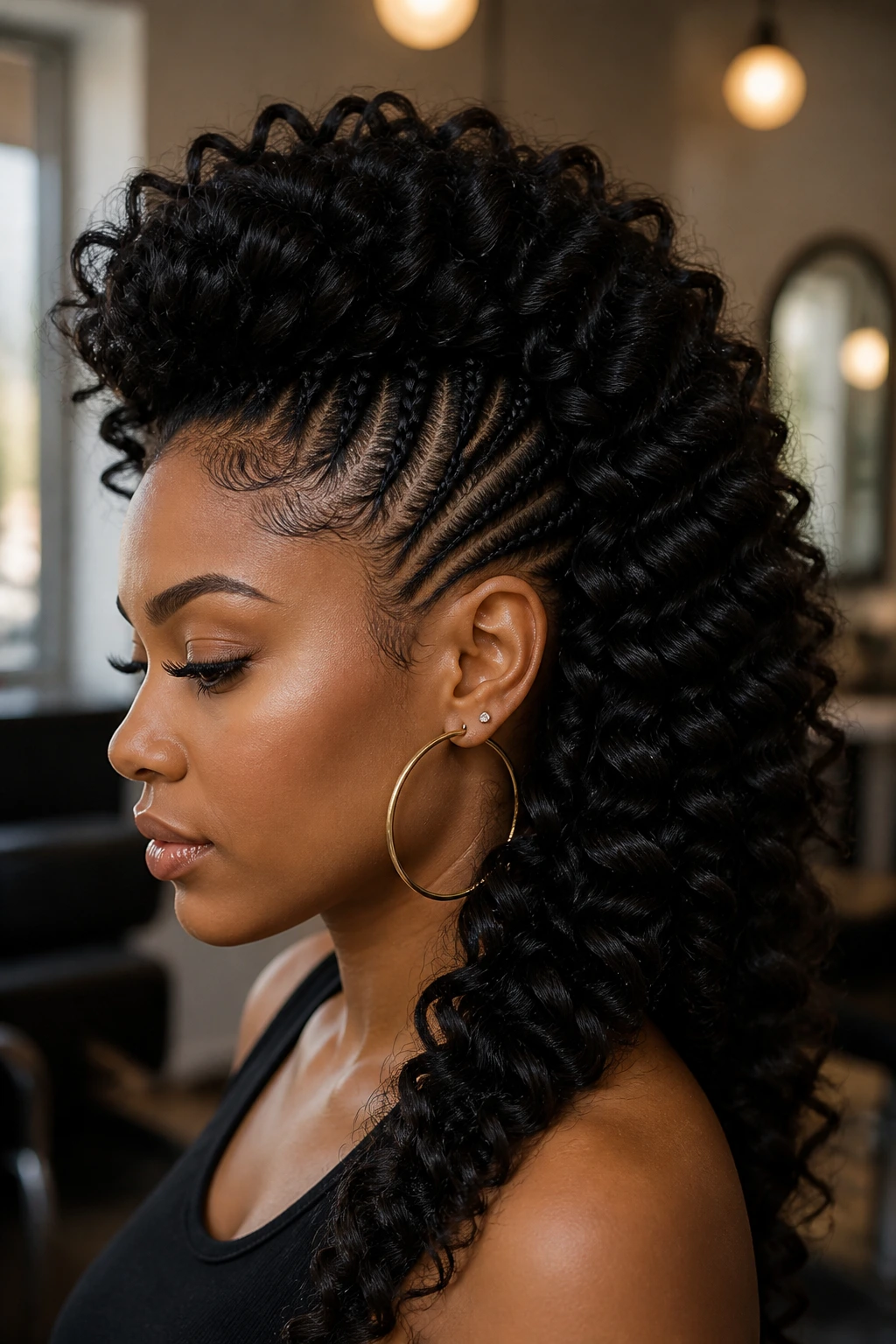
This style plays on volume and drama. Deep wave crochet hair is perfect for this because the curl pattern is dense, which helps fill in the mohawk section quickly without needing a massive amount of hair. The goal here is to create a cascading effect of curls that flows from the crown of your head down to the nape of your neck.
Why It Works
The deep wave texture creates a natural, blended look that hides the base braids incredibly well. You do not need to worry about spacing the hair too tightly because the volume of the curls will naturally fill the gaps. It offers a soft, romantic contrast to the sharp, edgy shape of the mohawk.
Tips for Installation
- Start installing from the nape of the neck and work your way up to the crown.
- Use smaller sections of hair at the hairline to keep the look natural and not too bulky.
- Pro Tip: Gently pull the curls apart with your fingers after installation to increase the volume and soften the harsh lines.
2. Boho Goddess Locs Center-Part
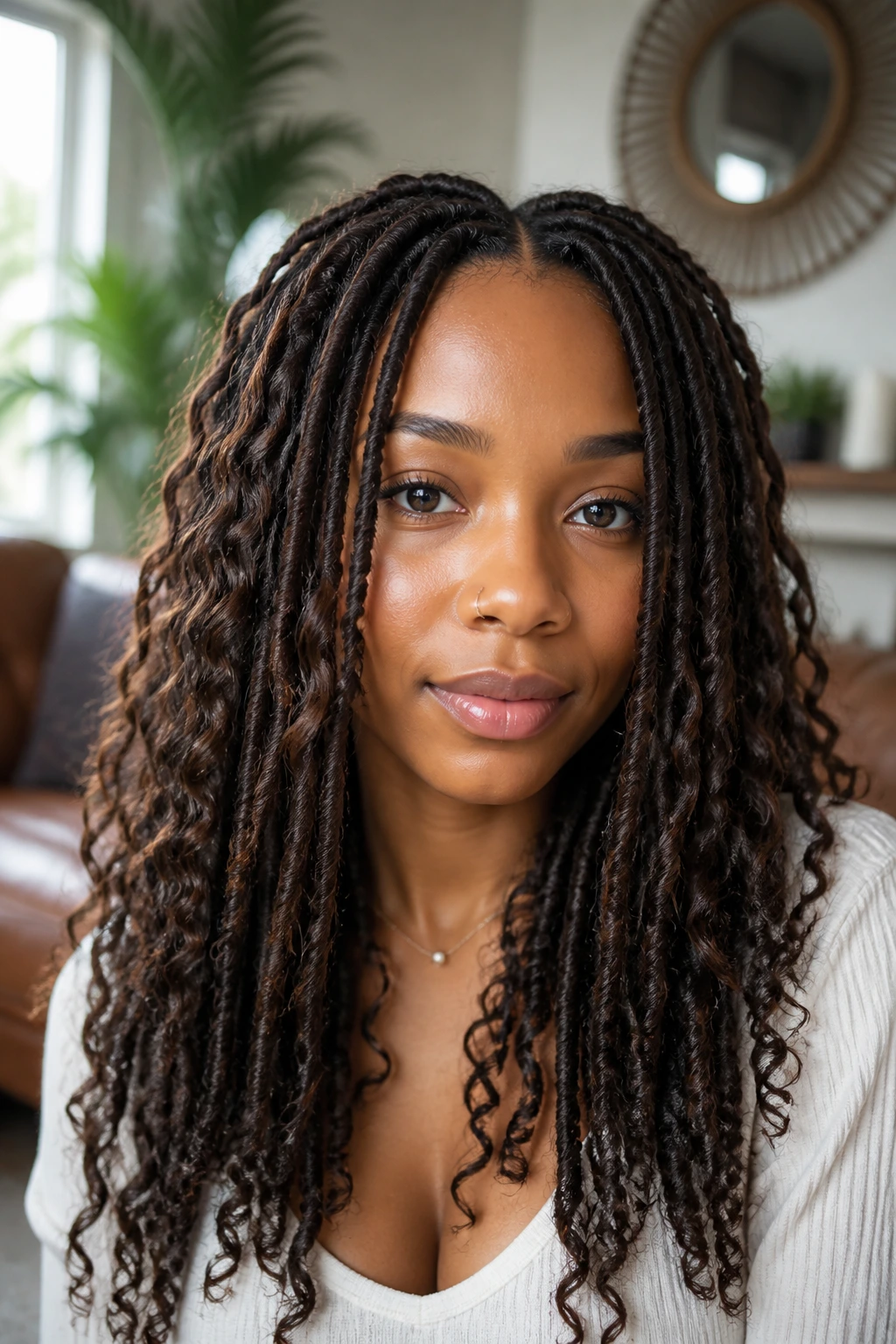
Boho goddess locs bring a relaxed, bohemian vibe to a traditionally tough hairstyle. By using pre-looped locs that have loose, curly ends, you add texture and movement to the silhouette. This look is fantastic if you want something that looks slightly distressed and lived-in from the moment you leave the stylist’s chair.
Managing the Texture
These locs can get frizzy, which is actually part of the charm. If you find the ends getting too tangled, use a bit of mousse to redefine the curls. Do not fight the frizz too hard; it adds to the bohemian aesthetic.
Styling Variation
- Pull the locs into a high, loose bun at the very top for a different shape.
- Accessorize with gold or silver hair cuffs to break up the color of the locs.
- Important: Make sure your base braids are extra firm, as locs can be heavier than loose hair and will pull on the braids more.
3. Tight Kinky Curly Updo
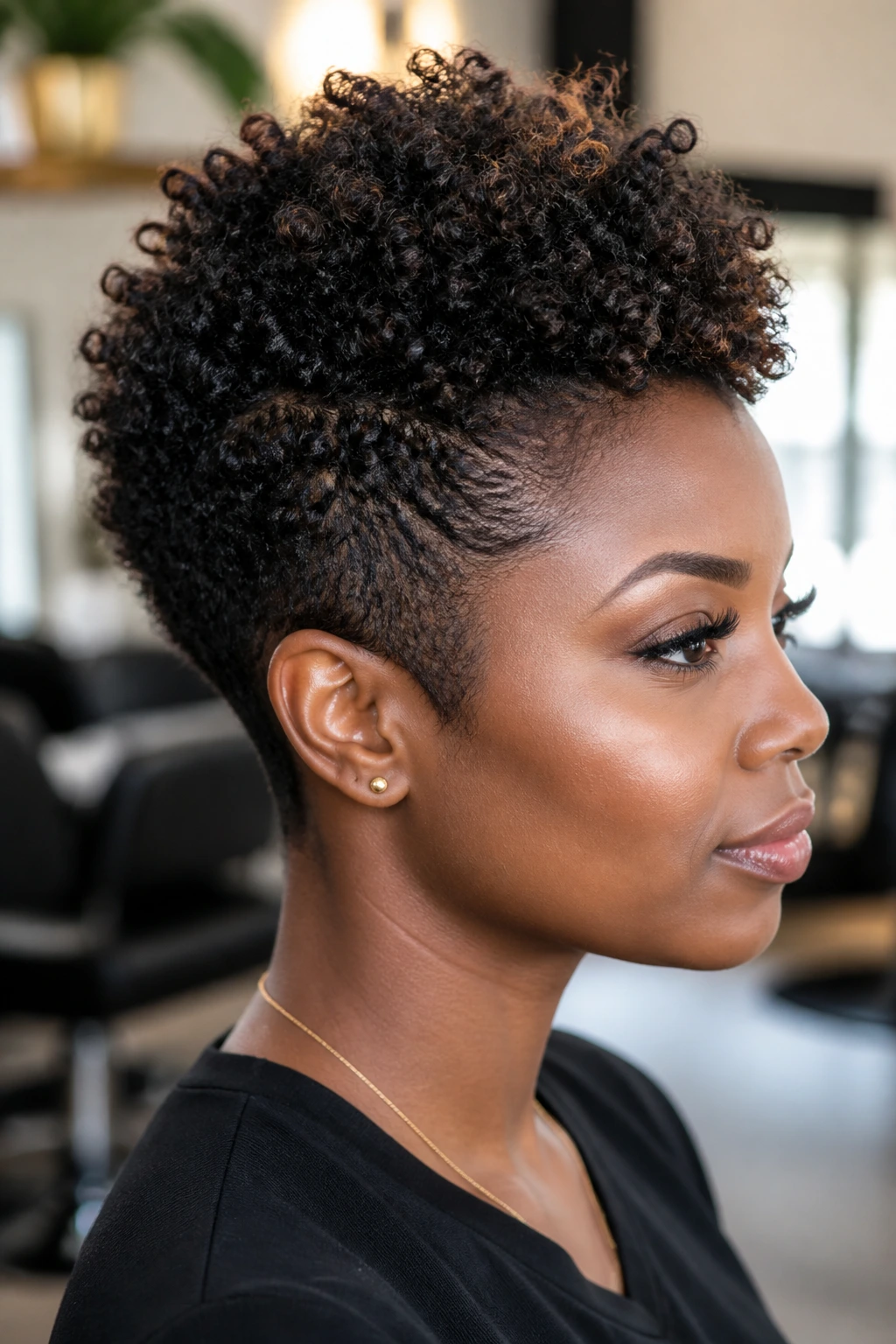
This is a classic “fro-hawk” look. Using kinky-curly texture hair, you can create a style that mimics a voluminous natural afro. It is dense, packed, and perfectly shaped. This style is often shorter than other mohawks, sitting closer to the head, which makes it an excellent choice for a professional environment or someone who prefers a low-maintenance, compact style.
The Construction
Because the hair is kinky-curly, you have to be careful with the installation. If you pack too much hair in, the style will look more like a wig than a mohawk. Use less hair than you think you need. The curl pattern does the heavy lifting in terms of volume.
Daily Upkeep
- Use a satin bonnet at night to preserve the curl pattern.
- In the morning, shake the hair lightly to fluff it out.
- Avoid using oil-heavy sprays as they can weigh down the tight curls and make them look matted.
4. Big Barrel Twist Mohawk
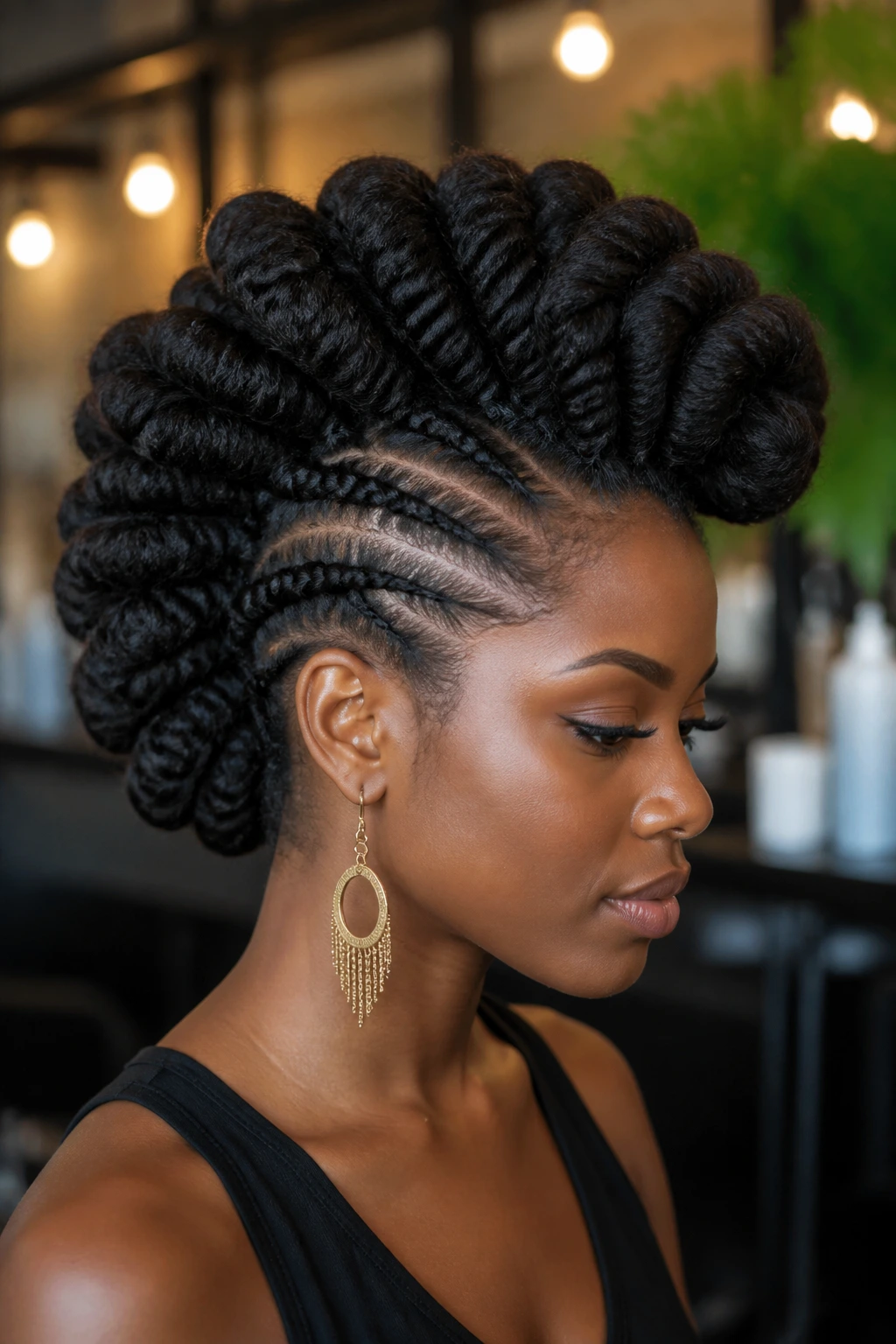
Barrel twists are a sophisticated way to wear a mohawk. You are essentially using large, rope-like twists rather than loose curls. This creates a more uniform, structured look that feels very intentional and polished. The twists should run from the sides of the head toward the center, meeting in the middle to create that distinct mohawk ridge.
Structure and Form
You can achieve this look using pre-twisted hair. Install the twists so they stand up slightly in the middle. If you use crochet hair that is a bit longer, you can curve the ends to create a soft, rounded shape rather than a jagged, spiked one.
Why This Style Lasts
- The tighter the twist, the less friction it causes.
- Barrel twists are less prone to matting than loose curls.
- They look better as they get slightly older, as the new growth blends well into the twists.
5. Sleek Cornrow Base with Curly Top
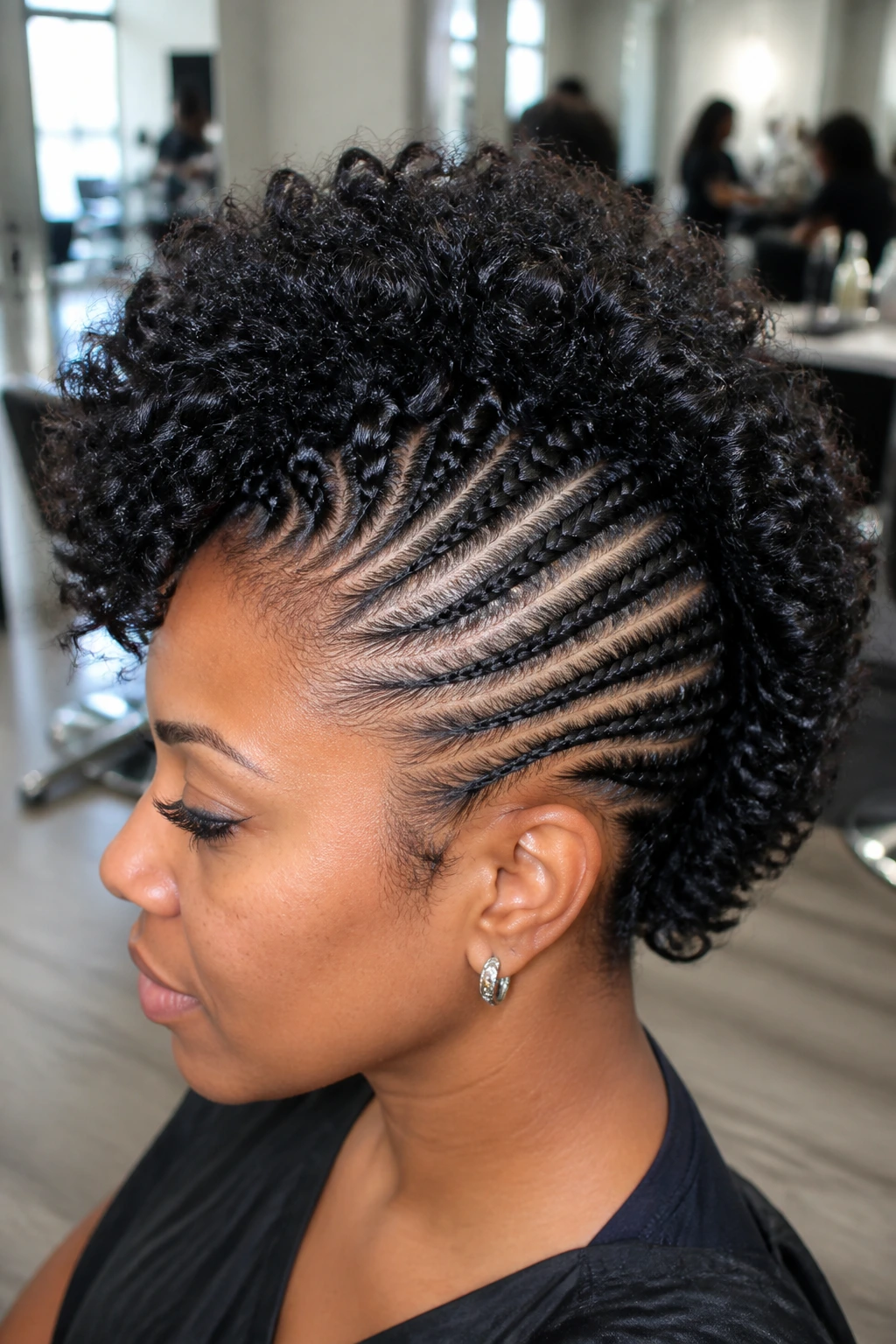
This style is all about the contrast. You create the mohawk shape by having intricate, artistic cornrows on the sides of your head—either in a classic straight-back pattern or a geometric design. Then, for the mohawk center, you add soft, bouncy curls. The tight, sleek sides emphasize the height and texture of the center section.
Achieving the Precision
- The cornrows on the side need to be neat. Use a pomade or edge wax to lock down flyaways.
- Ensure the transition between the cornrowed section and the loose curly section is sharp. You can do this by using a slightly different hair texture for the mohawk center, like a tighter coil, to make it pop.
Styling Advice
- This look benefits from a bit of accessories. Metallic rings or beads woven into the side cornrows can really elevate the style.
- Keep the scalp underneath the cornrows oiled with a lightweight serum or tea tree oil to prevent dryness.
6. Color-Pop Passion Twist Mohawk
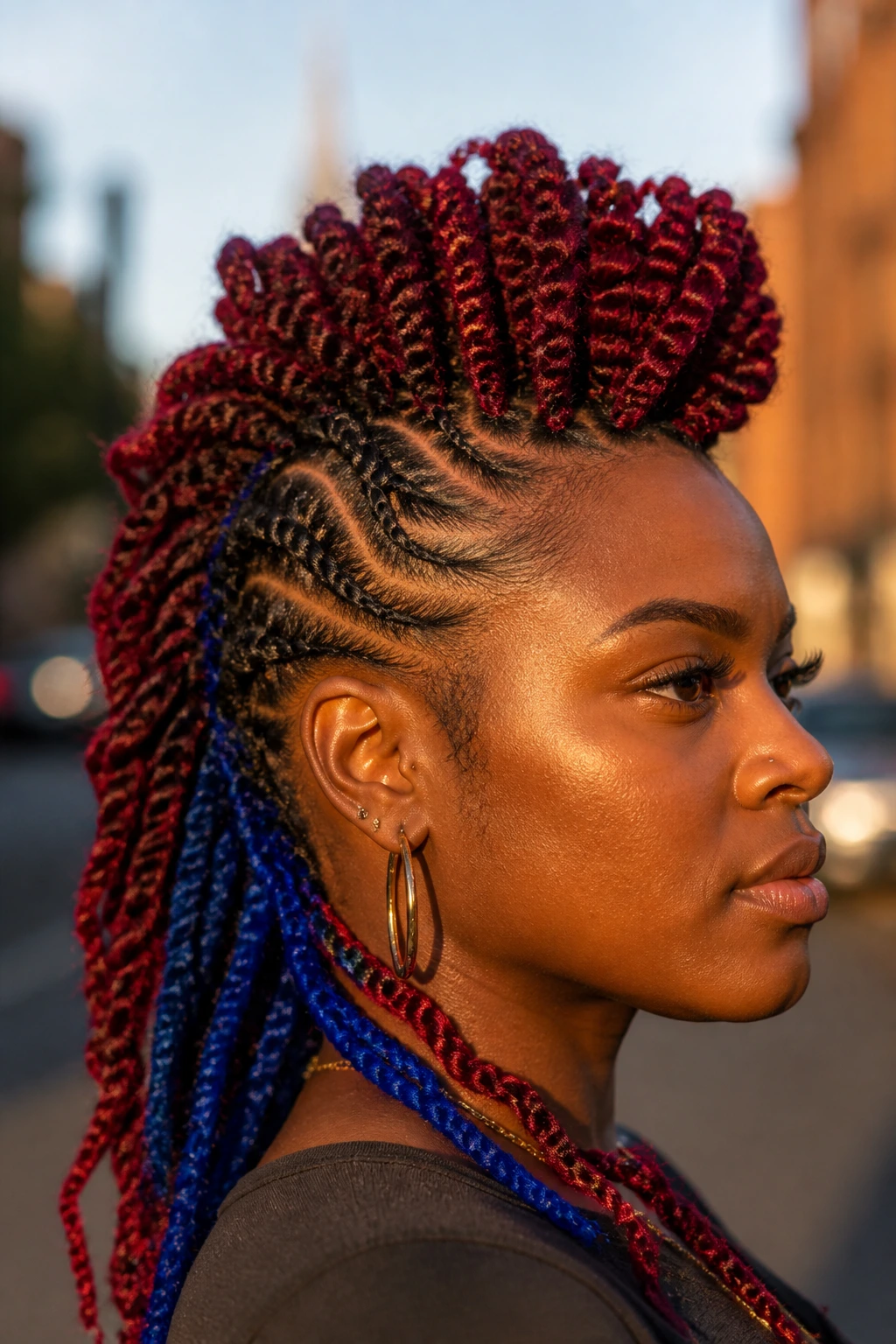
Passion twists are softer and have a more irregular, wavy texture than traditional Senegalese twists. By using passion twists in a bold color—like deep burgundy, honey blonde, or electric blue—you turn the mohawk into a statement piece. The mohawk shape itself is neutral, but the color and texture make it a showstopper.
Color Considerations
If you are new to colored hair, start with a subtle blend, like an ombre effect where the roots are your natural color and the ends shift to a lighter shade. This gives you the pop of color without needing to dye your natural base hair.
The Maintenance Factor
Passion twists tend to have a bit of a sheen when new. To make them look more natural, you can gently pull the twists to roughen them up slightly after installation. This removes that “fresh from the pack” plastic look and gives them a more lived-in, authentic texture.
7. Short Pixie-Cut Style Crochet
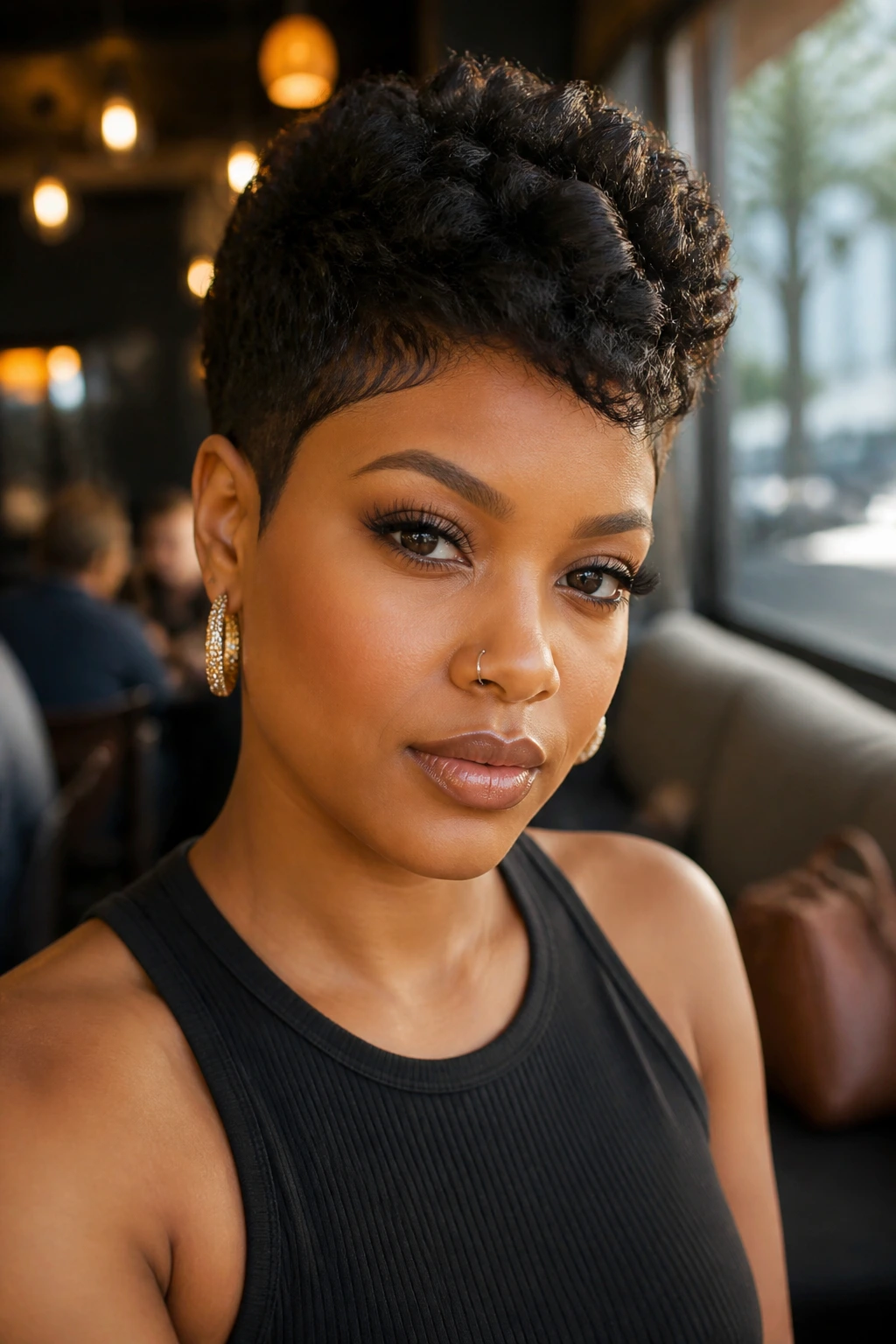
Not every mohawk needs to be long and flowing. A pixie-cut crochet mohawk is incredibly chic and minimalist. You use very short, layered curly hair to create a cropped, edgy silhouette. This is a fantastic option if you want to keep your neck free and want a style that is truly wash-and-go in terms of styling.
Why It’s Unique
This style relies on the cut more than the install. After installing the hair, you may need to go in with shears and trim the ends to ensure the mohawk has that sharp, tapered shape. It is a bold move, but it pays off with a sophisticated, tailored look.
Tools You Need
- A pair of high-quality hair cutting shears (do not use kitchen scissors).
- Mousse to define the curls after the cut.
- A steady hand—take off a little bit of length at a time.
8. Spring Twist Asymmetric Mohawk
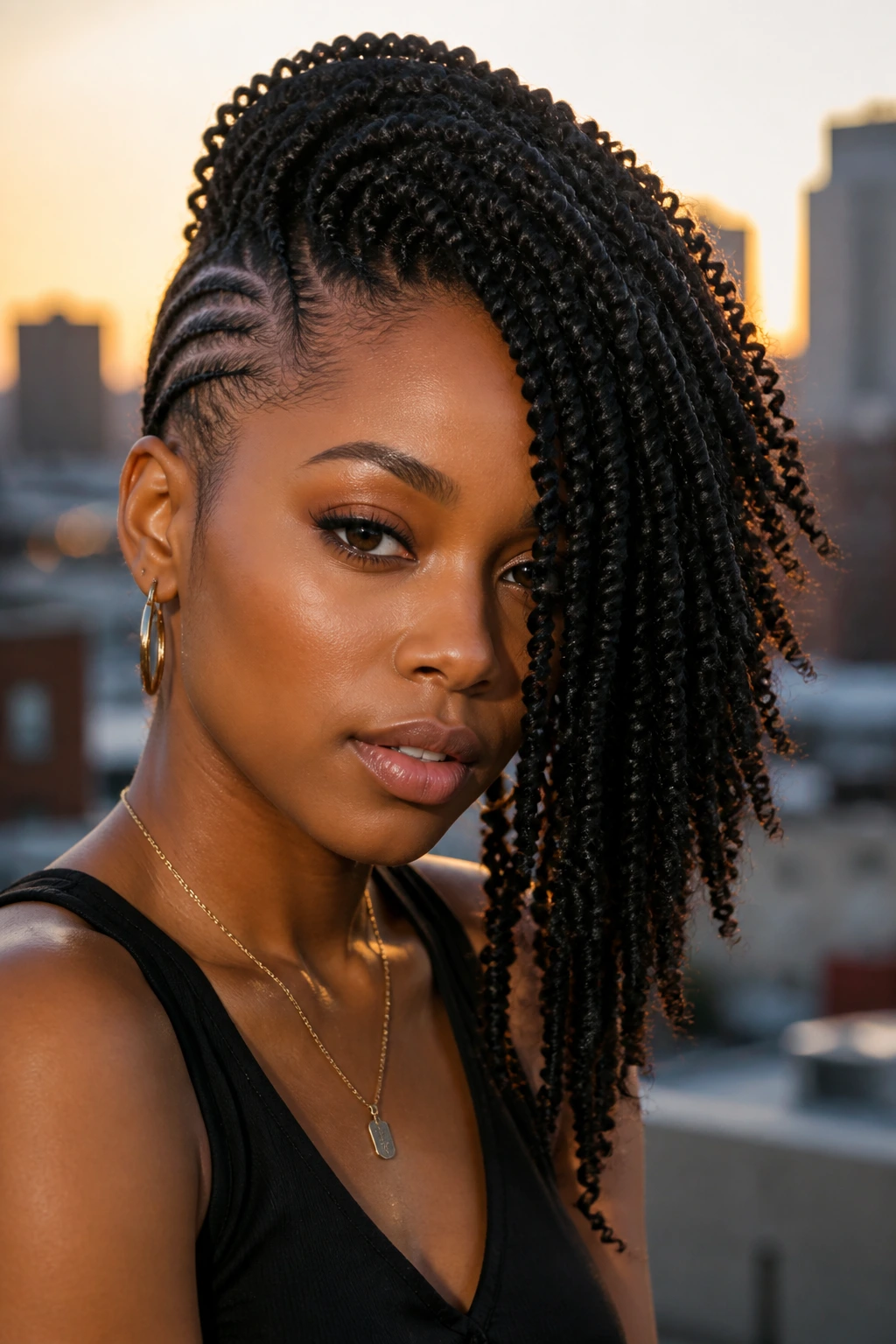
Spring twists are bouncy and have a distinct spiral pattern that holds up remarkably well over time. An asymmetric mohawk takes this texture and pushes it to one side, creating a swept, dramatic effect. Instead of the mohawk standing straight up or sitting perfectly centered, it leans, giving you a dynamic and fluid look.
The Technique
The “asymmetric” part comes from how you braid the base. Create a deeper side part on one side of your head and braid the hair tighter there. This forces the crochet hair to naturally fall toward the side with less tension, creating that beautiful, sweeping silhouette.
Handling the Weight
Spring twists can get heavy. Ensure that your base braids are dense enough to support the weight. If you feel too much pulling, scale back the number of twists you install. You want a full look, but not one that gives you a headache.
9. Faux-Hawk with Shaved Sides Effect
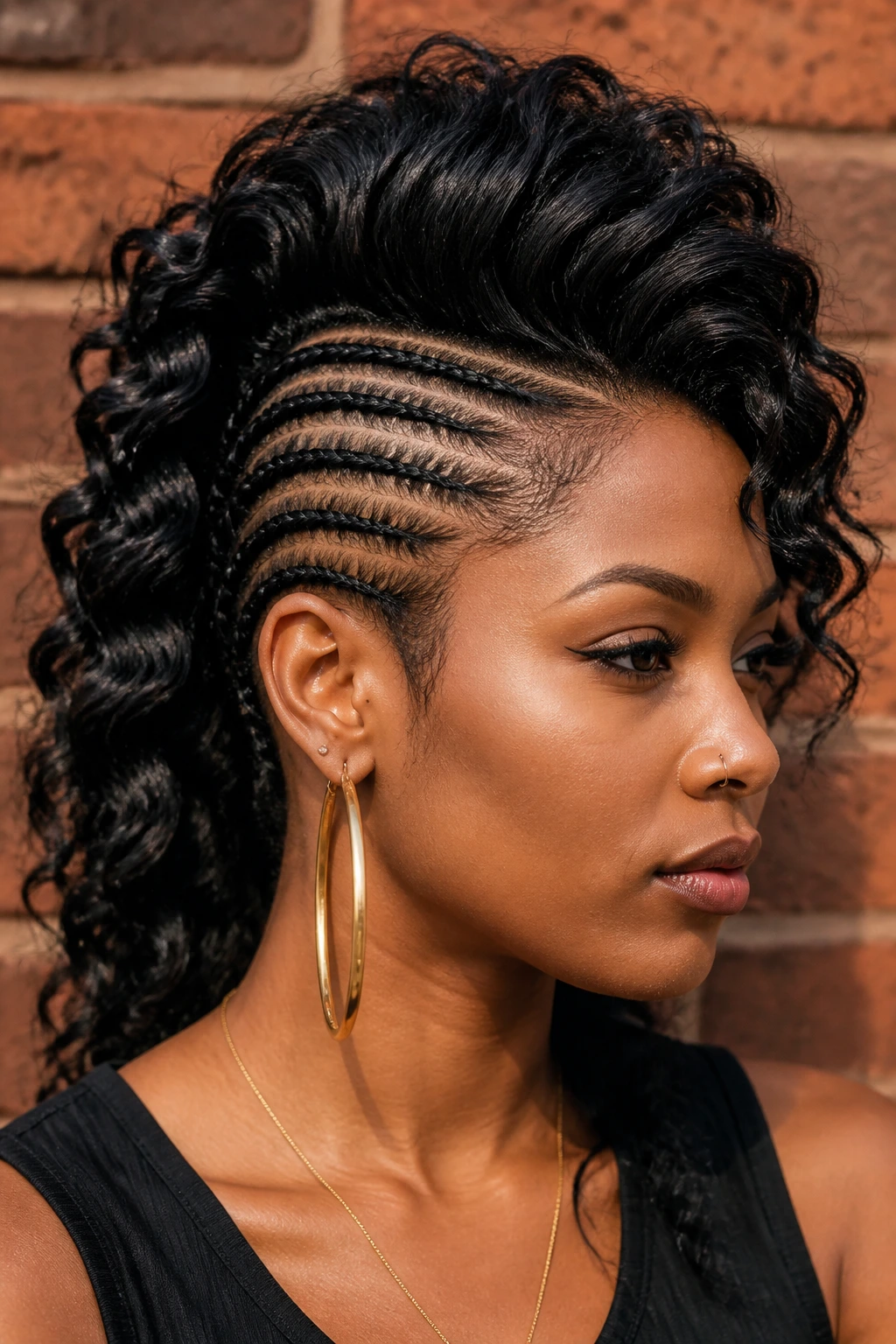
This style is for the person who loves the look of a shaved head but isn’t ready to commit to the clippers. You create the “shaved” sides by braiding very small, intricate cornrows that run horizontally from your hairline toward the center mohawk section. The tightness of these small braids creates a flat, sleek appearance that mimics a buzzed cut.
The Mechanics
- The smaller the cornrow, the more “shaved” it looks.
- Use hair jewelry or gold string to decorate the braids on the sides.
- In the center, use longer, flowy hair to contrast with the rigid sides.
Why This Style Wins
It provides the ultimate sharp contrast. The geometric nature of the braids against the soft, free-flowing center is visually striking and highlights the artistry of your stylist (or your own skills if you are braiding yourself).
10. Wand-Curl Volume Mohawk
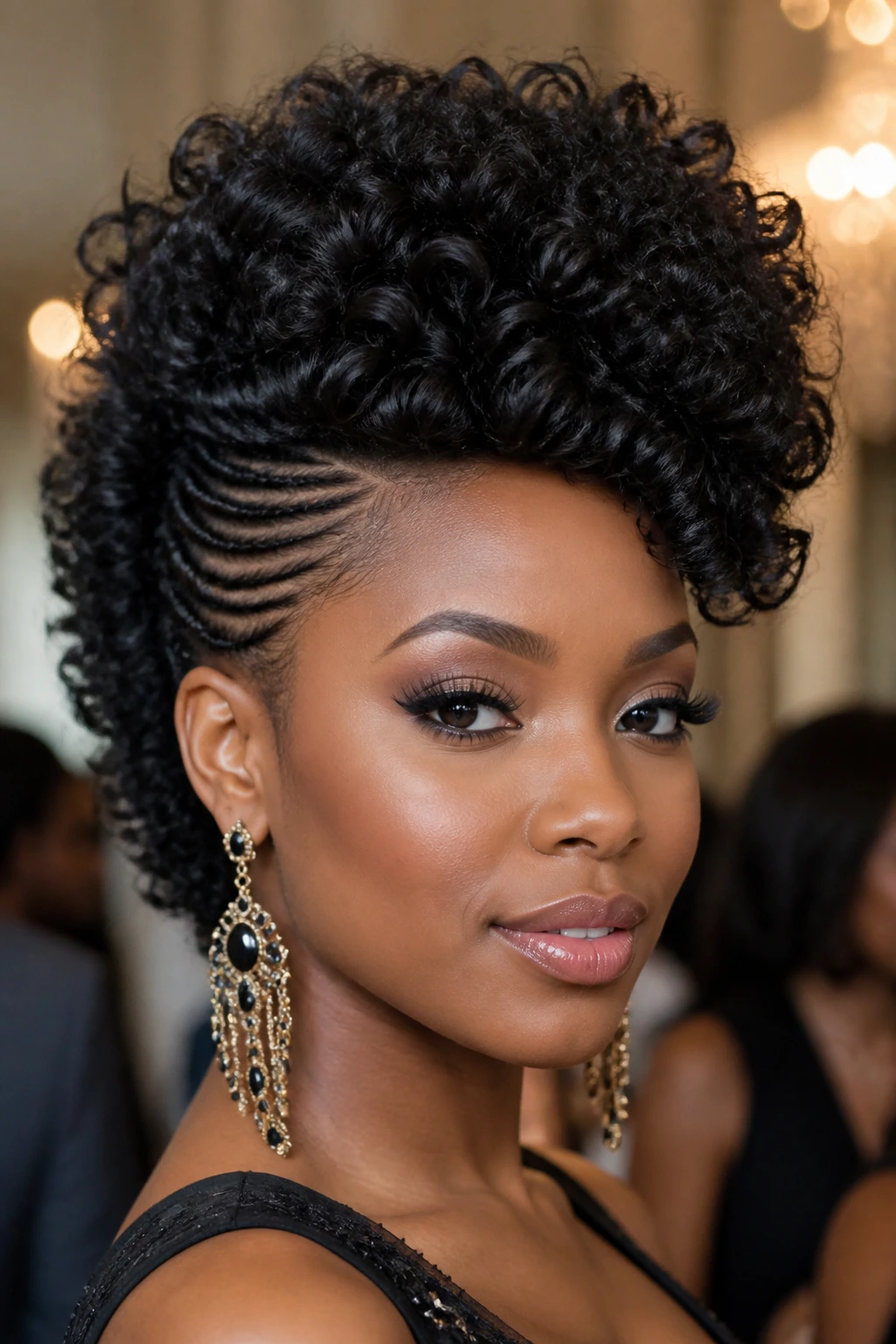
Wand curls are elegant and uniform, offering a polished finish that is perfect for events or professional settings. By installing wand-curl crochet hair, you get a mohawk that looks like it took hours of manual styling. It is soft to the touch and has a beautiful, consistent bounce.
Creating the Shape
Wand curls can be slippery. To ensure they stay in the mohawk shape, you might need to use a few bobby pins at the base of the crown to pull the hair slightly forward or upward. This allows you to sculpt the mohawk exactly how you want it to sit on your head.
Keeping it Fresh
- Avoid sleeping with cotton pillows; use a silk or satin scarf.
- If the curls lose their definition after a few weeks, use a light setting foam to scrunch them back into shape.
- Never brush these curls, as it will ruin the ringlets; use your fingers only.
11. Butterfly Loc Mohawk
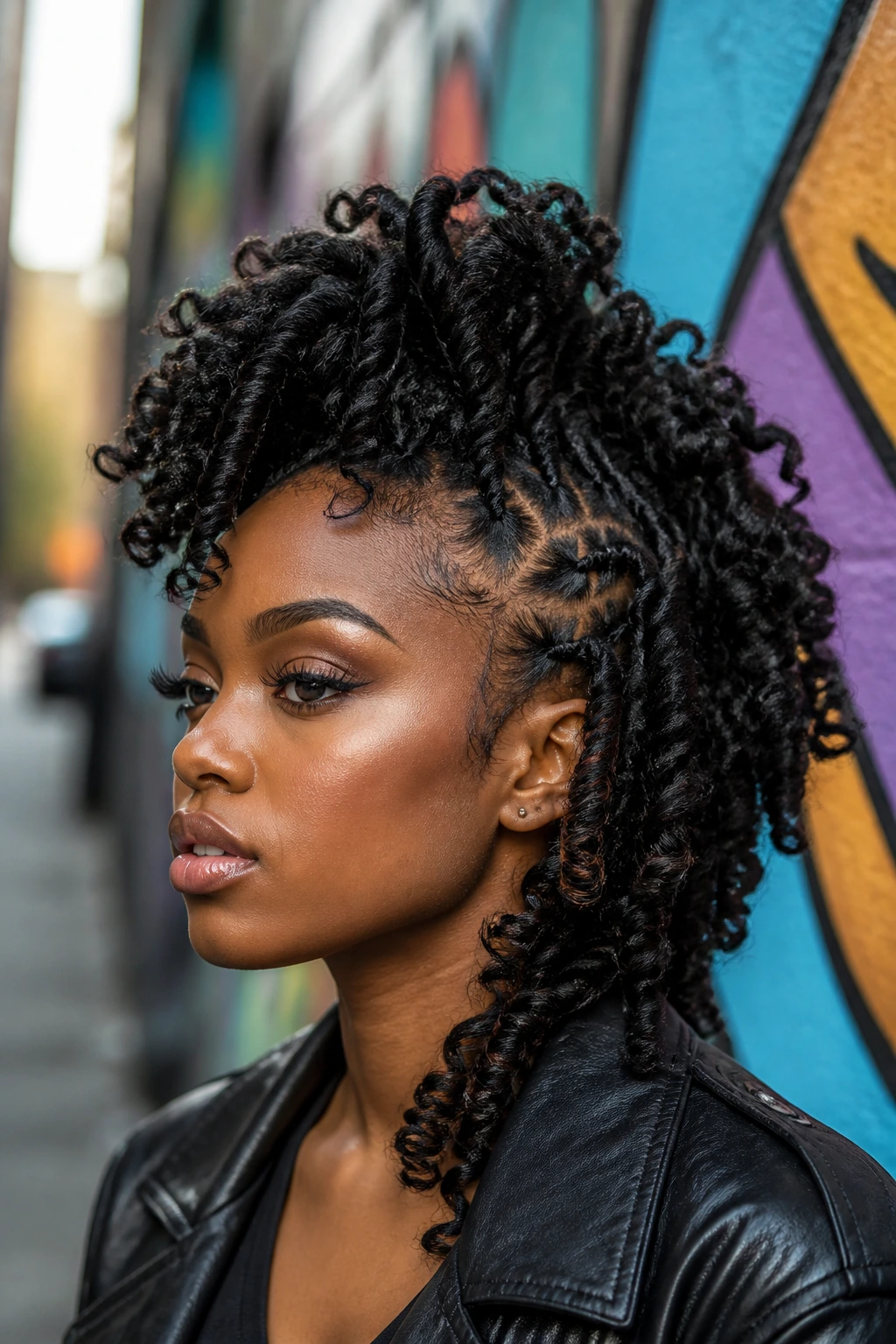
Butterfly locs are known for their loops and distressed, messy look. When fashioned into a mohawk, they look incredibly cool and edgy. The loops create a lot of texture, so you don’t need much hair to get a full, dramatic result.
The Style Aesthetic
This style is inherently “undone.” If a loop comes loose, it just adds to the style. This makes it one of the easiest maintenance options on the list. You do not have to worry about perfectly smooth locs.
Tips for Success
- Keep the locs shorter for a mohawk; long butterfly locs can become very heavy and pull on the braids.
- Mix in a few shorter, non-loc strands if you want more variety in texture, though the locs themselves are usually enough.
12. Tapered Fro-Hawk
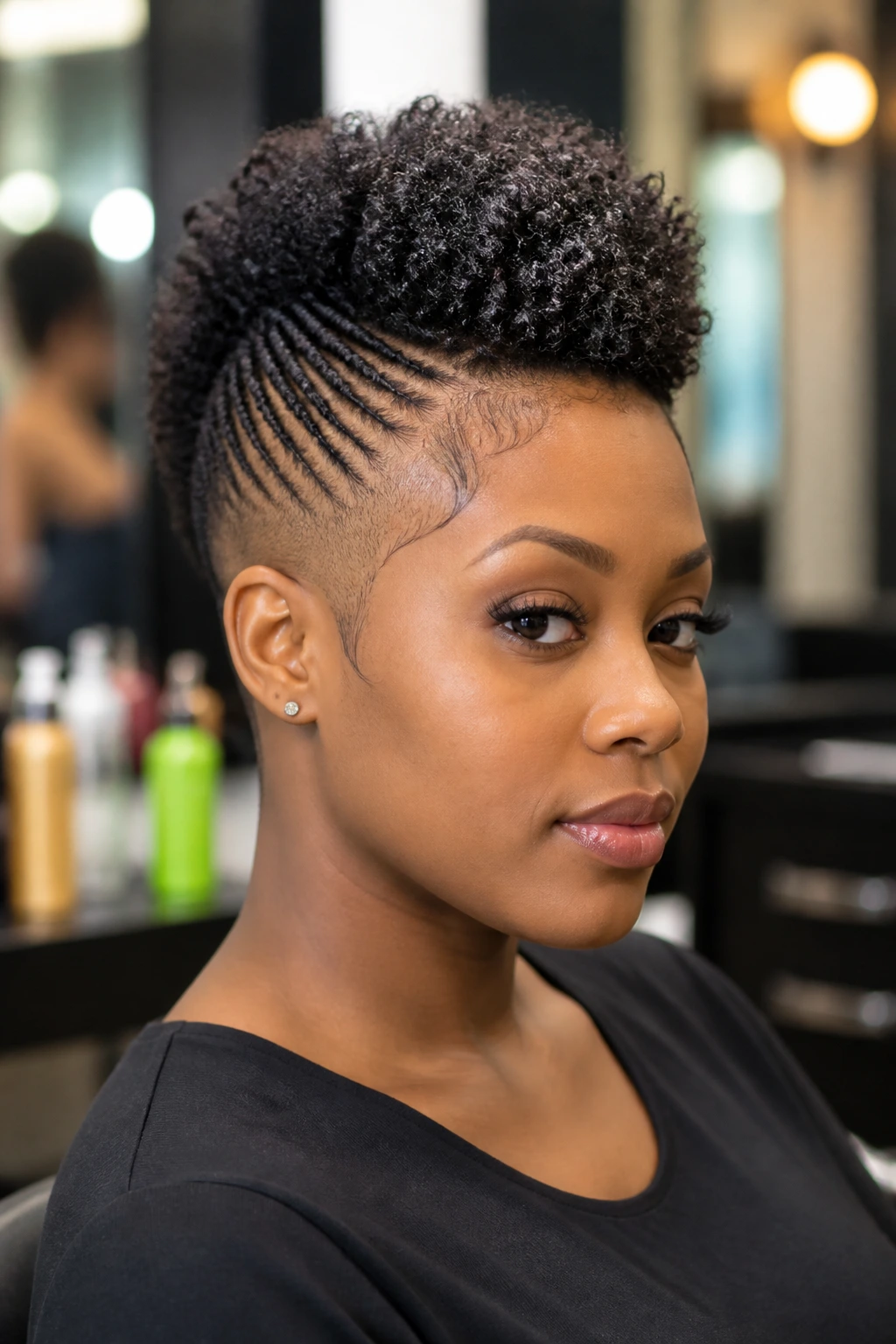
A tapered fro-hawk focuses on the gradient of the hair. It is shorter at the nape of the neck and the front hairline, getting longer and fuller as it moves toward the crown of the head. This mimics a traditional taper fade cut.
The Construction
This requires careful planning of the braid pattern. The braids at the nape should be very flat. As you move up, you can incorporate more hair to build the height. It is a precise style that looks incredibly sophisticated.
Styling Nuance
- Use a headband or a decorative scarf tied around the hairline to accentuate the taper.
- If you have natural hair at your edges, blend it with a bit of gel to ensure the transition from scalp to crochet hair is seamless.
13. Long and Straight (Yaki) Mohawk
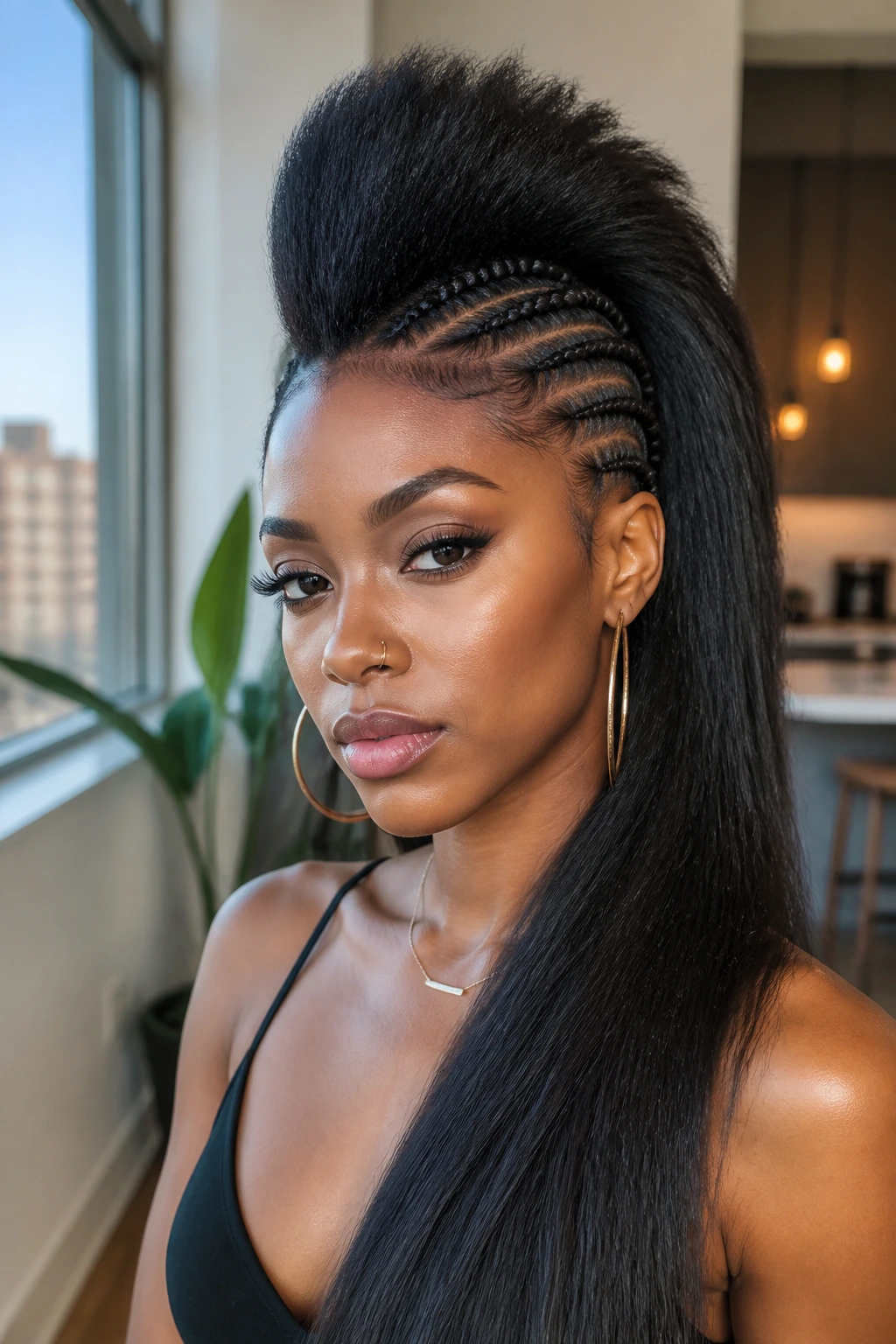
Most crochet styles focus on curls, but a Yaki straight mohawk is sleek, dramatic, and very bold. Yaki hair has a textured, slightly crimped feel that mimics blown-out African-American hair, making it look much more natural than silky, synthetic straight hair.
The Challenge
Straight hair shows every imperfection. You must be meticulous with your braid pattern underneath. If the braids are lumpy, the hair will sit unevenly. Ensure your braids are as flat as possible.
Care and Maintenance
- Because the hair is straight, it will tangle more easily than curls.
- You will need to wrap the hair at night or use a sleep bonnet to keep it smooth.
- Use a paddle brush to detangle the ends daily to prevent matting.
14. Senegalese Twist Updo Mohawk
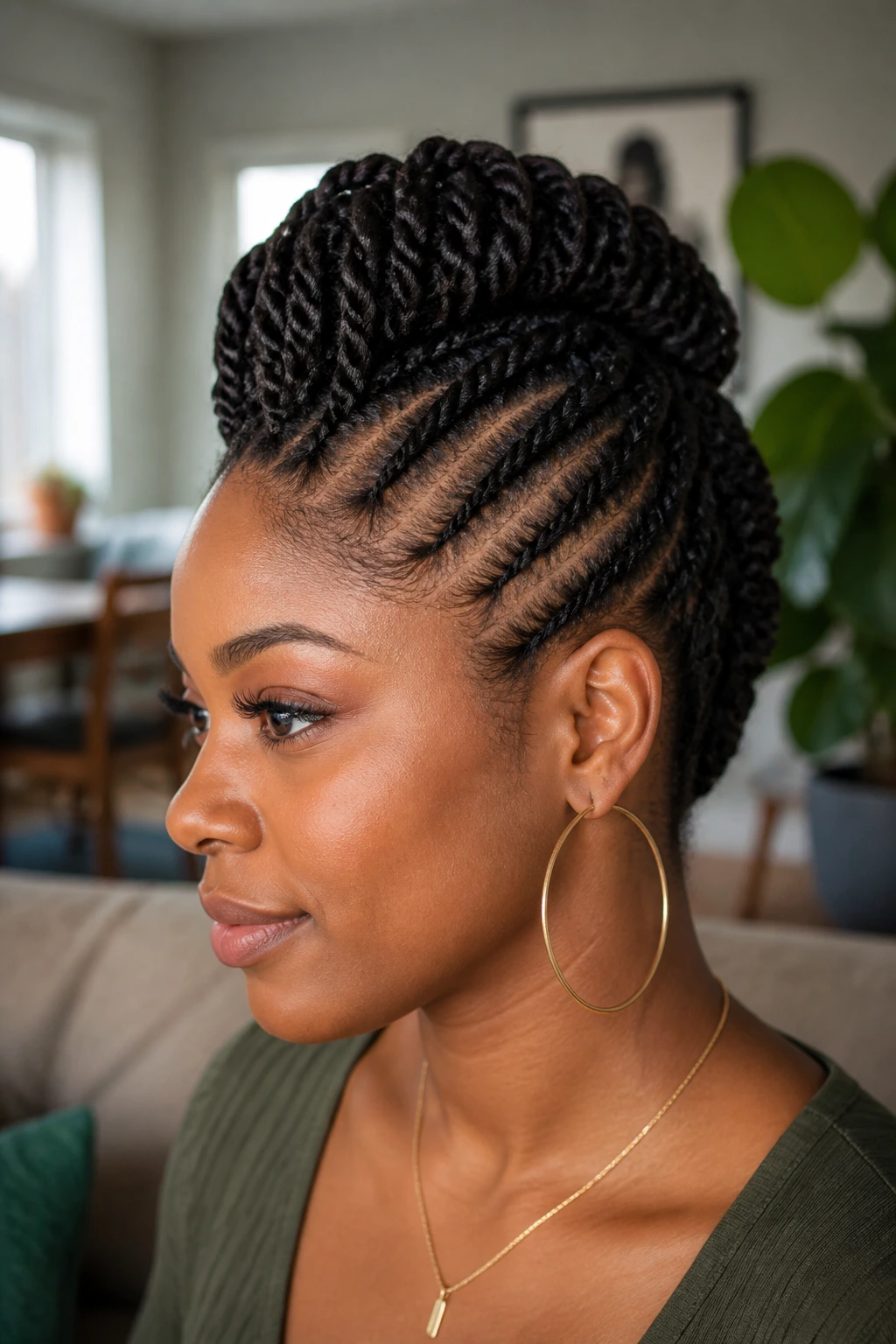
Senegalese twists are smooth, rope-like, and very tidy. When you install them into a mohawk pattern, you get a clean, architectural look. This is a very “neat” style—great if you prefer a look that feels controlled and put-together.
The Installation
Twists can be heavy. To prevent them from just flopping over, you will need to pin them. Take the twists at the center and pull them slightly upward or to the side, securing them with invisible hair ties or pins to maintain the mohawk shape.
Versatility
Because they are just long twists, you can actually take the mohawk down and wear the hair down or in a high ponytail if you want a change of pace. It is essentially two hairstyles in one.
15. Jumbo Knotless Braid Mohawk
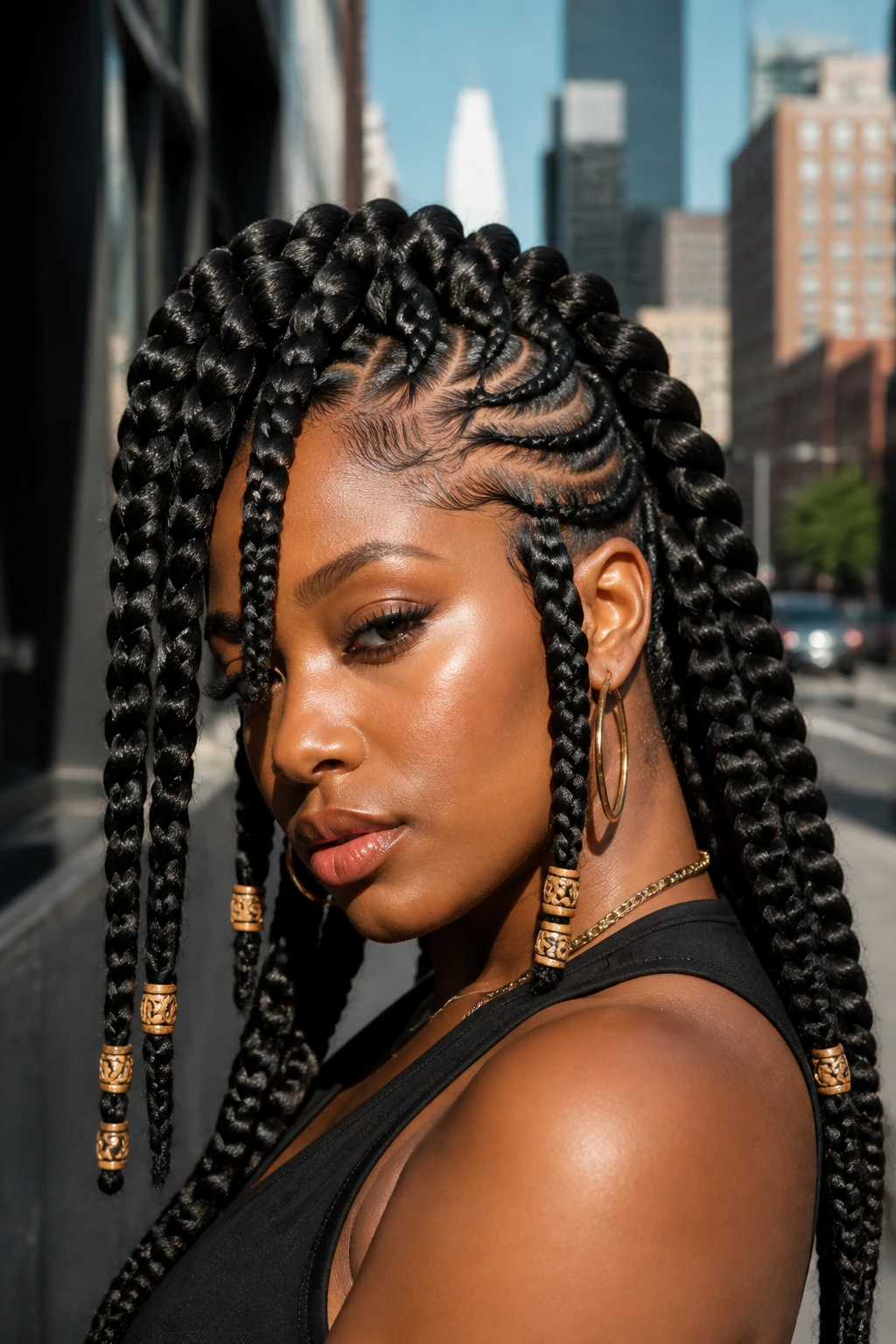
Knotless braids are currently one of the most popular protective styles because they lack the tension of traditional box braids. By crocheting jumbo knotless braids into a mohawk, you get the aesthetic of thick, chunky braids without the hours of sitting in a chair.
Why This Style Works
It is fast. You can install jumbo braids in a fraction of the time it takes to do individual box braids. The “knotless” appearance at the base makes it look like the braids are growing out of your scalp.
Styling Tips
- Add beads or gold string to the ends of the braids for a cultural touch.
- Since they are jumbo, you don’t need a lot of them. This keeps the head feeling light and comfortable, perfect for summer weather or active lifestyles.
Essential Maintenance for Longevity
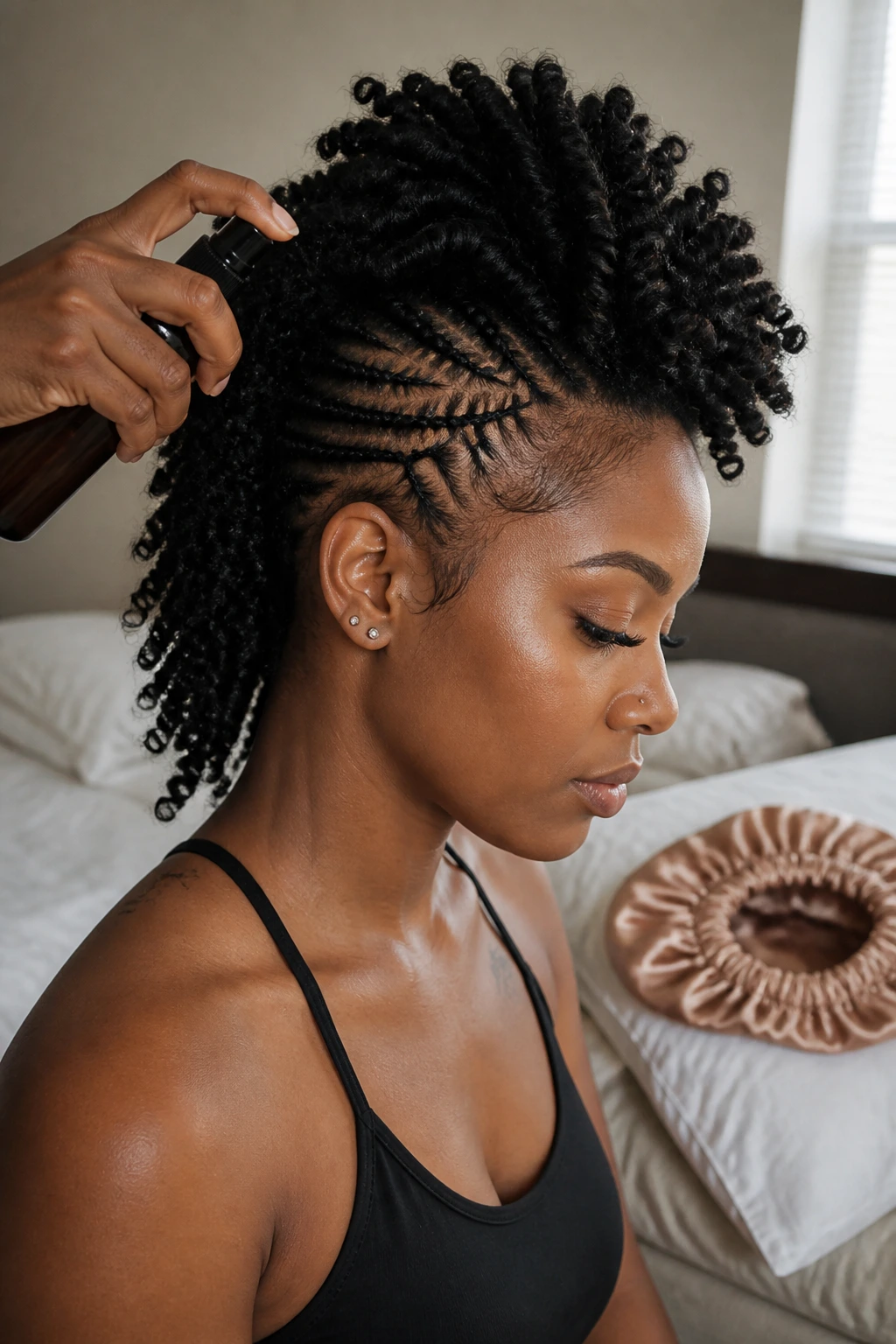
Getting the style is only half the battle. A crochet mohawk is an investment of time and money, so you want it to last. The number one enemy of any crochet style is buildup. Because the scalp is exposed in the braid pattern, it attracts dust and sweat faster than loose hair.
Use a braid spray with peppermint or tea tree oil to keep your scalp clean and fresh. You do not need to wash the synthetic hair; focusing your cleaning routine on the exposed scalp is what actually keeps the style smelling fresh. If the synthetic hair gets frizzy or dull, a quick spray of a sheen-enhancing product can bring it back to life, but use it sparingly to avoid attracting more dust.
Always sleep with a satin bonnet. Even if you think your hair won’t move, friction from cotton pillowcases will cause the synthetic hair to tangle. If your style is very voluminous, use a bonnet with an adjustable strap so you can accommodate the height of the mohawk without squashing it.
Common Mistakes to Avoid
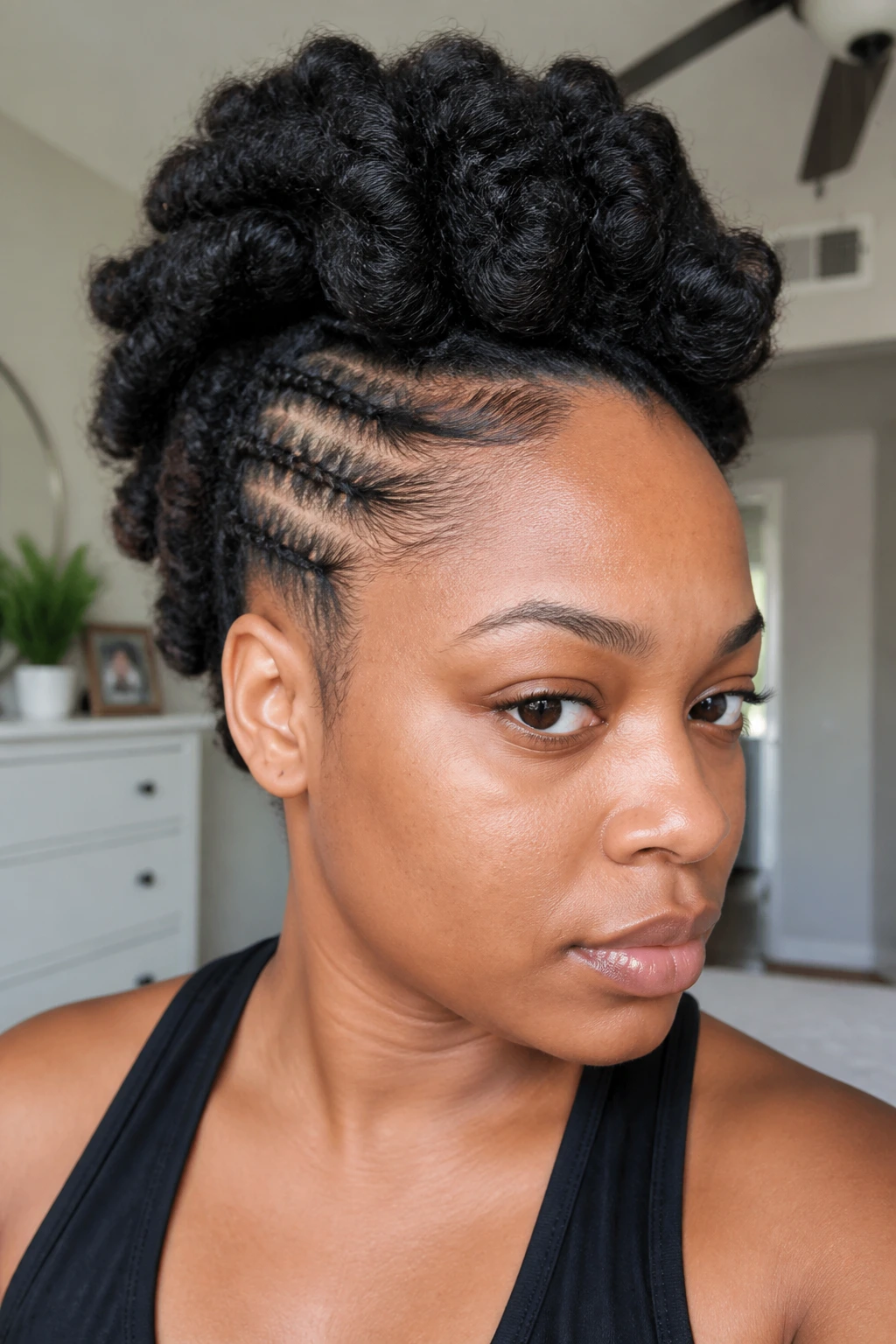
There are a few pitfalls that can turn a great hairstyle into a headache. The most common mistake is over-packing the hair. When you are excited about a new look, it is tempting to use every single pack of hair in the kit. Resist this urge. Too much hair adds weight, which pulls on your natural roots and leads to breakage. It also makes the mohawk look wiggy and stiff rather than natural and flowing.
Another mistake is neglecting the edges. When installing the front of the mohawk, be extremely gentle. If you braid the hair near your hairline too tightly, you risk traction alopecia. Leave a small amount of your own edges out if you want to use them for styling, or ensure the braids near the front are loose and comfortable.
Finally, do not leave the crochet hair in for too long. While it might look okay after eight weeks, your natural hair underneath needs to breathe. The accumulation of product and dirt near the roots can lead to matting, which is a nightmare to detangle when it comes time to take the style down. Six to eight weeks is the standard limit; beyond that, you are risking the health of your natural hair.
The Bottom Line
A crochet mohawk is more than just a protective style; it is a way to express creativity and edge without the permanence of a haircut. Whether you choose the soft, romantic look of deep waves or the sleek, sharp lines of a Yaki straight mohawk, the versatility is unmatched. The key is in the base—those anchor braids must be tight enough to support the style but loose enough to keep your scalp happy.
Choose a style that fits your lifestyle. If you are active, look for lighter textures like spring twists or jumbo braids. If you want something for a specific event or work setting, the wand curls or barrel twists provide a polished, intentional finish. Whatever you choose, remember that the “mohawk” is a shape you create, not just a cut. With the right crochet hair and a solid braid pattern, you can wear this look as often as you like, protecting your natural hair while showing off a style that is undeniably yours.
