



Coarse hair is often misunderstood. It is not necessarily synonymous with thick or dense hair—rather, it refers to the actual diameter of each individual strand. If you hold a single hair from your head and compare it to a strand of fine hair, yours will feel substantial, almost like a piece of fishing line. While this makes your hair incredibly strong and resilient, it also means it is prone to dryness, frizz, and an stubborn resistance to styling. The battle isn’t usually about volume; it is about weight management and texture control. When you choose the right cut, you stop fighting your natural pattern and start using it to your advantage.
The key to mastering coarse hair lies in understanding weight removal. Because each strand is wide, the aggregate effect of thousands of them is significant. Without proper layering or intentional shaping, your hair can quickly turn into a “triangle”—flat at the roots and puffy or wide toward the ends. The following styles are designed to introduce movement, remove bulk, and soften the appearance of coarse strands, whether you prefer to keep your length or go for something entirely new.
1. The Shag
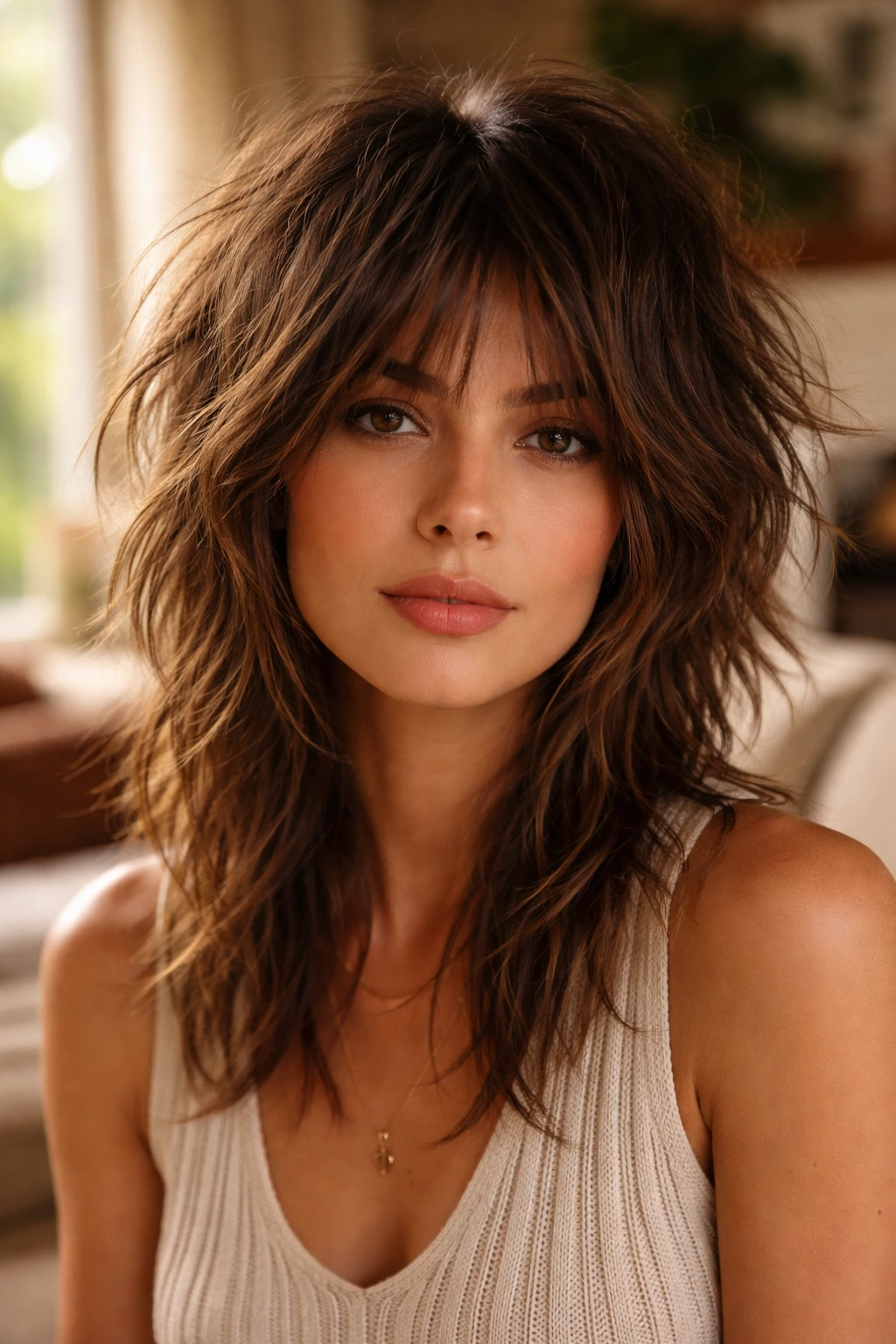
The shag is perhaps the ultimate solution for coarse hair. By utilizing disconnected layers and intentional razor cutting, a good shag removes bulk from the mid-lengths without sacrificing the overall shape. This cut relies on “shattered” ends, which means your hair won’t have that blunt, bulky appearance that leads to the dreaded triangle shape. It creates a lived-in, effortless look that embraces your natural texture rather than trying to iron it out.
Why It Works for Coarse Textures
The secret is in the layering. Traditional cuts often layer the hair uniformly, which can actually cause coarse hair to poof out more. The shag cuts into the hair, thinning it from the inside out. This takes the “weight” off the hair, allowing it to move more freely. You will find that your hair air-dries into a much softer, more controlled shape with this style than it does with a blunt cut.
Styling Pro Tip: To get the best result, use a salt spray or a light texturizing mousse while the hair is damp. Scrunch it into your roots and mid-lengths, then let it dry naturally. The goal is to encourage a bit of chaotic texture, which is where this cut really shines.
2. Long Layers
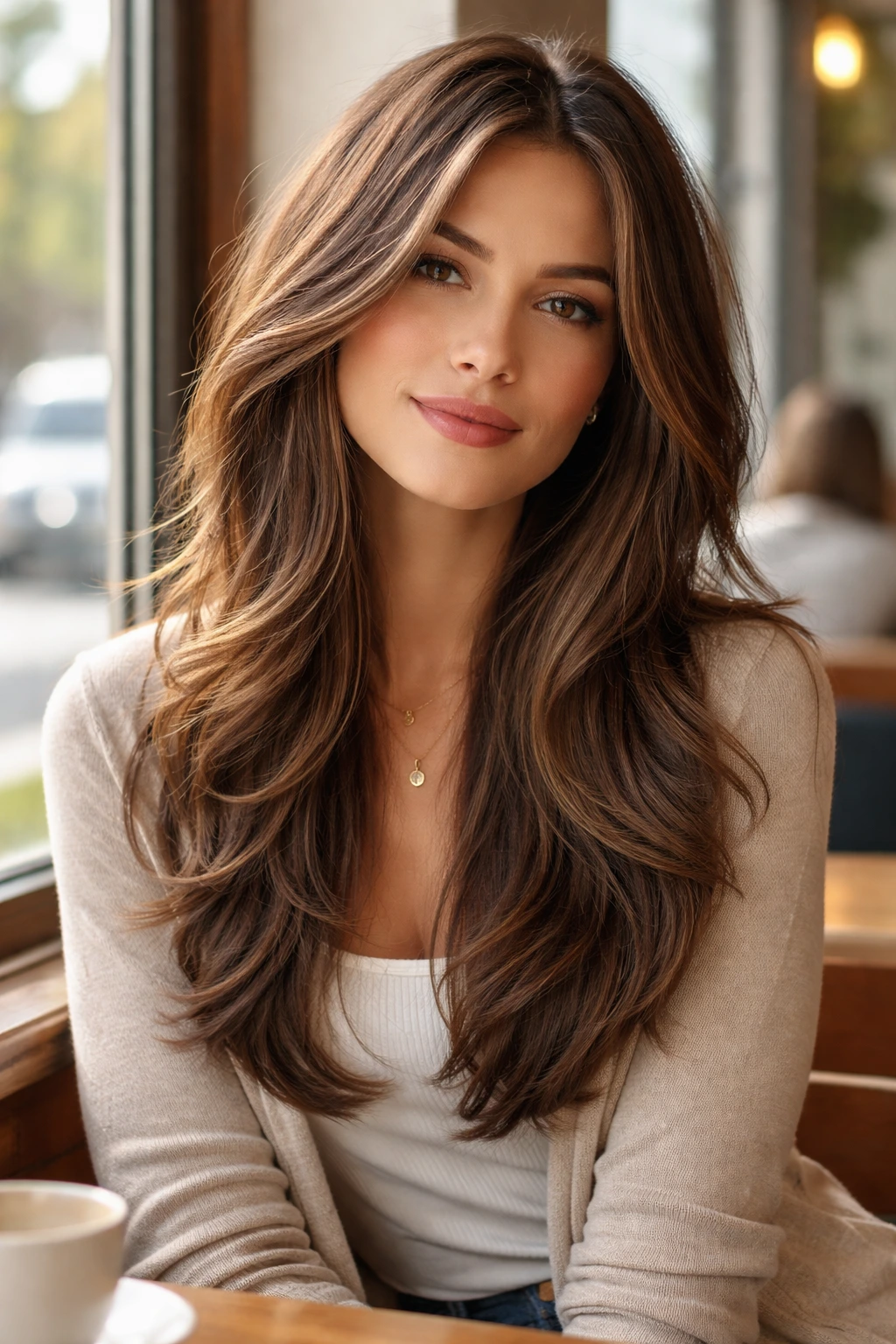
If you are attached to your length, long layers are your best friend. The mistake most people make is asking for “just a trim” on a one-length cut. That is a recipe for a dense, heavy curtain of hair that feels cumbersome. Long layers introduce enough movement to prevent that heaviness while maintaining the length you love.
How to Request This Cut
Do not just ask for “layers.” That is too vague. Tell your stylist you want “long, disconnected layers that start below the chin.” This ensures the layers don’t make the hair look thin or wispy at the ends. You want the top layers to be long enough to blend seamlessly, while still having enough weight removed to prevent the bottom from expanding outward.
- Weight reduction: Essential for keeping the hair manageable.
- Movement: Stops the hair from looking like a solid, heavy sheet.
- Softness: Layers around the face can help soften strong jawlines.
3. The Blunt Bob
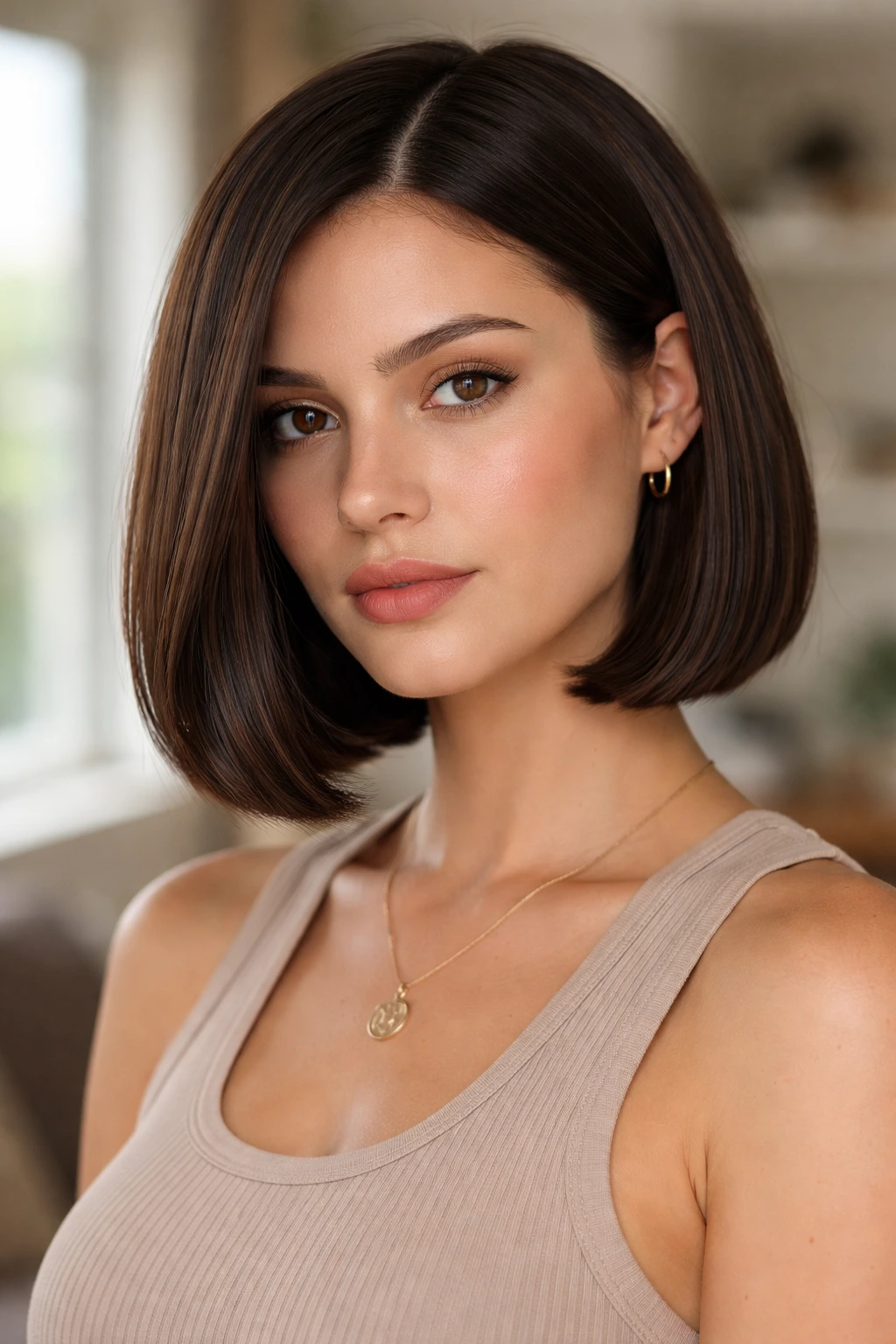
Counterintuitive as it may seem, a blunt bob can be a fantastic choice for coarse hair. The key here is to keep the ends sharp and clean. When coarse hair is cut with a razor or with excessive thinning shears, the ends can become frizzy. A blunt, scissor-cut bob uses the weight of the hair to keep it sitting flat and sleek.
This style works best if your hair has a slight wave or is straight. If you have very coarse, curly hair, a blunt bob might turn into a giant puffball unless you are prepared to use a styling cream or serum daily to keep it weighed down. The blunt edge acts as a stabilizer, keeping the hair from flying away.
4. Face-Framing Layers
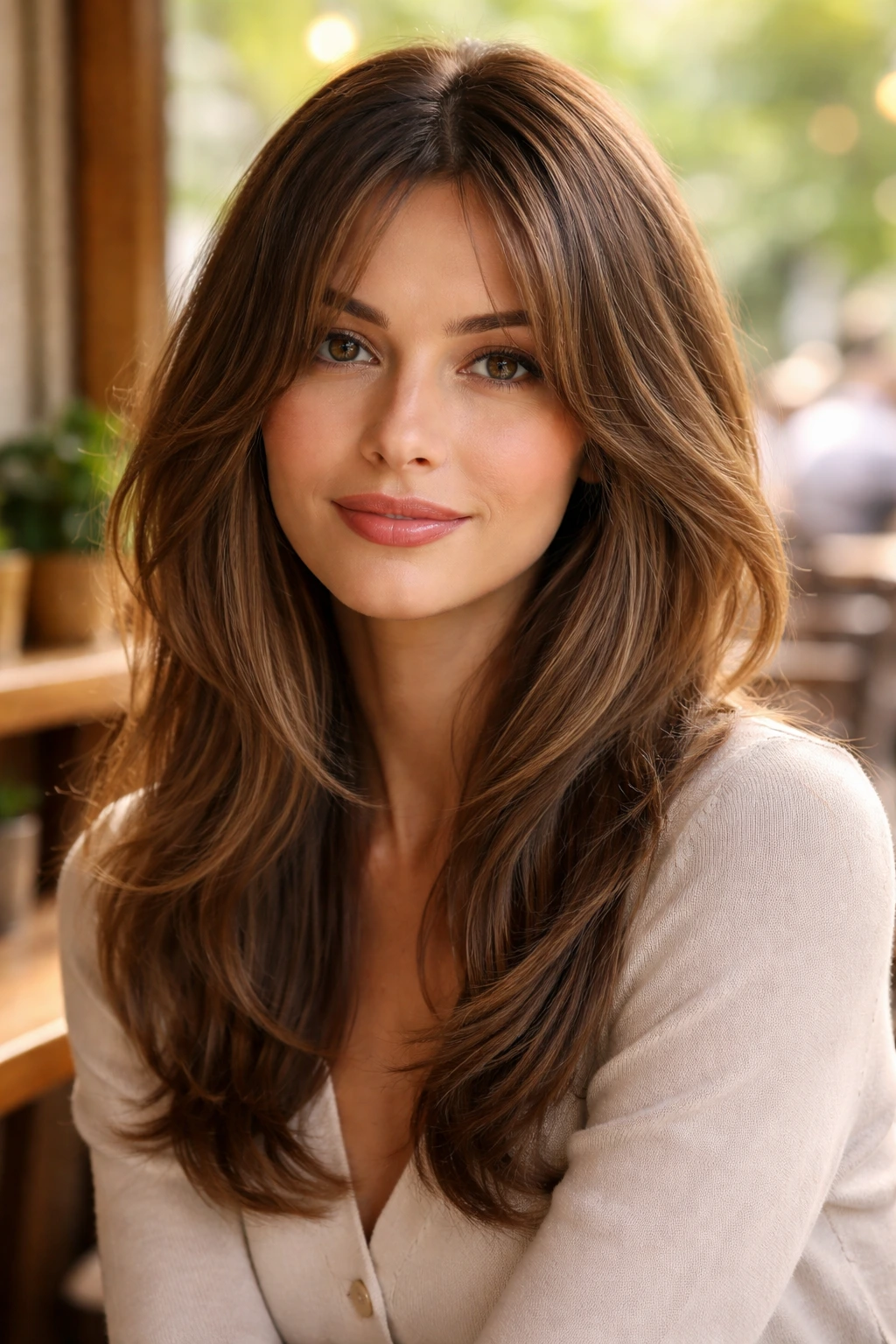
Sometimes you do not need to change the back of your hair at all; you just need to change how it frames your face. Coarse hair often has a lot of bulk around the ears and jaw, which can make the face look heavy. Introducing face-framing layers—sometimes called “curtain bangs” or “money pieces”—removes that density from the front of your face.
The Benefit of Face-Framing
By thinning out the section of hair that sits right next to your cheekbones, you instantly make the hair feel lighter. It also makes your facial features pop, as the hair is no longer hiding them. This is a low-risk way to adjust your style without having to commit to a major chop.
5. The Pixie Cut
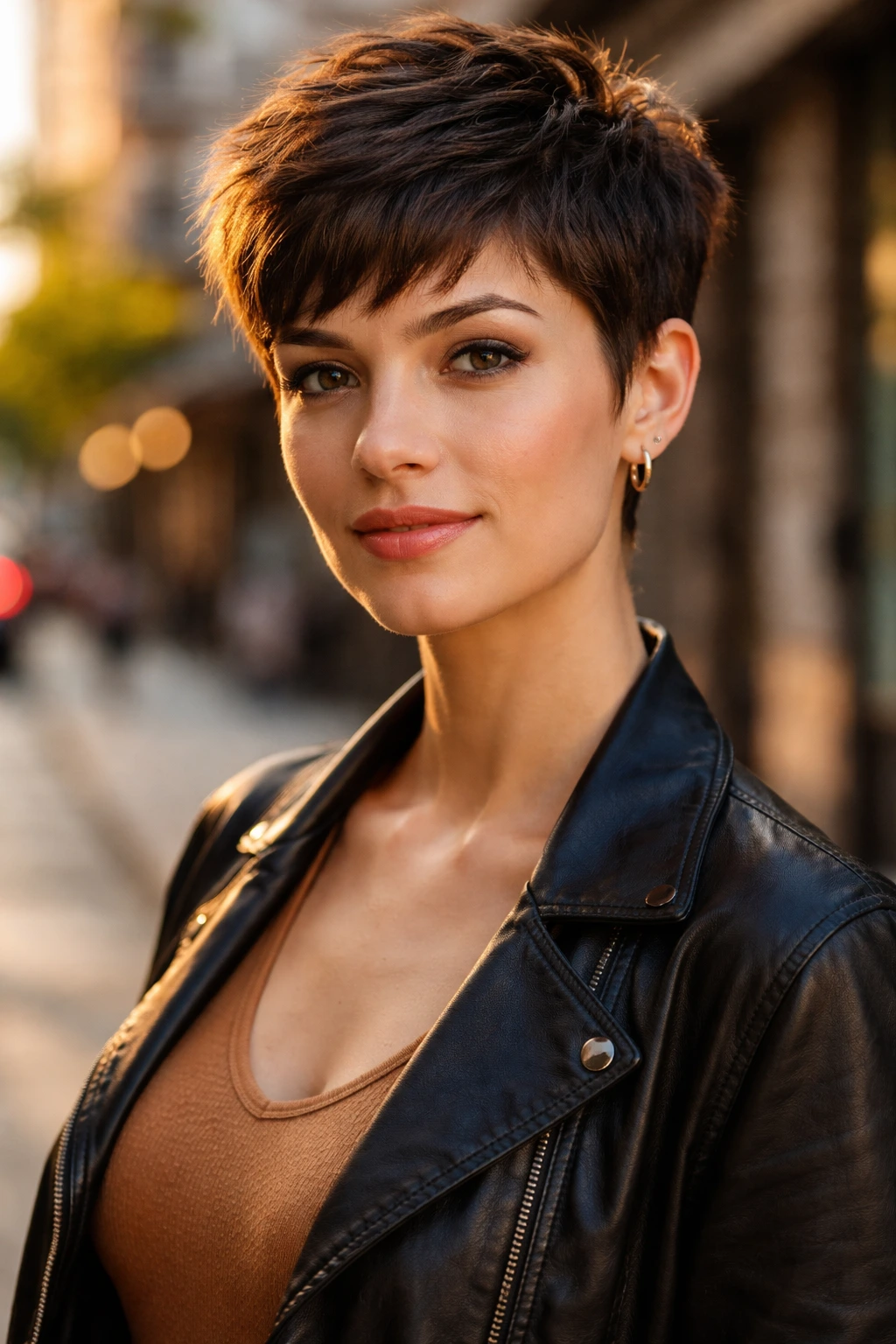
If you have truly coarse, wiry hair, a pixie cut is arguably the most liberating style you can choose. Because the hair is cut so short, the tendency for it to frizz or poof is significantly reduced. It effectively eliminates the “triangle” problem entirely because there isn’t enough length for the hair to expand.
Managing the Texture
A pixie cut with coarse hair requires a bit of pomade or wax. Because your hair has so much internal strength, it will hold a shape remarkably well. You can spike it, sweep it to the side, or keep it classic. It is a bold, high-maintenance cut in terms of salon visits, but it is incredibly low-maintenance when it comes to daily styling. You will spend about two minutes styling it each morning.
6. The Long Lob
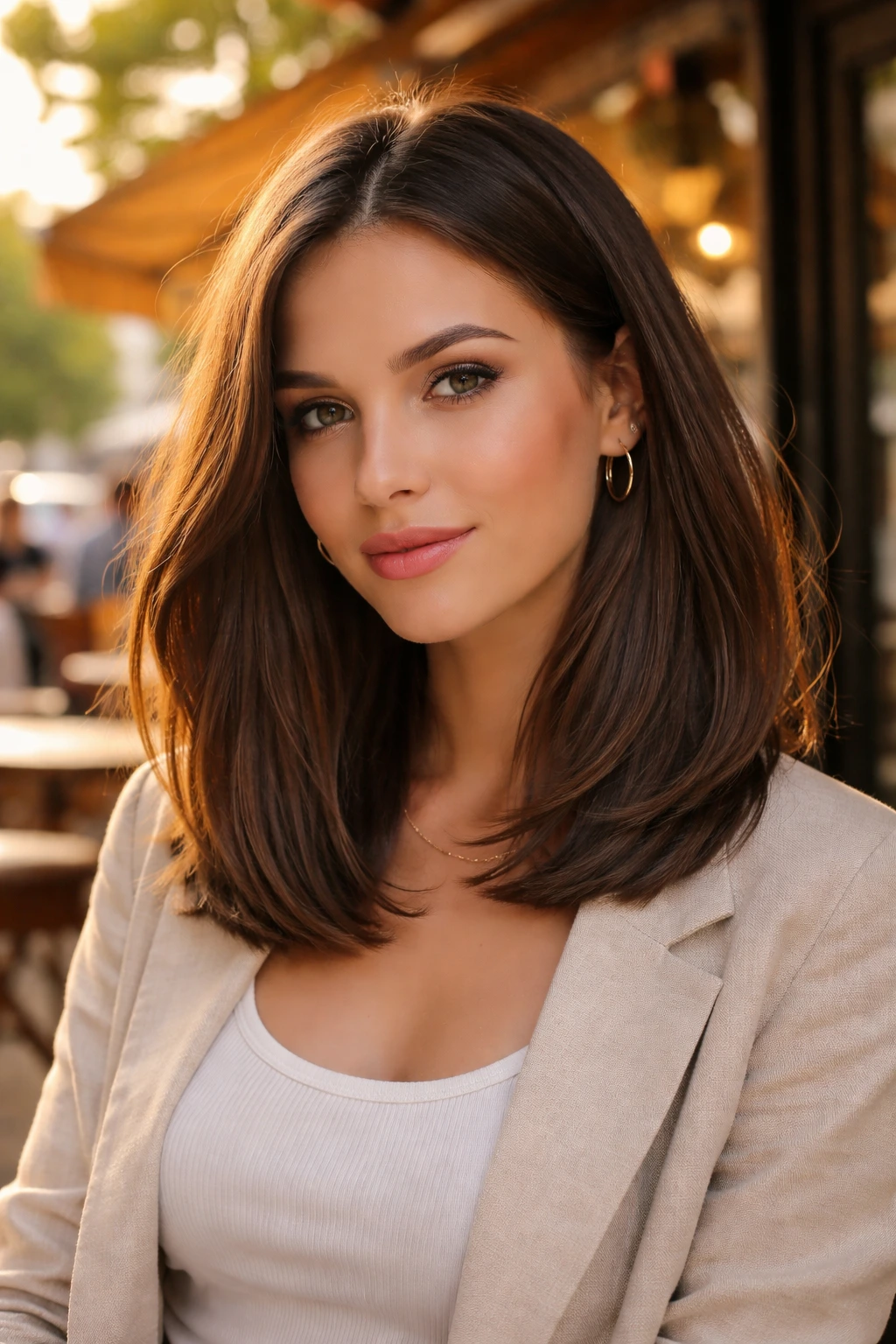
The “long bob,” or “lob,” is the bridge between short and long. It hits right at the collarbone. This length is universally flattering and works exceptionally well for coarse hair because it has enough weight to keep the hair from getting wild, but it is short enough to reduce the amount of time you spend washing and drying it.
Why It’s a Practical Choice
Coarse hair can take an eternity to blow-dry. Cutting it to the collarbone drastically reduces your drying time. The lob is also versatile; you can pull it back into a ponytail when you need to be active, but it looks sophisticated and finished when worn down. It is the perfect balance between style and substance.
7. The Soft Undercut
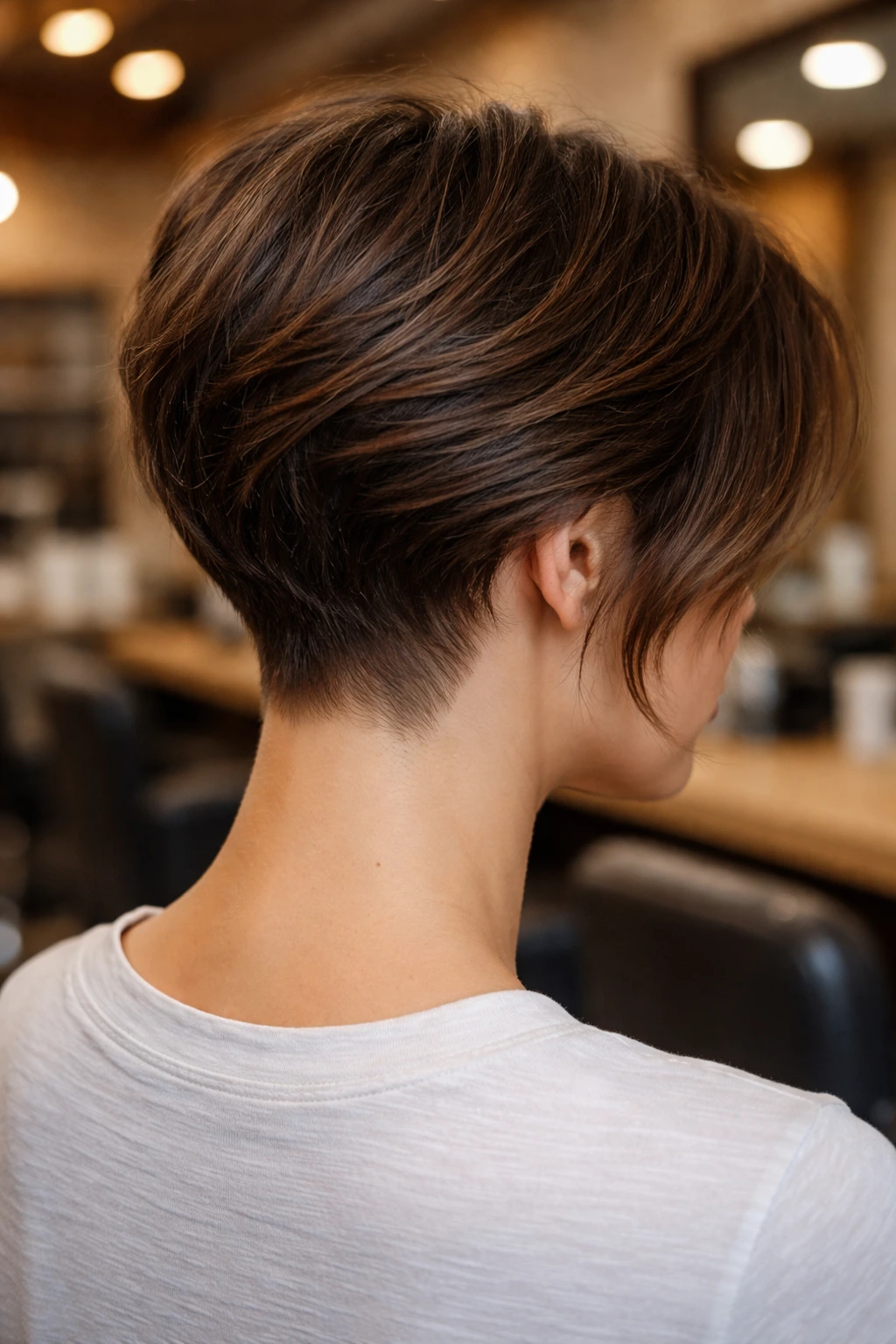
This is for the person who wants to drastically reduce bulk without losing length. An undercut involves shaving or clipping the hair at the nape of the neck (or even the sides) underneath the top layer of hair. When the top hair falls down, no one can see the undercut, but you will instantly feel the reduction in weight and heat.
Is It Right for You?
This is a great technique if you have incredibly dense, coarse hair that feels like wearing a wool coat on your head during the summer. It is not for everyone, but if you struggle with your hair feeling overwhelming, it is a game-changer. You can keep your long hair while having the comfort of a shorter cut underneath.
8. Deep Side Part
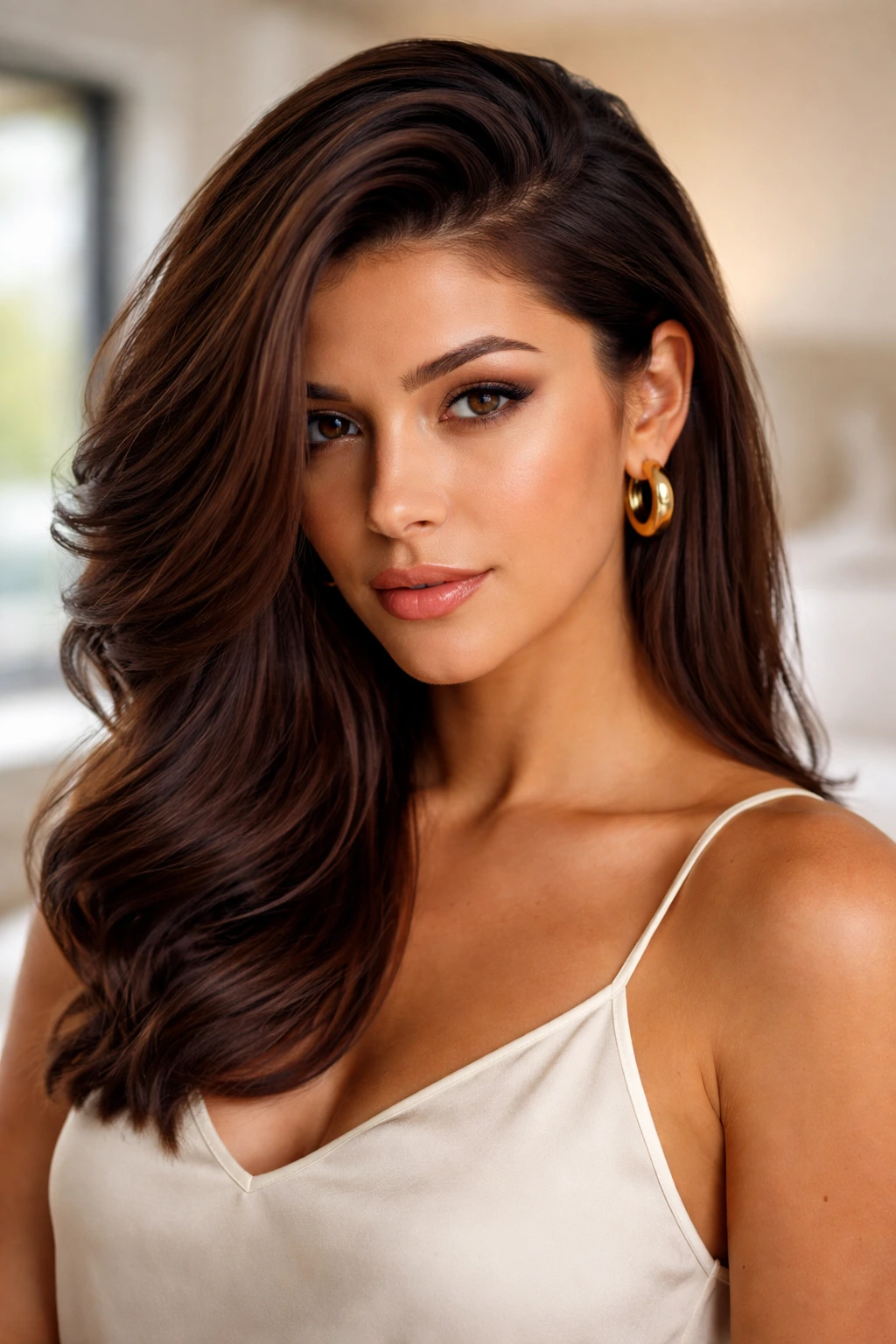
Sometimes the style isn’t about the cut; it’s about the partition. A deep side part is a simple way to create the illusion of more volume at the roots while sweeping hair away from the face. For coarse hair, this is excellent because it helps distribute the weight of the hair across one side of the head, preventing the “boulder” effect of a middle part.
Styling the Side Part
Use a rattail comb to create a clean, sharp line. Then, blow-dry the hair at the root in the direction you want it to fall. Because coarse hair can be stubborn, you might need a tiny amount of styling spray at the roots to ensure the part stays put throughout the day. It is an instant, zero-cost way to refresh your look.
9. Textured Lob with Curtain Bangs
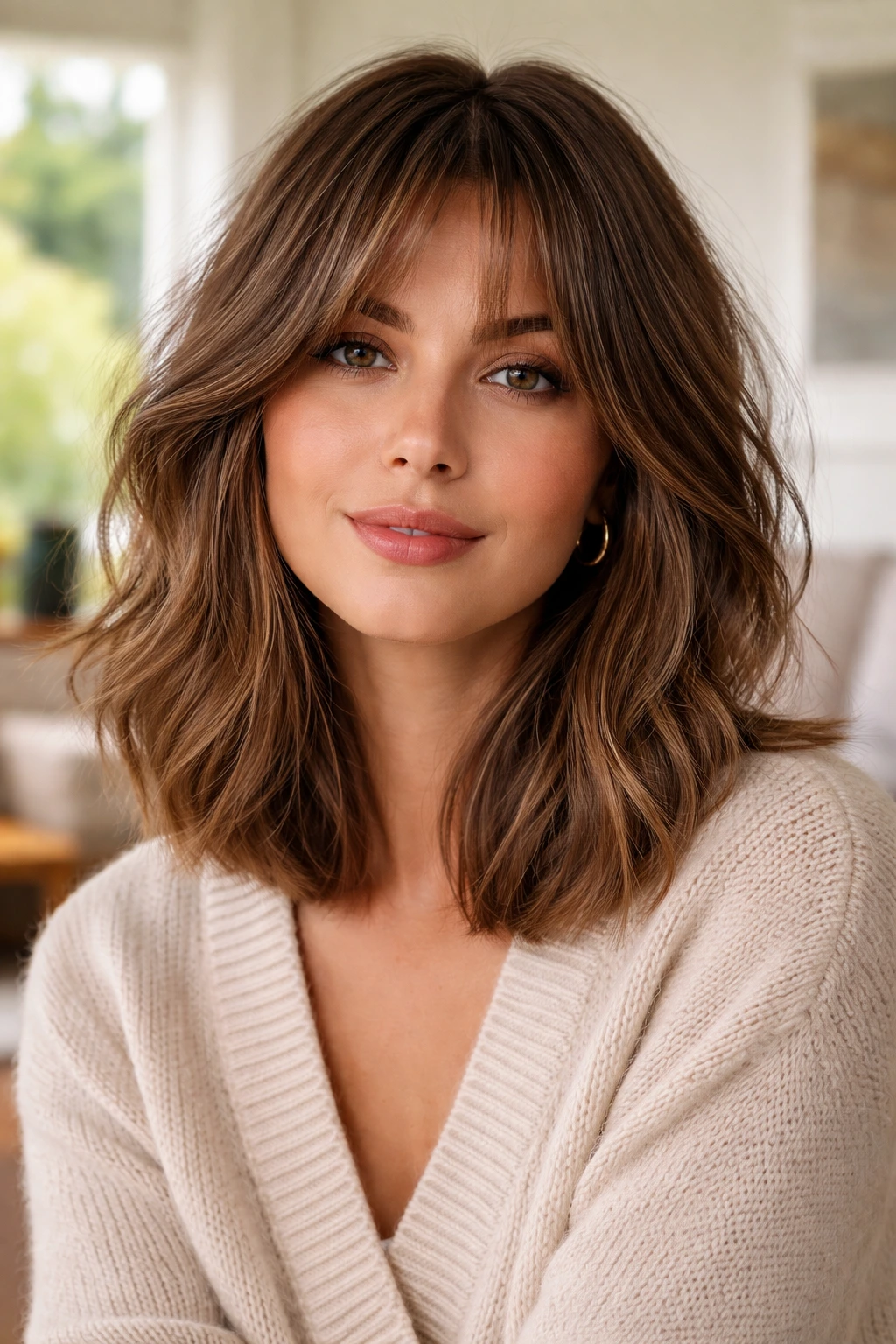
Curtain bangs are a specific type of face-framing layer that swoops to the sides. When paired with a textured lob, they create a very modern, 70s-inspired look. The key here is “texture.” Ask your stylist to use point-cutting techniques on the ends to ensure they are soft and wispy, rather than blunt and heavy.
Balancing the Shape
The curtain bangs take the weight off the front, while the textured lob keeps the back under control. This combination is particularly good for people who have coarse hair that tends to have a mind of its own. The bangs act as a focal point, drawing the eye upward and preventing the bulk of your hair from overpowering your features.
10. Graduated Bob
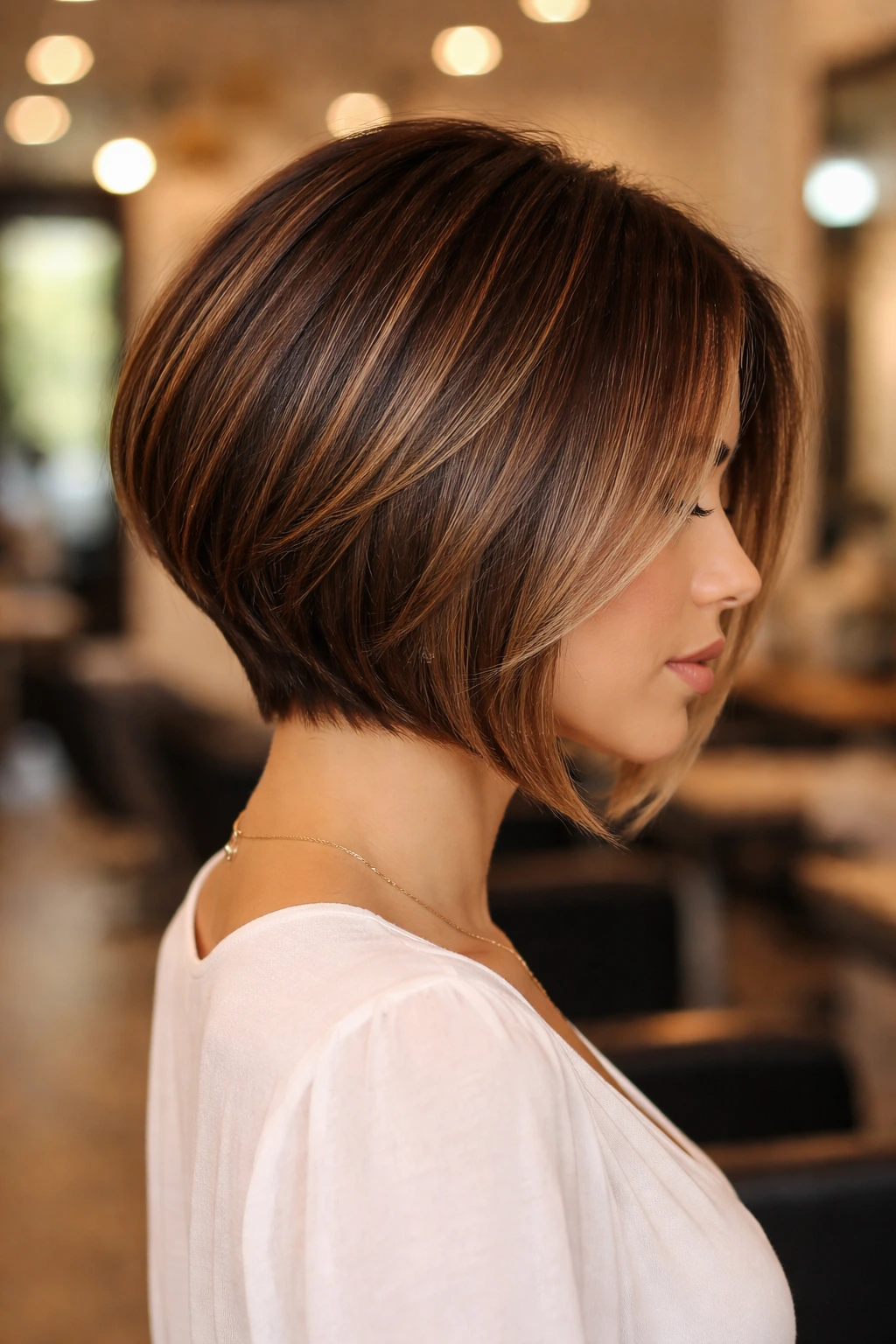
A graduated bob, or “stacked” bob, features shorter hair at the back and longer pieces in the front. This style is excellent for coarse hair because the stacking at the back removes a massive amount of weight from the nape, which is often where the most bulk is concentrated.
The Geometry of the Cut
The shorter hair at the back of the neck prevents matting and makes the hair feel much airier. The longer pieces in the front provide the framing you need. It is a structured cut that looks intentional and polished, requiring minimal styling if the cut is executed well. A good dry-cut or a precision wet-cut is essential for this style to sit correctly.
11. Shoulder-Length Layers
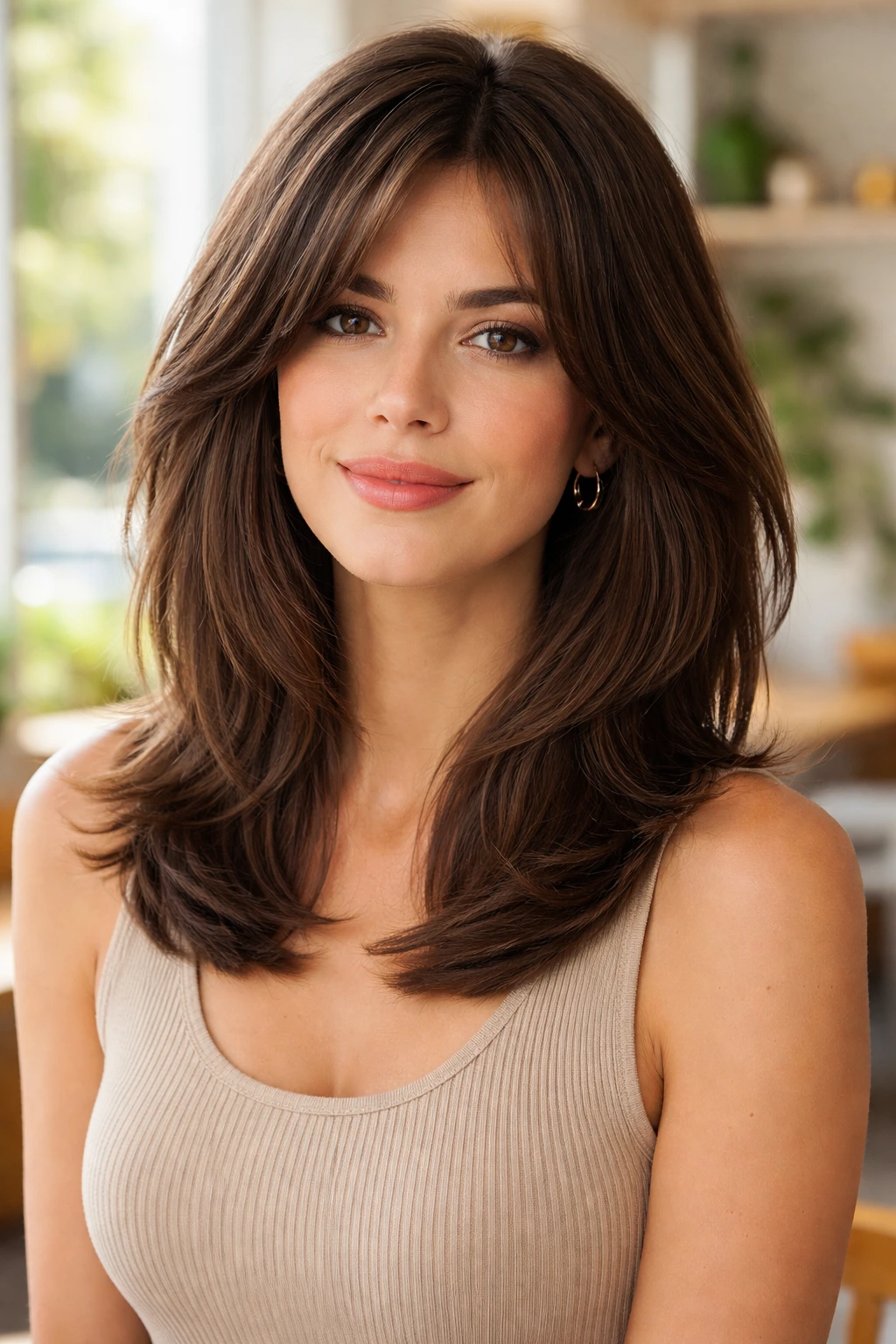
If the lob is too short, shoulder-length layers are the next step up. This is a very “safe” haircut that works for almost everyone. The goal here is to keep the layers long enough that they don’t lose the weight needed to keep the hair smooth, but short enough to introduce movement.
Managing Maintenance
Because this length hits your shoulders, your hair is going to rub against your clothes, which can cause frizz and breakage. You have to be diligent about using a leave-in conditioner or a light oil on your ends to prevent them from splitting. This cut relies on the health of the ends, so regular dusting (tiny trims) is required to keep it looking fresh.
12. The Modern Wolf Cut
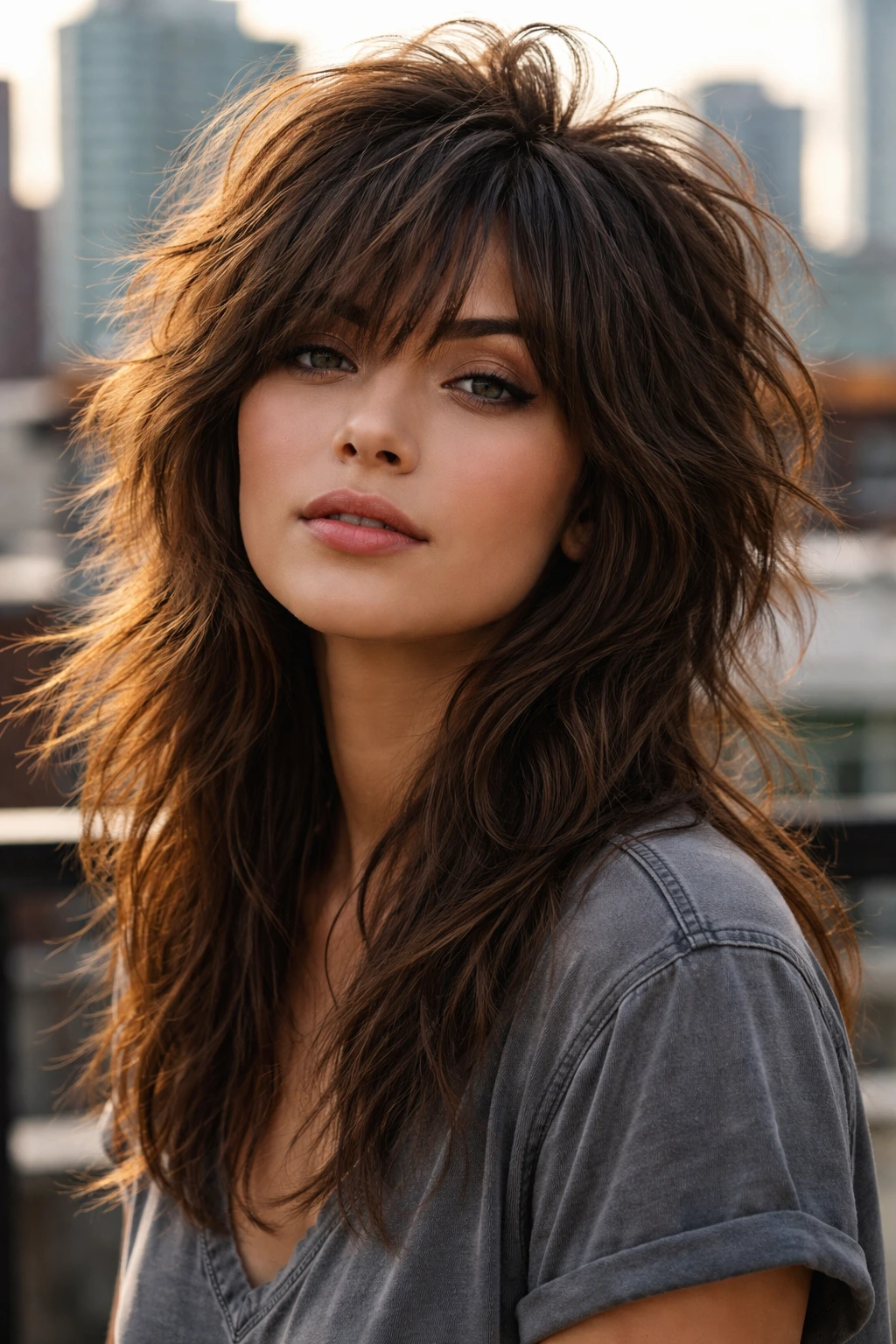
The wolf cut is essentially a marriage of the shag and the mullet. It features heavy layers on the crown of the head and thinner, wispier layers toward the bottom. If you have coarse hair, this cut is a godsend because it utilizes the inherent volume of your hair to create the “big hair” look that this style requires.
Who Should Try It?
This style is for the adventurous. It is not a subtle haircut. It is meant to be messy, textured, and voluminous. If you have spent your whole life trying to flatten your coarse hair, this style is the antidote. It celebrates the density and the volume, turning it into a deliberate aesthetic choice rather than a struggle.
13. Long and Straight with Minimal Layers
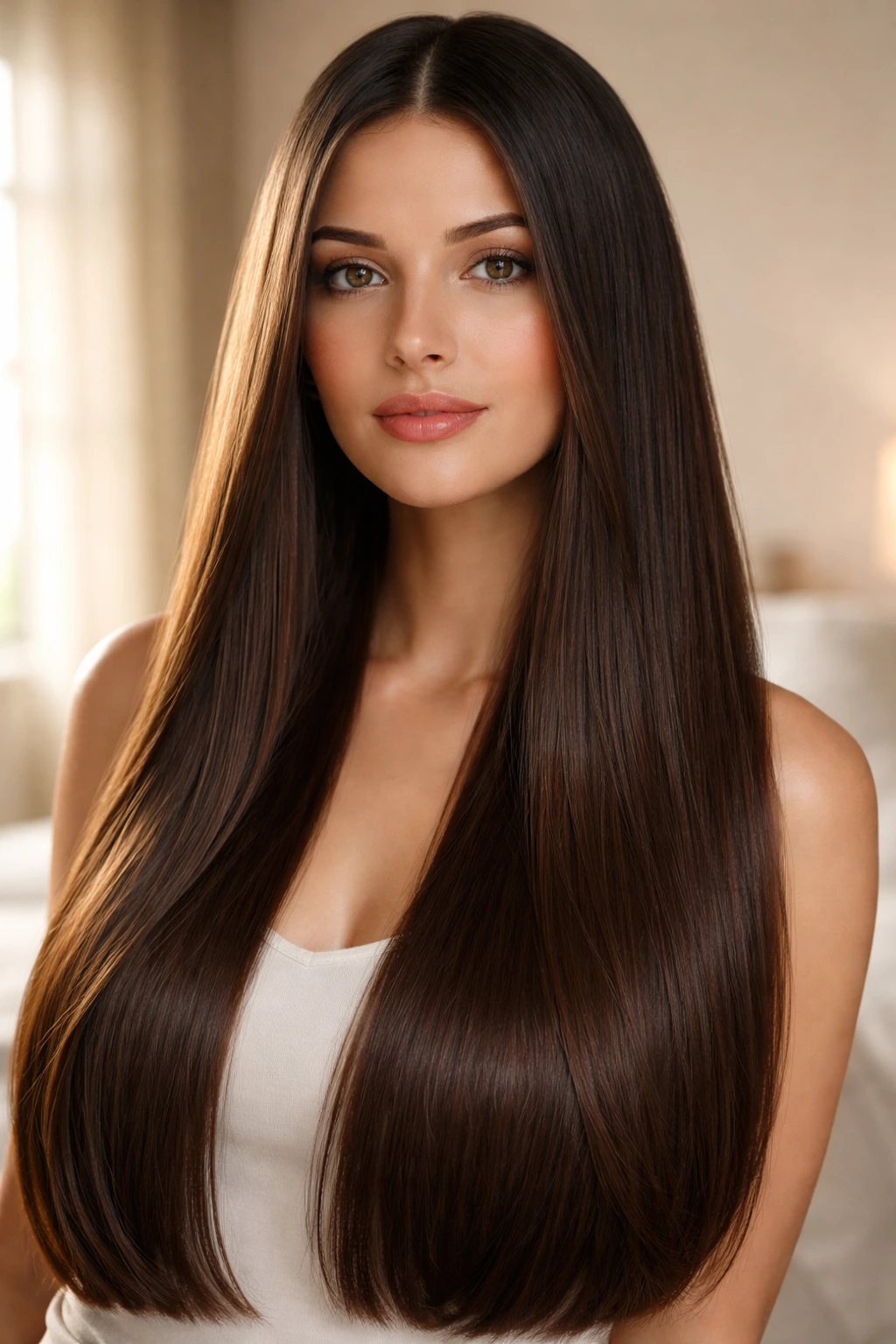
Sometimes, less is more. If your coarse hair is relatively straight and you find that layers just make it look fluffy, stick to a long, one-length cut with only a few face-framing pieces. The weight of the hair will naturally pull it down, keeping it sleek and shiny.
The Role of Weight
This style relies entirely on the weight of the hair. If you have coarse hair, you have plenty of weight to spare. By keeping the length, you are letting gravity do the work for you. It is the easiest style to maintain, provided you use enough conditioning treatments to keep that length looking healthy and hydrated.
14. The Curly or Wavy Textured Bob
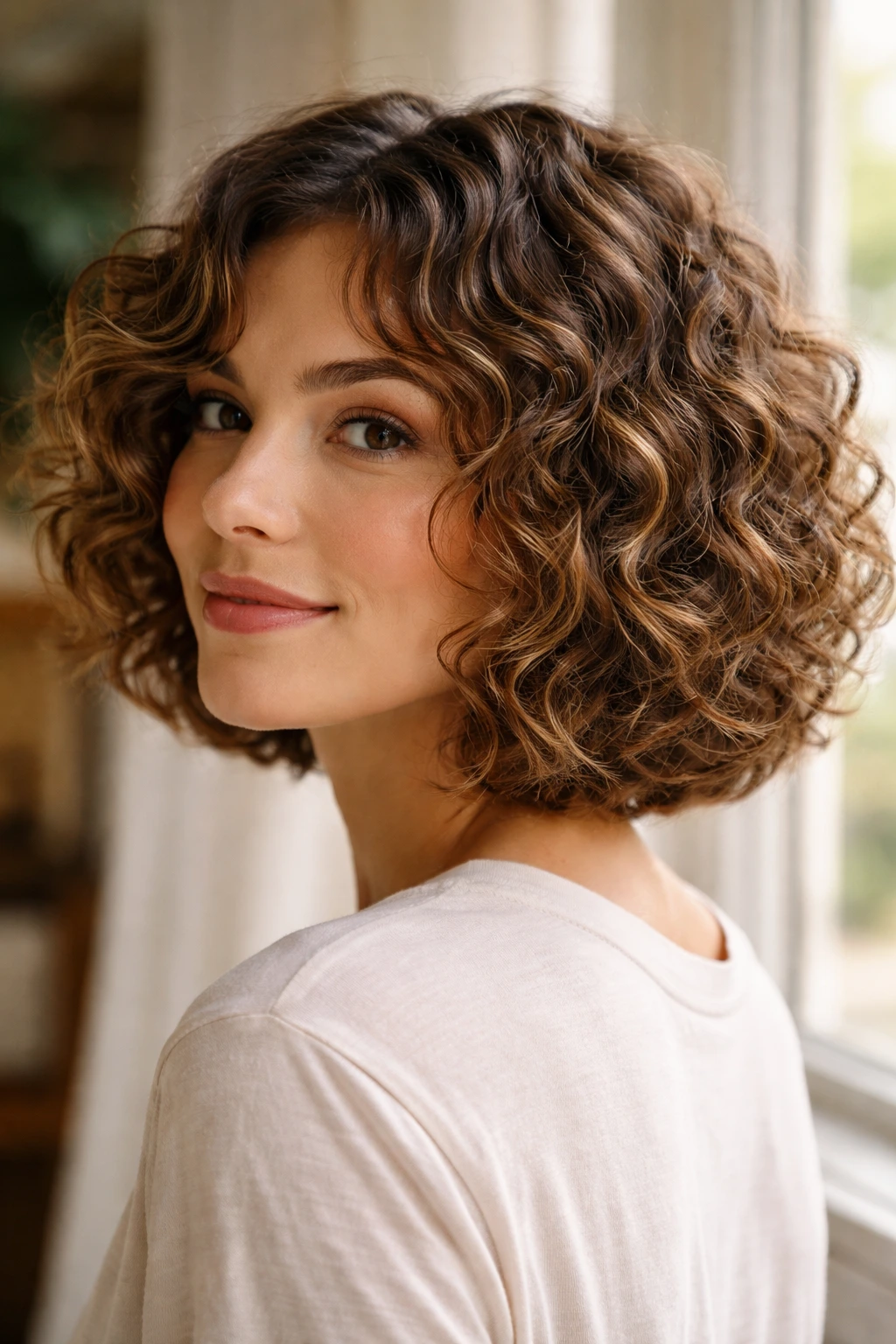
If your coarse hair has a natural curl or wave, do not try to straighten it. A textured bob that is cut specifically for your curl pattern is a beautiful way to embrace your texture. The trick is cutting it while it is dry. Never let a stylist cut coarse, curly hair wet; the shrinkage will be impossible to predict, and you might end up with a cut much shorter than you intended.
The “Dry Cut” Advantage
When the hair is cut dry, the stylist can see exactly how each coil or wave falls. They can shape it around your head, creating a silhouette that mimics your natural pattern. This requires a stylist who specializes in curly textures. Do not settle for a general stylist if you have a distinct curl pattern; find someone with specific expertise.
15. Braided Styles
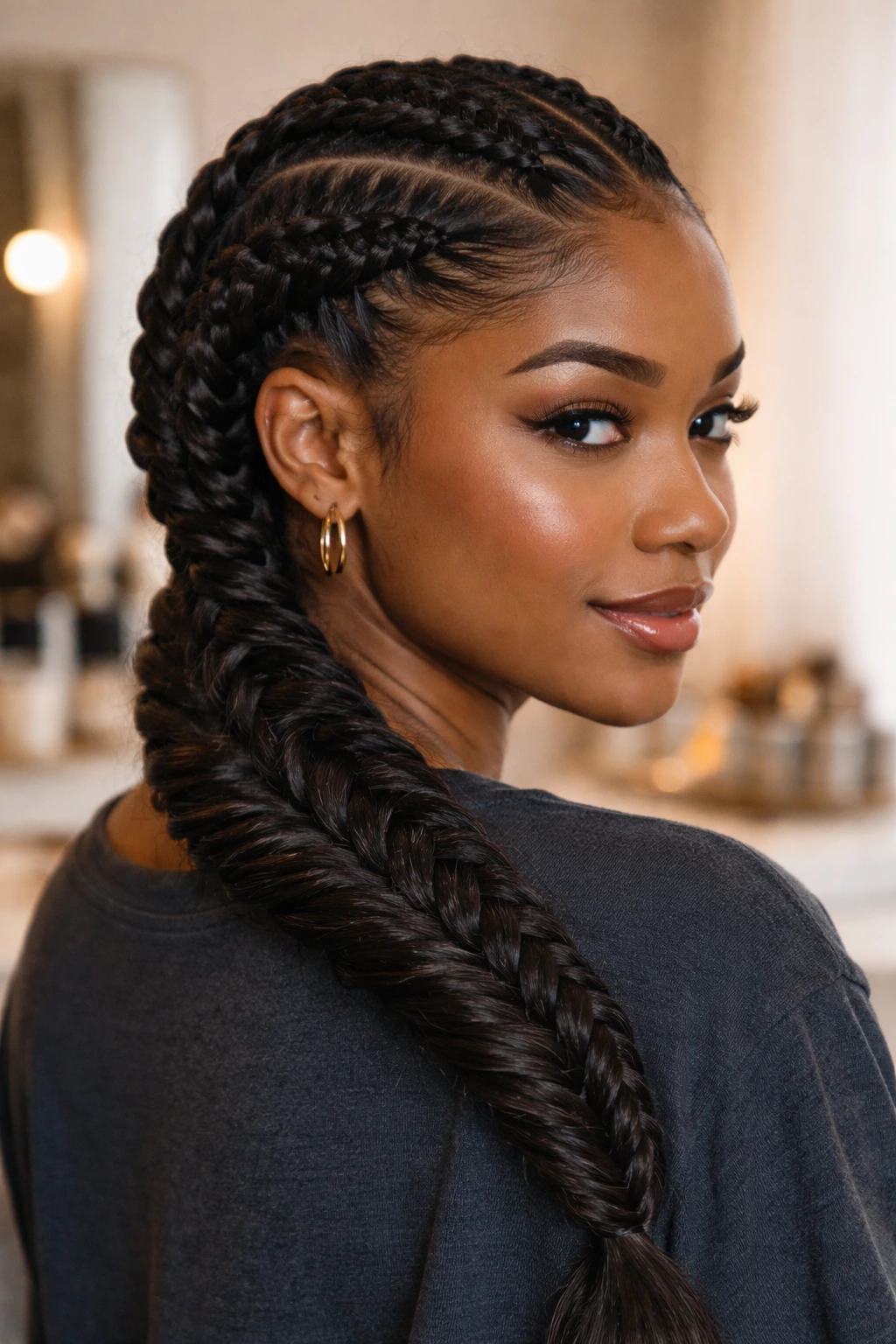
Braids are not just a style; they are a tool for managing coarse hair. If you are having a “bad hair day” or if the humidity is making your hair feel impossible, a braid is the perfect protective style. It pulls the hair away from your face, reduces the surface area that can frizz, and actually helps smooth the cuticle if you leave them in overnight.
Varieties of Braids
- Dutch braids: These sit on top of the head and are great for keeping hair out of the way.
- French braids: A classic, secure option.
- Fishtail braids: Great for a slightly dressier look. Using a little bit of hair oil before you braid can help lock in moisture, meaning when you take the braids out, your hair will have a soft, defined wave pattern.
16. Top Knot
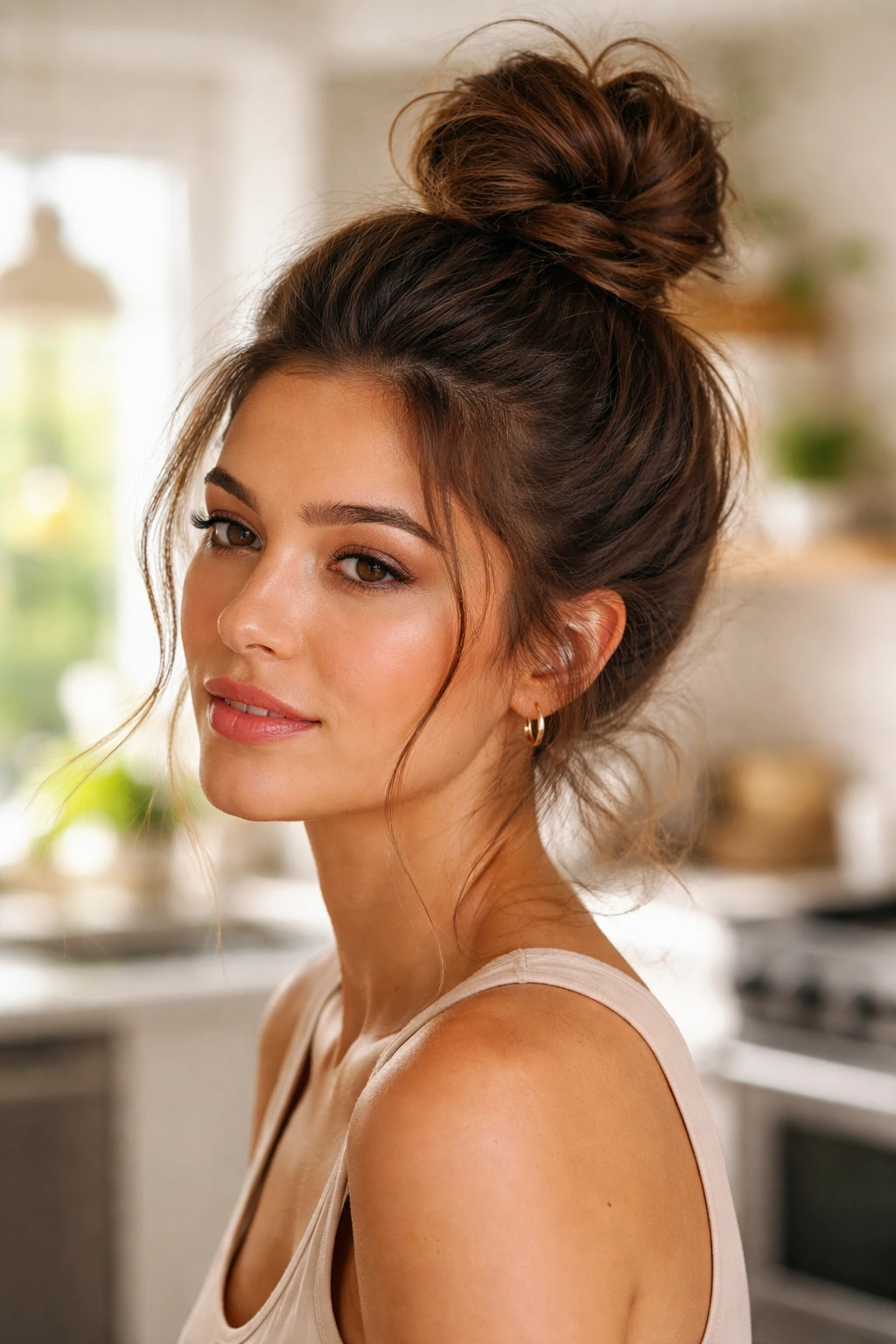
A top knot is the classic “I’m busy, but I still want to look put-together” style. For coarse hair, a top knot can be heavy, so the key is to use a strong hair tie and perhaps a few bobby pins to secure it. You do not need to make it perfect. In fact, a slightly messy top knot looks better with coarse hair because the texture gives it built-in volume.
Making It Stay
If your top knot feels like it’s sliding down, you might need a stronger base. Try tying a small section of hair into a tiny ponytail first, then wrapping the rest of your hair around it. This creates an anchor point. It keeps the weight of the bun from pulling your entire scalp.
17. The Blunt Fringe
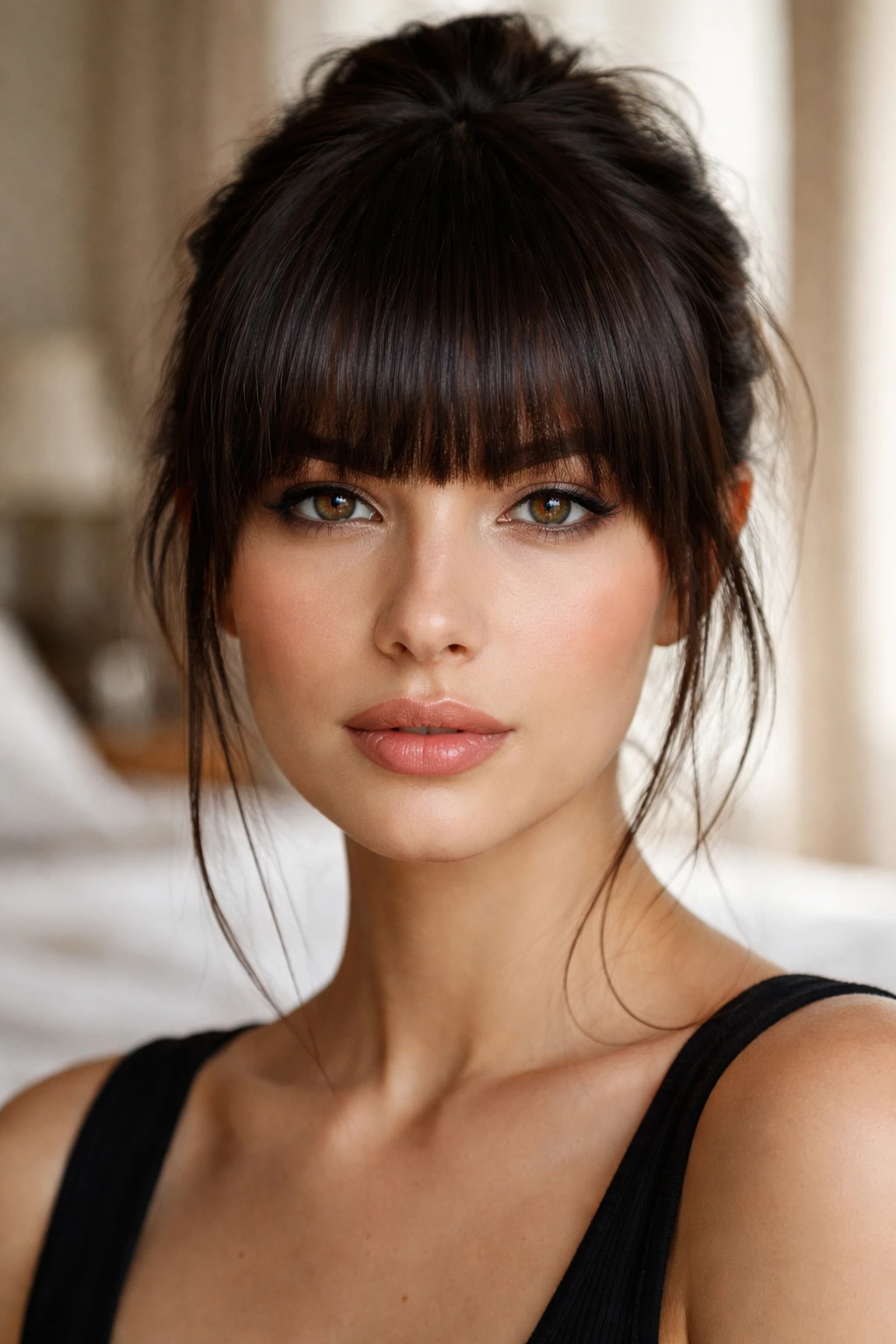
Bangs on coarse hair are a bold choice, but they can be incredibly stylish. A blunt, heavy fringe can look very editorial and chic. The secret is keeping them well-trimmed and smooth. Because coarse hair is strong, your bangs will stay exactly where you put them—no wispy, annoying flyaways.
The Maintenance Factor
Bangs require maintenance. You will likely need a trim every 3–4 weeks. You also need to keep them clean. The oils from your forehead can make bangs look greasy quickly, even if the rest of your hair is dry. Keep a dry shampoo on hand specifically for your fringe area to keep it looking fresh.
18. Sleek High Pony
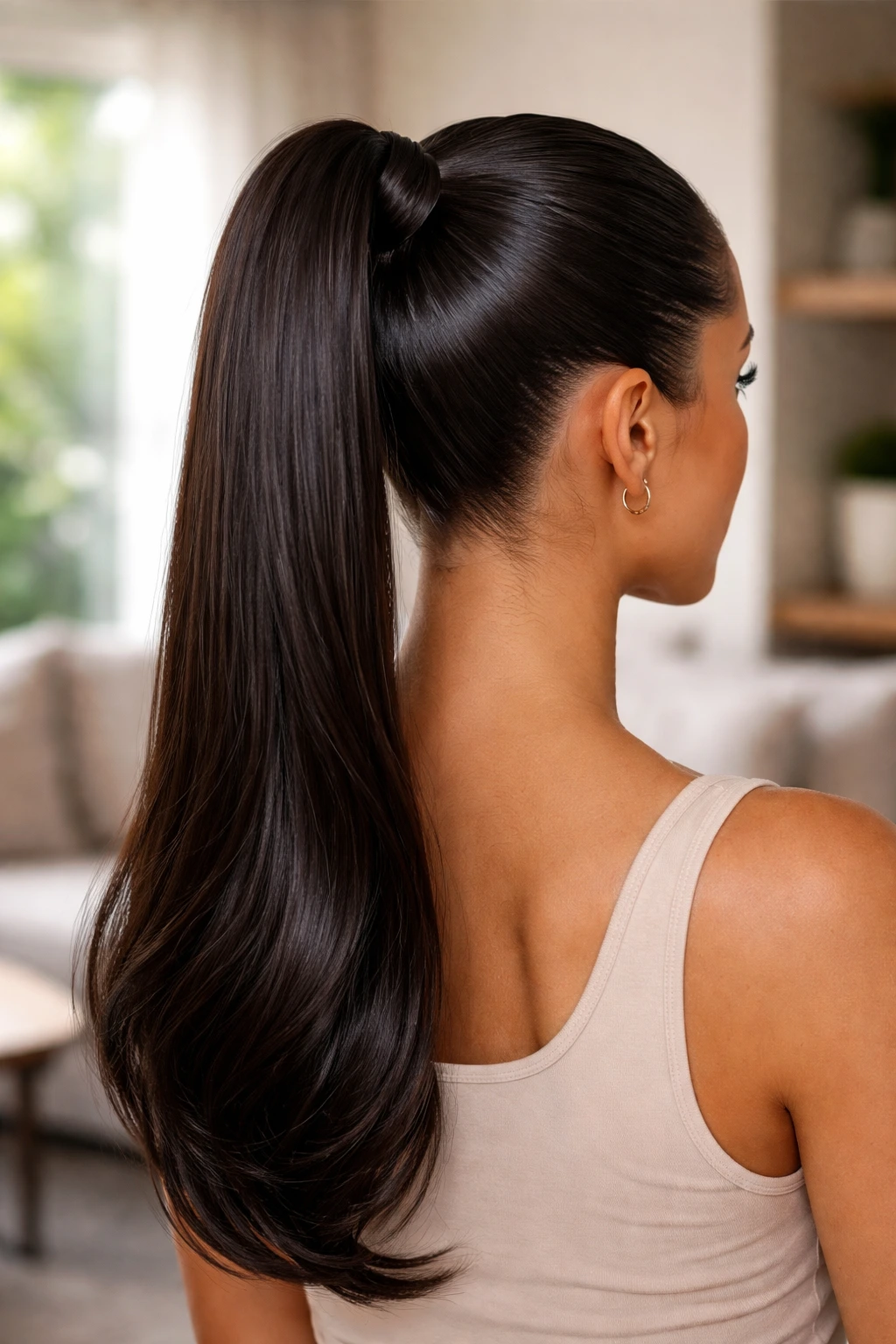
When you have coarse hair, a high ponytail can be a massive focal point. It draws the eye upward and gives you an instant “lifted” look. To get it sleek, you need to use the right products. A firm-hold gel or a pomade is necessary to tame the baby hairs around your hairline.
The Technique
Flip your head upside down to gather the hair. This ensures you get a smooth surface all the way around the back of your head. Secure it with a sturdy elastic—not a cheap rubber band, which will snap—and then wrap a small piece of hair around the elastic to hide it. It takes sixty seconds and makes the style look professionally done.
19. Layered Curls
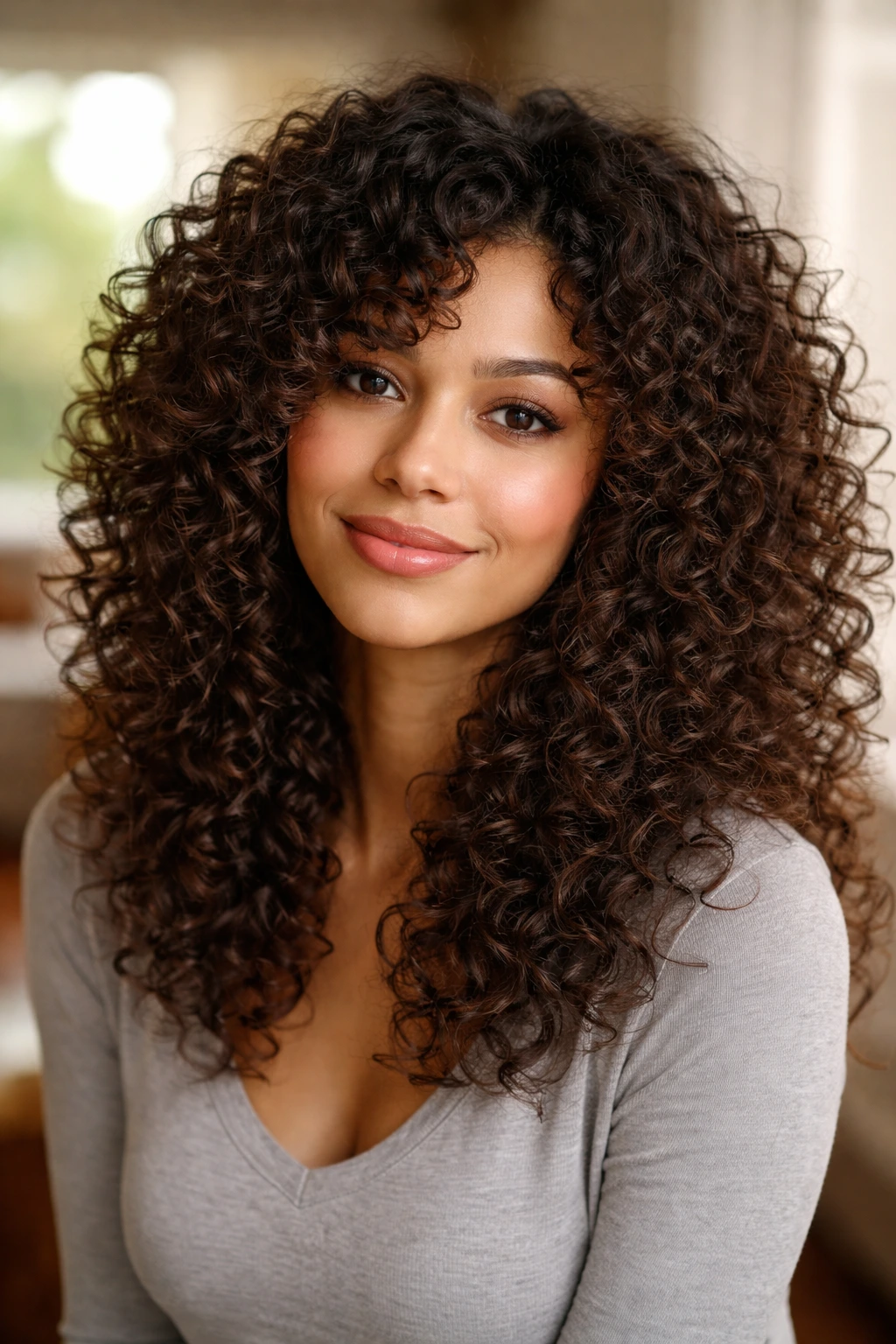
If your coarse hair is curly, you need layers. Without them, you get a “pyramid” shape. Layers allow the curls to sit on top of one another, creating a balanced, rounded shape that moves. You want layers that are distributed throughout the hair, not just at the ends.
Shaping the Cut
Talk to your stylist about “shaping.” You want the hair to be shorter near the top of your head to prevent it from weighing down the curls at the bottom. This allows your curls to spring up and retain their shape. Coarse curls are strong, so they need this structure to prevent them from stretching out under their own weight.
20. The Butterfly Cut
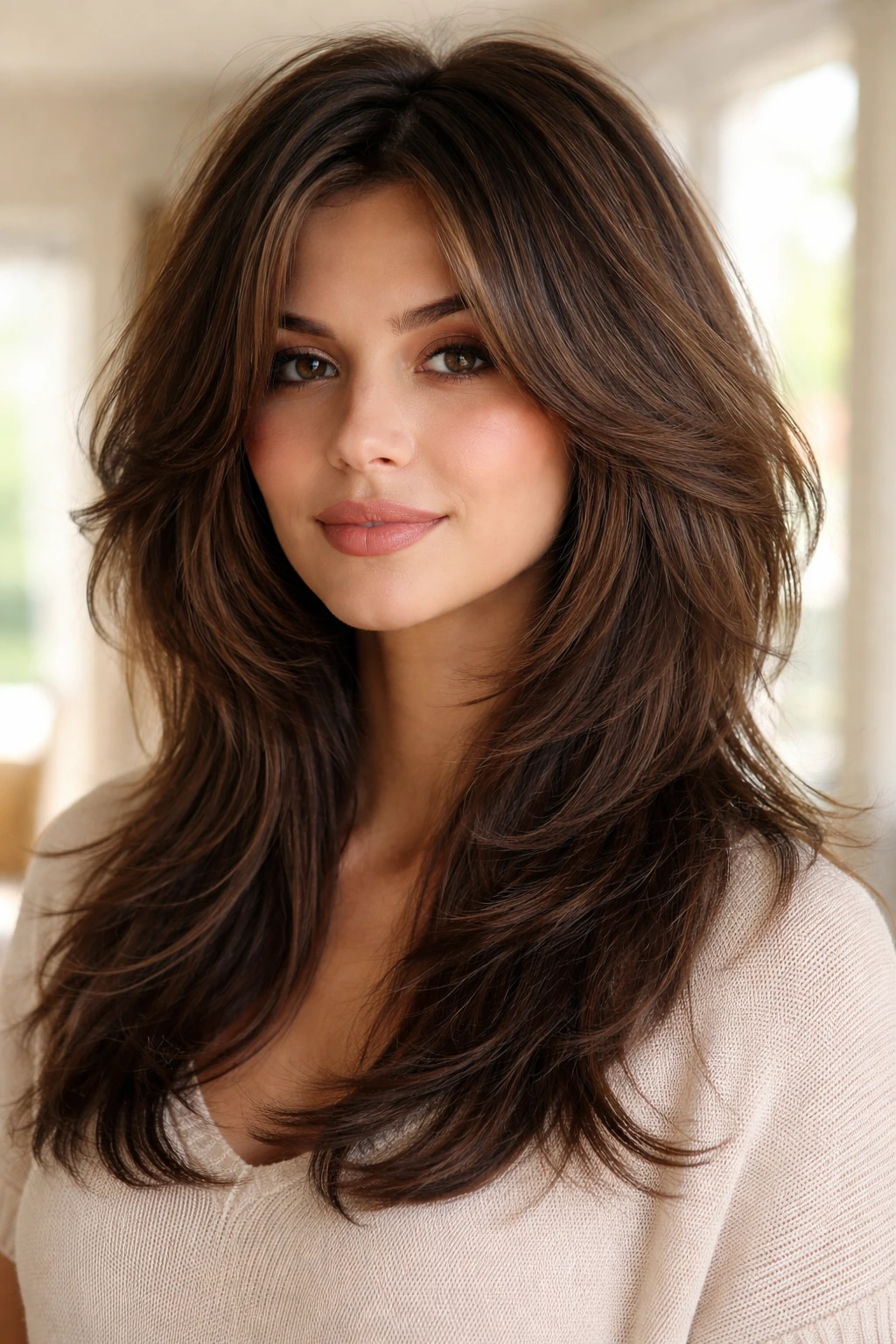
The butterfly cut is a trending style that features short, face-framing layers that look like a bob, paired with long layers that reach your back. It gives you the best of both worlds: the fun, bouncy feeling of short hair around the face and the length of long hair.
The Coarse Hair Advantage
This cut works brilliantly on coarse hair because the layers are very strategic. It removes the bulk that usually accumulates around the face, making the hair feel much lighter while keeping the overall appearance long. It is a very high-volume, high-movement cut that looks like a blowout even when air-dried.
21. Side-Swept Pixie
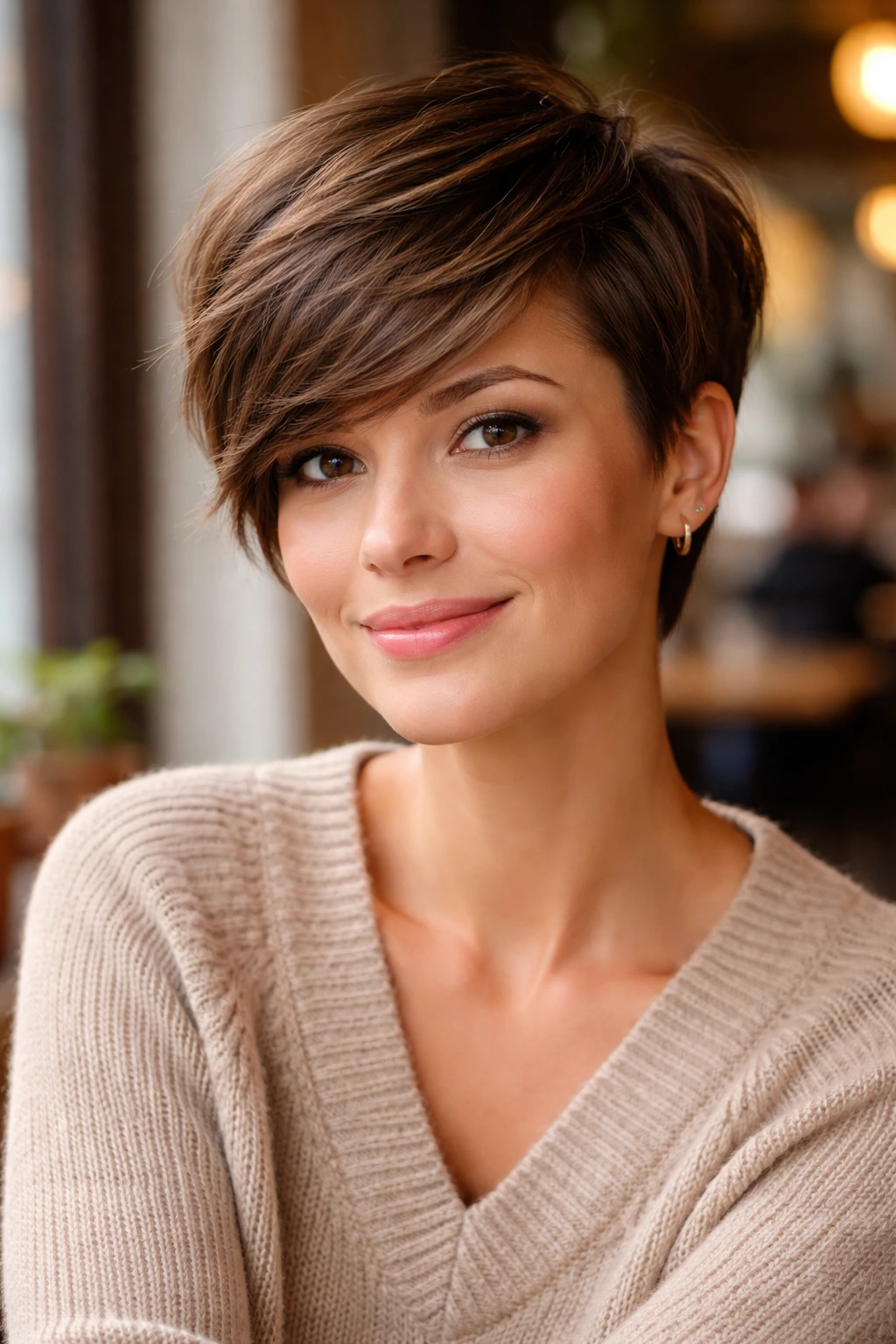
This is a variation of the classic pixie where the top is kept long enough to sweep across the forehead. For those with coarse hair, this is a great way to soften the face. The longer length in the front allows the hair to show off its natural texture, while the back remains short and easy to manage.
Why It’s Unique
It provides a bit of femininity to a short cut. You can tuck the hair behind one ear for a sleek look or let it fall over your eye for something a bit more mysterious. Because coarse hair has so much “grip,” this style will stay in place with minimal product. You don’t need a heavy spray to hold it; the hair just wants to stay put.
22. The “Bottleneck” Bob
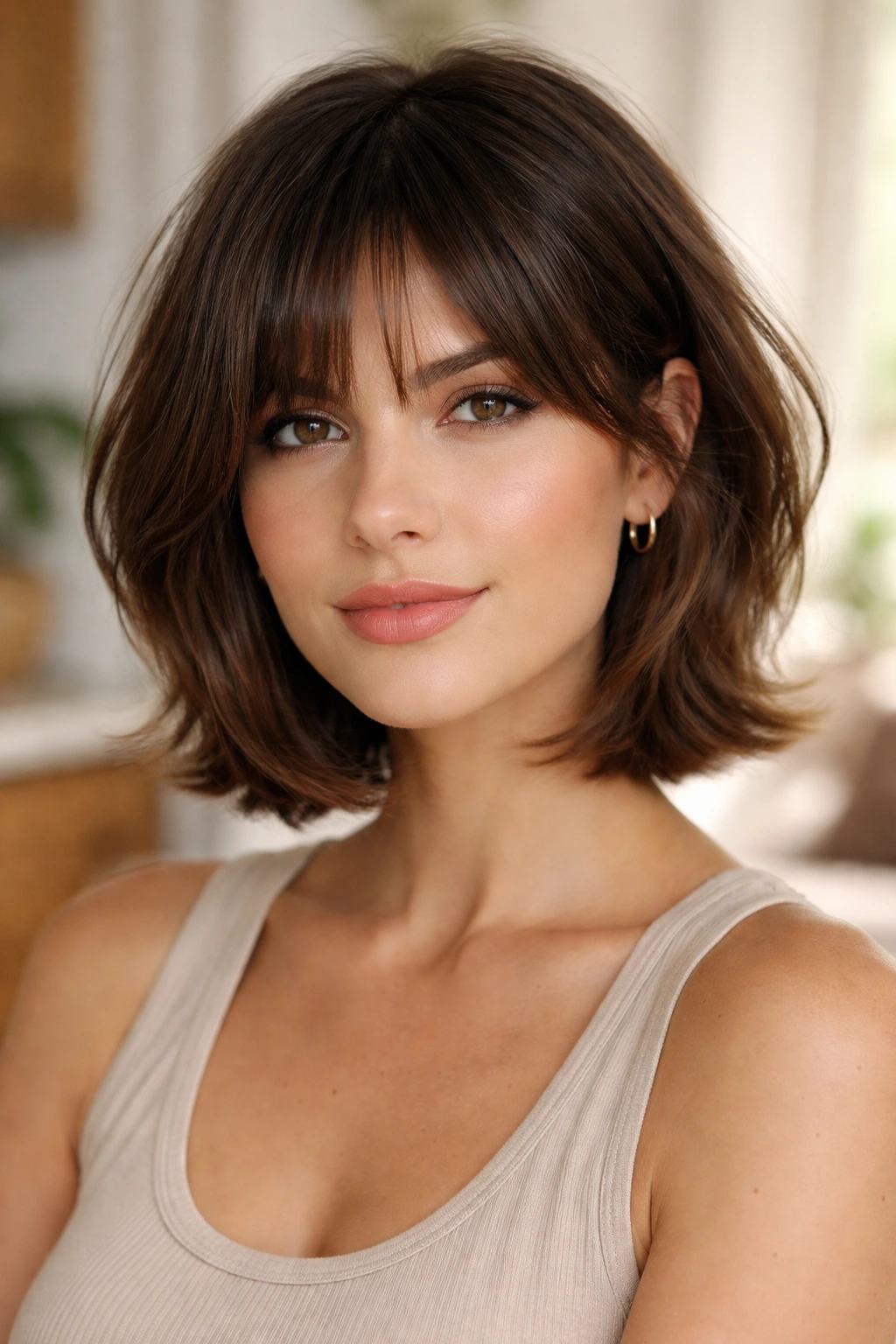
The bottleneck bob is named for the shape of the bangs—they are shorter in the middle and get longer toward the edges, tapering into the layers of the bob. This is a very flattering cut for coarse hair because it integrates the bangs into the rest of the hair seamlessly. There is no hard line between your fringe and your length.
The Seamless Blend
The layers of the bob are cut to match the length of the bangs, creating a cohesive, rounded shape. This style is excellent for hiding a wide forehead or softening a square jawline. It is a very intentional, precise haircut. It requires a stylist with a good eye for geometry, but once it is cut, the daily styling is very simple.
Final Thoughts
When dealing with coarse hair, the most important thing you can do is stop trying to force your hair to behave like fine hair. It will never be fine; it is strong, resilient, and capable of holding styles that other hair types would lose in an hour. The best haircut is the one that respects your hair’s desire for volume and weight, rather than fighting against it.
Always prioritize hydration. Coarse hair is porous, which means it loses moisture easily, but it is also thirsty. Incorporate masks and oils into your routine regardless of the cut you choose. A beautiful haircut is only as good as the health of the hair it is cut into. Take your time finding a stylist who understands the specific needs of coarse textures—someone who knows how to cut weight out without thinning it into oblivion. Once you find that rhythm, you will find that your hair becomes your best accessory rather than your biggest challenge.
