



A good weave can change the whole feel of a face in minutes, but only when the style matches the hair, the install, and the way you actually live. A center part with straight bundles reads one way in a salon chair and another way in wind, humidity, or after a week on a silk pillowcase. That gap matters.
With weave hairstyles for Black women, the details do the heavy lifting. Texture, closure size, bundle density, track placement, and how much leave-out you’re asking your own hair to handle all change the result. Too much leave-out means more heat. Too little can make the blend look stiff. And if the install sits too high, the whole style starts to look bulky around the crown. Nobody wants that.
Some looks are built for ease. Others need a little patience and a hot comb. The smart move is choosing a style that works with your edges, your face shape, and how often you want to touch your hair before heading out the door.
The styles below are the ones that stay in rotation for a reason. They frame the face well, hold shape, and keep looking intentional even when they’re not brand new.
1. Bone-Straight Middle Part Sew-In
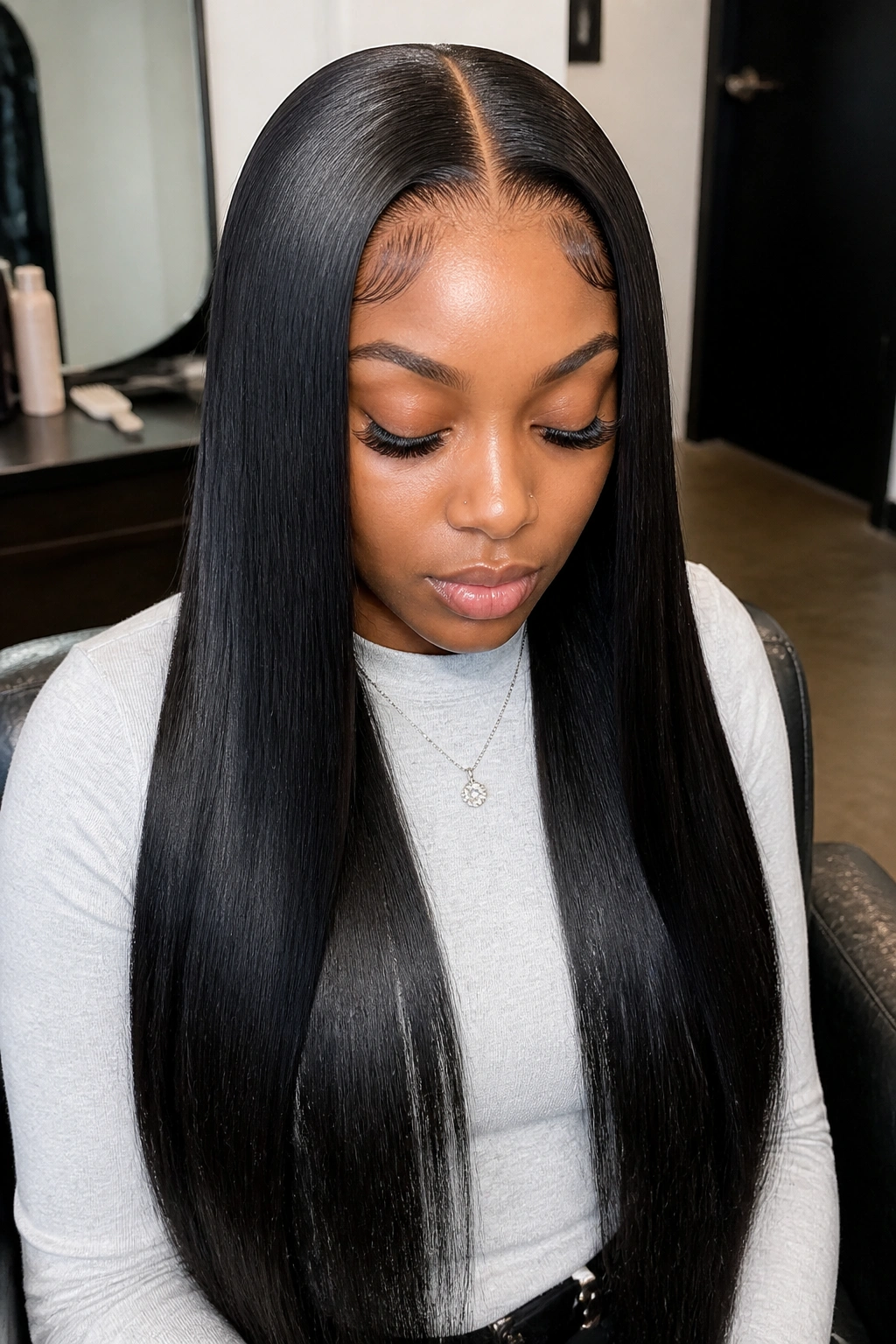
A bone-straight middle part is the cleanest place to start. It’s crisp, polished, and hard to mess up when the install is flat and the bundles are good. The middle part also gives you that long, symmetrical line that works especially well when you want the face to feel balanced and a little sharper.
The part makes or breaks it. If the part is too wide, the style starts looking bulky. If the tracks are too close to the top, you get that helmet effect people always try to avoid. A good stylist will flatten the roots, keep the leave-out minimal, and press the part enough that it sits clean without looking pasted down.
I like this style when someone wants the hair to do one job: look sleek and stay out of the way. It’s not loud. It doesn’t have to be. It works with hoops, bold lipstick, glasses, and a blazer just as easily as it works with a hoodie and lashes.
2. Deep Side-Part Body Wave Sew-In
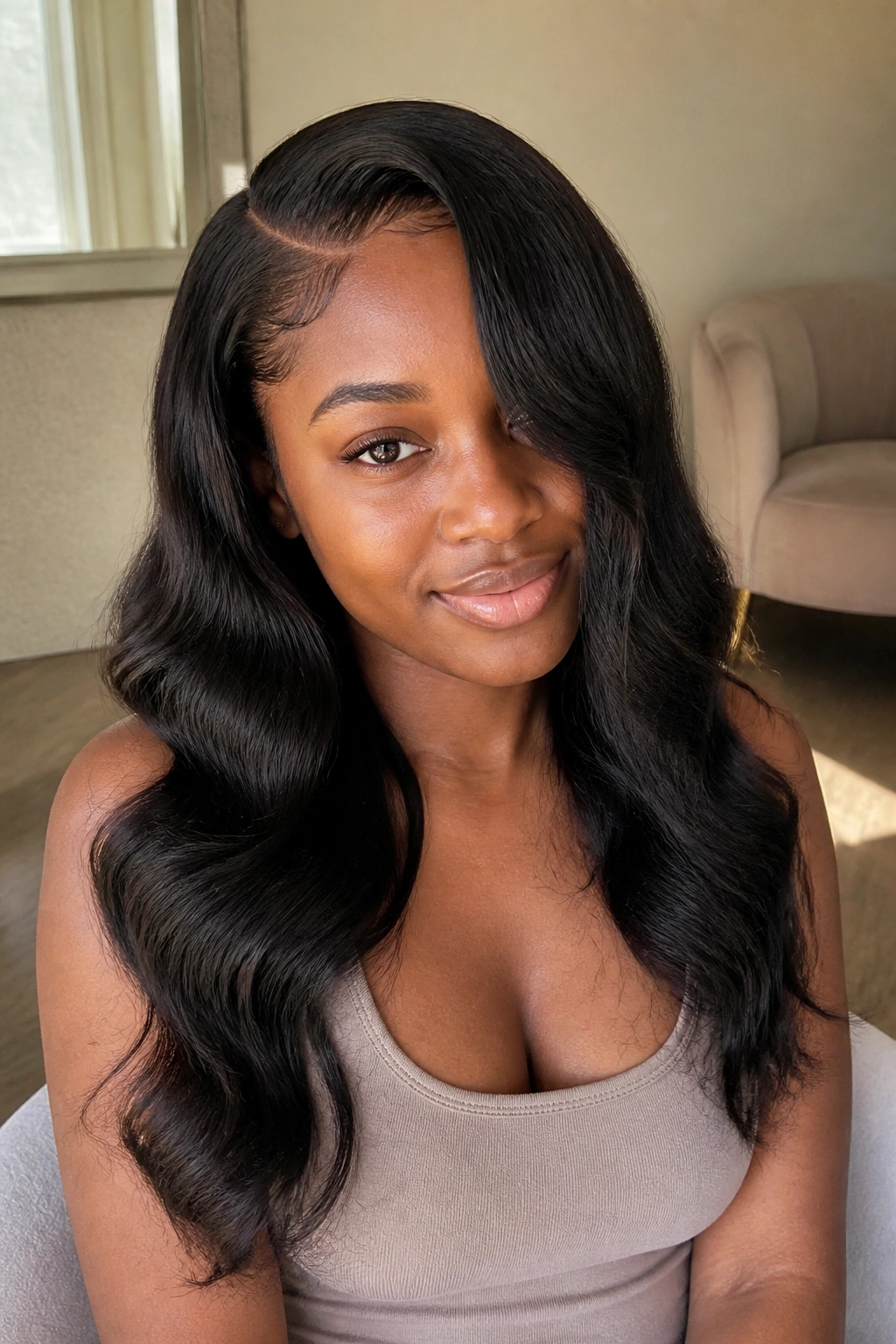
A deep side part gives body wave hair the shape it wants anyway. The curve at the front softens the face, and the wave pattern adds movement without needing a lot of daily styling. This one has range. It can look soft and pretty in daylight, then turn glossy and dramatic at night.
Why It Flows So Well
Body wave bundles already bend a little, which means the style doesn’t fight itself. The side part shifts the volume off-center, so the hair feels fuller near one cheek and lighter near the other. That little imbalance is what makes it feel styled instead of flat.
How To Wear It
- Ask for the part to start just above the arch of your brow, not halfway back on your head.
- Keep the front pieces slightly longer so the wave falls into the chest, not the chin.
- Wrap the hair at night with a large silk scarf or use a bonnet with room for the length.
- Use a light foam wrap on the roots if the part starts to lift.
This is the style I’d hand to someone who wants soft movement but hates looking overdone.
3. Blunt Bob Sew-In
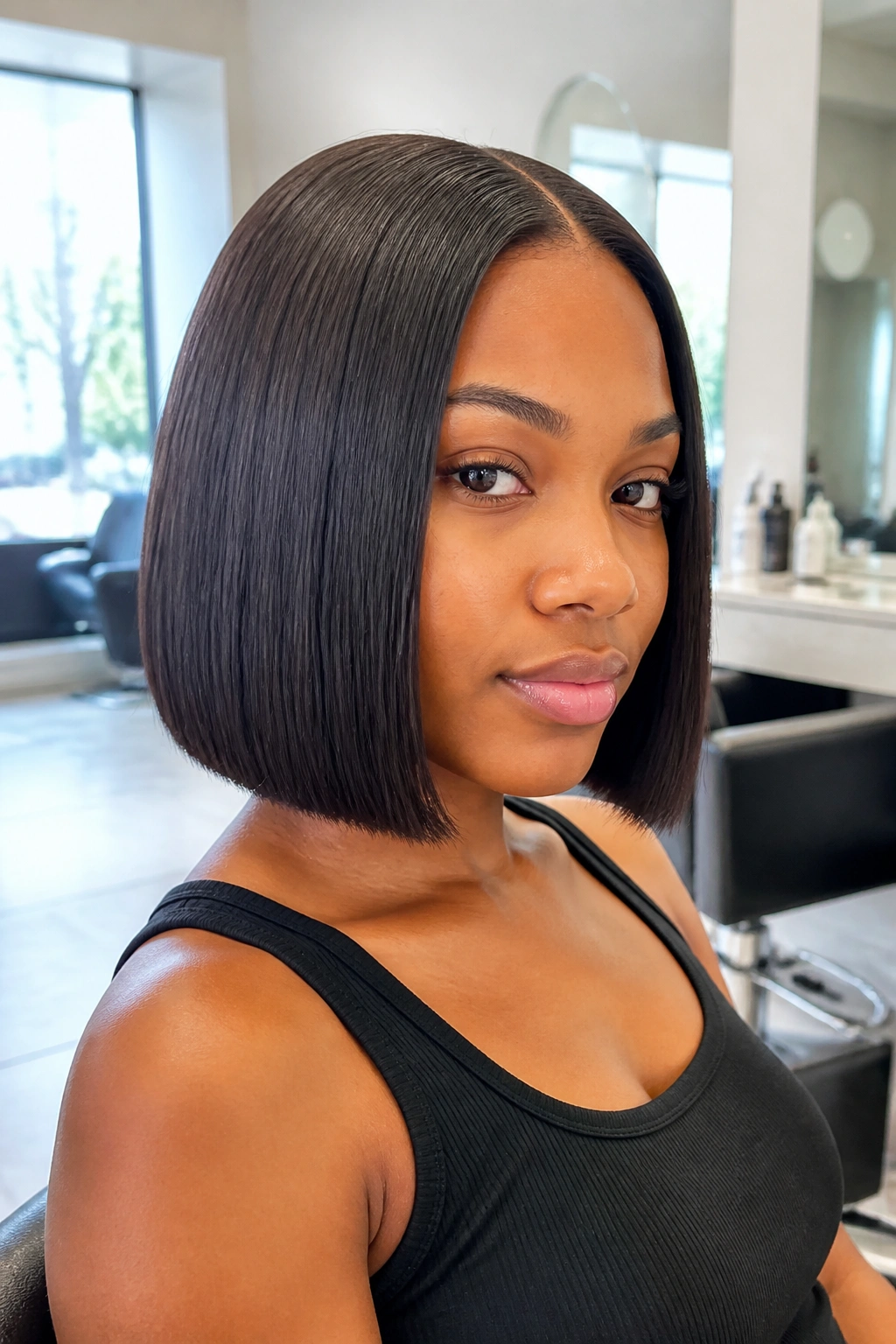
Long hair gets the attention, sure. A blunt bob gets the compliments. The line at the bottom does a lot of work here, especially when the ends are cut clean and the hair sits right at the jawline or just below it. That edge makes the hair look thicker than it is, which is why bob sew-ins stay popular.
The trick is density. A bob that’s too thin around the ends looks choppy. A bob that’s too full can feel boxy. The sweet spot is a smooth, even perimeter with just enough layering inside to keep the shape from feeling stiff. A closure helps here, because a neat top keeps the whole cut believable.
This style shines when you want a short look without chopping your own hair. It also keeps the neck open, which feels good under collars, earrings, and scarves. Simple. Sharp. No extra drama.
4. Waist-Length Layers With a Closure
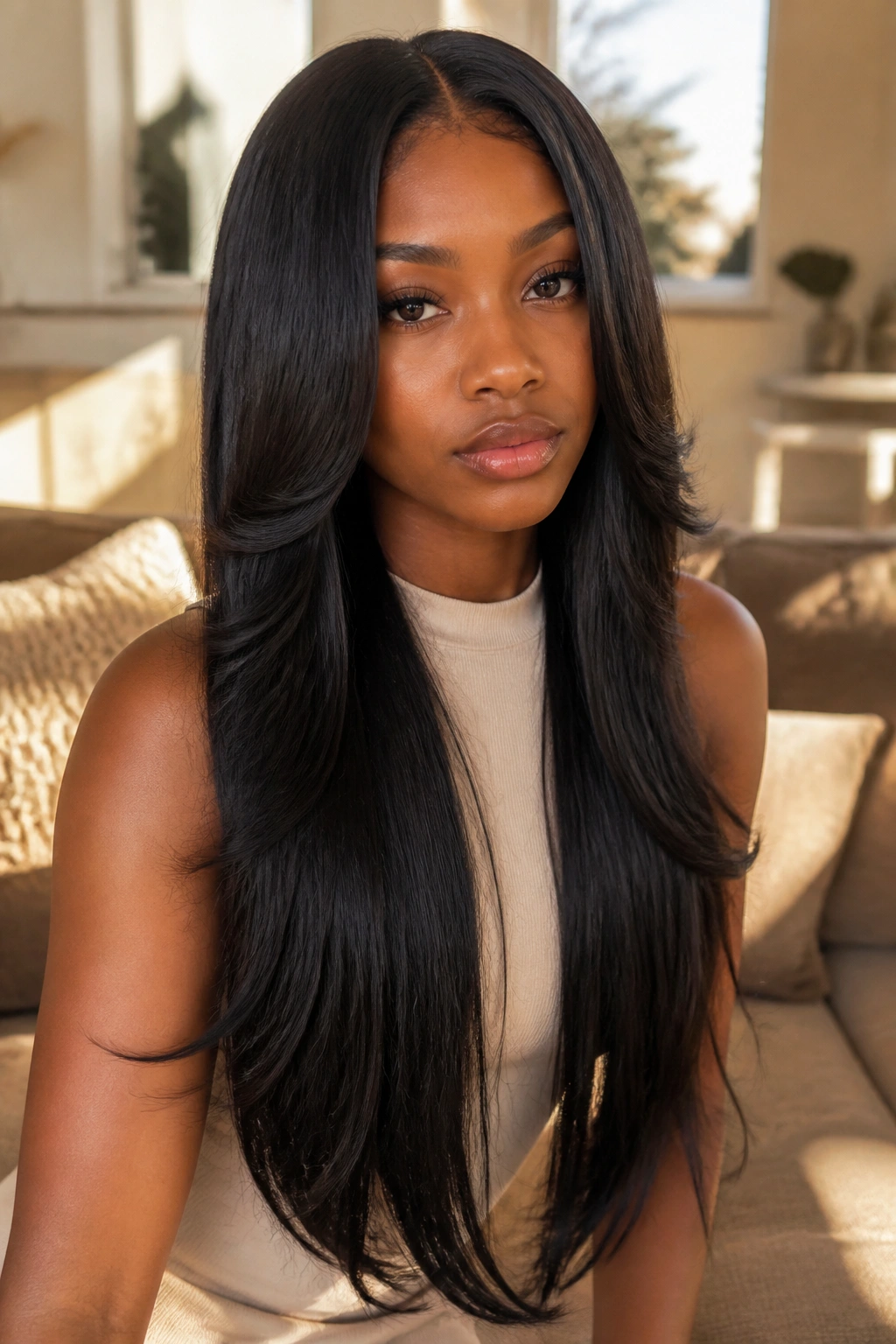
Long hair is nice. Long hair with movement is better. Layers keep a waist-length install from looking like a curtain, which is a real risk with straight bundles that have no shape cut into them. A closure gives you a clean top, and the layers keep the ends from dragging the whole look down.
The first layer should usually start around the chin or collarbone, depending on the face shape and how full the bundles are. Anything shorter can make the front look choppy unless the hair is very dense. And if the hair is thick? A few soft layers make the ends swing instead of just hanging there.
Ask your stylist to point-cut the layers rather than carve them bluntly. That keeps the movement soft. It also helps if you want to wear the hair straight one day and curled the next. The style can handle both without losing its shape.
5. Curly Leave-Out Blend
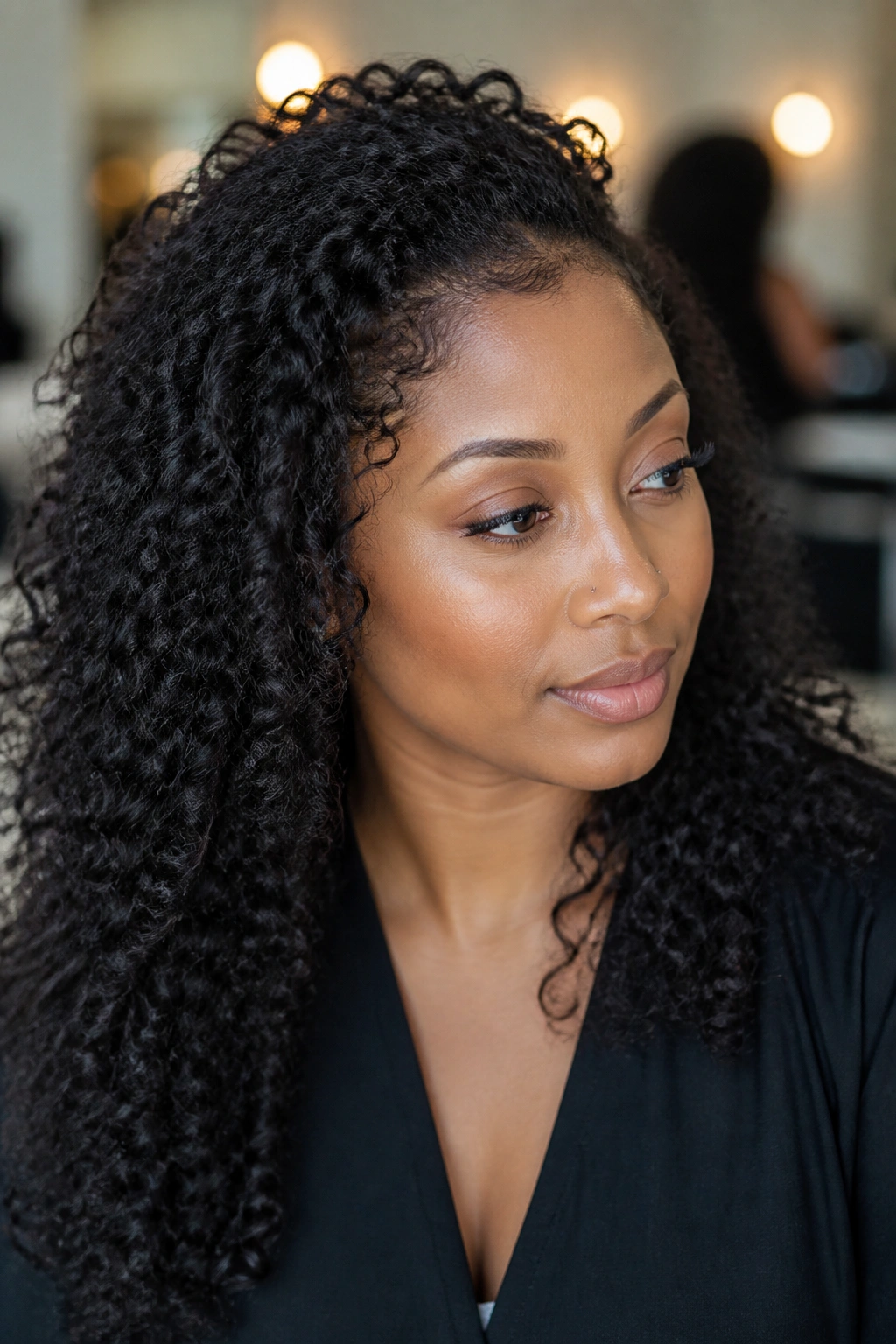
Can your own hair hold the blend? That’s the question. Curly leave-out looks gorgeous when the texture match is close, because the eye forgives a lot once the coils start moving together. But if your natural pattern and the weave are fighting each other, the mismatch shows fast.
What Makes It Work
The best curly leave-out installs rely on a texture that sits near your own curl pattern, not a random “curly” bundle that looked good in the package. Your stylist should leave enough hair out to cover the tracks without forcing the front to stretch too hard. Too much tension near the hairline is a bad trade.
Keep It Looking Soft
- Use a heat protectant before any flat-ironing on the leave-out.
- Blend with a small curling wand or flexi rods if the pattern needs a nudge.
- Sleep in chunky twists so the curls don’t tangle into one heavy clump.
- Mist the leave-out lightly before defining it again in the morning.
Humidity can make this style honest in a hurry. Still, when the textures match, it’s one of the prettiest, most natural-looking options out there.
6. Flip-Over Sew-In
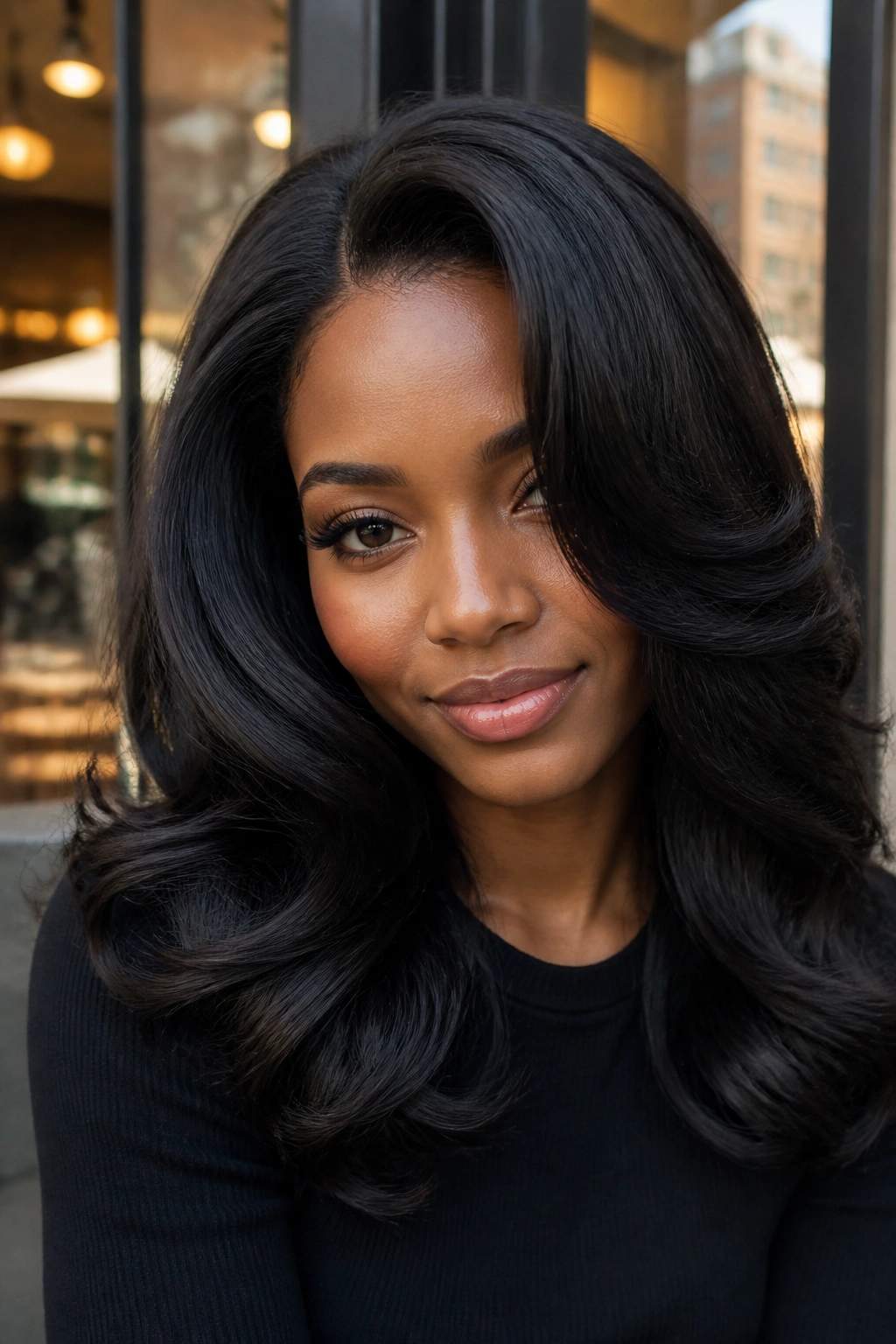
A flip-over sew-in is for the woman who does not want to pick a side and commit to it every morning. You get volume at the crown, flexibility in the front, and enough coverage to move the hair around without exposing the parting. It’s the style equivalent of not answering the phone on the first ring.
The appeal is simple: it looks full without looking locked in. One day the hair can sweep left. The next day it can fall right. That freedom matters when you want a style that lasts more than one mood. It also saves time, because you’re not rebuilding the same part over and over.
This one works especially well with body wave or loose deep wave bundles. Straight hair can do it too, but the movement reads softer when there’s some bend in the lengths. If you like volume near the roots and a little drama around the face, this is a strong pick.
7. High Ponytail With Weave
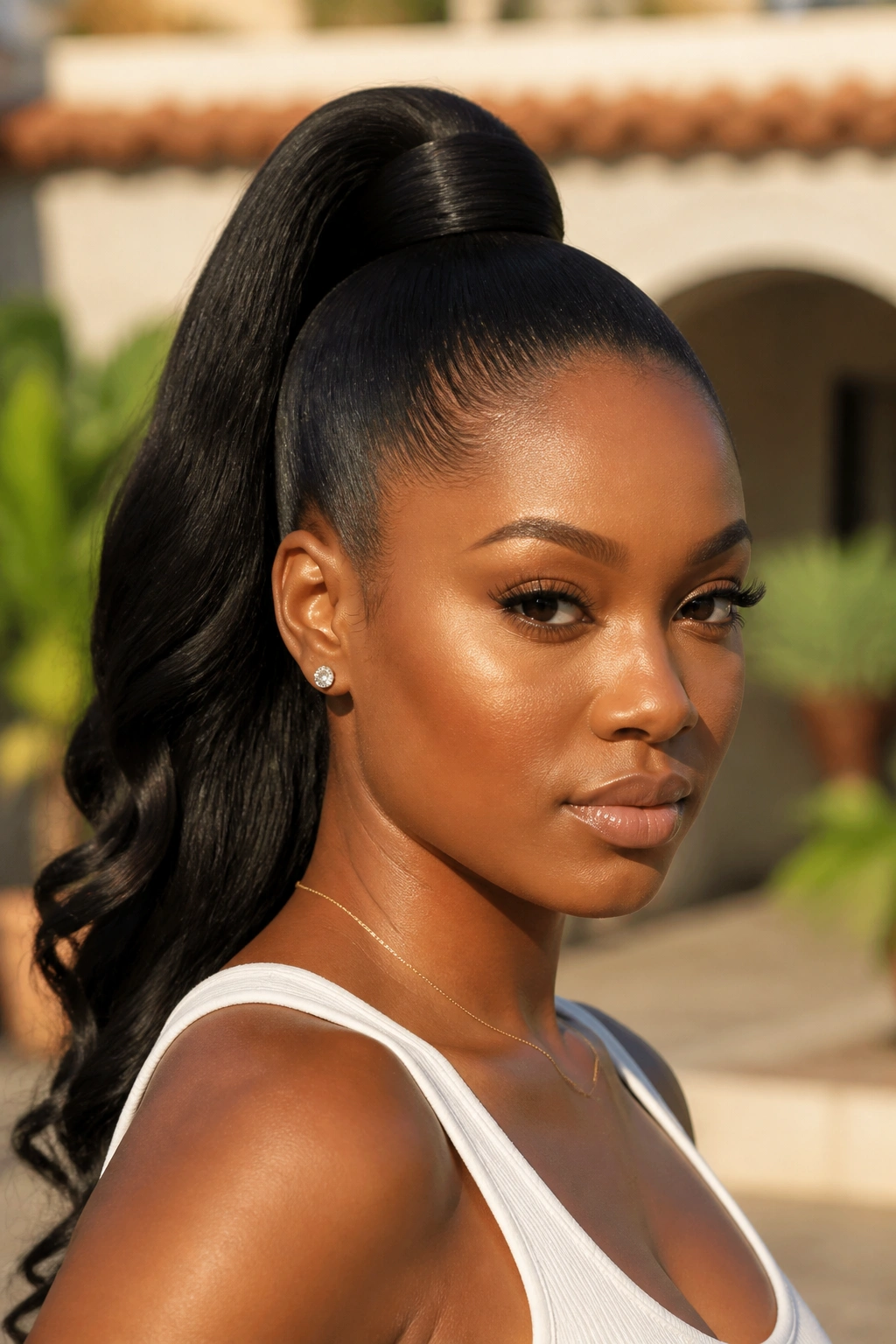
A high ponytail can be sleek and playful at the same time. It lifts the face, shows off the cheekbones, and keeps the neck clear, which is useful when the weather is warm or you’re just tired of hair in your face. It also gives you that pulled-up look without needing your own hair to do all the work.
The base has to be flat. No shortcuts there. If the install or pony foundation is lumpy, the style loses its clean shape before you even get out the door. I also like when the wrap around the pony is thick enough to hide the band completely. Thin wrap hair can look skimpy fast.
Watch the tension. A ponytail that pulls too hard at the edges may look neat for a day and feel awful by night. That is not a trade I’d make. If your stylist builds the pony on a secure but gentle base, the style can stay sharp without chewing up your hairline.
8. Half-Up, Half-Down Waves
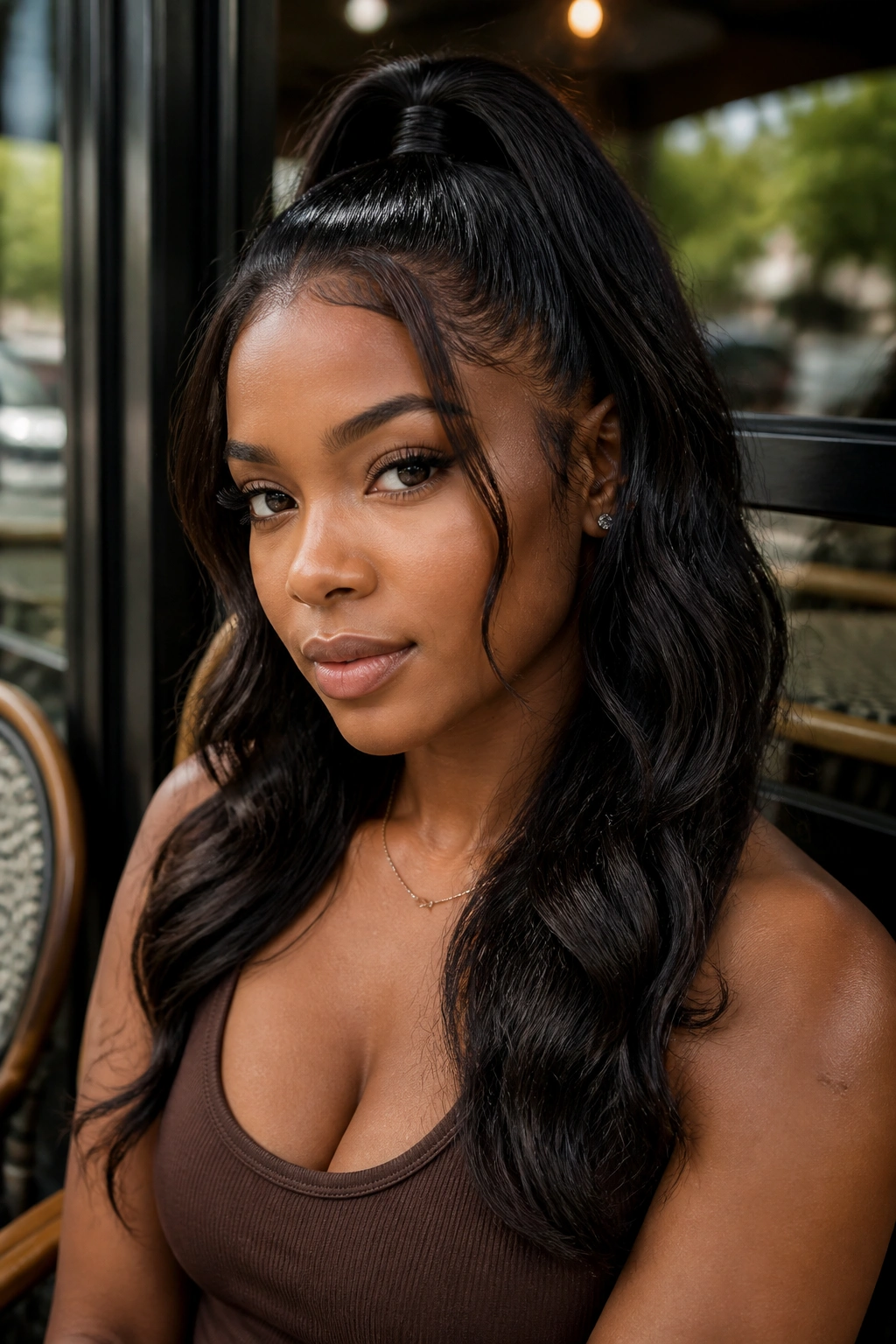
Half-up, half-down is the easy answer when you want your face open but still want length down your back. It feels softer than a full ponytail and less formal than a full-down install. That middle ground is why it shows up so often for parties, dates, and dressed-up casual looks.
The top section needs enough height to read intentional, not accidental. A little lift at the crown helps. So does using a wave pattern with enough body to hold the top knot or mini pony without flattening out by noon. Body wave, deep wave, and loose curl patterns all work here.
If the face-framing pieces are left out in front, keep them smooth and slightly curved. They should skim the cheeks, not stick straight out. A small edge brush and a bit of mousse usually do the job. This style likes a little softness. Too much product makes it look stiff.
9. Vixen Sew-In With Multiple Part Options
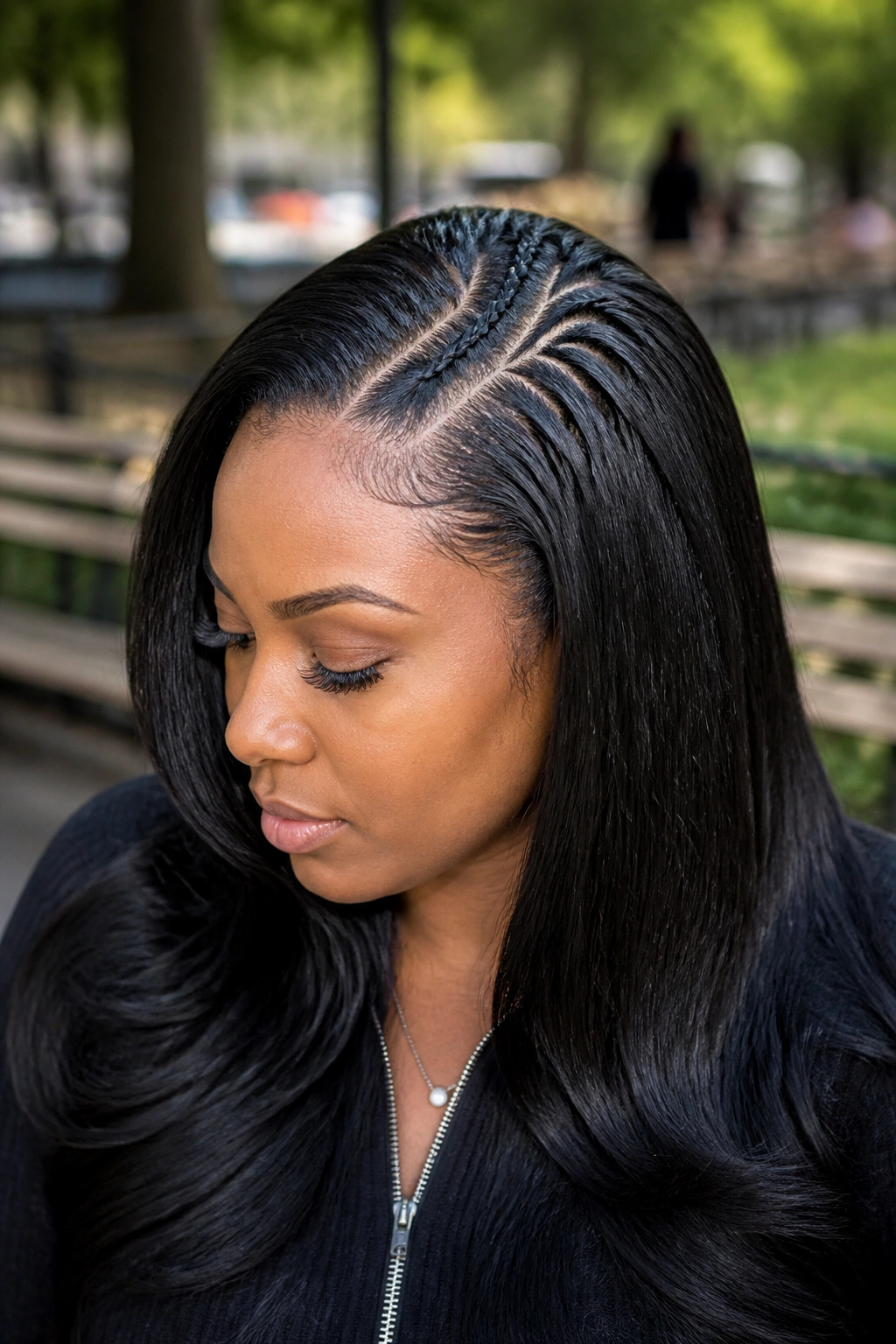
The vixen sew-in has a loyal following for a reason. It gives you several parting lanes, so the hair can be worn in more than one direction without exposing the whole install. That flexibility is the real draw. You get variety without starting from scratch every time.
Why People Keep Coming Back To It
A vixen install spreads the hair into sections, leaving room for parts that can move from center to side to half-up looks. It’s more work than a basic sew-in, and yes, the prep takes longer. But the payoff is obvious once the style is in. You can change the look without changing the whole head of hair.
What To Ask For
- Clean, narrow parting sections that line up evenly.
- Enough leave-out to cover the rows without strain.
- Bundles with movement, not stiff hair that refuses to bend.
- A stylist who knows how to keep the crown flat.
This is not the style for someone who wants zero maintenance. It rewards care. Skip the rushed install if you want the freedom it promises.
10. Yaki Straight Natural-Blend Install
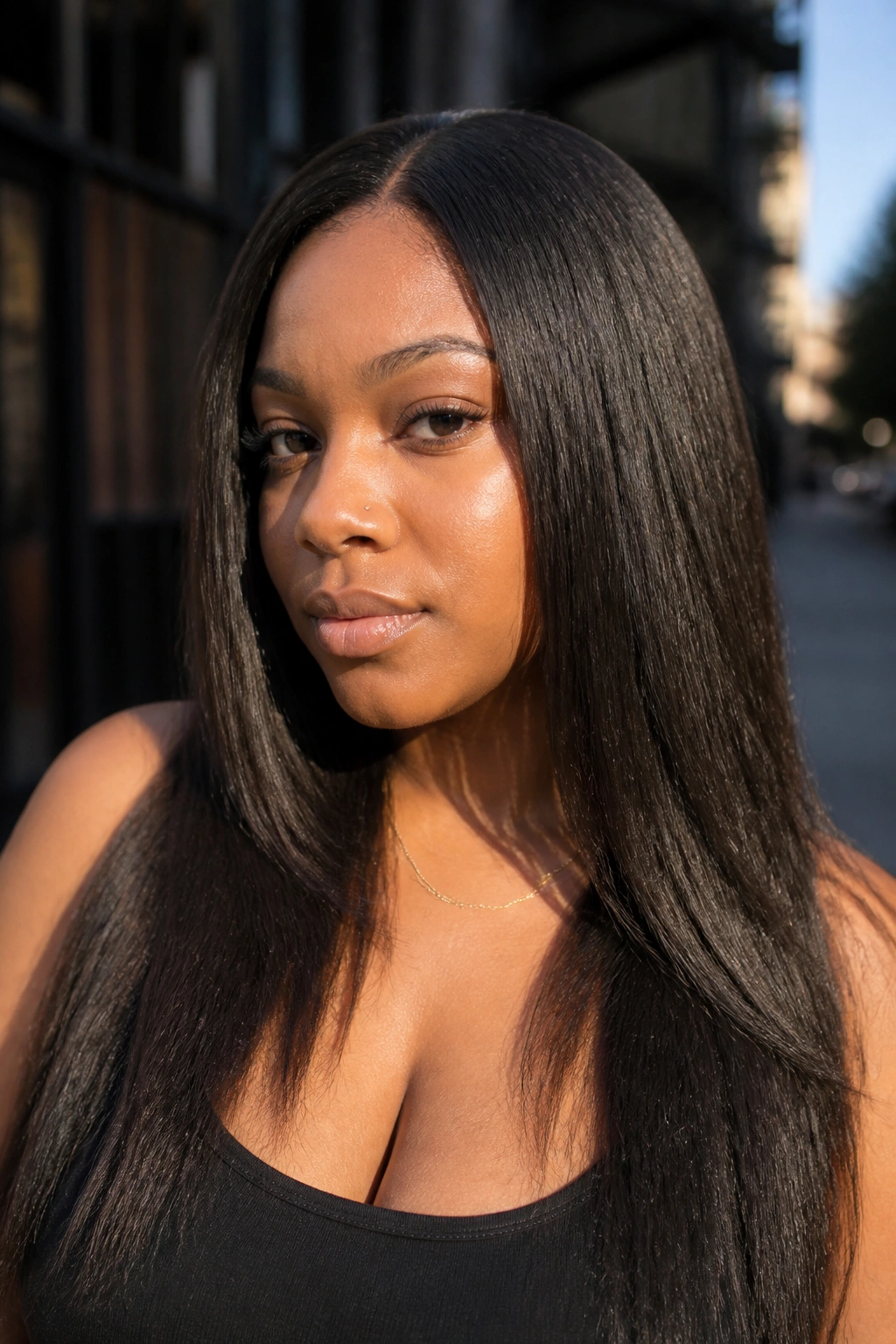
Yaki straight sits in that sweet spot between silky and textured. It has a little grit to it, which makes the hair blend better with blown-out or relaxed hair than ultra-sleek bundles do. That tiny bit of texture matters more than people think.
If you’ve ever looked at bone-straight hair and felt like it looked too smooth for your own texture, yaki straight is probably the better lane. The finish still reads polished, but it does not scream “I just came from a flat iron on high heat.” It feels more grounded. Less slippery. More believable.
This style is especially good when you want length but still want the install to feel close to your own hair family. The root area often needs less pressing, which can make the style easier to live with. That’s the part nobody likes to talk about, but it matters. A style that blends faster in the morning is a style people actually keep wearing.
11. Water Wave Frontals
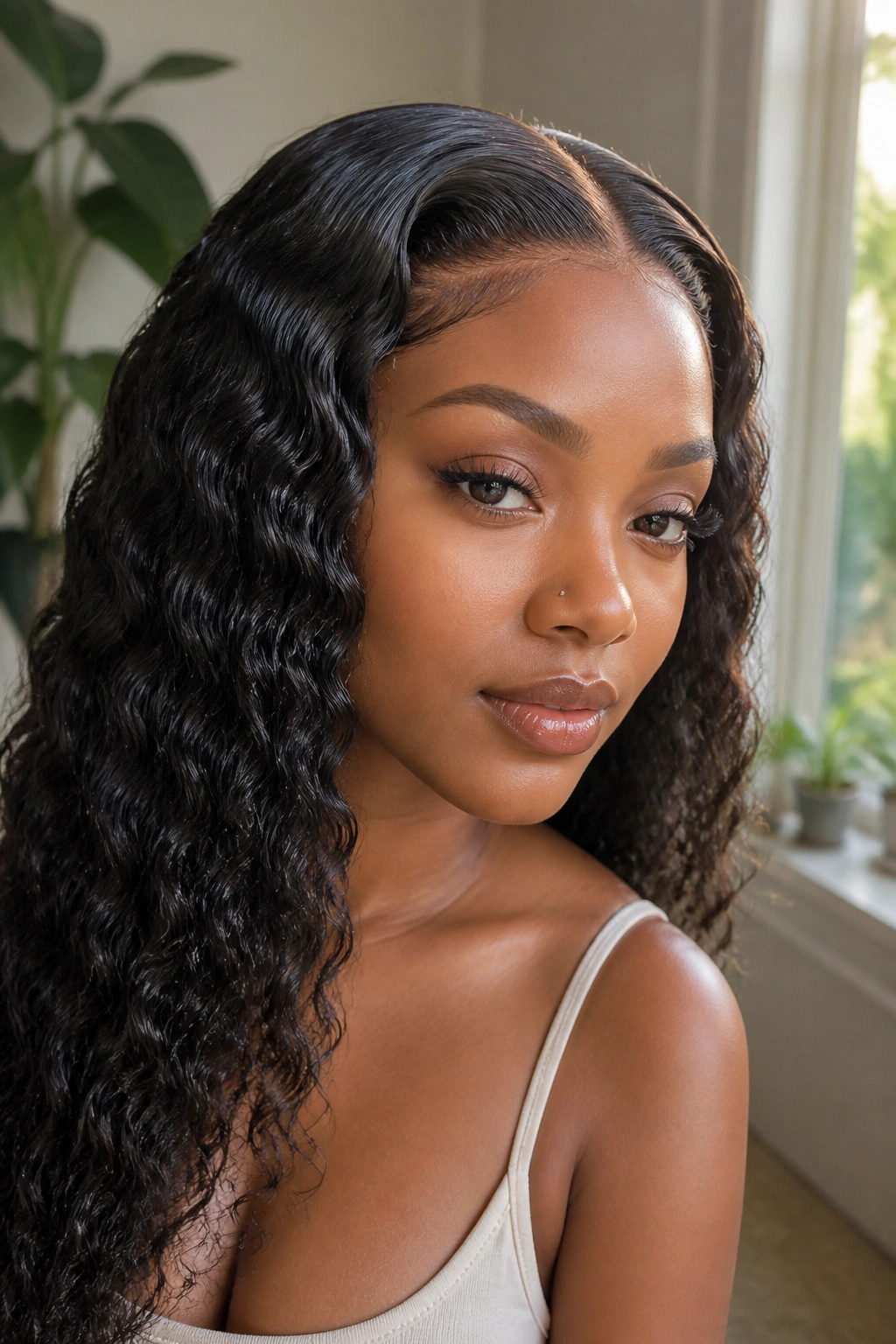
Water wave hair has that soft, springy S-shape that makes a style feel alive even when you haven’t touched it much. A frontal gives you a defined hairline and room to part the style in a clean way, which is handy if you want the curls to stay the main event.
The Texture Does The Talking
Water wave works because it creates movement without needing tight curl definition. The pattern is loose enough to feel airy, but it still has enough body to look full. When the hair is dampened lightly and scrunched with mousse, it gets that plush, touchable finish people love.
Keep The Pattern From Turning Puffy
- Detangle from the ends upward with fingers or a wide-tooth comb.
- Use a mousse that dries soft, not crunchy.
- Pin curl the front if you want the part and hairline to stay neat overnight.
- Avoid heavy oils near the roots. They weigh the pattern down fast.
This one looks best when the curls are allowed to do what they do. Over-brushing ruins the whole point.
12. Crimped Weave With A Side Part
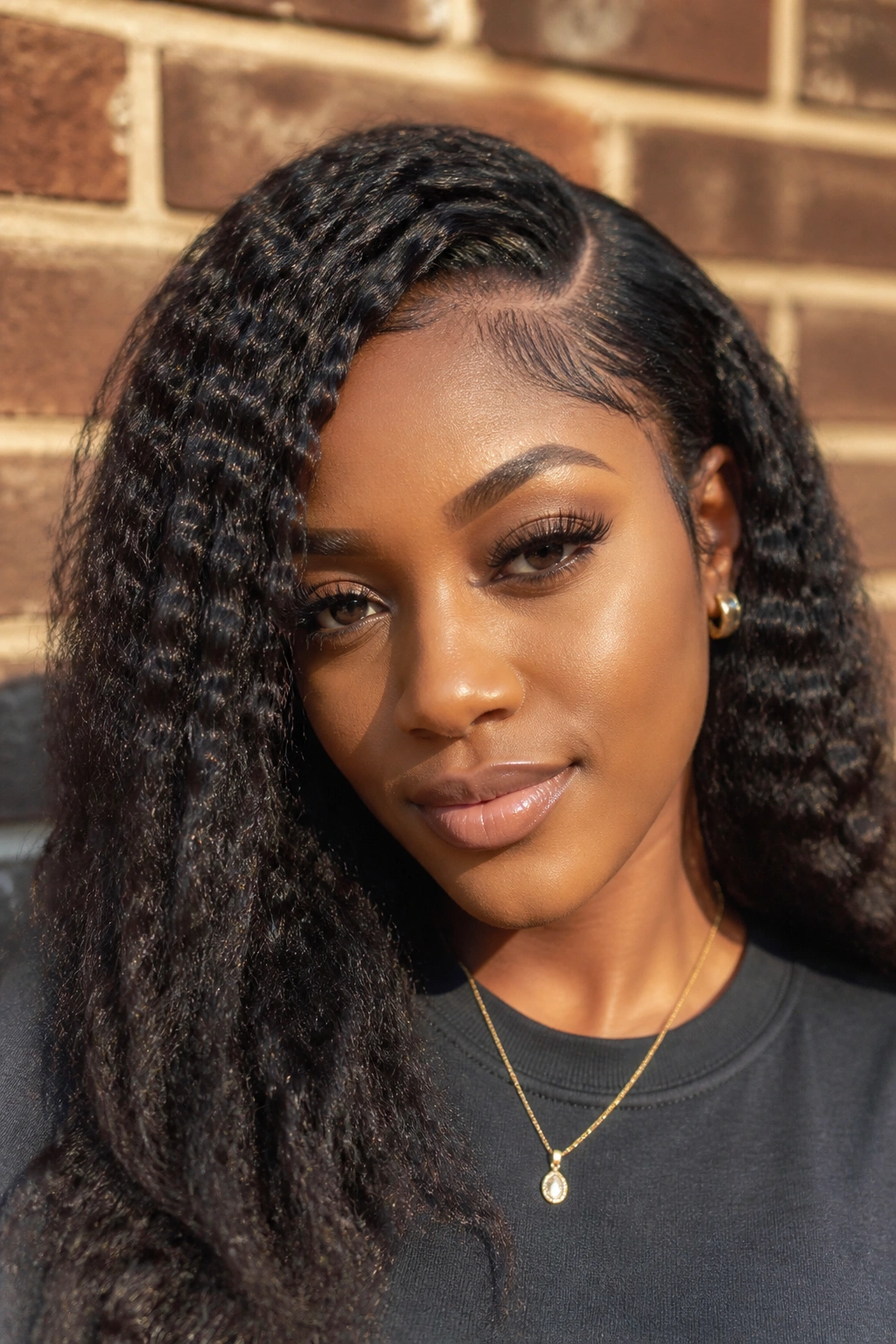
Crimped hair brings back movement in a different way. It adds texture, air, and a little edge that straight or waved styles can’t quite match. A side part keeps it from looking too busy, and the crimp pattern gives the whole install a fuller shape without needing extra bundle thickness.
Crimped weave is a good pick when you want body that lasts. It also works well on hair that tends to fall flat after a few hours, because the zig-zag texture holds volume better than smooth strands do. That said, it can tangle faster if you keep running your fingers through it all day. Leave it alone a little.
I like this style with a long side bang or a tucked-behind-the-ear front section. It gives the hair a bit of attitude. Not too much. Just enough to feel styled instead of plain.
13. Soft Curtain Bangs With A Frontal
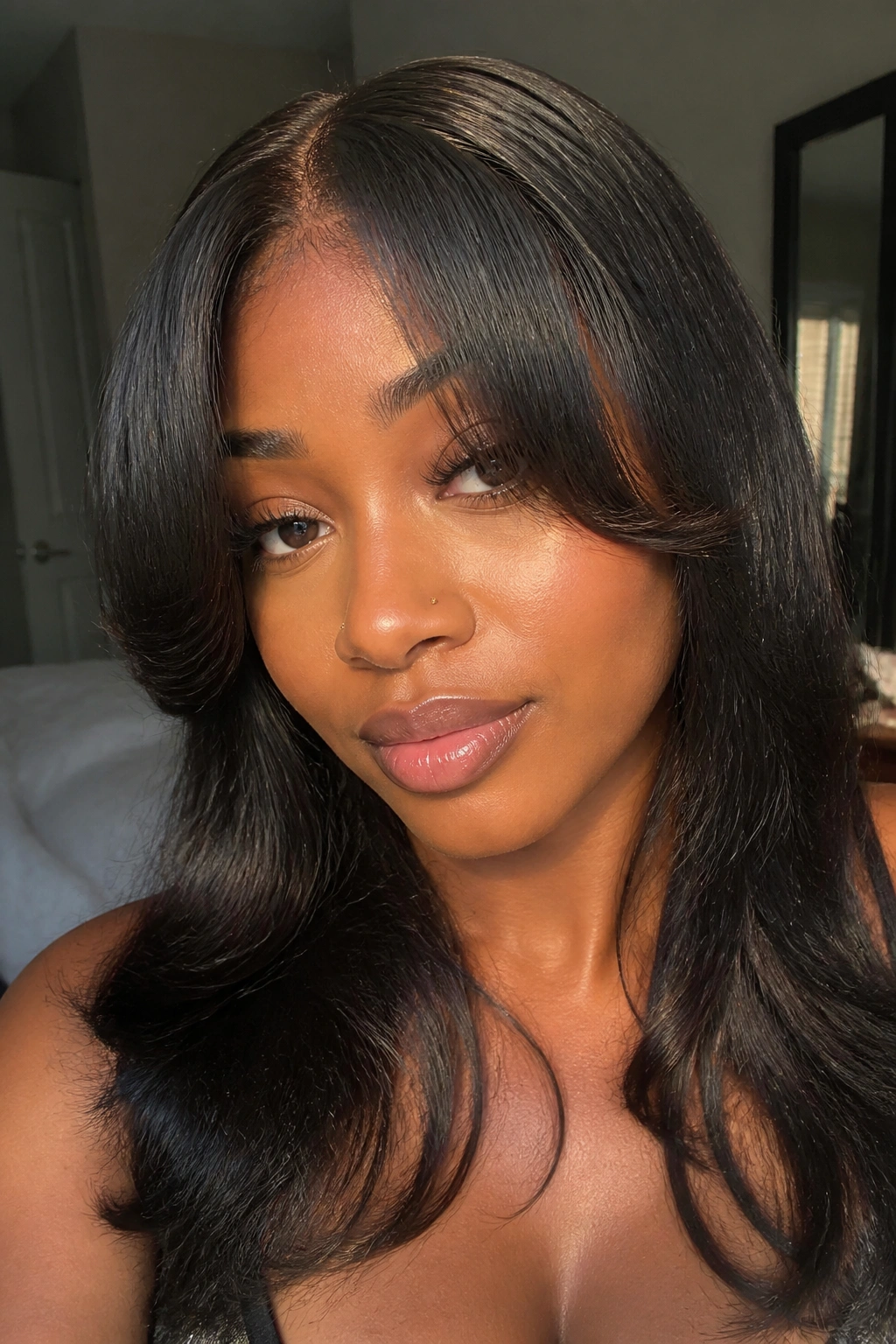
Who says bangs have to be blunt? Soft curtain bangs on a frontal install can make a weave feel lighter around the face and a lot less formal. The hair opens in the middle or slightly off-center, then falls softly to each side. It’s a good move when you want shape without hard lines.
The trick is feathering. Heavy bangs sit on the forehead like a wall. Soft bangs should skim the brows, split cleanly, and blend into the front layers so they don’t look chopped. If the frontal is laid flat and the hair is cut with a light hand, the effect is easy and flattering.
This style works especially well with long layers because the bangs create a softer first impression, then the rest of the hair brings the drama. It’s a nice balance. A little face framing up front, a lot of movement below.
14. Color-Blocked Weave With Highlights
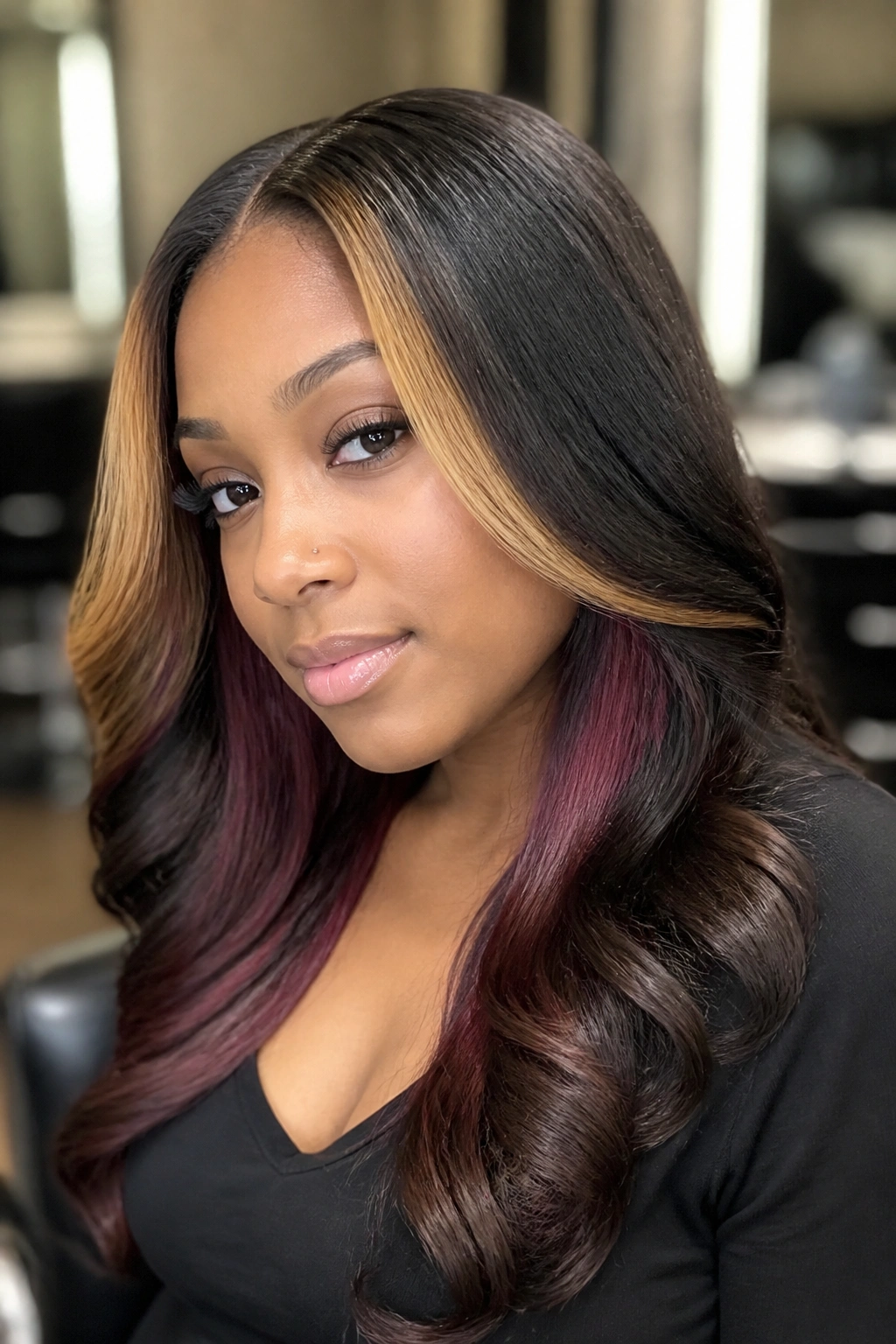
Color can change a weave fast, but placement matters more than people expect. A few honey-blonde pieces around the face do a different job than random streaks all over the head. So does a burgundy panel under dark brown hair. The color should have a reason to be there.
You do not need a loud full-color install to make the hair interesting. Sometimes a single caramel ribbon in the front gives the whole style a lift. Sometimes warm copper ends are enough. If the base shade is deep black, espresso, or chocolate brown, even a small amount of color pops hard.
This is the style for someone who wants the install to say something without crossing into costume territory. Keep the color placement clean, and keep the tones close enough to your skin undertone that they play well with your face. That part matters more than the bottle shade on the bundle tag.
15. Kinky-Curly Closure Looks
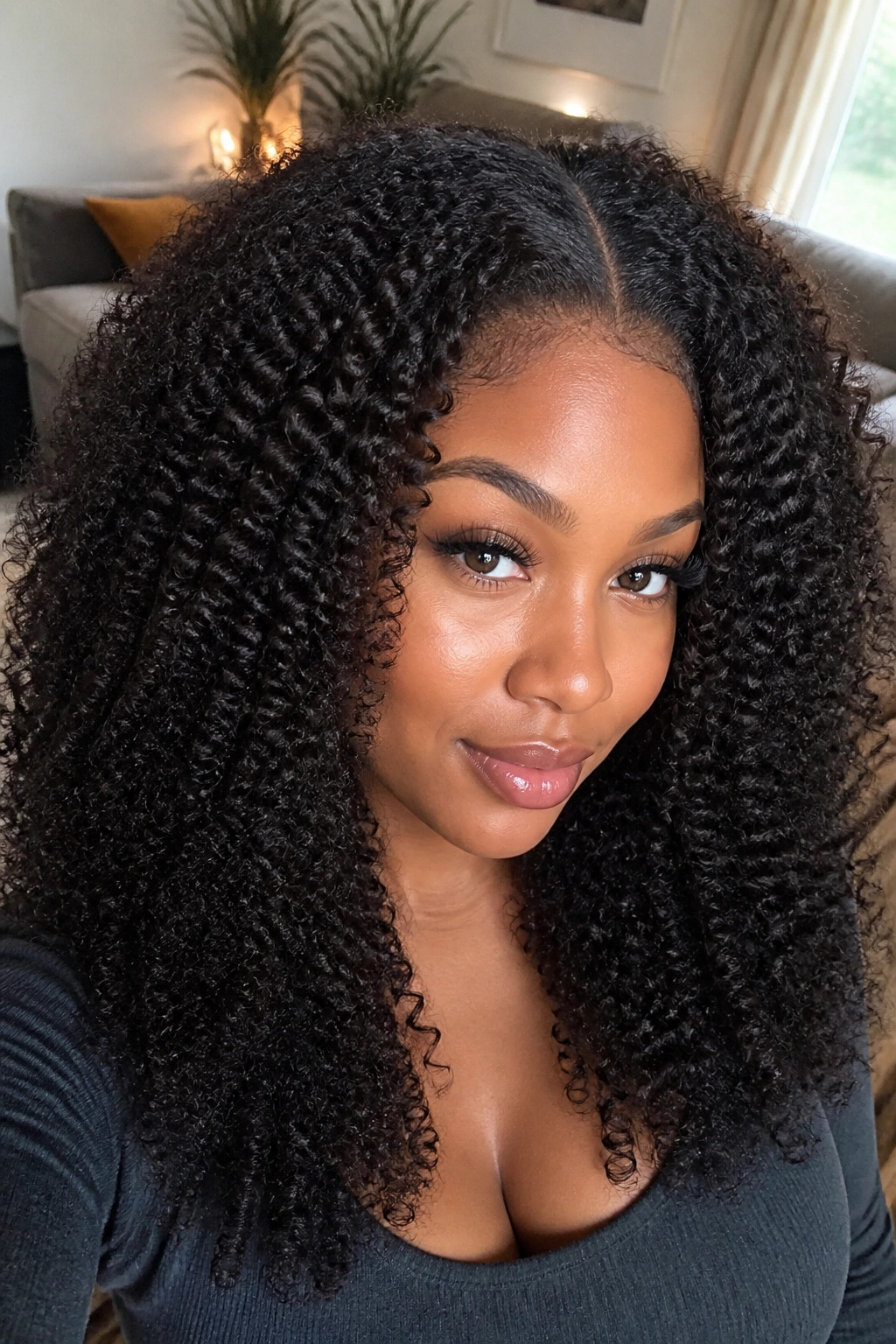
Kinky-curly installs are where a lot of women finally stop fighting their own texture. The coils sit closer to natural hair patterns, the closure keeps the top protected, and the whole style can feel like a softer version of your own hair on a good wash day.
How To Keep It Full
A kinky-curly weave usually needs shaping. Not cutting it at all is a mistake, because the hair can hang unevenly and lose that rounded look at the ends. A little trim gives the shape. A little fluff at the roots gives the volume. Both matter.
What Helps Most
- A spray bottle with water and a light leave-in.
- A small pick at the roots only.
- Finger detangling before any comb touches the hair.
- A satin bonnet with room for the curls, not one that crushes them.
This is one of the few styles that can look better on day two if you take care of the shape. The curls settle in, the top calms down, and everything feels a bit more lived-in.
16. Asymmetrical Quick Weave Bob
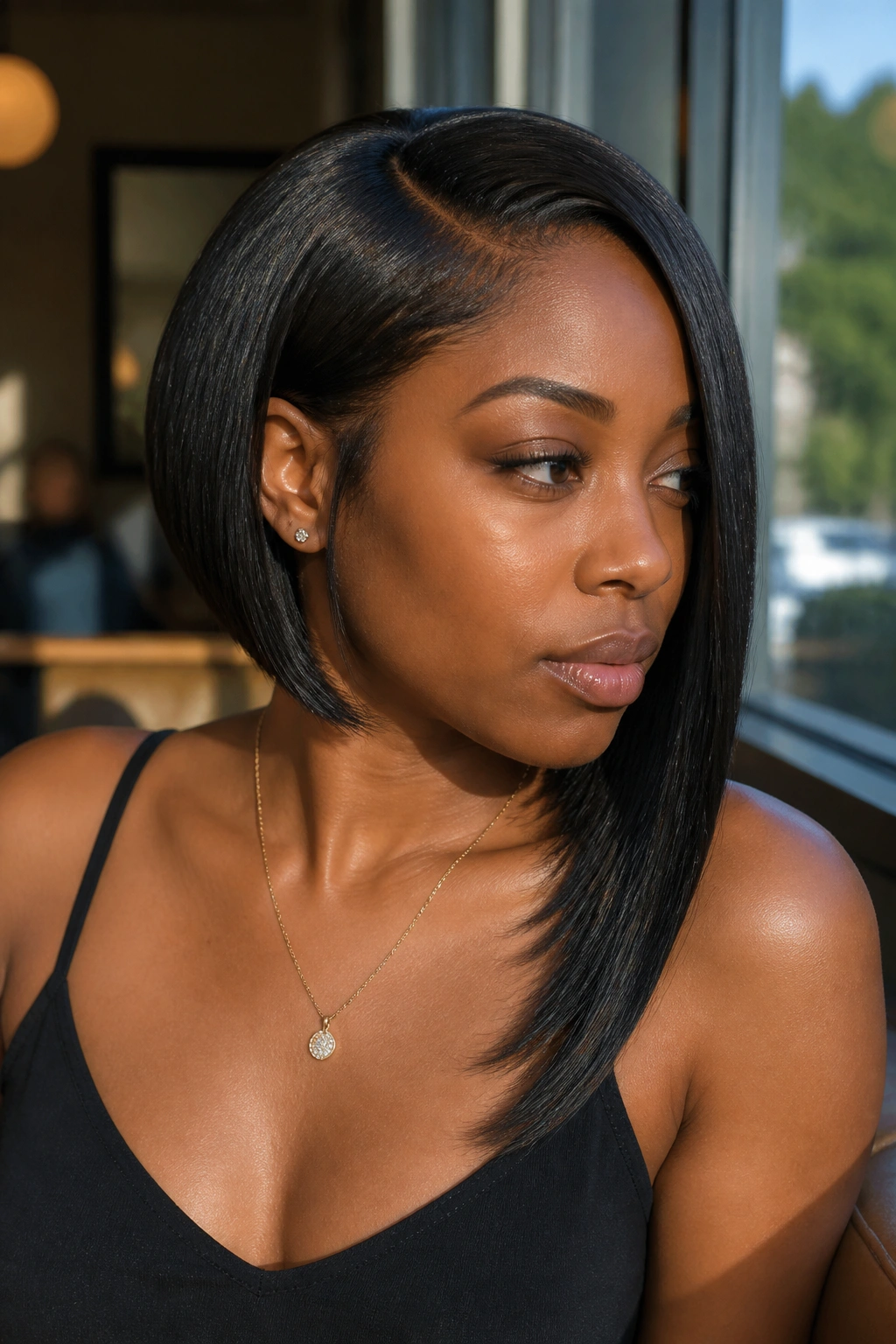
An asymmetrical bob has attitude built right in. One side sits a little longer than the other, which makes the cut feel modern without needing a lot of extra styling. A quick weave keeps the install fast, which is handy if you want a sharp look without spending all day in the chair.
The cut has to be deliberate. If the angle is too mild, the style just looks uneven. If it’s too dramatic, the hair can start to swallow the neck on one side. The best version tapers cleanly and moves from shorter to longer in a line you can see the second you turn your head.
Quick weaves can be practical, but the base needs care. The cap and adhesive must be handled properly, especially near the hairline and ears. If your scalp is sensitive, say so upfront. That is not a detail to skip.
17. Barrel-Curled Long Sew-In
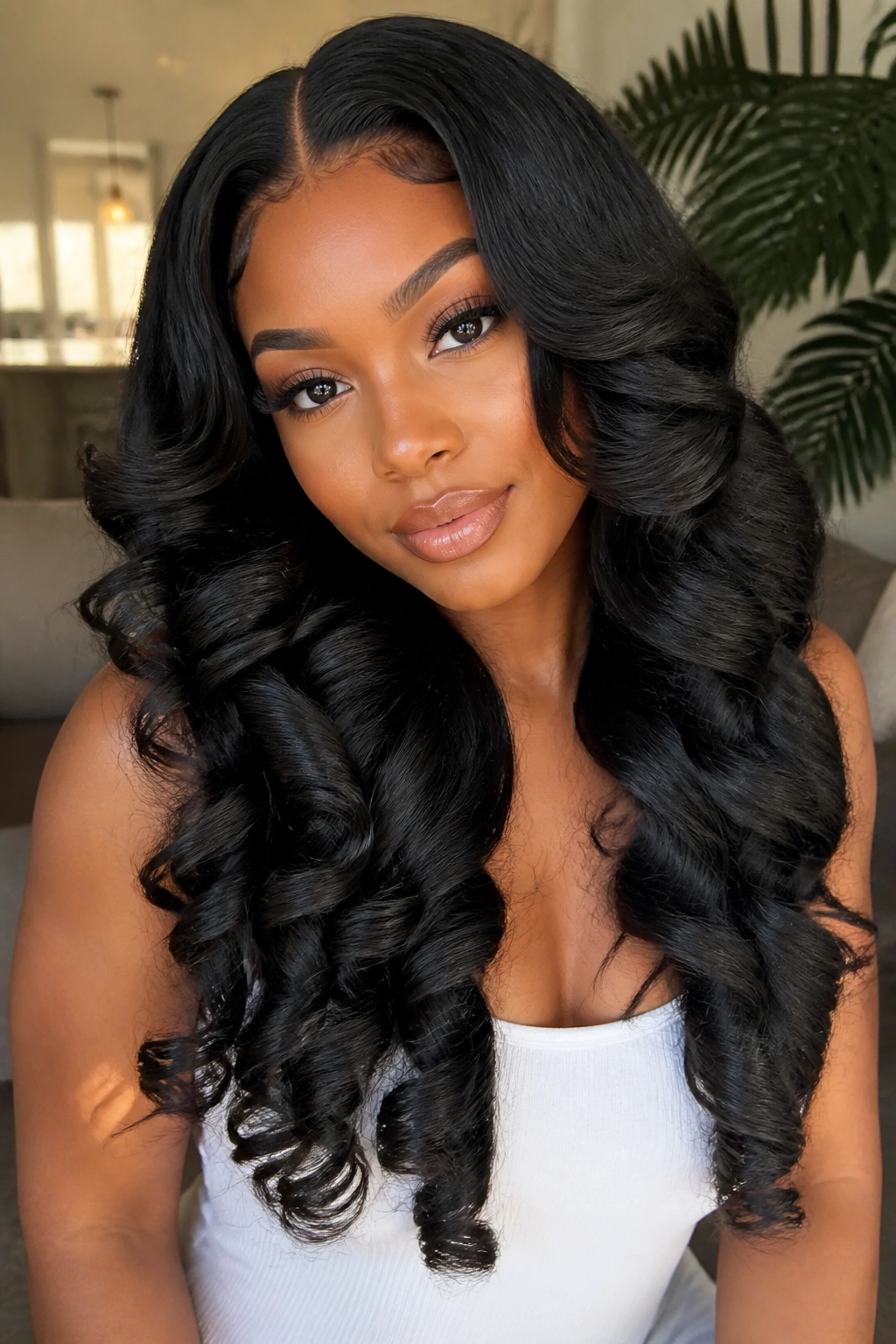
Barrel curls give long hair some life. Straight lengths can be pretty, sure, but they sometimes need shape to keep them from reading flat. Barrel curls fix that fast. One or two passes with a 1.25-inch or 1.5-inch curling iron can change the whole mood of the install.
The key is letting each curl cool before you touch it. If you brush too early, the curl falls faster and the shape turns mushy. Clip the curl, wait a few minutes, then release it. That extra pause makes a real difference. A small one, maybe, but the kind that keeps the style from collapsing by lunchtime.
I also like barrel curls best on layered hair, because the curls stack better and the ends don’t all hit the same point. That little variation makes the style look fuller and less heavy. Simple adjustment. Big payoff.
18. Low Bun With Weave
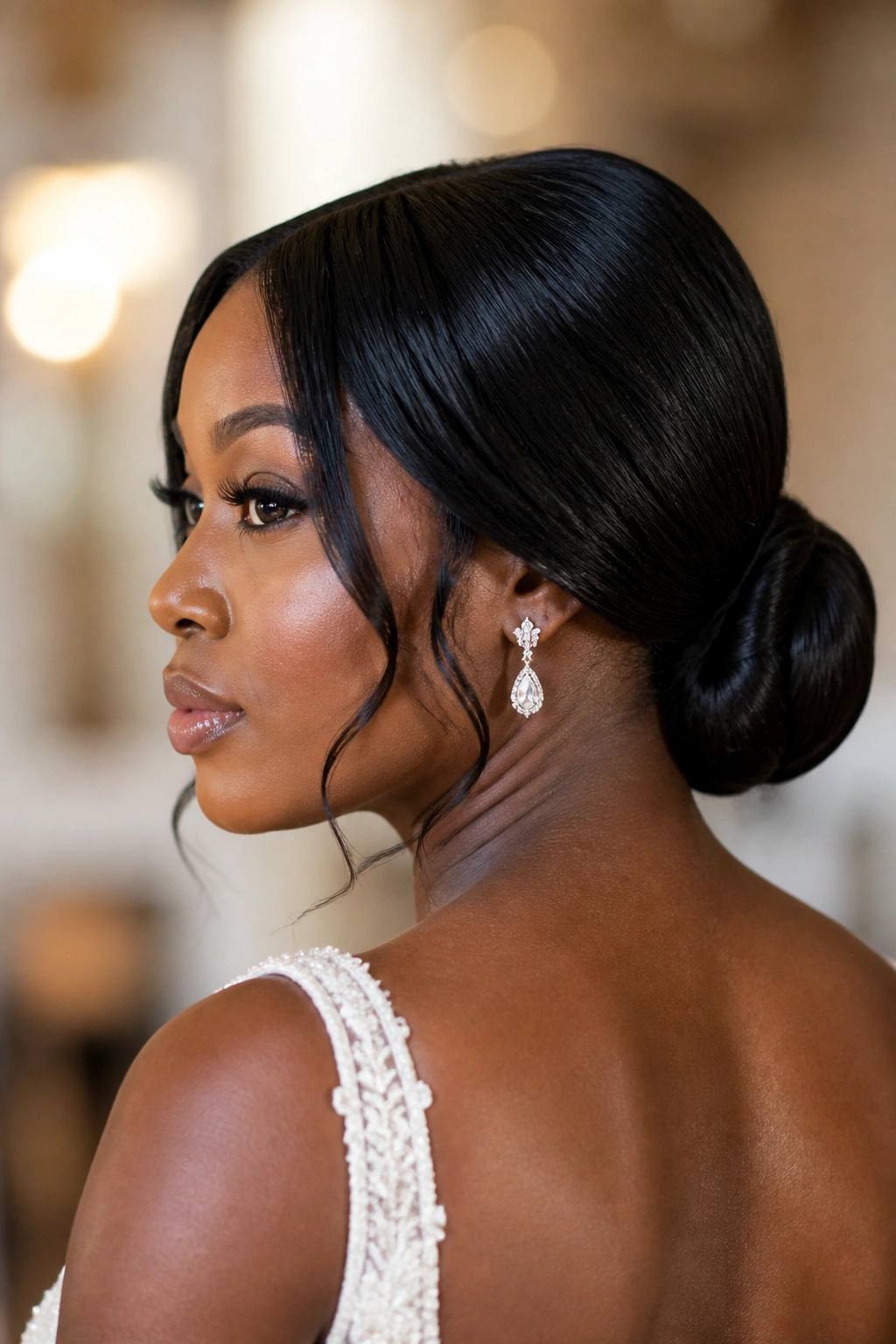
A low bun is the style people underestimate until they need one. It can look polished enough for a wedding, neat enough for work, and plain enough for a day when you just want your hair off your neck. With weave, the bun can be built from a ponytail base, wrapped hair, or a sewn-in foundation.
The biggest mistake is pulling everything too tight. A bun should sit secure, not feel like it’s trying to lift your eyebrows. Keep the crown smooth, but let the style breathe a little at the hairline. If the bun is sleek, the part and edges should be clean. If it’s softer, allow a few face-framing pieces to fall loose.
This look is especially useful when you want to protect the ends of a long install. Tuck, wrap, and go. It’s one of those styles that saves time without looking lazy. That counts for something.
19. Side-Swept Glam Curls
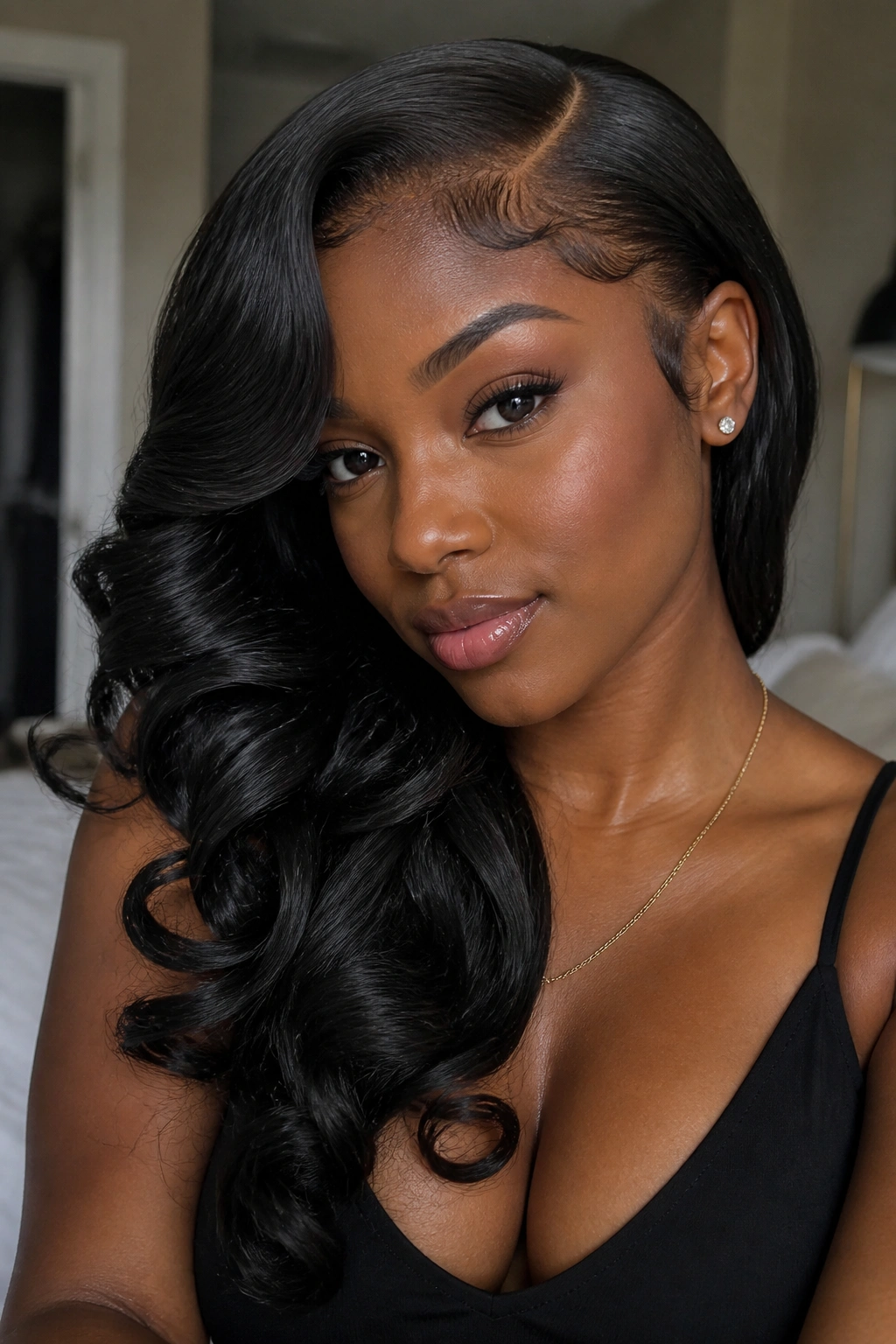
Side-swept curls work because they put the volume where the eye wants to go. One side opens up the face. The other side carries the weight and drama. It’s a strong look for one-shoulder dresses, statement earrings, and nights when you want the hair to feel a little more dressed up.
A deep side part is the base, but the sweep is what changes the shape. The curls should flow across the chest and shoulder, not sit in a stiff pile. Pinning the smaller side behind the ear helps a lot, especially if the front needs to stay open for a cleaner line.
This style loves shine, but not greasy shine. A light serum on the ends is enough. Too much product breaks the curl and makes the hair look wet in the wrong way. Keep it soft. Keep it moving.
20. Feathered Butterfly Layers Sew-In
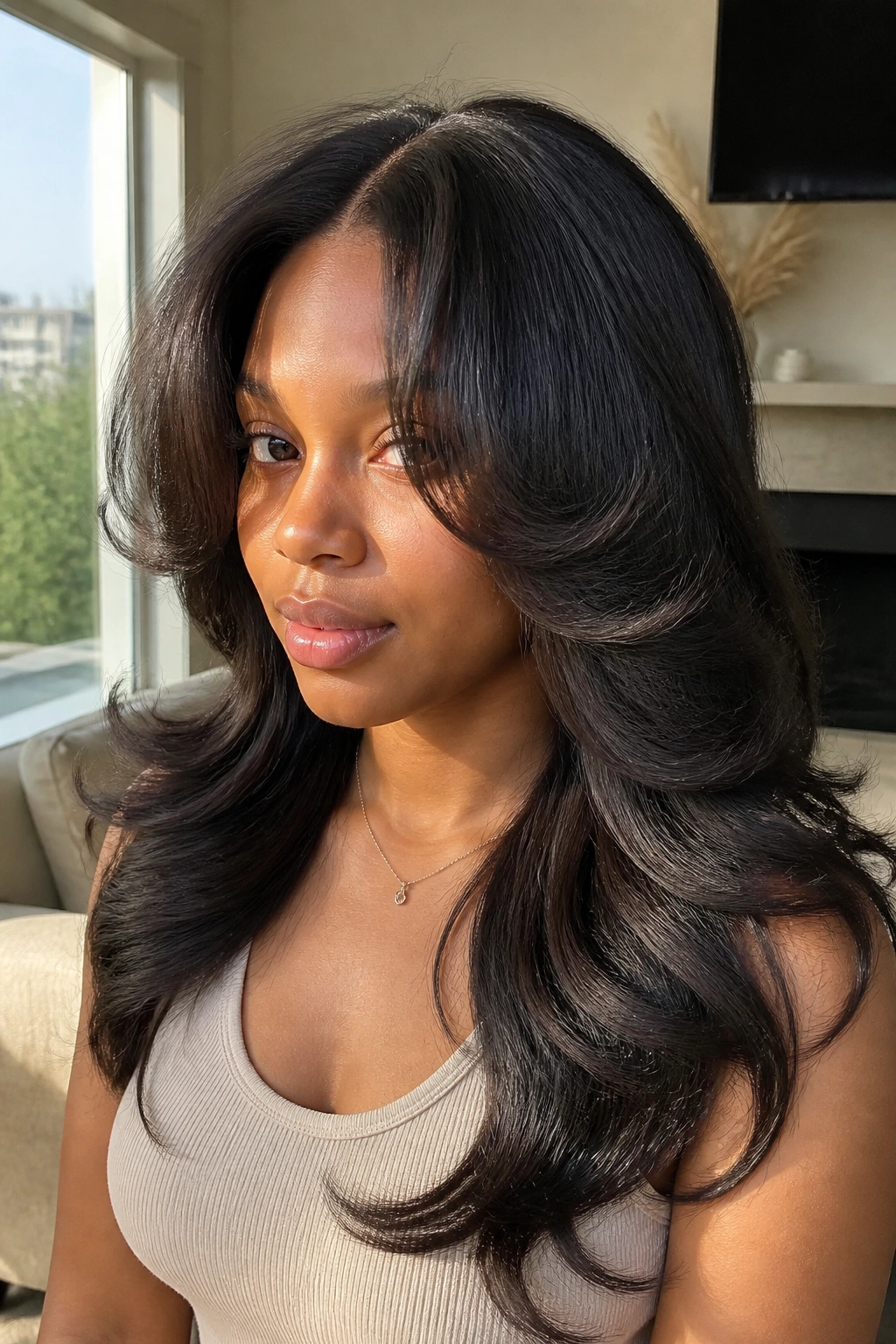
Feathered butterfly layers are what I reach for when someone wants length and movement without losing the feeling of fullness near the top. The layers are cut so the hair lifts around the face and drops longer through the back, which gives the install a soft, airy shape. It’s not flat. It’s not heavy. It sits in a nice middle space.
The reason this style keeps showing up is simple: it does a lot without looking busy. A few face-framing layers can slim the face. Longer interior layers let the ends flip and move. And when the bundles are good, the whole thing keeps that easy swing even after a few days of wear.
If you want the style to hold, ask for the layers to be cut while the hair is installed or installed very close to final length. Cutting them after the fact can work too, but it is easier to misjudge the shape once the hair is already on your head. This is one of those looks that rewards a steady hand. Quietly. Beautifully. And then it keeps paying off every time you move.
