



A red can look rich in the bowl and stubborn on the head. On cool skin, the wrong red often goes soft at the wrong spots, pulling the face toward pink, gray, or a little too much orange. The best red hair color ideas for cool skin tones usually lean blue, violet, berry, or wine for a reason: those shades sit in the same color family as the cool undertones in the skin.
That does not mean bright color is off the table. It just needs cleaner pigment. Cherry can look sharp, raspberry can look playful, and a smoky copper can work when the orange is pulled back with brown or pink. A good colorist will talk in practical terms—level, base tone, gloss, root shadow—because those choices decide whether a red looks polished or oddly loud.
If silver jewelry looks better than gold near your face, that is one clue. So is a natural flush that reads pink rather than peach. None of that means you need to live in burgundy forever; it only means you want red with a cool edge, not a fiery one.
Start with the shade that gives you the most payoff for the least regret: a blue-red cherry.
1. Blue-Red Cherry That Reads Bright, Not Orange
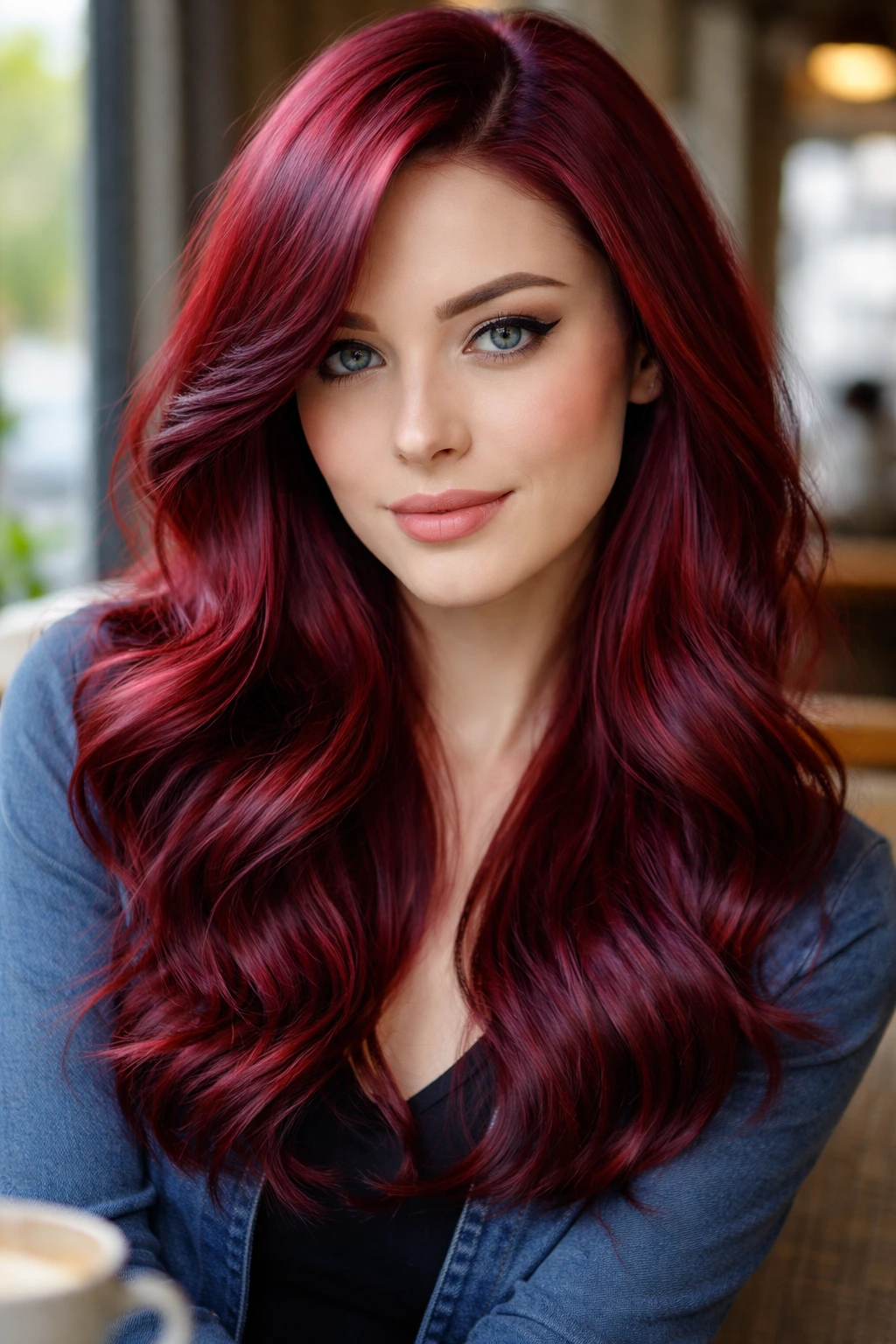
Cherry red is one of those shades that can look almost electric on cool skin without tipping into clown territory. The trick is the base. Ask for a blue-red or red-violet cherry at about level 6 or 7, not a warm copper red that tries to drift orange in daylight.
What to Ask For at the Salon
A colorist can build this with a demi-permanent gloss if your hair is already light enough, or with a permanent formula if you want longer wear. On darker hair, the mids may need a little lift first, and that’s normal.
- Ask for cherry red with a blue-violet base.
- Keep the finish glossy, not matte.
- If your natural hair is dark brown, expect the brightest effect on the mid-lengths and ends.
- Plan on a refresh every 4 to 6 weeks if you like the color crisp.
It looks especially good with black eyeliner, berry blush, and a simple white tee. Clean lines help. So does shine.
Say “blue-red” at the salon, not “bright red.” That tiny wording change keeps the tone where cool skin wants it.
2. Burgundy Wine That Sits Deep and Smooth
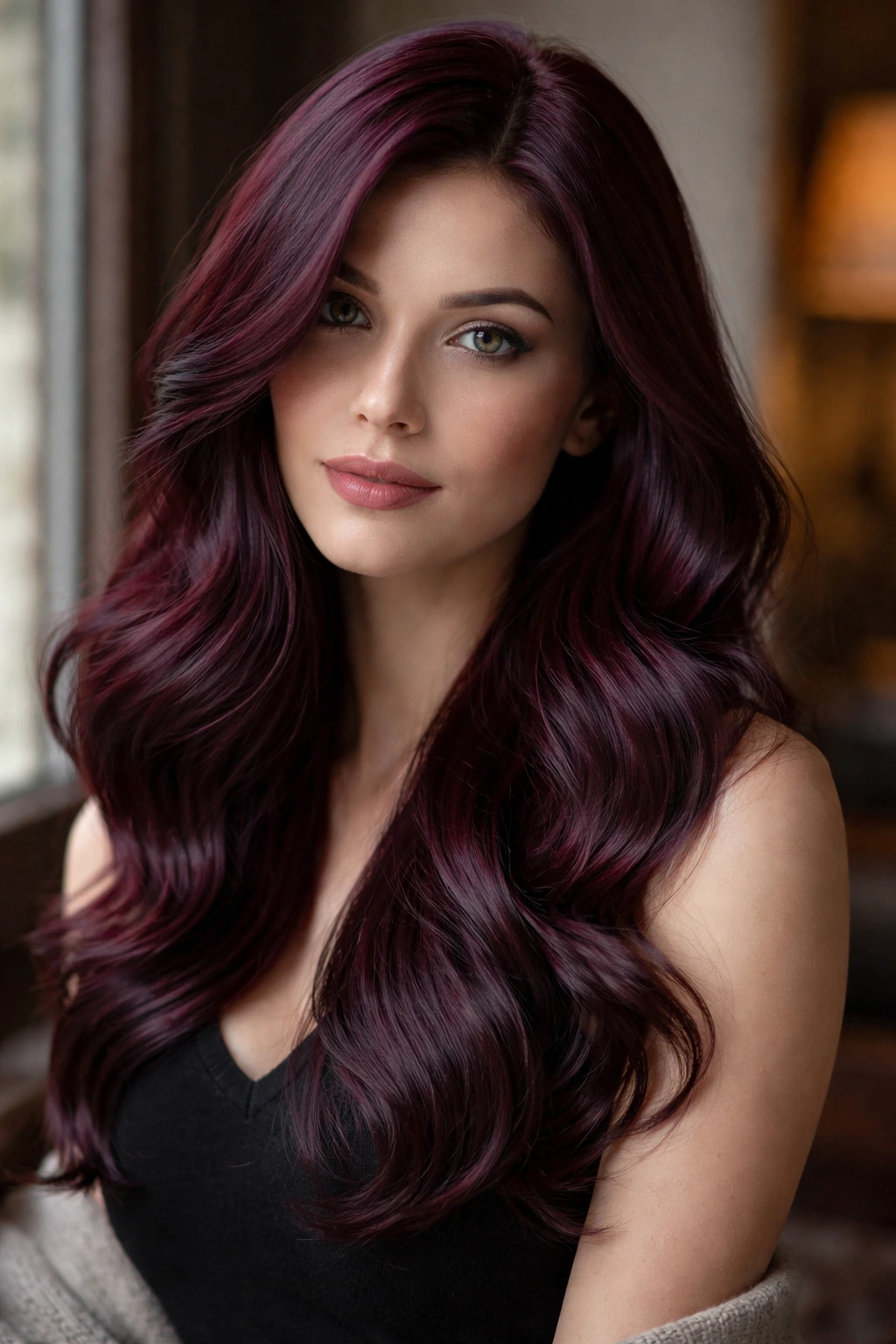
Burgundy is the shade that makes red hair look expensive in low light. It’s darker than cherry, calmer than ruby, and usually kinder to cool skin than anything orange-leaning. There’s a reason so many people come back to it. It doesn’t shout. It glows.
A good burgundy has a violet-brown base. That matters more than the name on the tube. If the formula skews too warm, it can turn bricky around the face, and that’s a fast way to make a cool complexion look tired.
I like burgundy best when the hair has some movement—soft waves, a blowout with a bend at the ends, even a blunt cut with glassy shine. Straight, flat burgundy can look nearly black indoors, then reveal that wine color near a window. That little shift is the whole point.
If your skin is very fair, ask for a brighter burgundy. If it’s medium or deep, a richer wine tone with a shadow root can look gorgeous. It’s one of the easiest reds to wear for months without feeling flashy.
3. Raspberry Balayage on a Dark Base
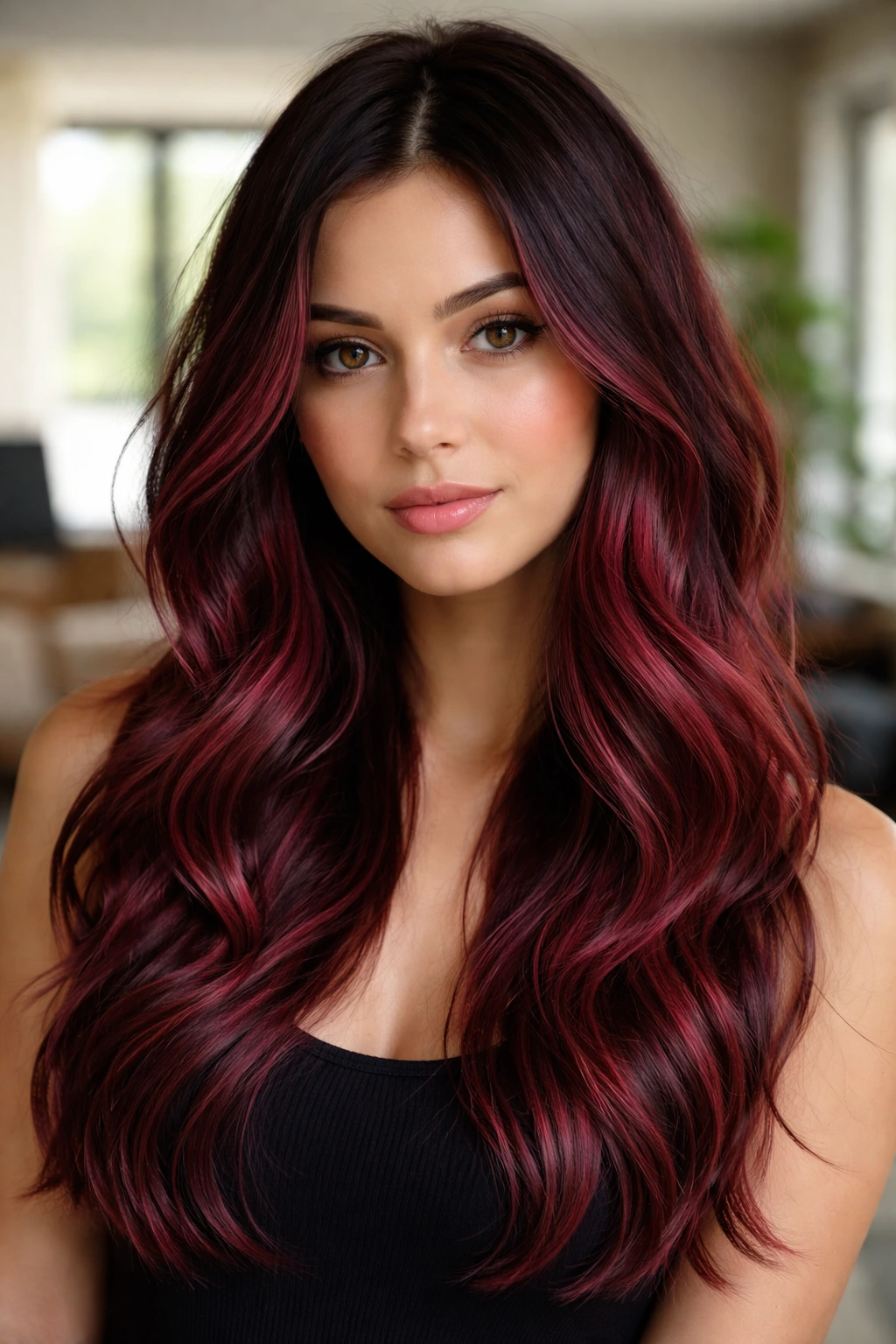
Picture espresso-brown hair with raspberry ribbons painted through the mids and ends. That’s the charm here. You keep the depth of brunette hair, then add a cool berry note that shows when the hair moves.
Balayage is the reason this idea works so well. Instead of full-coverage red, the color sits in pieces, which means the grow-out looks softer and the whole thing feels less severe. Ask for the lightest pieces to be lifted to around level 8 before the raspberry glaze goes on. If the hair is darker than that, the berry can disappear.
Best Way to Wear It
Loose waves show the contrast best. A flat iron can make it look more subdued, while curls make the berry streaks pop in a way that feels almost cinematic. It’s a smart choice if you want red, but not all-over red.
- Start the light pieces around the cheekbones.
- Keep the roots natural.
- Use a raspberry or cranberry glaze on the lifted sections.
- Refresh with a color-depositing mask if the berry fades too fast.
This one feels modern without being fussy.
4. Rose Copper with a Soft Pink Edge
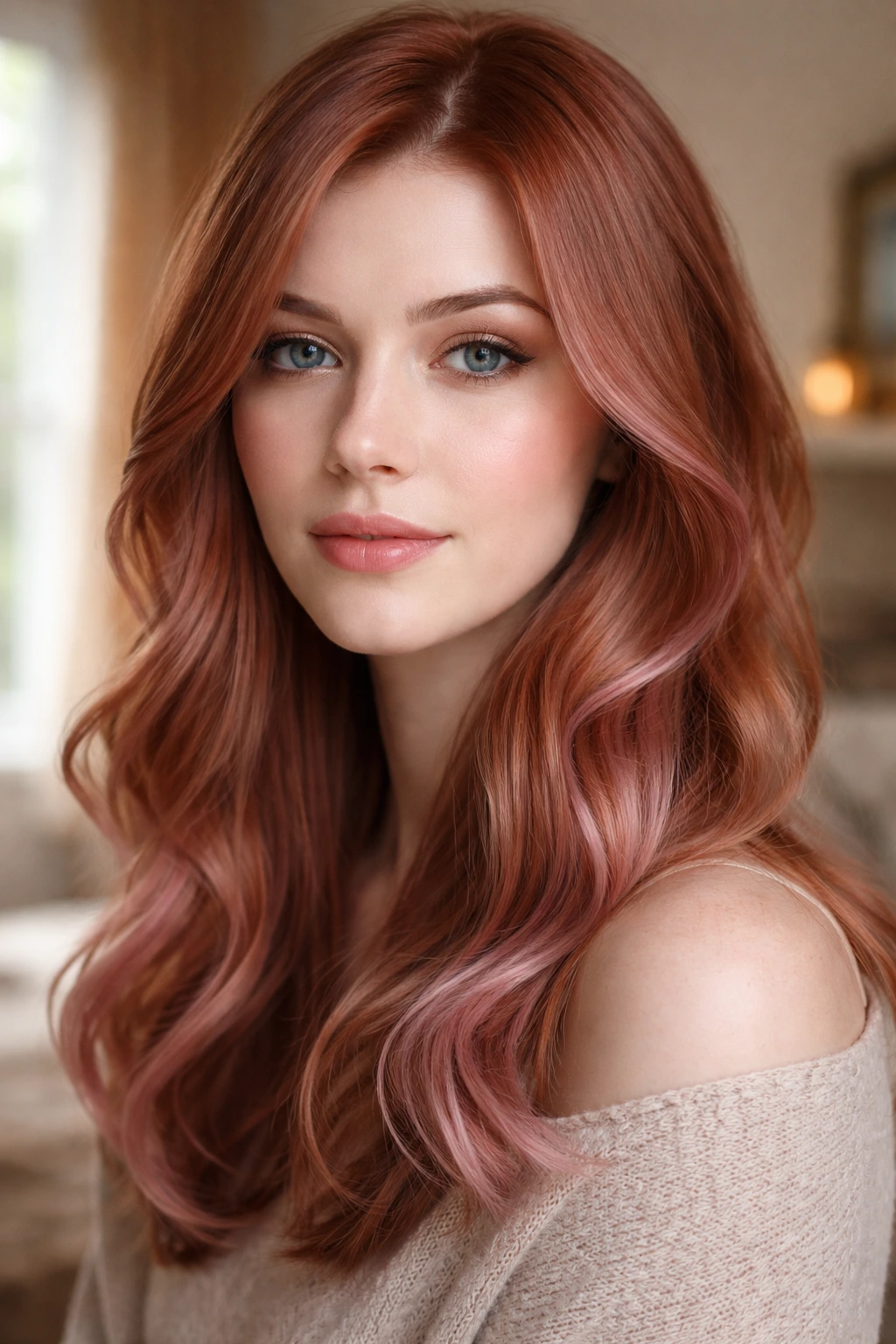
Copper gets a bad reputation with cool skin because people picture bright orange, and fair enough, that shade can be rough. Rose copper is different. It takes the warmth down and adds a pink cast that plays nicer with cool undertones.
The shade sits between copper and strawberry blonde, but with less orange and more blush. Ask for a pink-copper mix on a level 7 base, then keep the finish soft instead of glossy-bright. A slightly muted sheen helps the color look intentional rather than fiery.
This is a good door into copper if you love the idea of warmth but hate the look of pumpkin hair. It also works well on shorter cuts, where the color is read as a whole shape rather than as individual orange streaks.
One warning. Pure rose gold can wash out if the skin is very cool and very pale. In that case, ask for a little more red in the formula and a little less peach. That tiny adjustment changes everything.
5. Ruby Red with a Gloss Finish
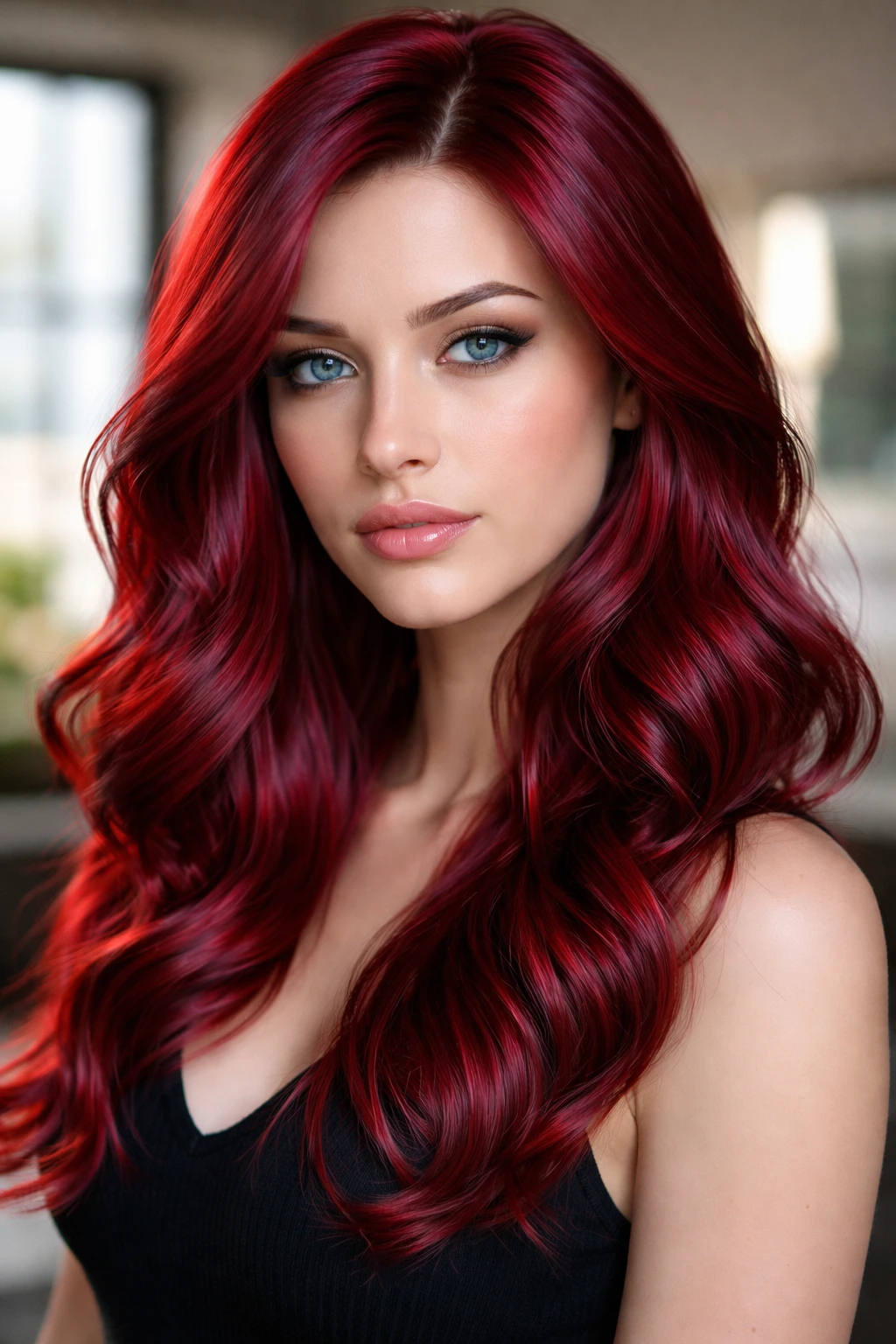
Ruby is the jewel-tone red that sits between cherry and burgundy. It has more punch than wine, but it still feels clean on cool skin because the red leans blue rather than orange. That blue note is what keeps the face looking fresh.
Why It Feels Balanced
Ruby works because it has enough depth to look rich and enough brightness to feel alive. It’s a good pick if you want a red that shows from across the room, but doesn’t flatten your features. Medium skin with pink or blue undertones often wears it especially well, though fair skin can pull it off too if the shade isn’t too dark.
A glossy finish matters here. Ruby with shine looks luxe; ruby that’s dulled by dry ends can go flat fast. A little serum on the ends after styling helps. Not a lot. A pea-sized amount is enough.
Try it with a deep side part or soft curls. The movement catches the red in a way that straight hair sometimes misses. Ask for a red-violet formula at level 5 or 6, then keep the tone polished with glosses, not harsh toners.
6. Cranberry Money Pieces Around the Face
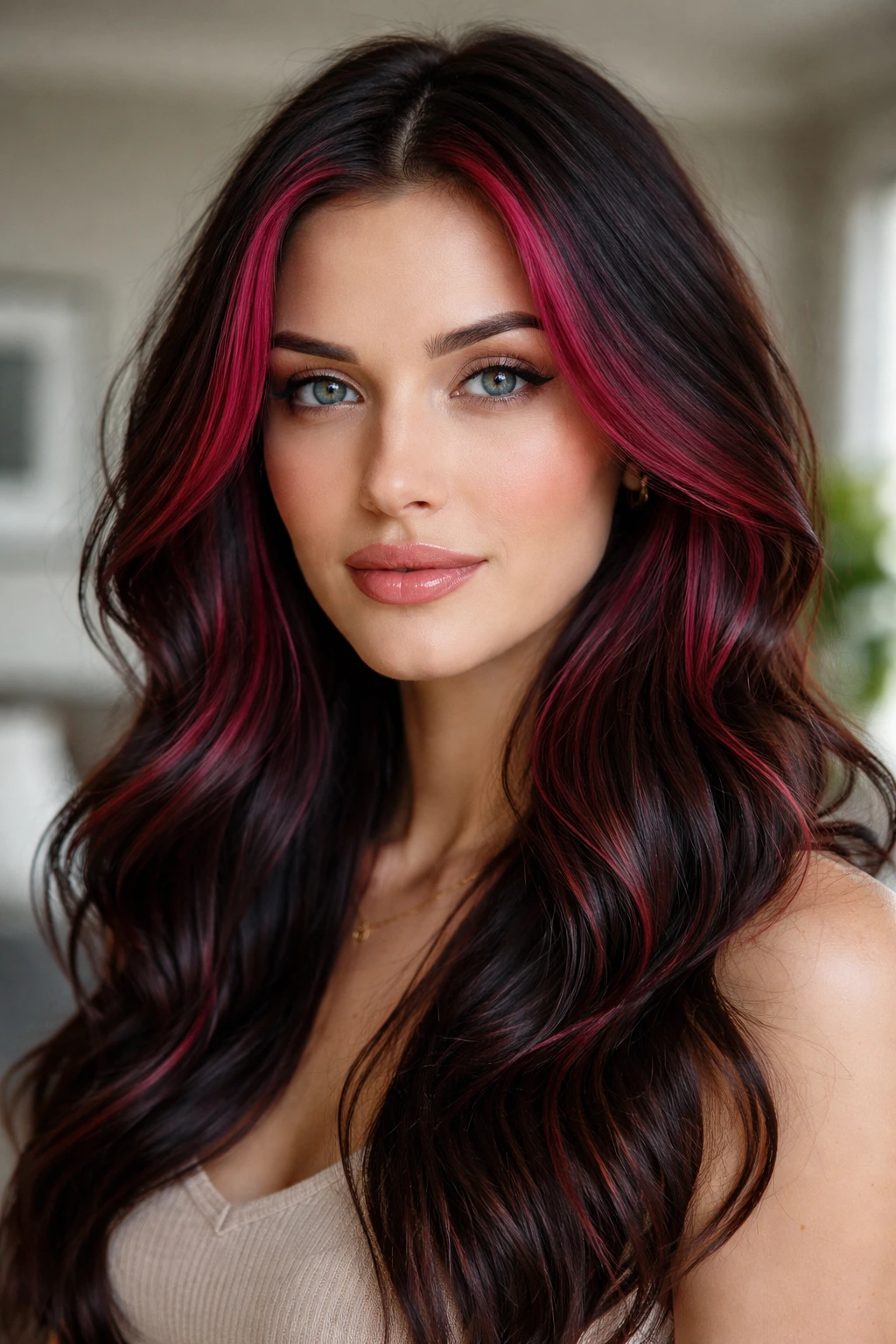
Want red that shows up near your face but won’t take over the whole head? Cranberry money pieces do that job well. They frame the face with a cool berry-red stripe, which can brighten cool skin without forcing you into full-time maintenance.
The shape matters as much as the color. Keep the panels around 1 to 2 inches wide near the temples and front hairline. On shoulder-length hair, that’s enough to change the whole mood. On long hair, the pieces can soften into the layers and still make an impact.
Cranberry is especially nice if your base color is dark brown or black. The contrast looks deliberate, and the berry note keeps the result from feeling harsh. If the rest of your hair stays natural, root regrowth is easier to live with.
This is a smart choice for bangs, too. Curtain bangs with cranberry edges can make the eyes look sharper and the complexion look brighter. Small area. Big effect.
7. Cherry Cola Brunette for Darker Depth
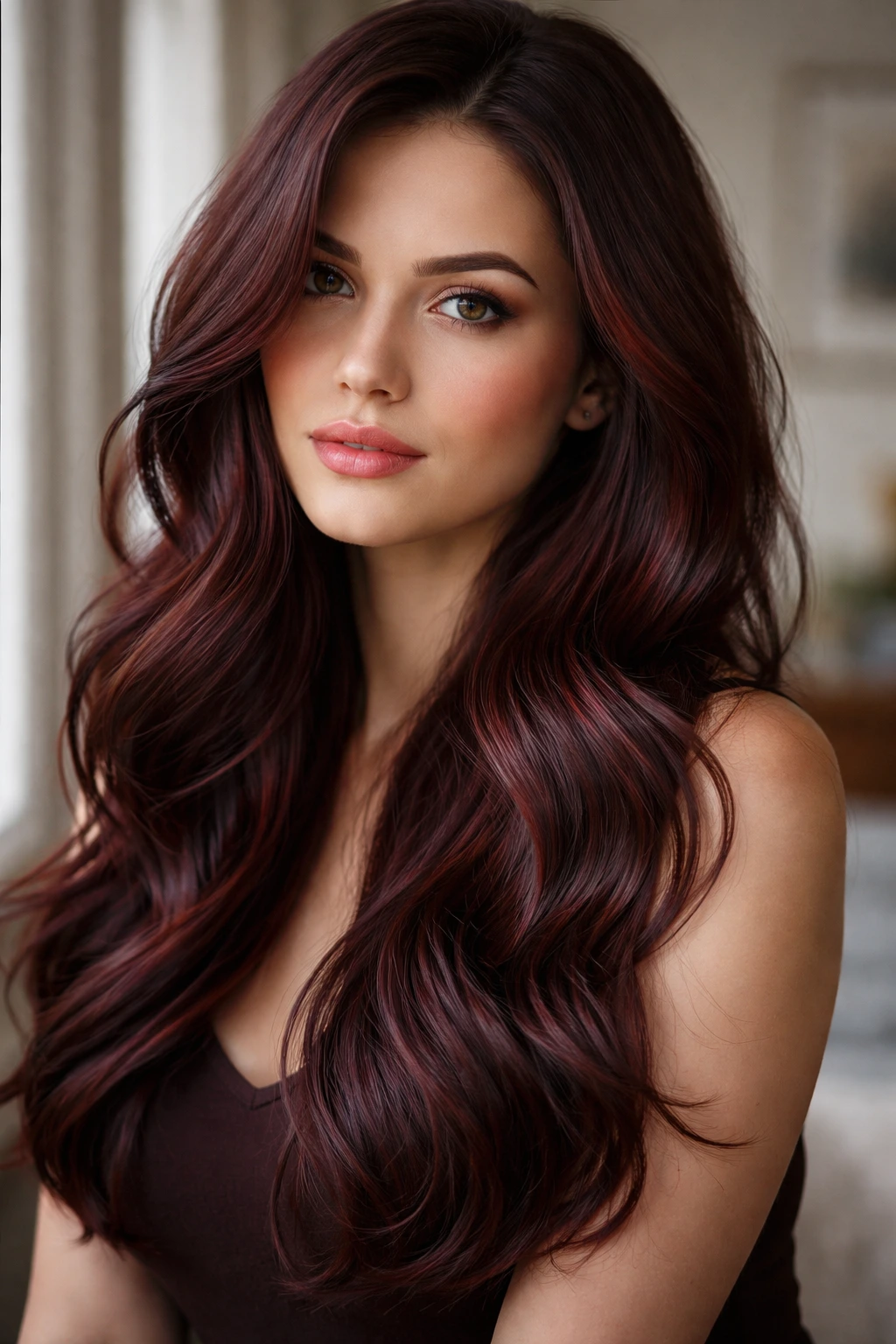
This is the shade I reach for when someone wants red but refuses to become a full redhead. Cherry cola brunette keeps the base dark and adds a red sheen that shows when the light hits it. Indoors, it can look like a deep espresso brown. Step into daylight and the cherry edge appears.
It works because the red lives inside the brown instead of sitting on top of it. That makes it easier on cool skin than a warm auburn glaze, which can go rusty fast. Ask your colorist for a deep brunette base with a cherry overlay or a red-violet gloss over dark brown hair.
It’s a good fit for people who like polished hair, not high drama. Blunt cuts, long layers, and soft waves all play nicely here. The color also fades in a civilized way. It usually softens into chocolate instead of going orange.
Where It Fits Best
- Office-friendly but not boring.
- Good for people who wash their hair often.
- Useful if you want red without bleaching the whole head.
- Strong choice for cool undertones that still want dimension.
Cherry cola is red for people who want a whisper, not a shout.
8. Mahogany Melt Through Long Layers
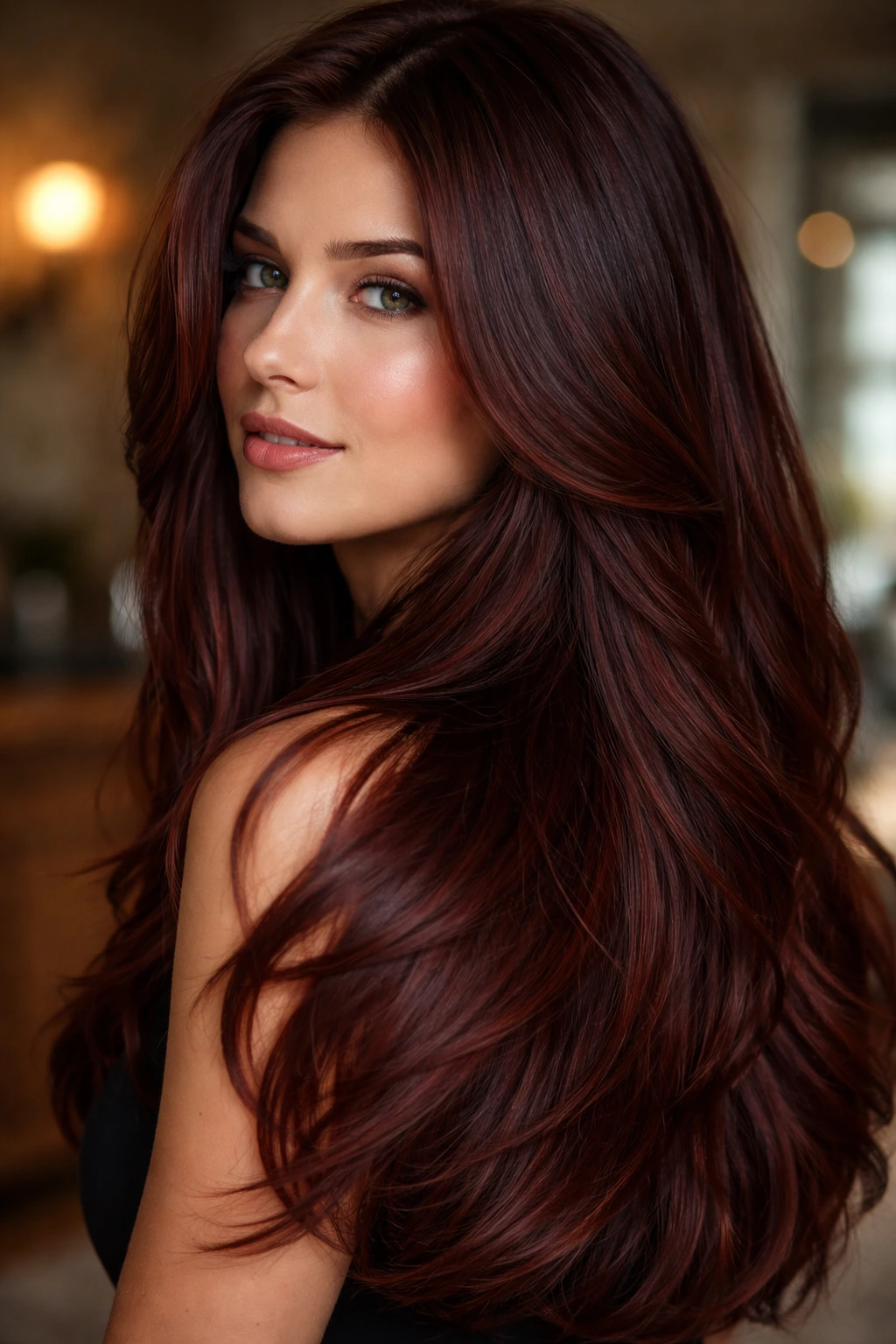
Mahogany is one of the easiest reds to wear if you like depth. It’s brown first, red second, and that balance keeps cool skin from clashing with the shade. A full mahogany melt can move from deep chocolate at the roots into richer red-brown through the mids and ends.
That gradual change matters. It keeps the color from looking like a block. It also makes long layers look fuller, because each layer catches a slightly different tone. On thick hair, mahogany can look almost velvet-like. On fine hair, it adds a bit of weight visually without making the hair look heavy.
Ask for a root shadow and a mahogany glaze through the lengths. If you want more red, the ends can carry a little extra warmth—but keep it on the wine side, not the copper side. That keeps the whole result cooler and more wearable.
This one is quietly good. Not flashy. Not dull either.
9. Plum-Red Underlights for a Hidden Pop
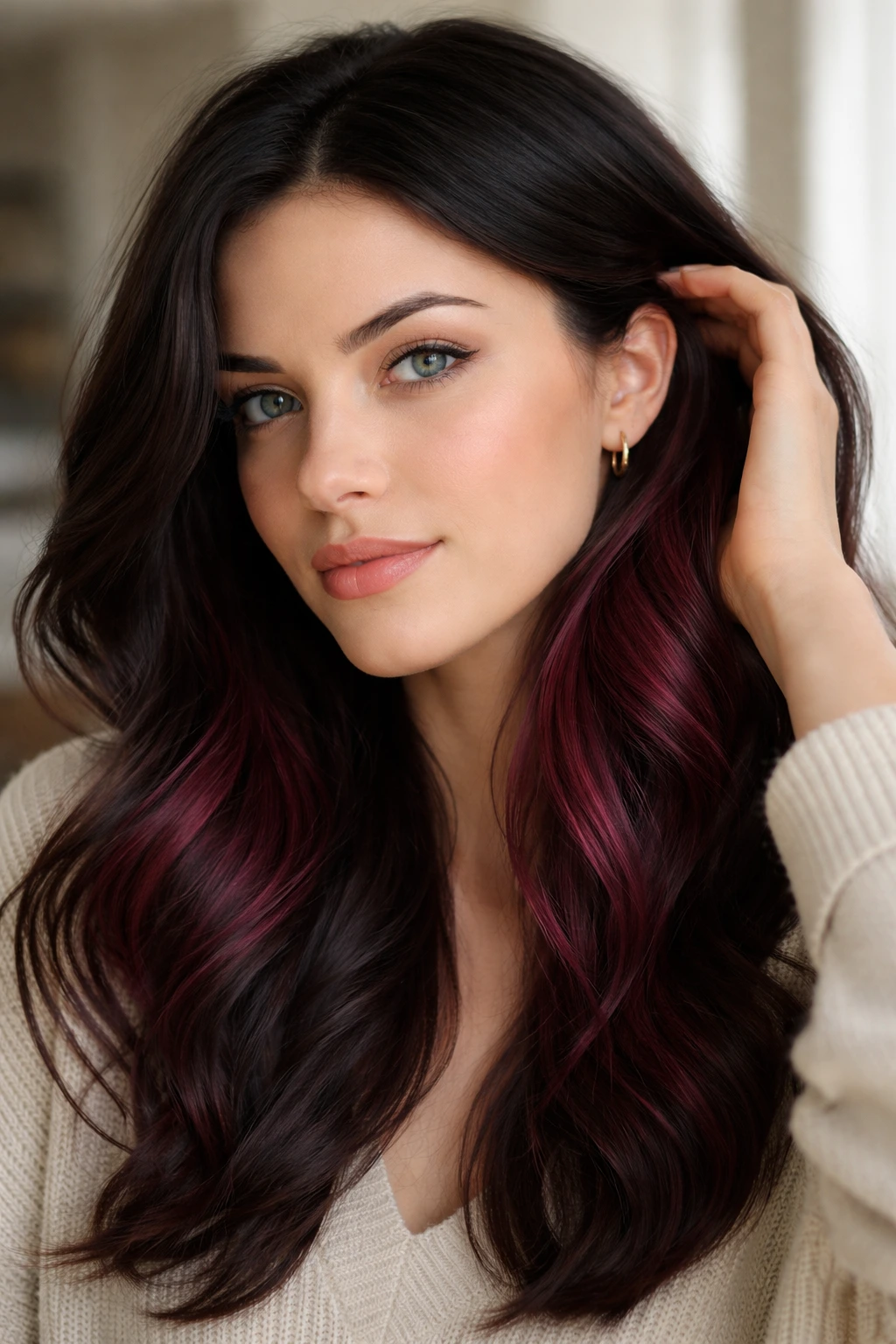
Hidden color is a neat trick when you want red without committing to a full reveal. Plum-red underlights sit underneath the top layers, so they peek through when the hair moves, gets tucked behind the ears, or gets pulled up. On cool skin, the violet in plum makes the red feel soft rather than hot.
The Science Behind the Look
Dark outer layers keep the overall look grounded. The brighter underlayers create the surprise. That contrast is why this style works so well on medium and long hair, especially if you wear your hair up half the time.
- Pre-lighten the hidden sections to about level 8 if the goal is a bright plum flash.
- Keep the top layer close to your natural shade.
- Show the color with braids, buns, or clipped-up styles.
- Use a color-safe mask every 1 to 2 weeks if the underlights are heavily processed.
This is a fun way to test how you feel about red. You can keep it low-key until you decide you want more.
10. Black Cherry for Short Cuts
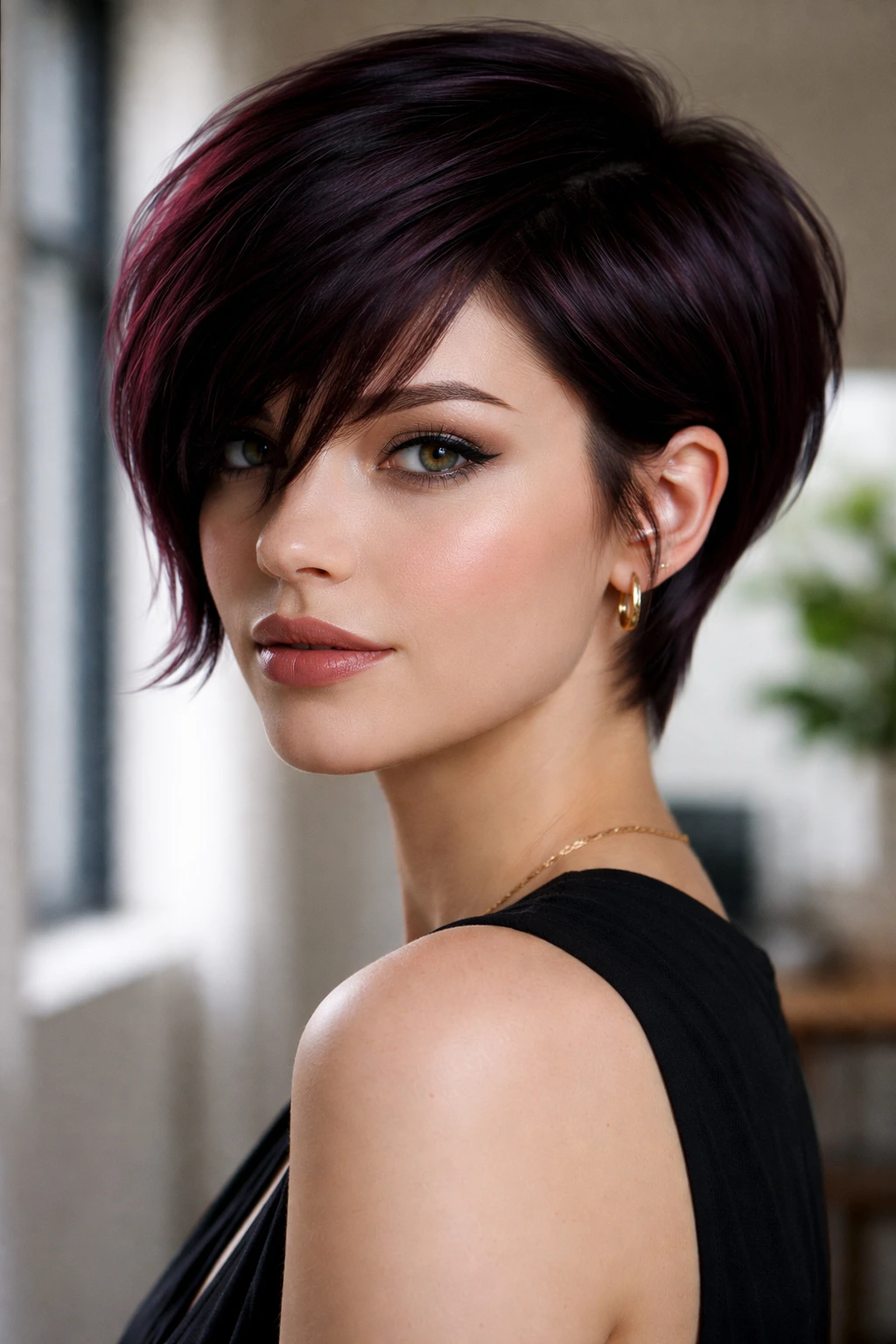
Short hair can carry darker red better than people think. A pixie or bob with black cherry color has a sharp, clean edge that works beautifully on cool skin. The shade reads almost black at a glance, then flashes red-violet when the light shifts. That tiny shift is the whole appeal.
It’s especially nice if you like strong makeup or crisp clothes. Think silver earrings, a red lip that leans blue, or a dark sweater with a high collar. The color does not need much help. The cut does some of the work for it.
A black cherry finish also tends to look fuller on short hair, because the deeper tone creates the illusion of density. If your hair is fine, that can be a real bonus. Use a lightweight shine cream or a tiny drop of serum on the ends. Too much product will make the color look muddy.
Short hair and dark red are a very good match. People forget that.
11. Garnet Shadow Root with Soft Ends
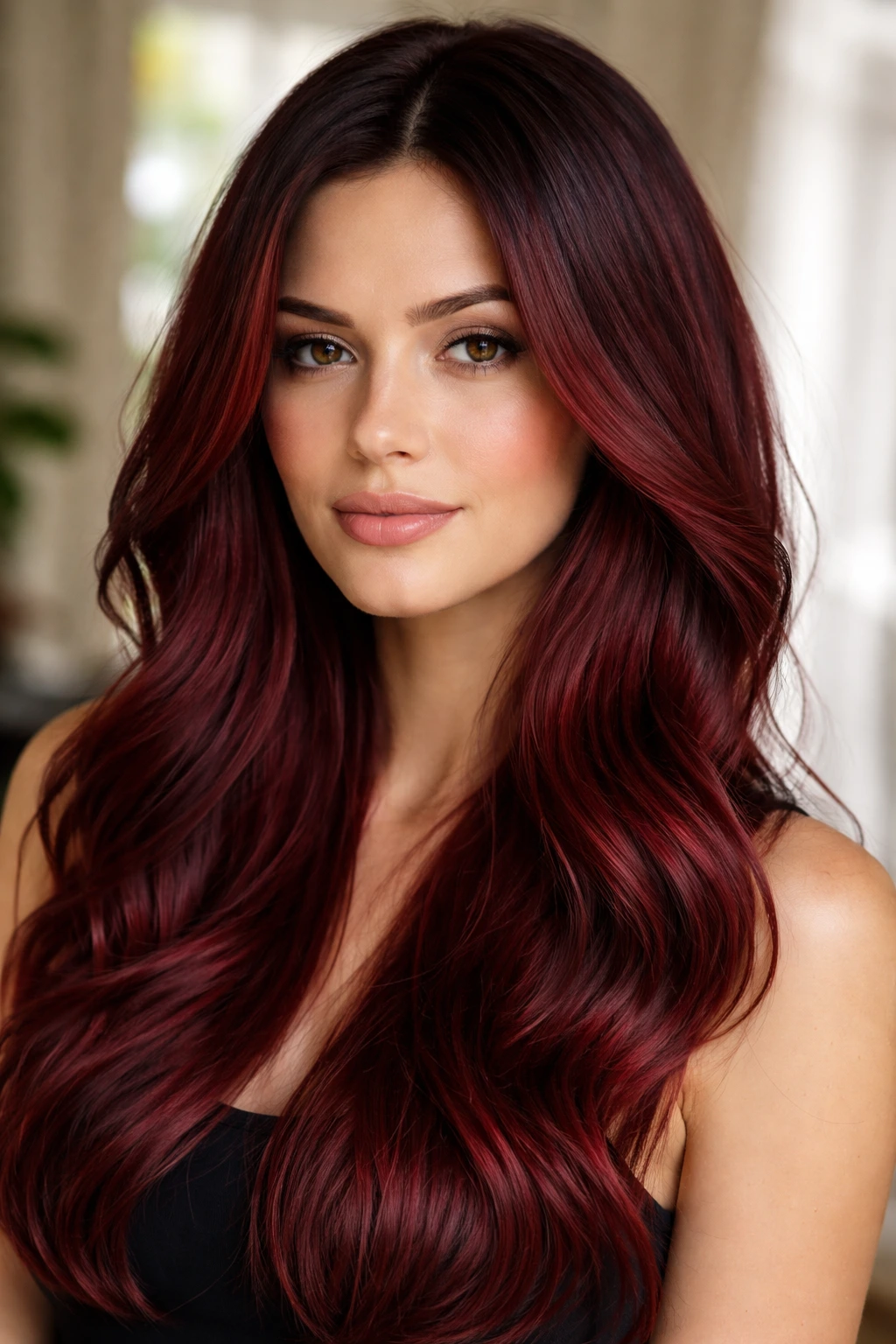
Garnet red has the look of a polished stone rather than a bright dye job. Deep, rich, and a little mysterious. On cool skin, that gemstone quality matters because it keeps the red from reading too warm or too orange.
A shadow root makes it even easier to wear. The roots stay darker—often around level 4—while the mids and ends carry the garnet tone. That softens the line of regrowth and gives the color some depth. No hard stripe. No wig-like effect.
What Makes It Stand Out
The finish should feel glossy and almost wet-looking. Garnet shines when the light catches it in bands, especially on layered cuts. If the ends are too light, the color can lose its seriousness and start to look more pink than red.
This is a good one for people who want red hair that feels grown-up, not loud. It’s also easier to maintain than brighter shades because the darker root gives you a little breathing room.
A garnet shadow root looks best when the ends stay soft and the shine stays high.
12. Dusty Rose Red for a Muted Finish
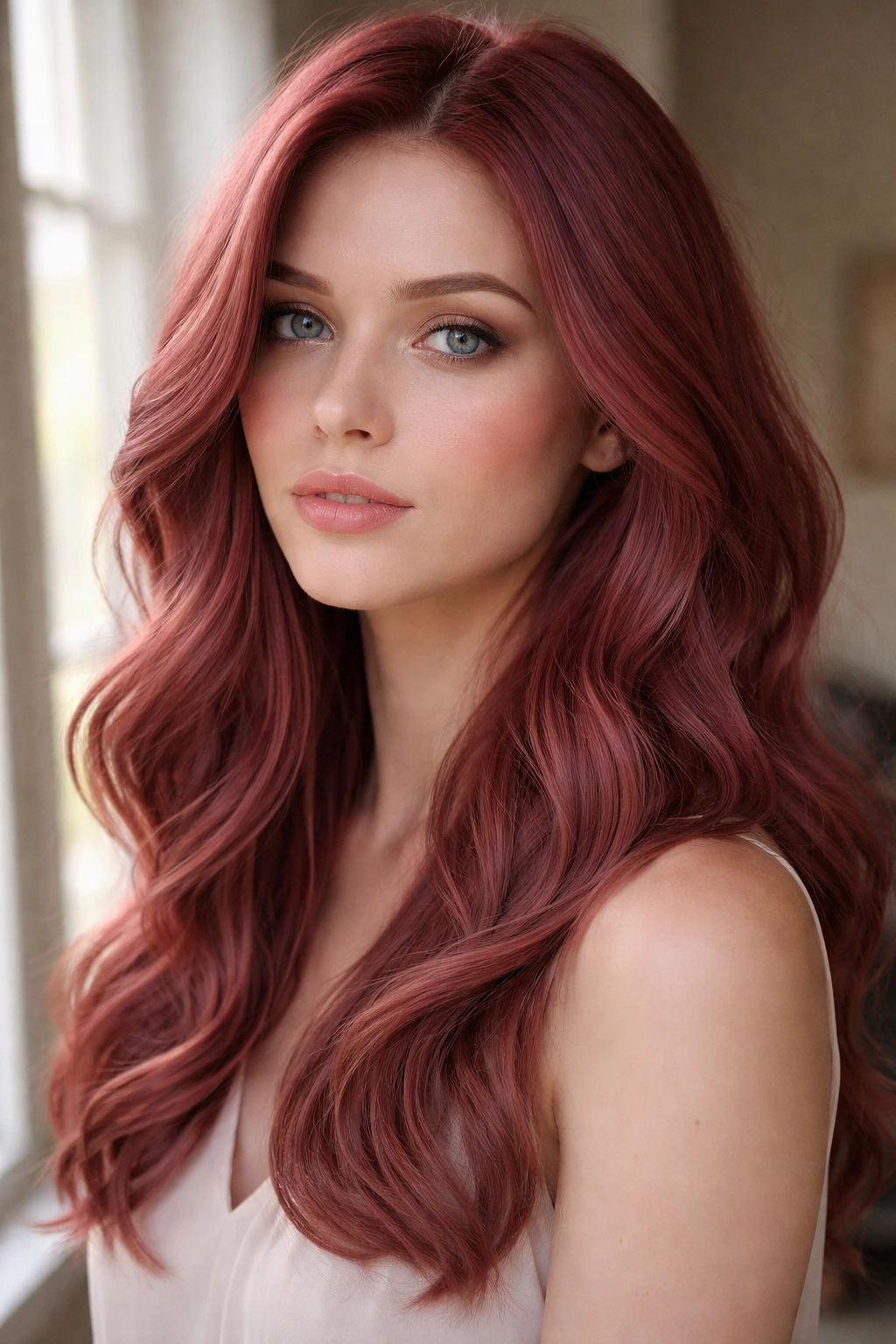
Can red be soft? Absolutely. Dusty rose red proves it. This shade sits somewhere between rose pink and muted berry, and it’s one of the easiest reds for very cool, fair skin because it doesn’t bring a lot of yellow or orange into the picture.
It’s not a loud color. Good. That’s the point. Dusty rose red looks almost like a tinted wash, which makes it feel modern without being trendy in a way that will age badly. Ask for a muted red-pink glaze over a lifted base, usually around level 8 or 9, if you want the color to read clearly.
Who It Suits
- People with pale cool skin and soft features.
- Fine hair that needs a little visual texture.
- Anyone who likes pink lipstick and cool blush.
- Short cuts and sleek bobs, where the color reads cleanly.
The one drawback is fading. A dusty finish can shift peachy if you use harsh shampoo or go too long between glosses. So keep the washing gentle and the water lukewarm.
13. Violet Burgundy on a Lob
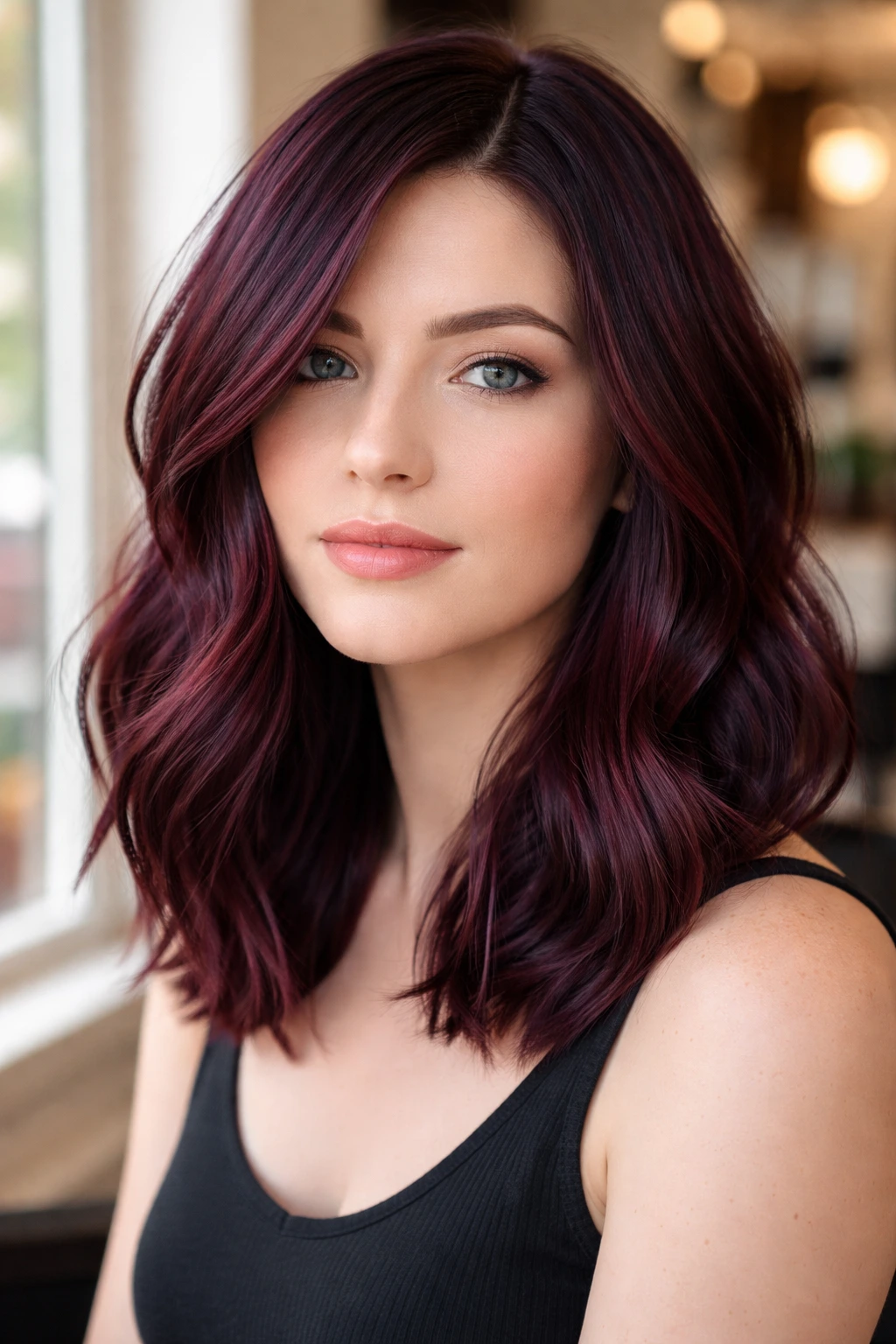
Unlike plain burgundy, violet burgundy shifts between plum and red as the light changes. That’s what makes it so easy to like on cool skin. The violet keeps the shade from feeling muddy, while the red keeps it from going too blue.
A lob is a smart haircut for this color because the length gives you enough surface area for the tone to move. Straight, the shade looks sleek and almost dark. With loose bends, the violet note wakes up. That little change is fun. It keeps the hair from feeling one-note.
How to Wear It
A 1-inch curling iron or wand, wrapped loosely, is usually enough. You do not want tight curls here. The goal is a bend that lets the color catch the light at different angles. If you like polished blowouts, even better.
This is a strong choice if you want a red that reads rich instead of bright. It’s one of the more forgiving shades on cool skin, too, because it has enough depth to flatter a lot of different undertones. Ask for a red-violet base with soft brown shadowing at the root.
14. Merlot Red for Curls and Waves
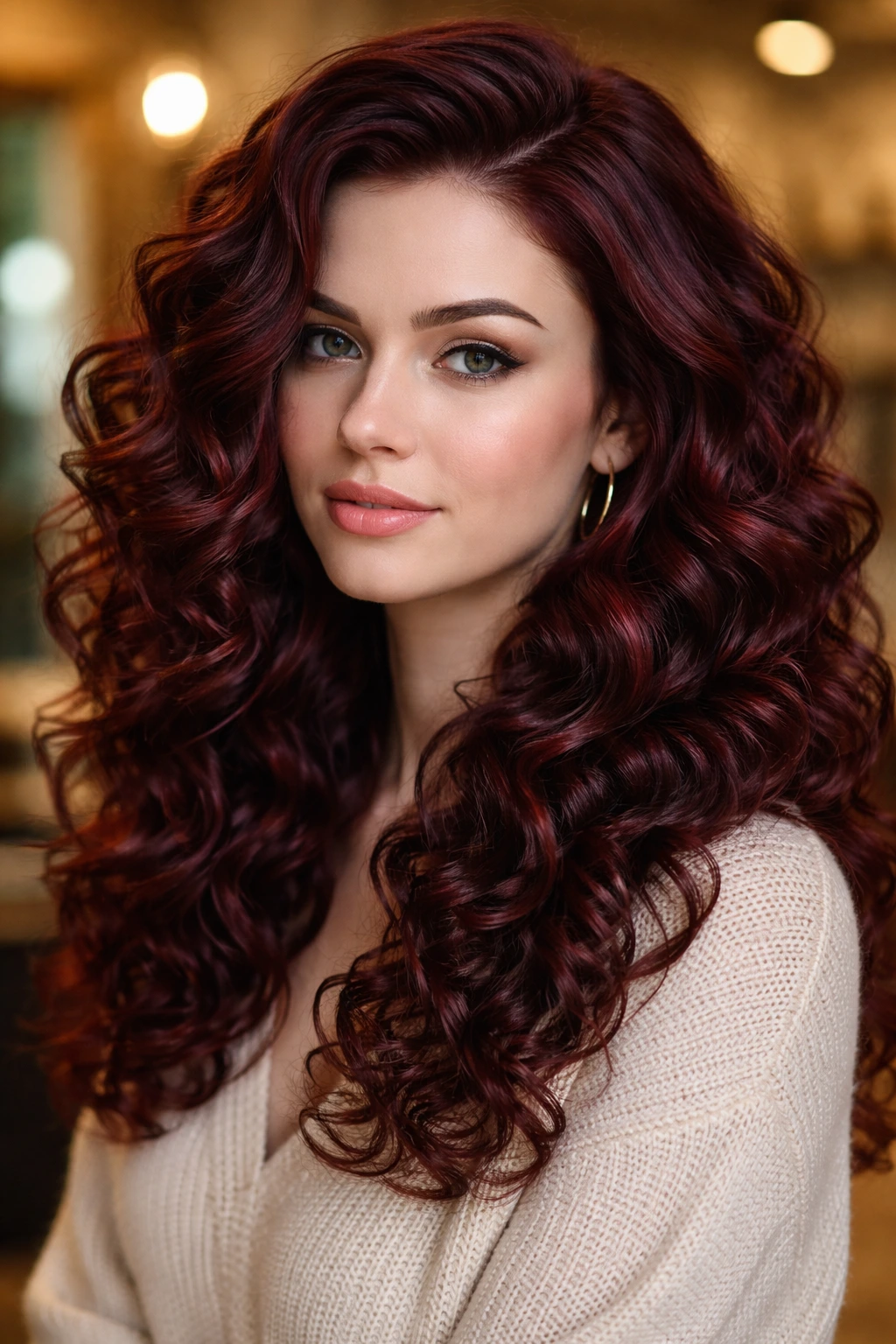
Merlot red has a deeper wine feel than cherry or ruby. On curls and waves, that depth matters because the texture creates its own shadows. A flat color would get lost. Merlot doesn’t. It settles into the bends of the hair and gives each curve more shape.
That makes it a nice pick for cool skin that wants something rich without looking severe. The wine note keeps the red from getting sugary or orange. If your skin has a pink cast, merlot can make it look even fresher, especially when the hair is worn away from the face.
A curl cream or leave-in conditioner helps here. The color looks better when the texture is defined, not frizzy. Dry curls can make any red look rougher than it really is.
Merlot is also one of the better choices if you like lipstick in berry, plum, or deep rose. It doesn’t fight those colors. It leans in.
15. Sangria Dip-Dye on the Ends
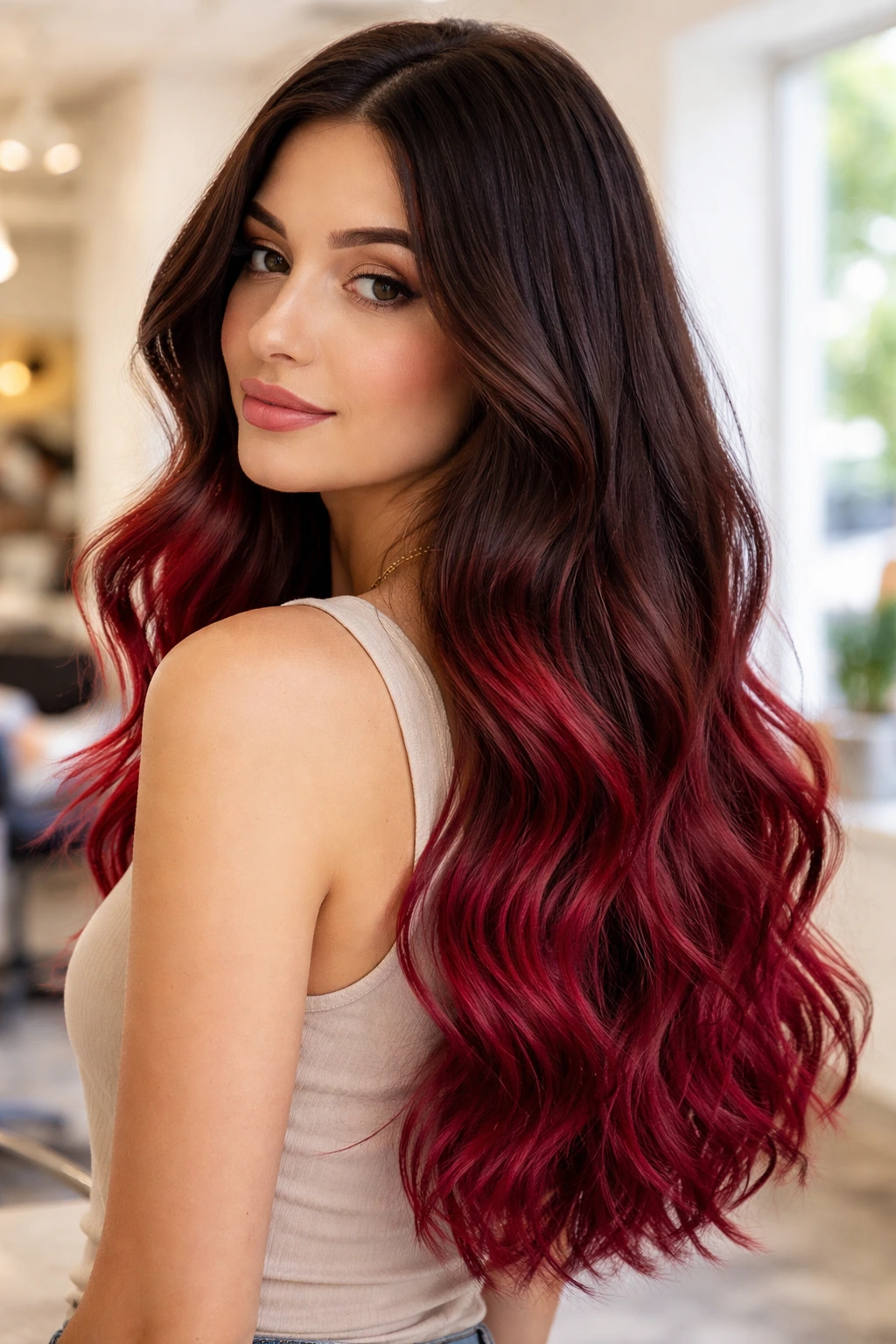
This is a bolder move, and that’s the point. Sangria dip-dye keeps the roots dark and saturates the last few inches of the hair with a berry-red wash. It’s a good option if you want red but don’t want the upkeep of a full-head color.
The shape should feel deliberate. Keep the dip-dye starting somewhere around the lower third of the hair, not halfway up unless you want a very strong contrast. On cool skin, sangria works because it stays in the red-purple family. There’s little to no orange hanging around.
Best Uses for It
- Layered hair, where the color can break up naturally.
- Long straight hair, if you like a strong visual line.
- Braids, which make the red ends look even more vivid.
- Dark roots that you want to leave untouched.
This is one of those shades that can look edgy or soft depending on how you style it. Loose waves make it dreamy. A sleek ponytail makes it sharper. Either way, the grow-out is friendly.
16. Cool Auburn with a Brown Base
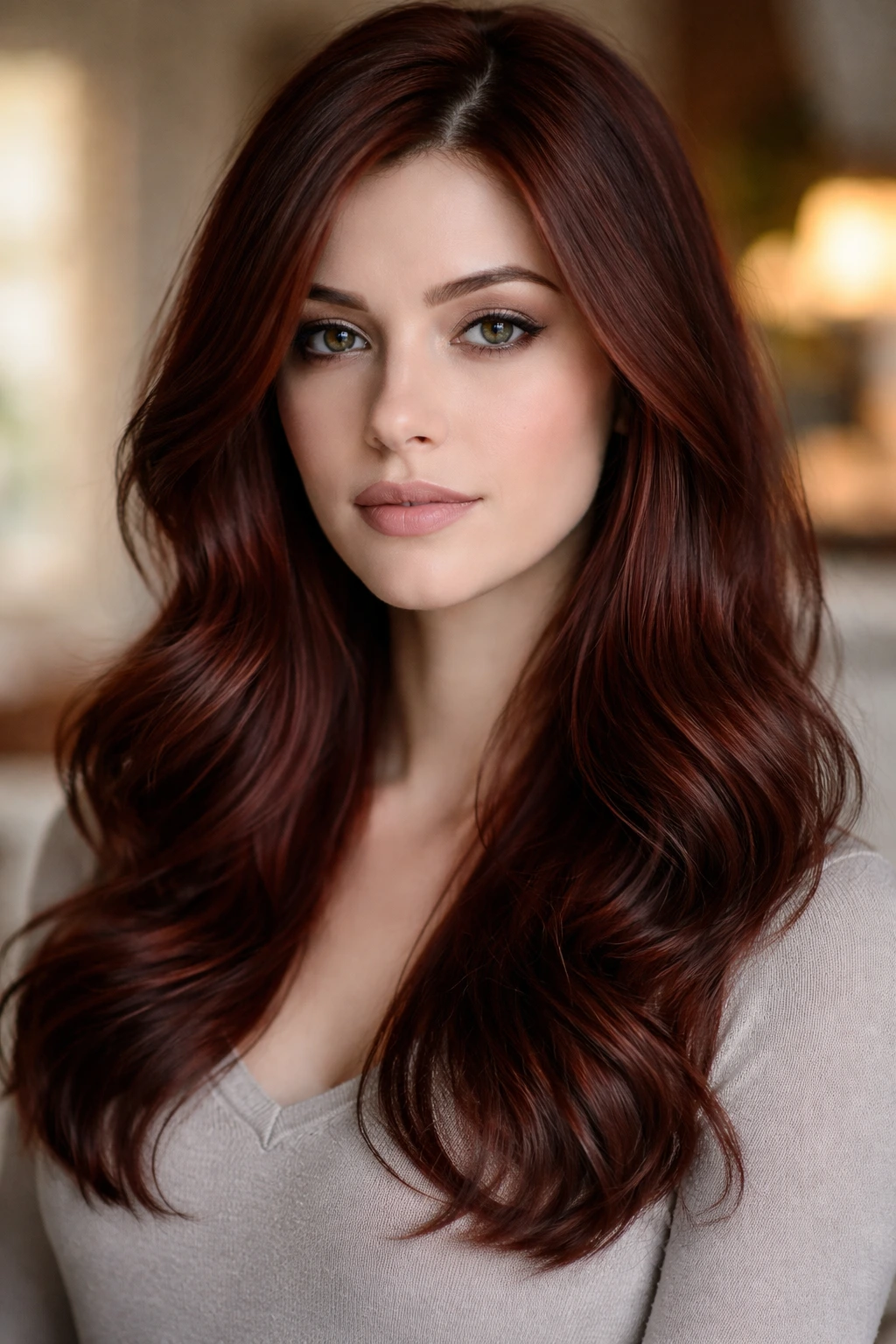
Auburn gets tricky for cool skin, and I’m not going to pretend otherwise. The warm, pumpkin version can look off fast. Cool auburn is the fix. Brown comes first, red second, and the red should lean violet or neutral rather than gold.
The Version to Ask For
Tell your colorist you want an auburn that stays on the brown-red side, not the orange-red side. A level 5 or 6 brown base with a red-violet glaze is usually the right neighborhood. If the formula includes too much copper, the shade can drift warm once it hits natural light.
A cool auburn works well on brunettes who want change without a huge jump. It gives the hair warmth and softness, but it still respects cool undertones. That balance is hard to pull off, and when it lands, it looks very natural.
Shorter layers, collarbone cuts, and soft bangs all suit this color. It’s a good “I want something different, but not dramatic” option. And yes, that is a real category.
17. Smoky Copper Pixie with Ashy Dimension
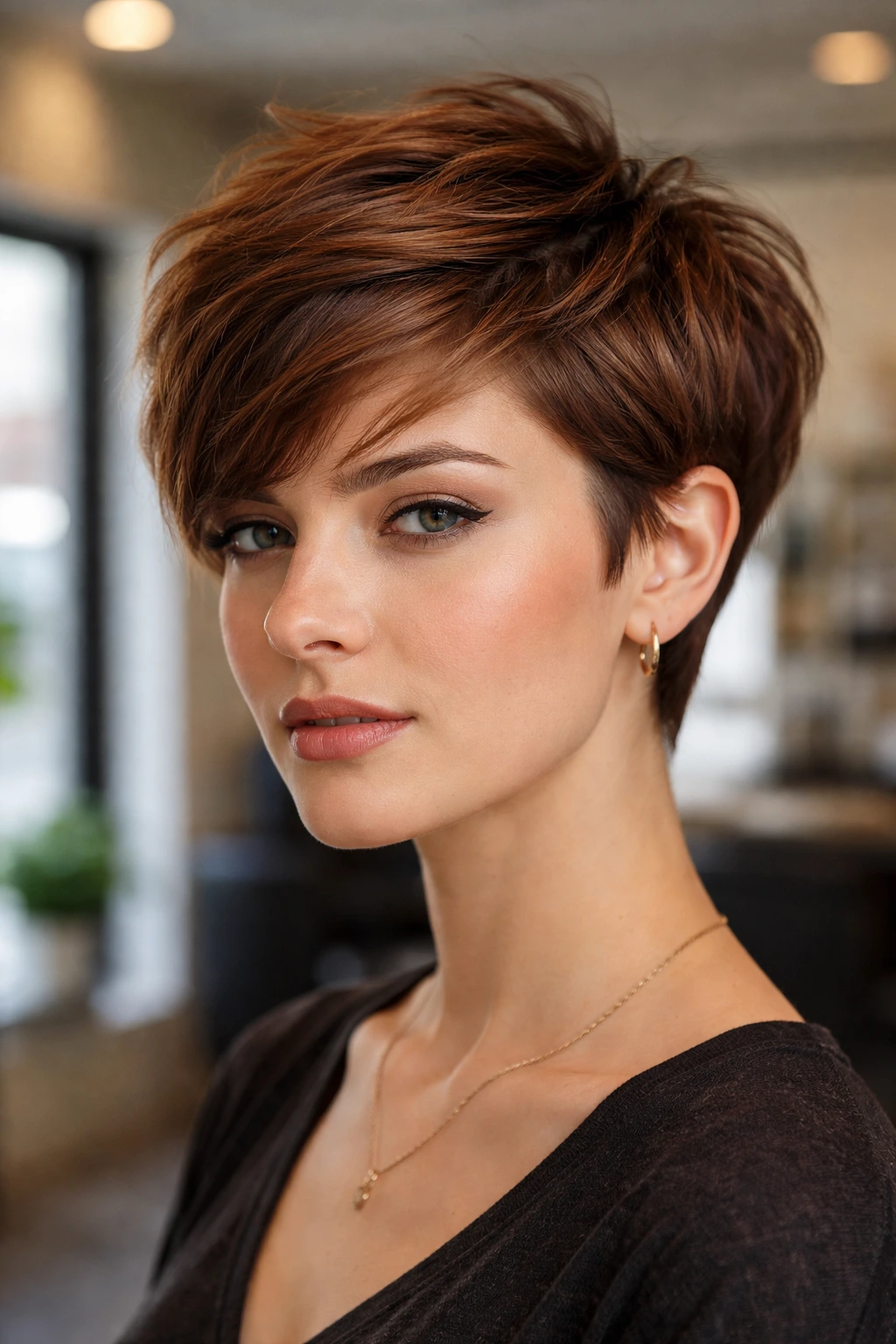
Copper on cool skin is not a lost cause. It just needs a smoky hand. A pixie cut makes that easier because the hair is short, the color is concentrated, and the result can be controlled without a ton of brightness. The ashier the base, the safer the copper.
I like this on people who want a little fire but not a full warm-toned takeover. Ask for copper softened with beige or light brown, then keep the roots a touch deeper so the whole thing does not float away into orange. A matte paste or a light cream can help the cut look textured instead of shiny-hot.
- Keep the copper muted, not neon.
- Use a deeper root for contrast.
- Style with a small amount of paste.
- Refresh with gloss when the orange starts to show.
This one has personality. It just needs a careful formula.
18. Raspberry Peekaboo Panels Under the Top Layer
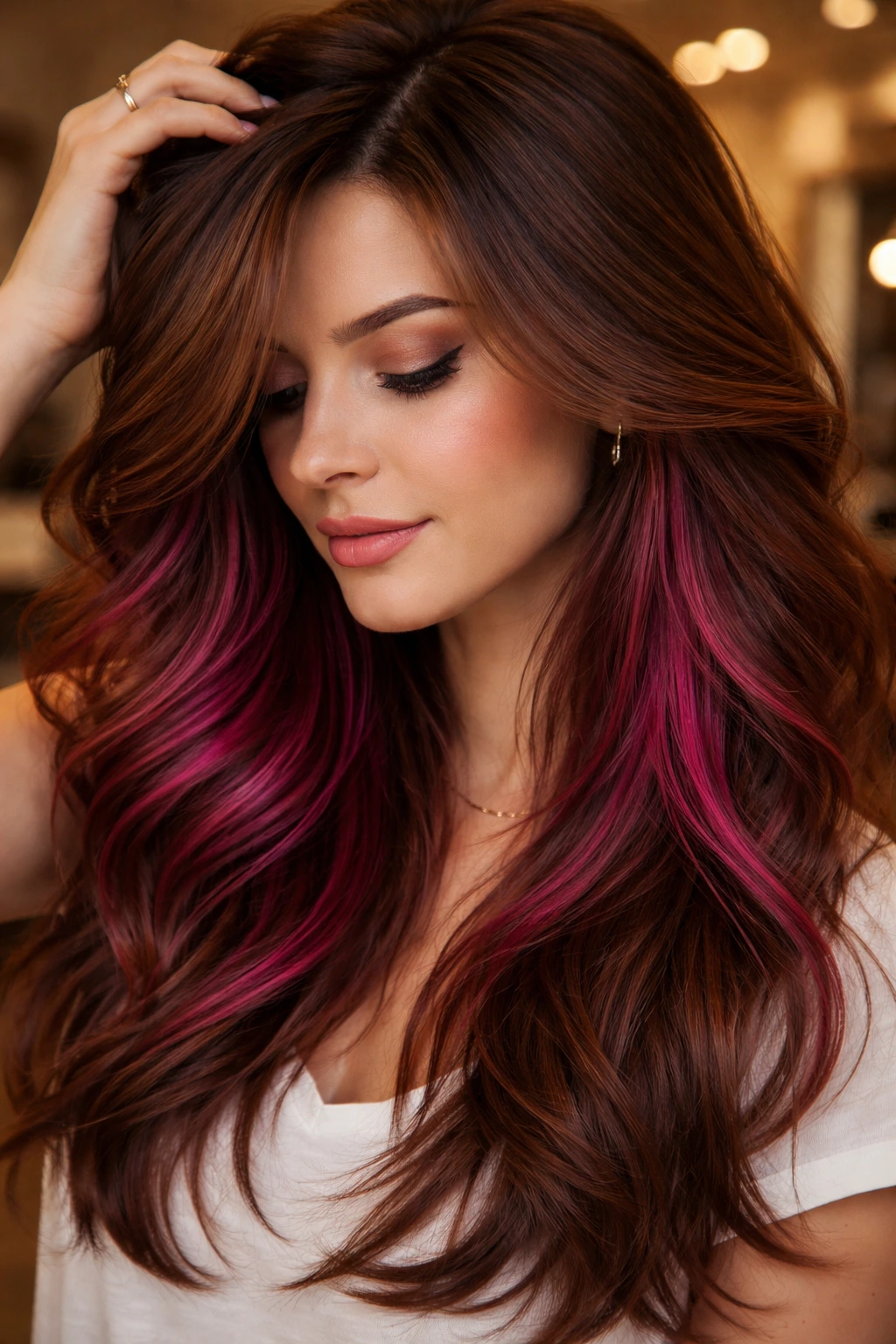
Peekaboo color is one of the easiest ways to wear red without feeling stuck with it everywhere. Raspberry panels under the top layer flash through when the hair moves, and on cool skin the berry note looks fresh instead of loud. It’s playful. Also practical.
The placement is what makes it work. Keep the red hidden under the crown and around the lower sides, then let the top layer stay natural or close to it. The color shows when you curl the hair, tuck it behind the ears, or throw it into a clip. That means you get impact without constant attention.
This is a strong choice for people who work in stricter settings or just like having a secret. It also suits layered cuts better than one-length styles, because layers let the color peek through in more places.
If you want red that feels personal instead of obvious, this is a good place to land.
19. Midnight Ruby for Dark, Dramatic Hair
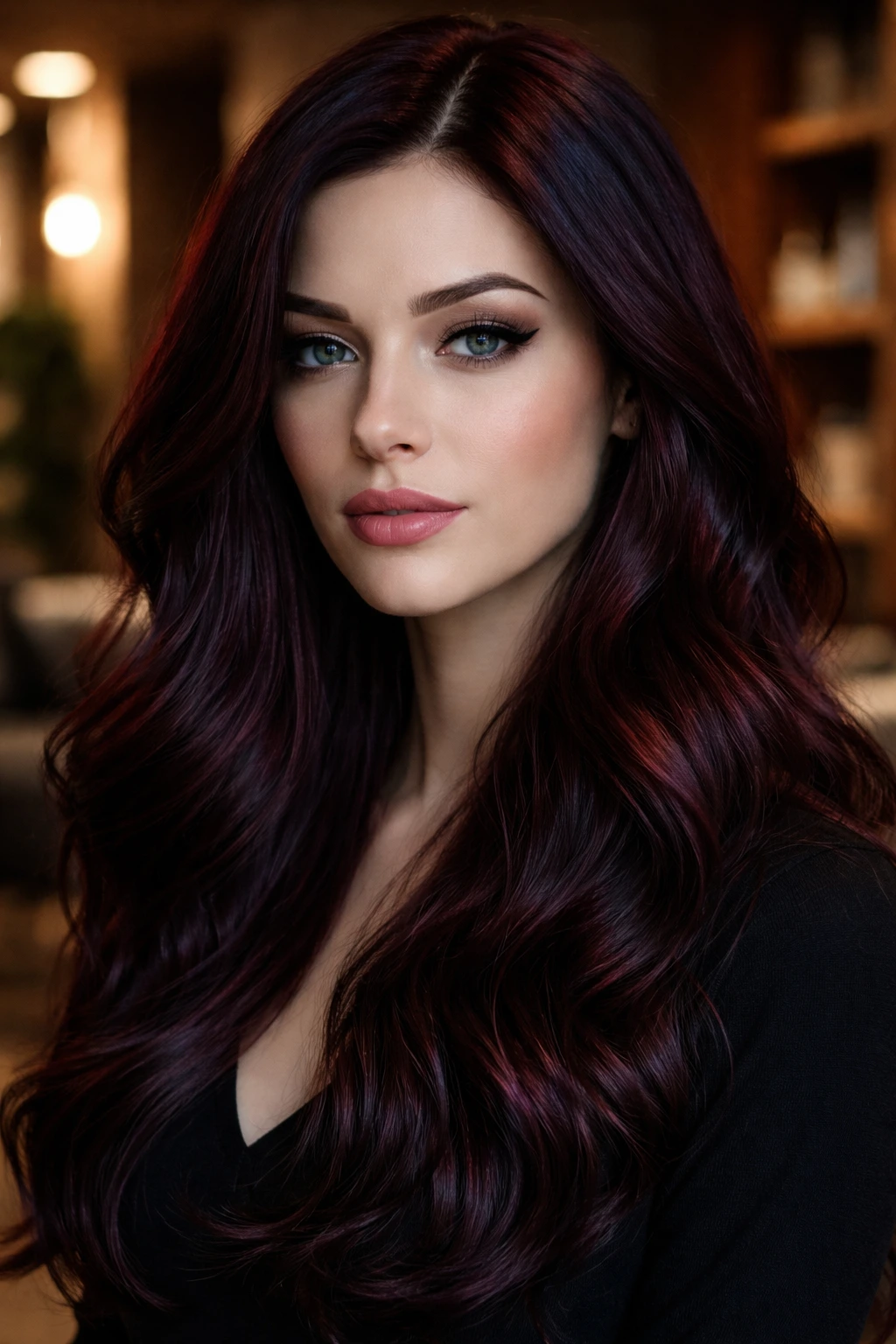
What if you want red that reads almost black until the light moves? Midnight ruby does exactly that. It’s deep, moody, and very friendly to cool skin because the red stays blue-based. No copper glow. No rusty cast. Just a dark red that wakes up under the right light.
Why It Works
The darkness gives it weight, and the ruby note keeps it from looking flat. On long hair, it can feel dramatic in a quiet way. On a blunt cut, it feels almost architectural. That contrast is part of the appeal.
- Ask for a level 3 or 4 base with a ruby-red glaze.
- Keep the shine high with a serum or gloss spray.
- Use cooler makeup tones so the face doesn’t compete with the hair.
- Choose a precise cut; sloppy ends make the color lose its edge.
Midnight ruby is one of my favorites for deep cool skin tones because it doesn’t try to do too much. It just sits there looking expensive.
20. Soft Claret with Face-Framing Lights
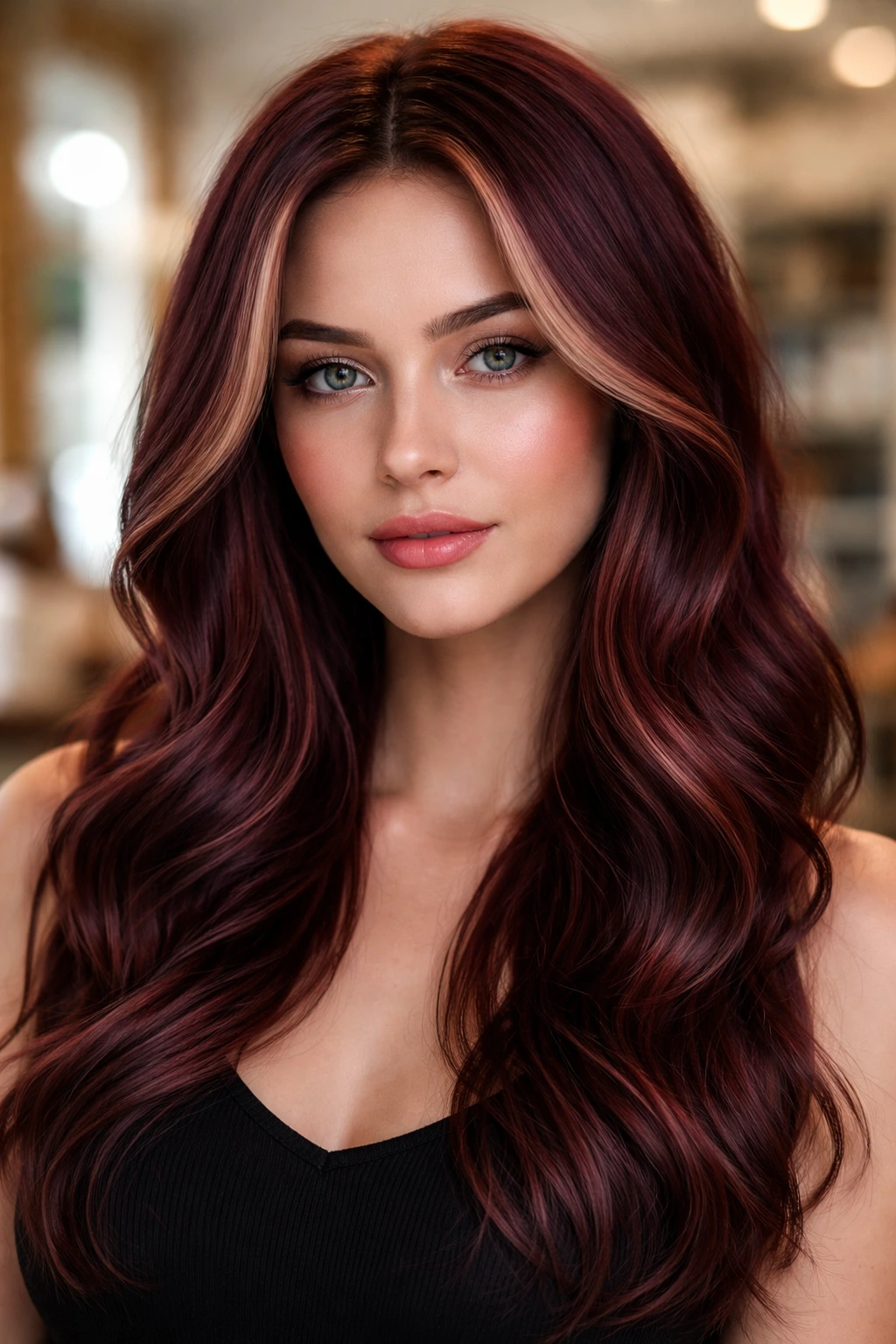
Soft claret is the red I’d hand to someone who wants the safest flattering option without drifting into boring territory. It sits between berry, wine, and muted red, which means it can flatter a lot of cool complexions without asking the skin to work too hard. The color stays elegant when the formula stays cool.
Face-framing lights make it even better. A few thin ribbons around the front can brighten the complexion and keep the claret from looking too dense near the face. I’d keep those lights narrow—no chunky streaks—and place them where the hair naturally falls forward. That way the color feels built-in, not pasted on.
This shade works on straight hair, curls, bobs, long layers, and just about anything else that needs a little polish. It’s also one of the easier reds to live with because the depth disguises fading better than bright cherry or raspberry does.
If you want one red that can move from everyday to dressed up without a lot of fuss, this is the one I’d start with. Cool skin, soft claret, a few clean face-framing pieces. Simple. Strong. Reliable.
