



Most men don’t need a dramatic haircut. They need a haircut that works with the hair they actually have. A sharp fade on straight hair can look crisp in ten minutes; on thick curls, it can turn into a triangle by lunchtime. The hairstyles for men that keep showing up in barbershops are usually the ones that respect growth patterns, cowlicks, and how much time you want to spend with a comb in your hand.
That’s the part people skip. They bring in a photo, ask for the shape, and ignore the fine print: how the neckline grows out, where the sides puff out, whether the top lies flat or stands up the second humidity shows up. Good haircuts solve those problems. Bad ones create new ones.
A smart cut also changes the way you dress. A tidy side part makes a plain T-shirt look sharper. A fuller, longer style can soften a square jaw or calm down a heavy brow. There’s a reason some cuts seem to fit almost anyone while others only work in a perfect mirror selfie.
The trick is knowing which lane you’re in. So let’s go style by style, with the practical details that matter in real life.
1. Buzz Cut
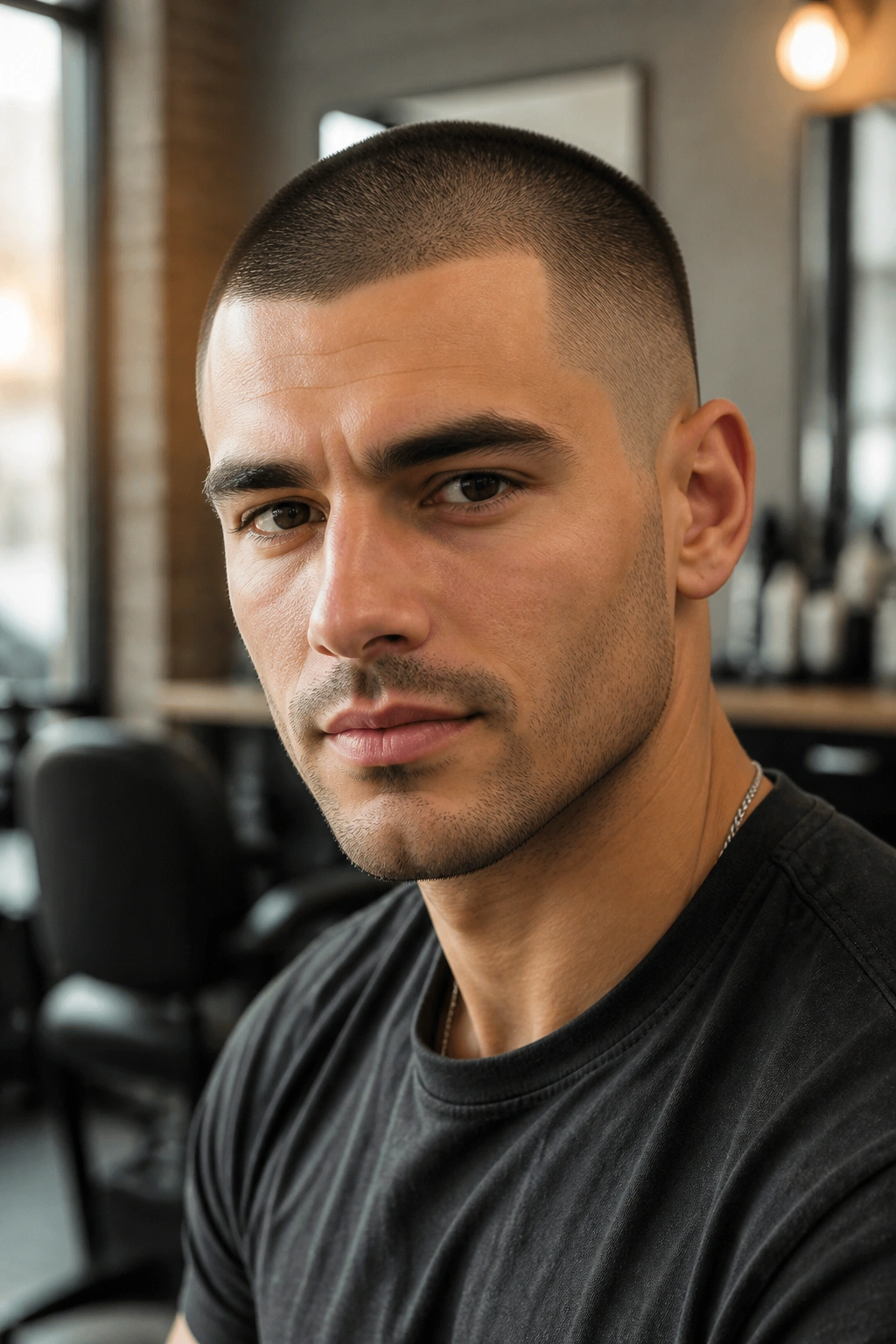
The buzz cut is the blunt instrument of men’s grooming, and I mean that in a good way. It strips away the guesswork. No blow-dryer, no round brush, no thirty-minute mirror routine. If your hair grows fast, if you hate fuss, or if your scalp starts itching the second you use too much product, this cut earns its keep.
A clean buzz works especially well when the head shape is even and the hairline is decent, but it can still look good on a lot of men because it puts the face front and center. You notice the jaw, the eyes, the brow. That’s the whole point.
What to ask for
Ask for a #1, #2, or #3 guard all over if you want a classic uniform cut. If you want a little shape, keep the top at a #3 and taper the sides down toward the ears and neckline. A skin fade can make the cut look sharper, but it also draws more attention to the scalp, so that’s worth thinking about if you’re thinning.
Best for: thick hair, straight hair, men who want zero styling time.
Watch for: patchy scalp, odd head shape, or a harsh hairline if the guard is taken too high.
Styling note: a tiny bit of matte scalp cream or lightweight moisturizer is enough. Too much product makes it look greasy fast.
Short version: the buzz cut is never flashy. That’s why it works.
2. Crew Cut
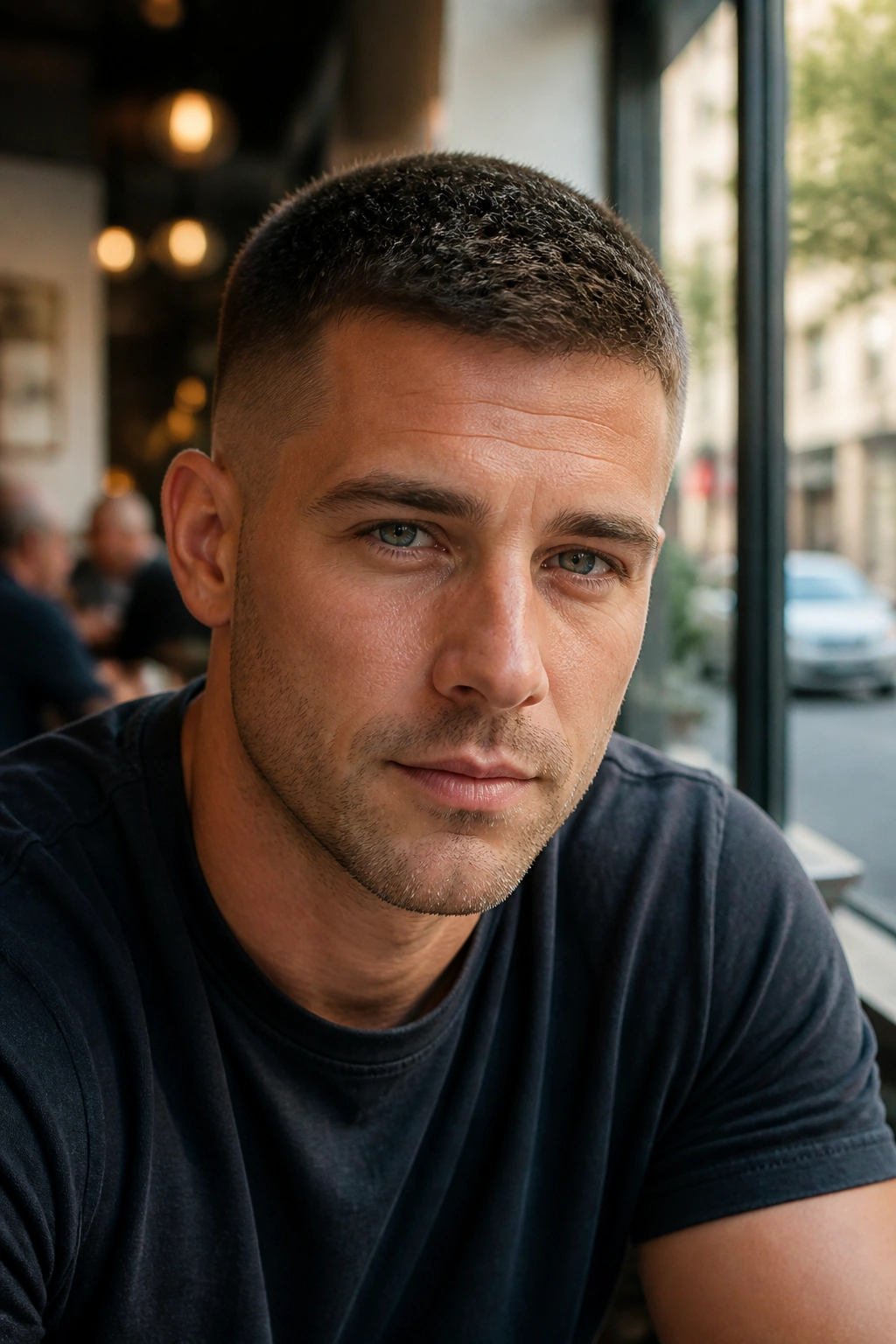
The crew cut sits in a sweet spot between neat and relaxed. It’s short enough to stay tidy, but not so short that it feels severe. If the buzz cut is bare bones, the crew cut has a little structure.
What makes it useful is the shape: the top stays a bit longer, usually tapered toward the front, while the sides are trimmed down tighter. That slight length difference gives you room to brush it forward, angle it up, or leave it natural. It also grows out more gracefully than a full buzz, which matters if you don’t get to the barber every two weeks.
Where it shines
A crew cut is a solid answer for men with straight or slightly wavy hair, and it’s especially friendly to guys who want a professional look without looking stiff. It works on oval and square faces because the top adds just enough height without building a giant roof on your head.
How to keep it sharp
- Keep the top around 1 to 2 inches.
- Ask for the sides to be clipped shorter, then blended cleanly into the top.
- Use a pea-sized amount of matte paste if the front needs a little lift.
- Get the neckline cleaned up before it starts to puff out.
If you want a haircut that looks intentional even after a rough night’s sleep, this one makes a lot of sense.
3. Textured Crop
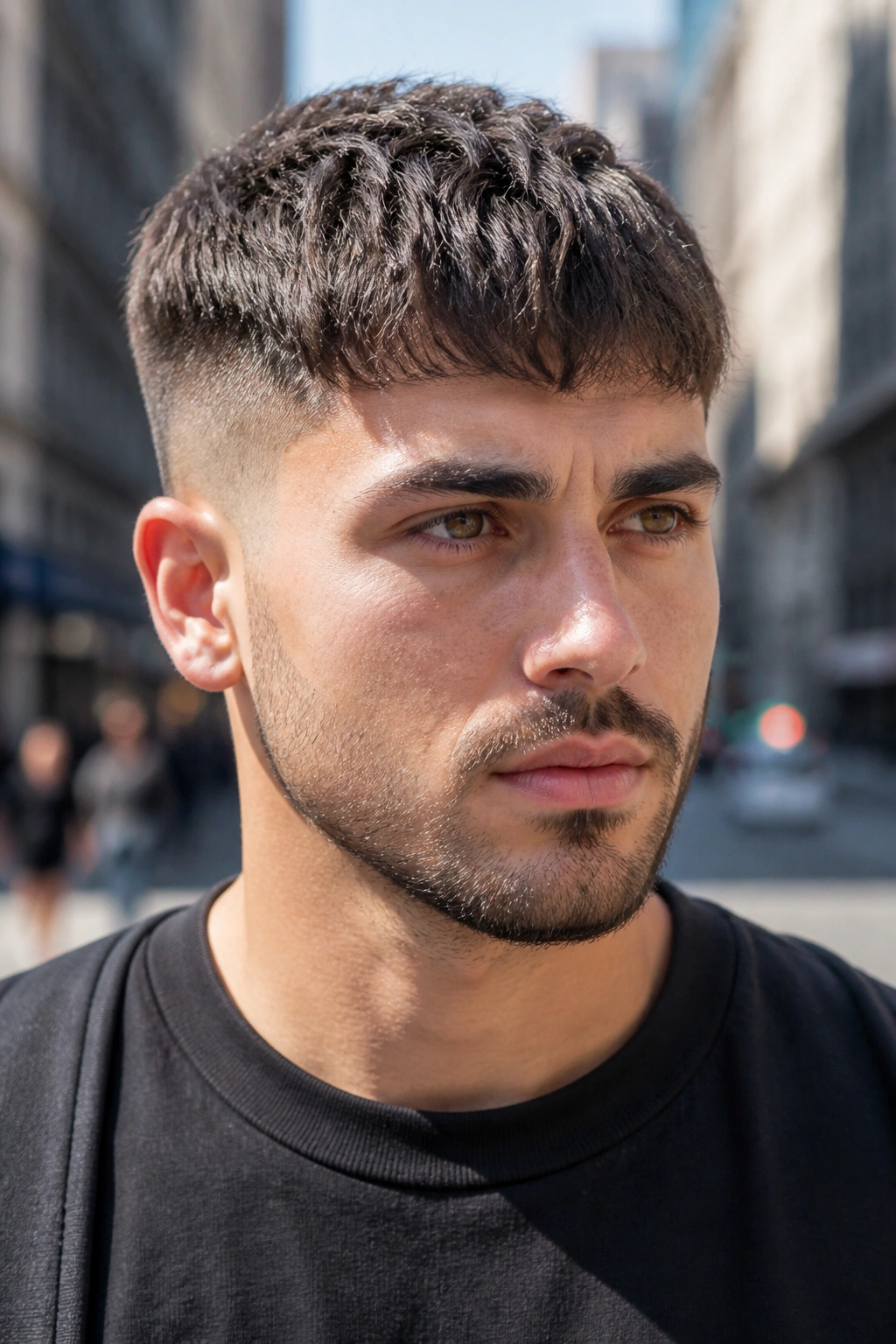
A textured crop looks casual, but there’s real work inside that mess. The cut lives on short layers, blunt edges, and a top that can be pushed forward or worn slightly messy. It has that “I didn’t try too hard” feel, which sounds lazy until you realize it takes a decent cut to make lazy look good.
This style is especially useful for thick hair. Instead of fighting bulk, the barber removes weight and leaves little choppy pieces on top. That helps the hair sit flatter, which is a blessing if your crown likes to stick up. It’s also a good move for men with straight hair who want some shape without long styling sessions.
Why it works
The crop keeps the front heavy enough to frame the forehead while the texture breaks up the silhouette. That means it can soften a strong hairline or make a narrow face feel broader. A low fade or taper on the sides usually keeps it from getting boxy.
Quick details
- Top length: about 1.5 to 3 inches.
- Fringe: usually blunt or slightly uneven.
- Product: matte clay, not shiny gel.
- Finish: use your fingers, not a comb.
One warning: if your hair is very fine and flat, too much texture can make it look wispy. A little is good. Too much looks like damage.
4. Side Part
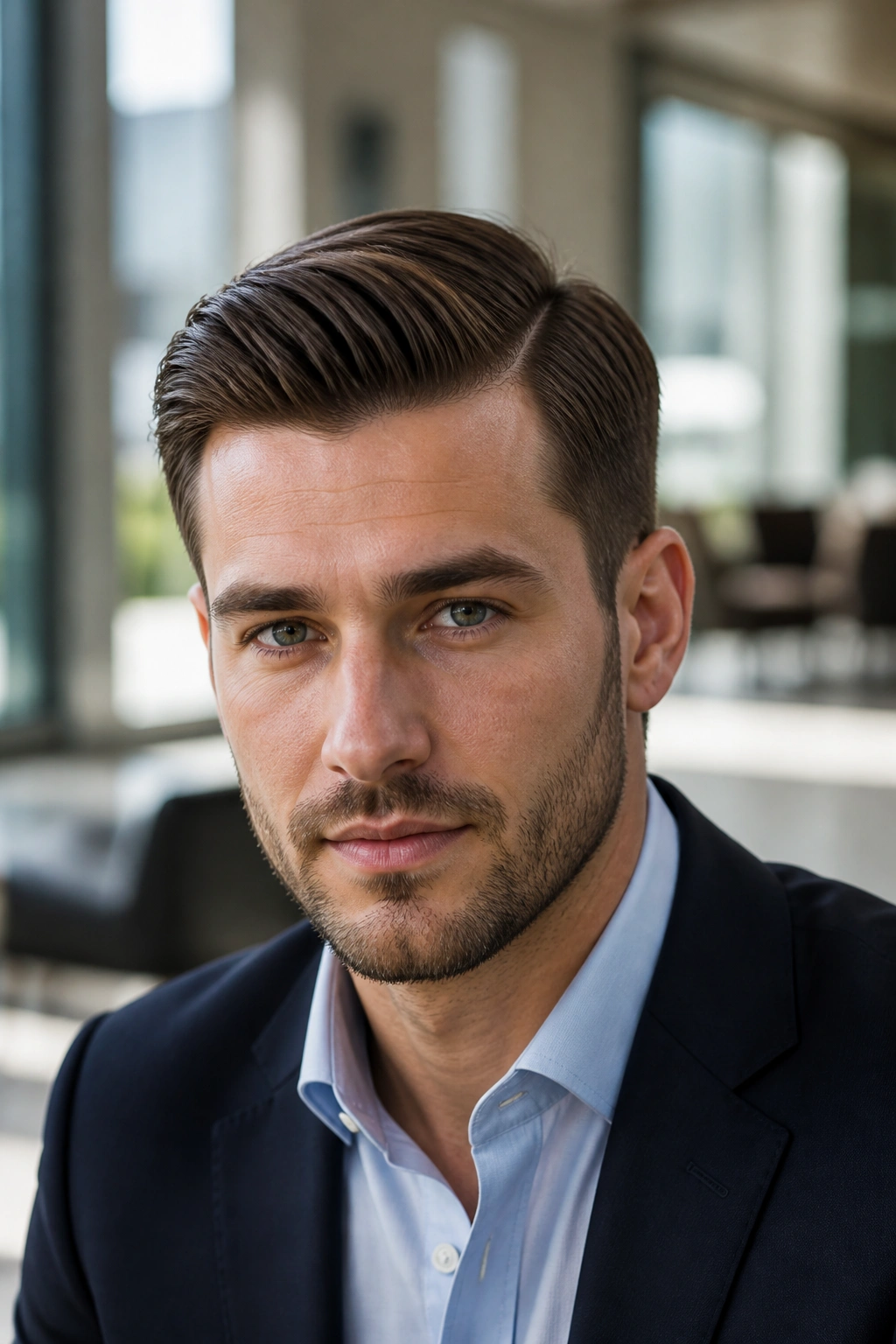
The side part is the old reliable of men’s haircuts. Not boring. Reliable. There’s a difference. A clean part gives structure to straight or slightly wavy hair, and it can make a guy look more put together without looking rigid.
Picture a short-to-medium top with one side neatly guided over and the other kept closer to the head. That shape is easy to wear at work, at dinner, or under a hat. It’s also one of the easiest styles to adjust. You can make it sharp with a hard part and a fade, or softer with a taper and a little natural movement.
What makes it different
The side part uses direction more than length. That’s why it flatters men whose hair has a natural split on one side. Fighting a cowlick just to force a part somewhere else is a waste of time. Work with the grain and the style gets easier.
Barber notes
- Top length: 2 to 4 inches usually works well.
- Sides: taper, low fade, or classic scissor cut.
- Product: light cream for a soft finish, pomade for a tighter look.
- Comb: use a fine-tooth comb if you want the part clean, then finger-comb the top so it doesn’t look too helmet-like.
A side part can feel a little formal, sure. That’s the point when you need your hair to behave.
5. Taper Fade
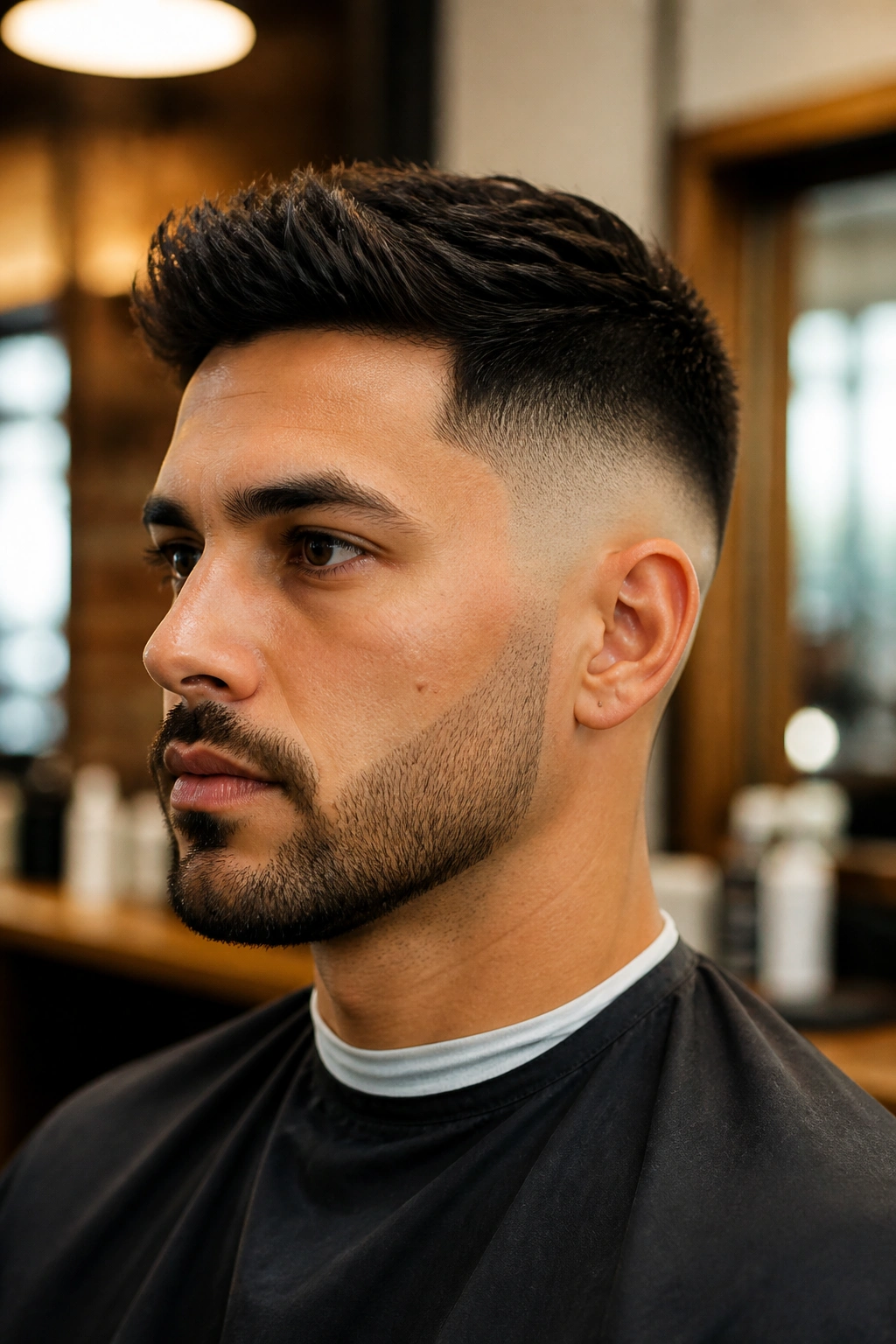
A taper fade is less about the top and more about the edges. The hair gets shorter as it approaches the ears and neckline, but it doesn’t have to drop all the way to skin. That softer finish is what makes the taper so versatile. It cleans up the outline without shouting about it.
You’ll see this cut paired with everything from crops to pompadours to curls. That’s because a taper fade doesn’t impose a mood. It supports one. A good taper can make thick hair less bulky, make a short top look sharper, and make a longer style feel cleaner around the edges.
A lot of men who think they want a fade actually want a taper first. The fade can be dramatic. The taper is calmer. Less scalp, more blend.
Where to use it
- With a curly top, it keeps the sides from puffing out.
- With a side part, it makes the part look deliberate.
- With a longer top, it gives the whole cut a neater finish.
Ask for the taper to stay low if you want a softer look, or mid if you want more contrast. The neckline matters more than people think. A clean taper at the back can make a haircut look fresh for days longer than a blunt finish.
6. Pompadour
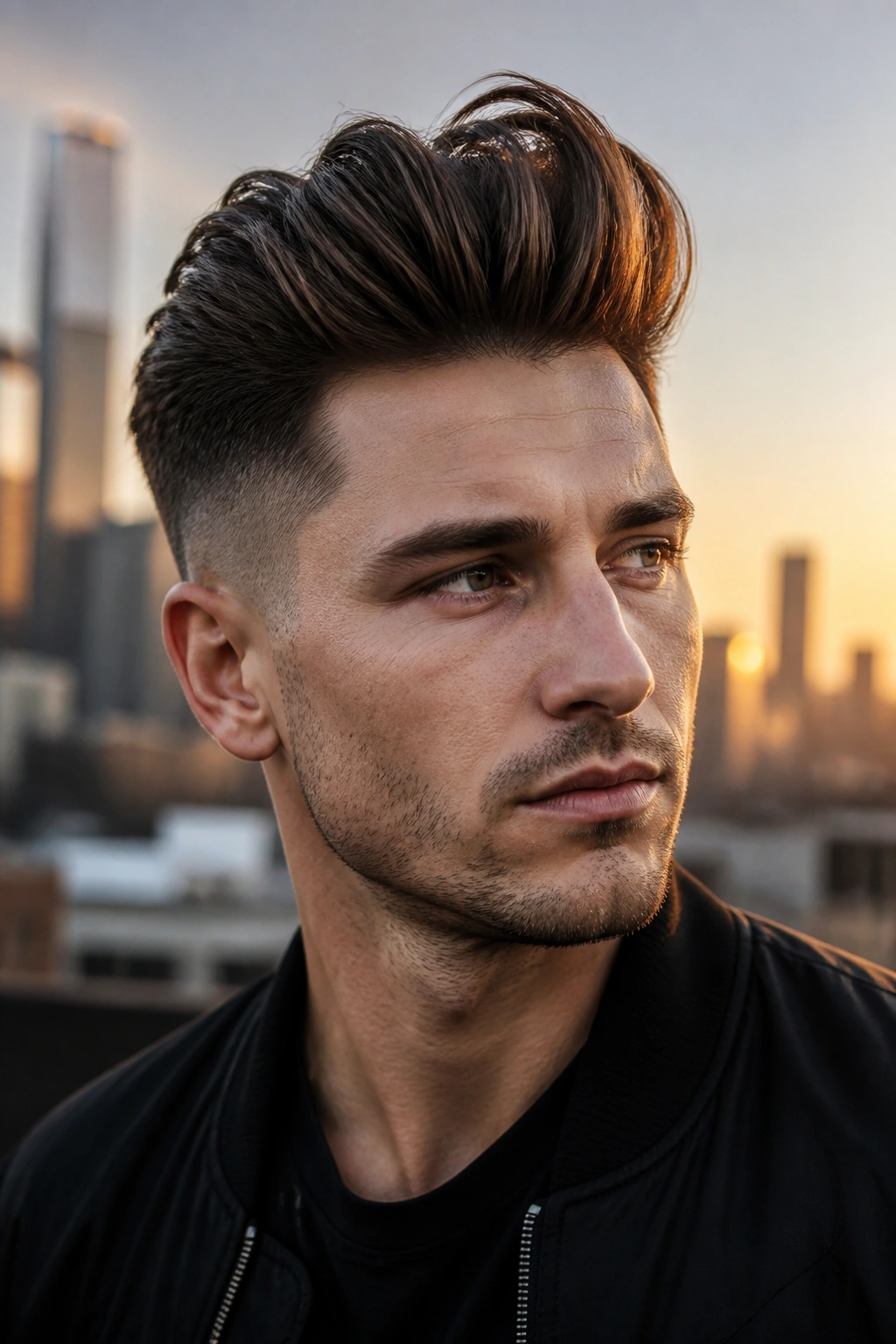
The pompadour is a volume play. It keeps the hair longer on top and pushed up and back, with the front carrying most of the height. If you like a haircut that has shape from the front row, this one delivers. If you hate styling, skip it. No point pretending otherwise.
What separates a good pompadour from a stiff, shiny throwback is texture. The modern version usually has more movement and less hard shell. You want lift, not a plastic helmet. The sides are often faded or tapered tight, which makes the top look even fuller by contrast.
How to style it without turning it crunchy
Start with damp hair. Work in a small amount of blow-dry cream or volumizing mousse, then blow-dry the front upward using a round brush or your fingers. Aim the dryer from the roots up and back. Once the shape is in place, finish with a light pomade or styling cream.
Do not dump gel into it. That’s where the whole thing goes wrong.
A pompadour suits men with thick or medium hair best, especially if the hair has some natural body. Fine hair can still do it, but it needs a lighter hand and a strong blow-dry. Square faces and oval faces usually wear this style well because the height opens up the face without crowding the jaw.
7. Quiff
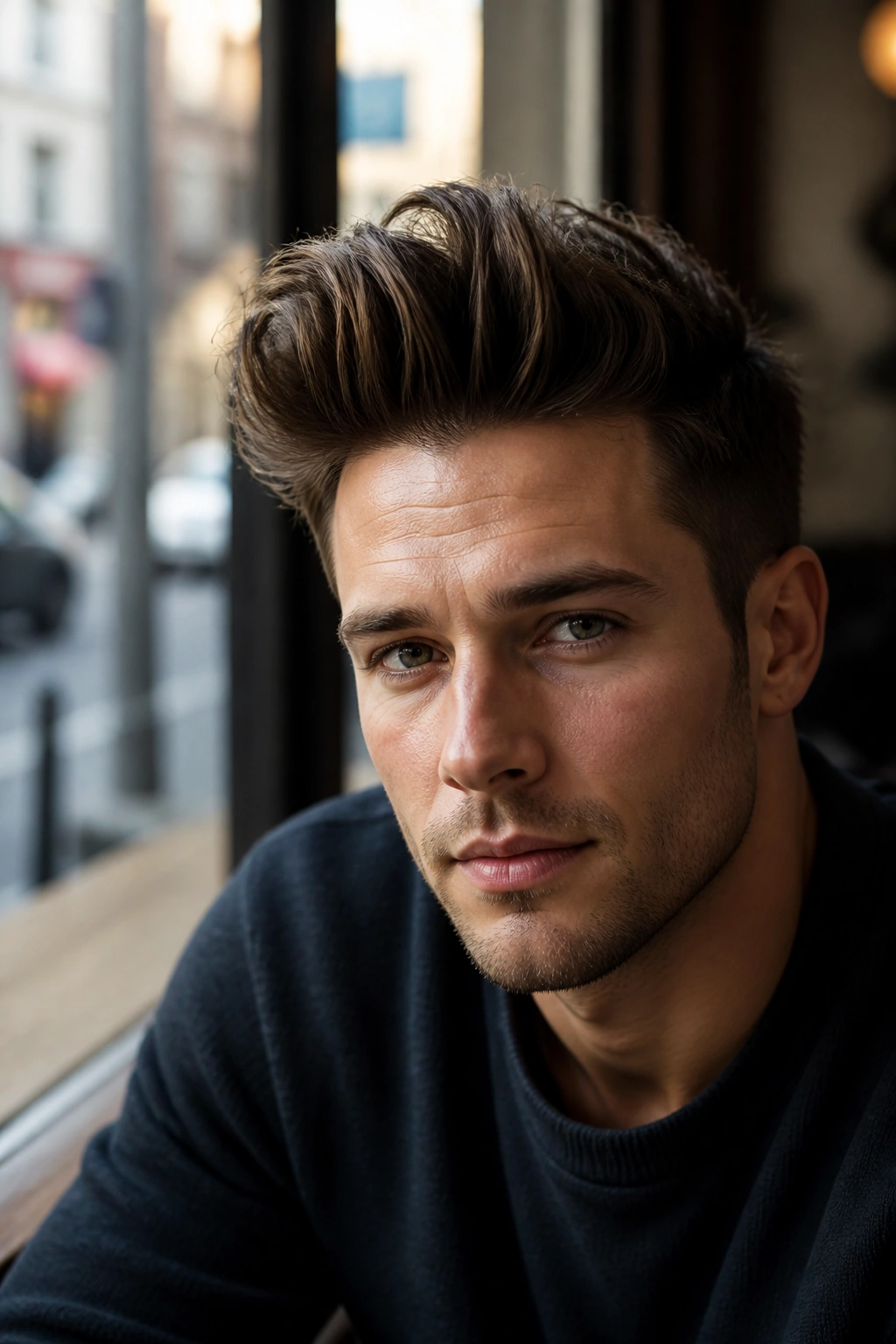
A quiff is like the pompadour’s looser cousin. It keeps height at the front, but it feels less formal and usually less polished. The hair is brushed up and back in a way that leaves a little mess, which is part of the appeal. It looks alive.
This is one of those hairstyles for men that can look polished or rough depending on the product. Use a matte paste and you get a textured, everyday version. Use a pomade and it sharpens up fast. The cut itself usually keeps the sides shorter and the top longer, with enough length up front to lift.
How to get the shape right
- Leave 2 to 5 inches on top, depending on how high you want the front.
- Keep the sides tighter so the top doesn’t lose its shape.
- Blow-dry the front upward first, then direct it slightly back.
- Use fingers to break up the front once it’s dry.
A quiff works well if your hair has some natural bend. It can also help balance a stronger nose or a long forehead because the front becomes the visual anchor. The catch is maintenance. If you hate reworking your hair after a nap or a humid walk, this cut will annoy you.
8. Slick Back
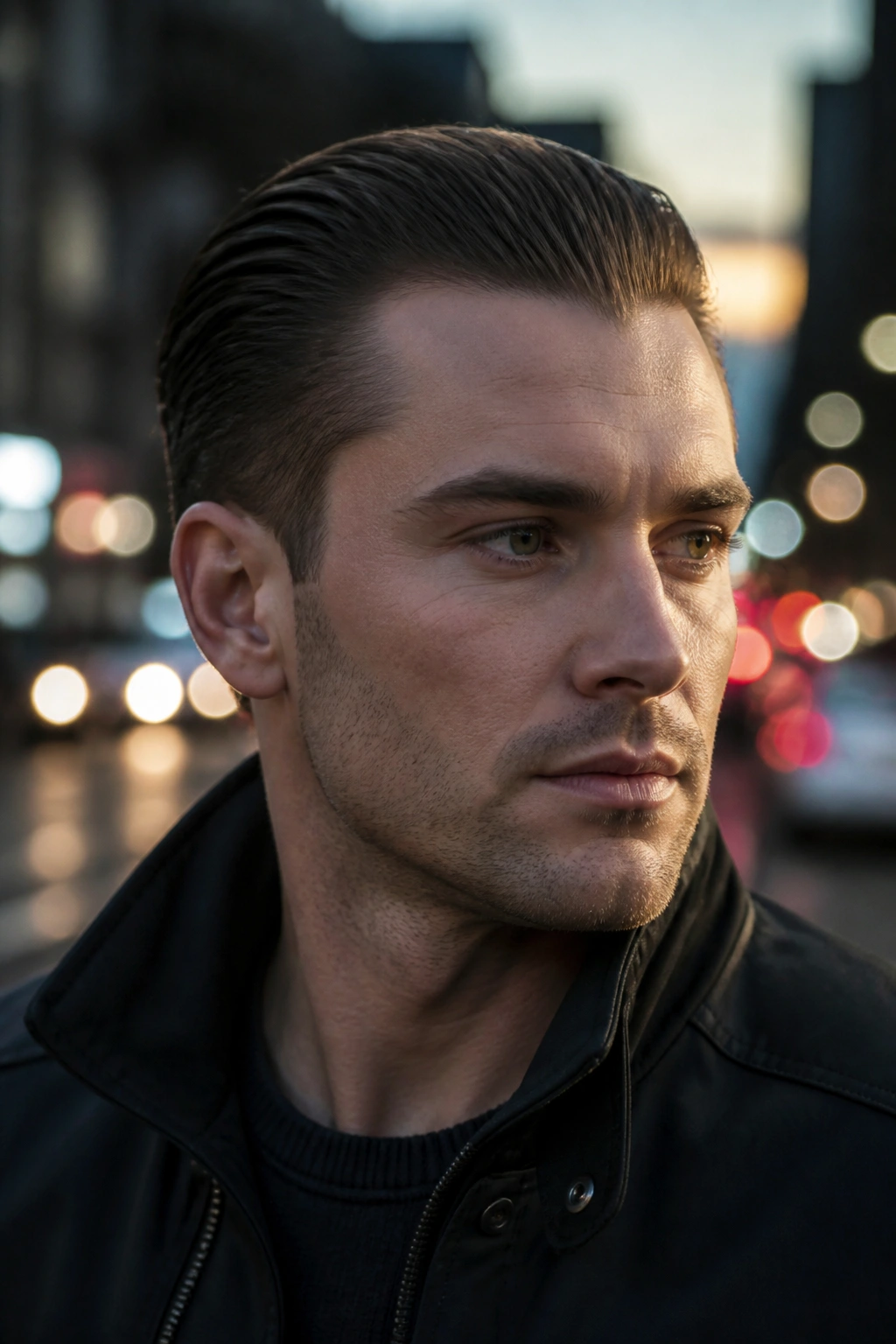
The slick back has a reputation for being slicked to death, but the modern version is softer than that. Hair is combed away from the forehead and guided back, usually with some side control and a tighter cut on the sides. The result can be sharp, clean, and a little old-school in the best sense.
Unlike the pompadour, which wants height, the slick back wants direction. That difference matters. It works best when the hair is medium length on top and has enough density to stay in place without looking thin. Thick hair is ideal. Very fine hair can still do it, but it needs a lighter product or the strands will separate and show the scalp.
What makes it different from other short styles
The slick back is about confidence in the front. There’s no fringe falling down, no part to hide behind. It opens the face and shows the hairline, so it’s not the easiest choice if the front is thinning. On the other hand, a strong hairline and a clean fade can make the style look crisp for hours.
Use a medium-hold pomade for shine, or a styling cream for a dryer finish. If you want it to feel current rather than glossy, skip heavy grease. That stuff belongs in another decade, and even there it was a mixed bag.
9. French Crop
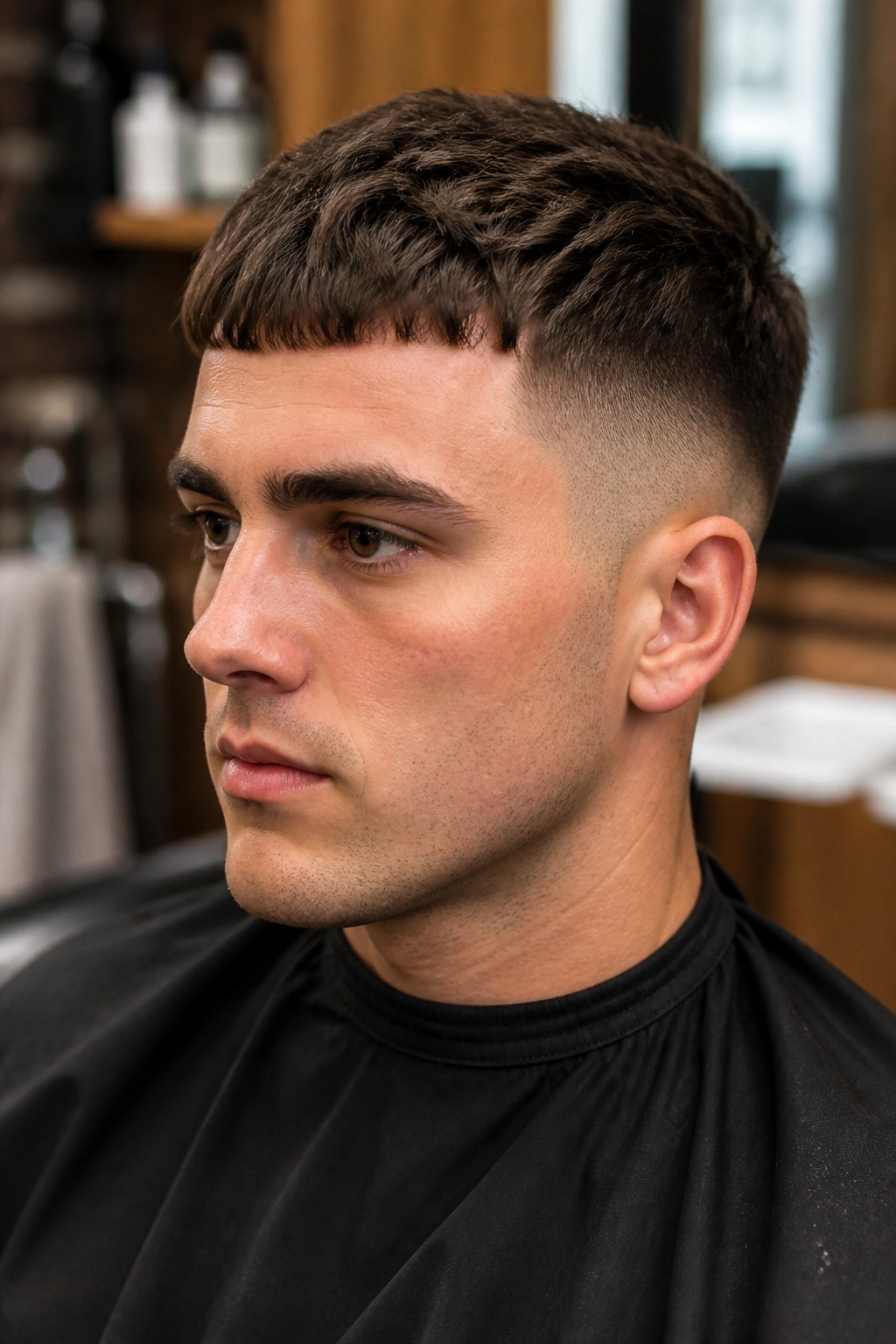
The French crop is one of the smartest short cuts around because it solves problems. A short fringe can hide a high forehead. The tight sides keep bulky hair under control. The top has enough texture to avoid looking flat. It’s practical, which is not the same thing as plain.
There’s usually a blunt or slightly choppy fringe at the front, with the rest of the top cut short and textured. The sides often sit in a fade or taper, but they don’t need to be dramatic. The shape is the point.
You can wear a French crop with straight hair, thick hair, or even wavy hair, and it tends to grow out fairly well. That’s a big deal. Some short cuts look sloppy two weeks later. This one usually just gets softer.
What to ask for
Say you want the front left slightly heavier than the rest if you need more forehead coverage. If you have a strong cowlick at the front, tell the barber before the clippers come out. That one little swirl can change the whole cut.
A French crop looks best with matte product and minimal fuss. Finger-comb it forward, then pinch the ends a bit so it doesn’t sit like a flat sheet. The texture should look broken, not hacked to pieces.
10. Curtain Haircut
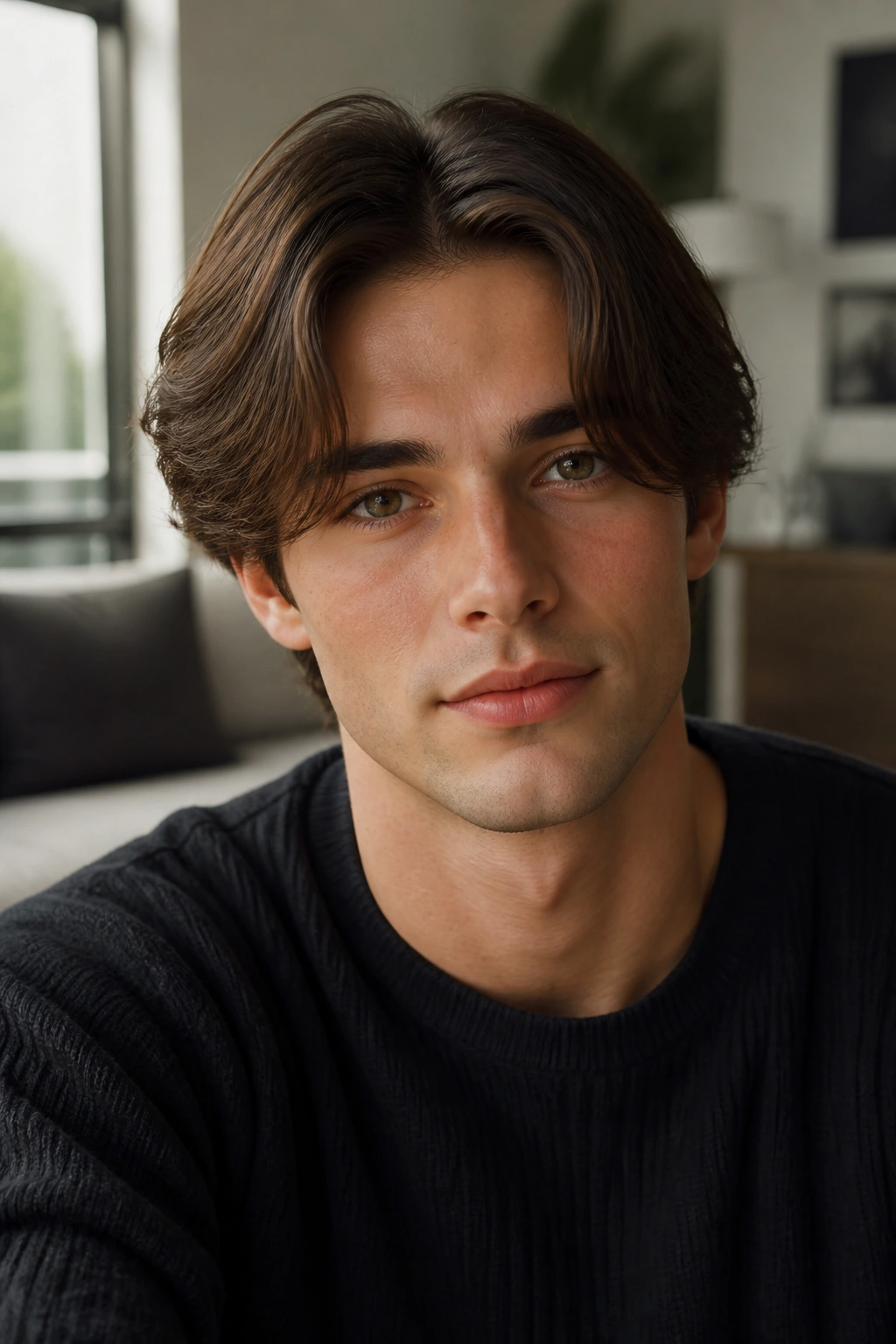
Curtains are back in the sense that they never really left. The cut is built around a middle part, with longer hair falling to both sides of the face. If your hair has some natural wave, this style can look easy and relaxed. If your hair fights every part you try to make, it may become a weekly argument.
The charm of curtains is the frame they create. They soften the forehead, bring attention to the eyes, and give longer faces a bit of balance. A lot of men lean into this style when they’re growing their hair out but don’t want that awkward in-between stage to look accidental.
Good fit, bad fit
Curtains suit straight to wavy hair best. Thick hair works too, but it needs layering so it doesn’t balloon at the sides. Very coarse hair can do it, though the shape is harder to control without a good cut.
A middle part doesn’t have to be perfect. In fact, a slightly loose part often looks better because it feels lived in. The hair should fall, not stand at attention. If you need a little help, use a light leave-in cream and dry the hair with a towel first, then let it finish air-drying with your fingers guiding the split.
This style can get floppy fast. That’s the tradeoff. But when the length is right, it has a calm, easy look that a lot of shorter styles can’t touch.
11. Ivy League

The Ivy League is the polished cousin of the crew cut. It keeps the top long enough to part and style, while the sides stay short and neat. If the crew cut feels too bare, the Ivy League adds just enough length to make the haircut feel intentional.
This is one of those cuts that almost never looks out of place. It works in offices, at weddings, at dinner, and on a random Tuesday when you don’t want your hair to behave badly. The top usually has enough length to sweep to the side with a comb, but not so much that it turns into a full side part with extra steps.
How it behaves in real life
The Ivy League is forgiving. It grows out smoothly, and it doesn’t need a heavy product load. A light cream or low-shine pomade is usually enough. If you have straight hair, the part will sit neatly. If you have a little wave, the cut gains a softer edge.
Tell the barber this
- Keep the top around 1.5 to 2.5 inches.
- Ask for a neat taper on the sides.
- Leave enough length in front to brush sideways.
- Keep the neckline clean, not square and chunky.
It’s a clean haircut without a lot of drama. Honestly, that’s why a lot of men keep coming back to it.
12. Faux Hawk
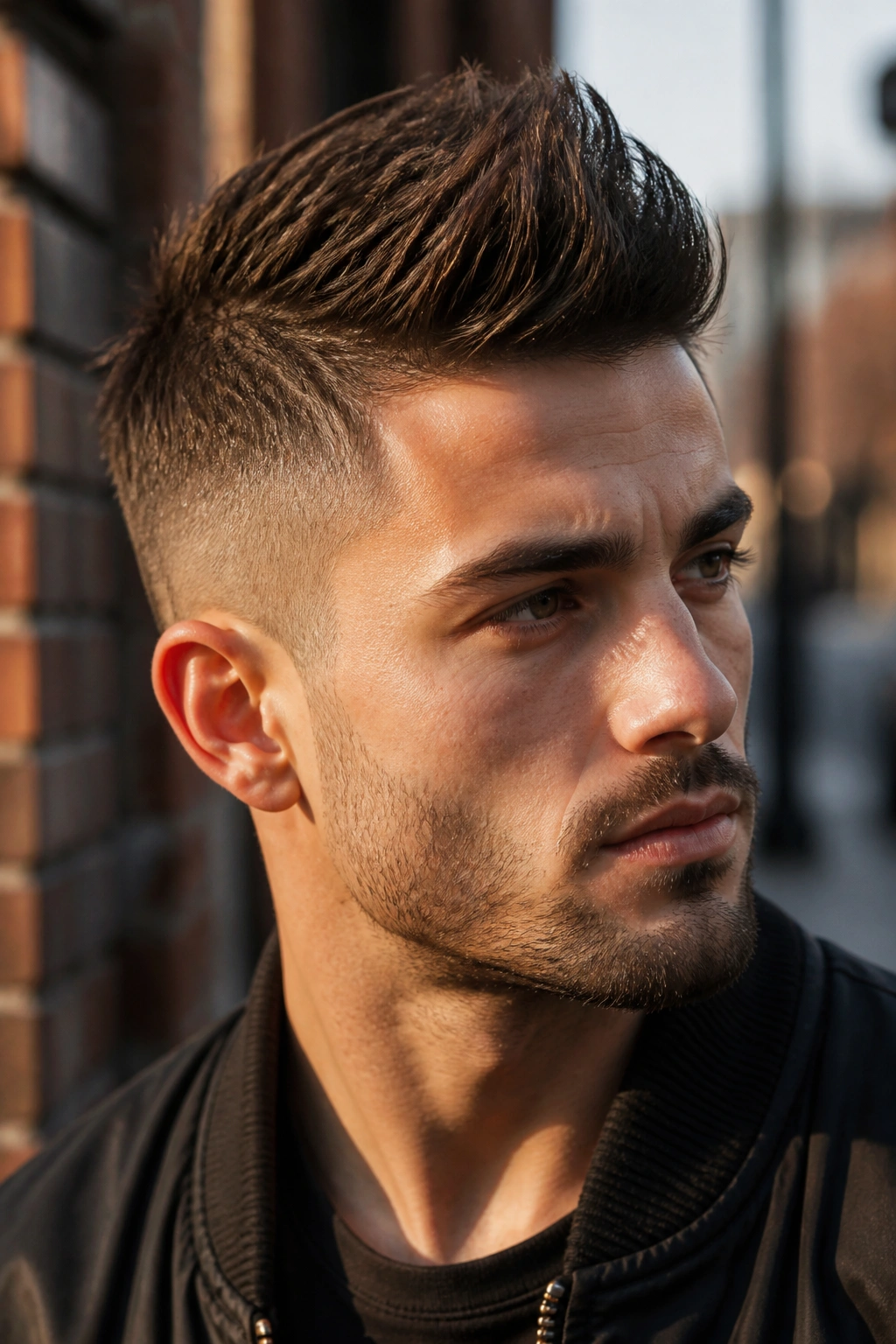
A faux hawk is for men who want edge without full commitment. The center line is left longer and pushed upward, while the sides are cut shorter so the middle strip stands out. It borrows the attitude of a mohawk but keeps the wearability.
This style can be subtle or loud. The version you choose depends on how short the sides get and how high you push the top. A low contrast faux hawk can look sharp without raising eyebrows at work. A more dramatic one says something louder. Same haircut, different volume.
Why it works
The faux hawk puts motion through the center of the head, which can help round out a face that feels too wide or too flat on top. It’s also a decent fix for dense hair that wants to stand up in all directions anyway. Sometimes the best haircut is the one that stops fighting your natural texture.
A few practical notes
- Keep the center slightly longer than the rest, not wildly longer.
- Use matte clay or paste for hold with some grit.
- Blow-dry the center upward while directing the sides down.
- Avoid over-sharpening the strip unless you want it to read more punk than everyday.
A faux hawk can look tired if the sides grow out too much. Keep the contrast clean, or the whole idea gets muddy.
13. Bro Flow
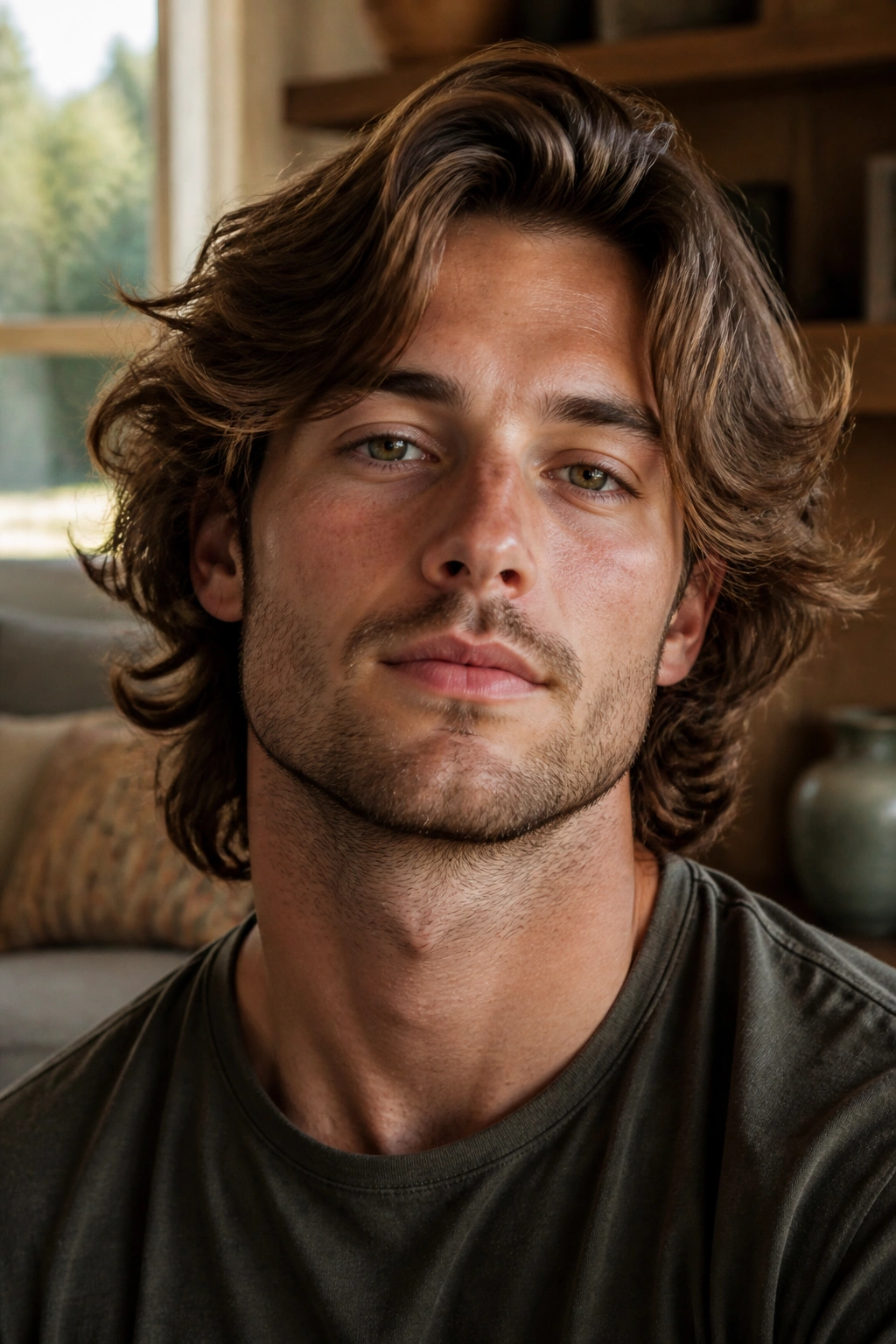
The bro flow is the haircut version of letting your hair move the way it wants to. Medium-length hair flows back and around the ears, often with natural layers that keep it from looking heavy. It’s easy in theory. In practice, it asks for patience.
This style works best when you’re growing out a shorter cut and don’t want to chop everything off again. It also suits men with wavy hair because the movement gives the shape some life. Straight hair can pull it off too, but it may need a little more layered cutting so the sides don’t hang like curtains.
The bro flow is not a neat cut. That’s the point. It looks better when it’s a bit loose, a bit wind-touched, a bit undone. If you want tidy edges, this is not your lane.
A light leave-in conditioner or cream helps keep the ends from looking dry. The hair should fall with movement, not separate into crunchy sections. If you tuck one side behind the ear and leave the other loose, the whole shape gets a little more natural.
One more thing: this cut only looks good if you get regular trims. Otherwise it turns from relaxed into neglected, and there’s a difference.
14. Curly Top with Fade
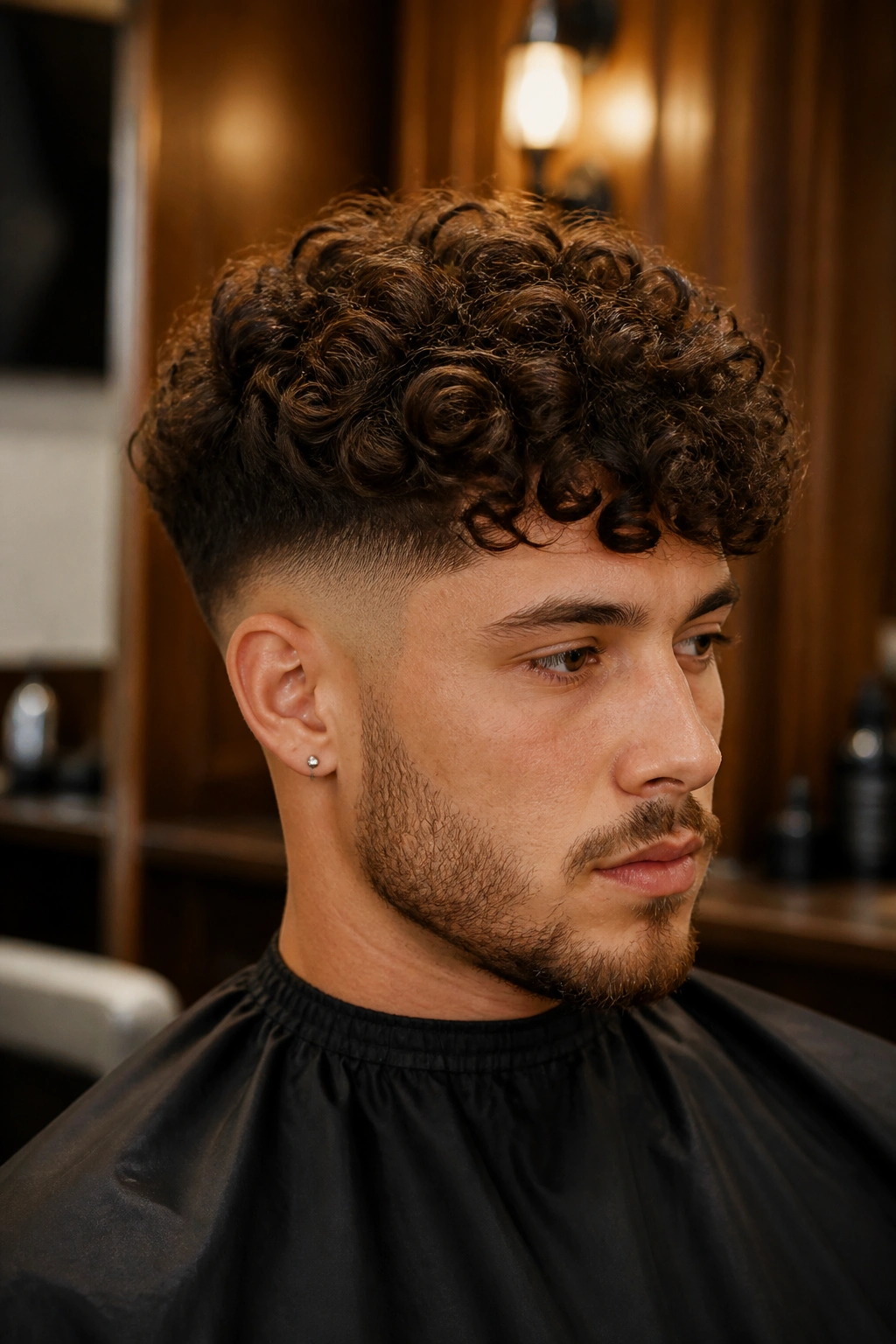
Curly hair gets treated like a problem too often. It isn’t. It just needs the right frame. A curly top with a fade leaves the curls fuller up top while tightening the sides and back so the shape looks clean instead of puffy.
The fade can be low, mid, or high depending on how much contrast you want. A low fade keeps the look soft. A high fade makes the curls stand out harder. Either way, the goal is the same: let the curls do their thing on top while the sides stay disciplined.
What to focus on
A curly cut lives or dies on moisture. Dry curls frizz, and frizz changes the shape fast. Use a curl cream or light leave-in while the hair is damp, then scrunch it gently. Don’t rake through it like straight hair. You’ll only stretch the curl pattern and make it frizzy.
Barber checklist
- Leave enough top length for your curl pattern to spring up.
- Ask for the sides to be blended, not chopped bluntly.
- Keep the temple area clean so the shape doesn’t bulge.
- Trim curls dry if possible, because wet curls lie.
A good curly top feels balanced. It shows texture without looking wild. That balance is the whole game.
15. Afro
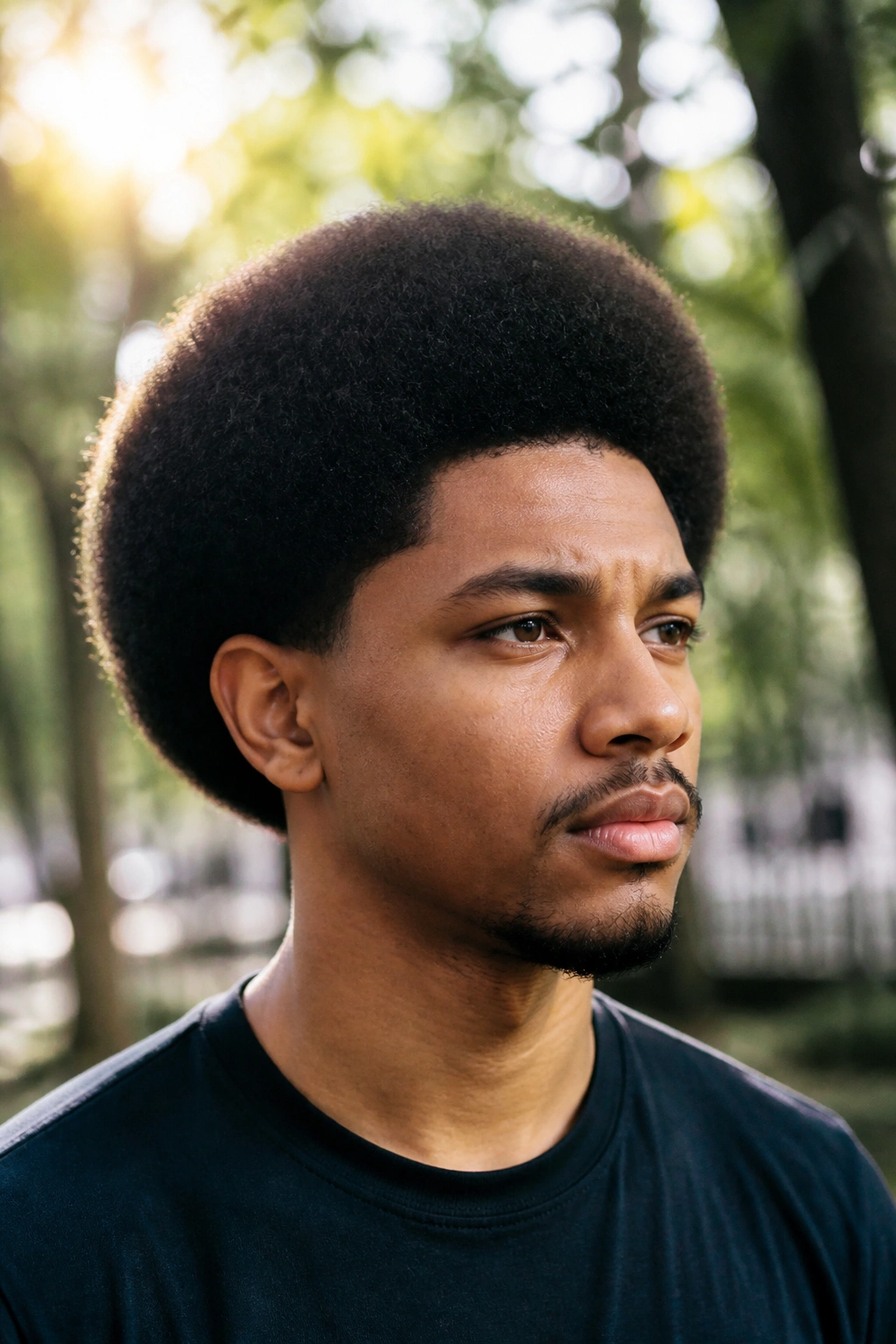
The afro is shape, texture, and confidence all at once. It doesn’t need to be huge to count. A small rounded afro and a fuller one are both valid, and both can look sharp when the outline is clean. What matters is the silhouette.
This style rewards moisture, gentle handling, and regular shaping. The hair needs room to grow in its natural pattern, not get flattened or pushed into somebody else’s idea of neat. A clean line around the temples and neckline can make a huge difference. So can a good pick-out routine or a leave-in that keeps the curls soft.
What makes it look good
The best afros have a rounded shape that follows the head without turning square. If the sides puff out too much, a taper or soft fade can help. If the top is dense and the sides are trimmed evenly, the whole style looks intentional instead of accidental.
Easy care points
- Use a wide-tooth comb or pick, not a fine brush.
- Moisturize while the hair is damp.
- Shape the outline every couple of weeks.
- Sleep with a satin bonnet or pillowcase to cut down on friction.
An afro can be low-maintenance in the right hands. It just isn’t low-care. Those are not the same thing.
16. High and Tight
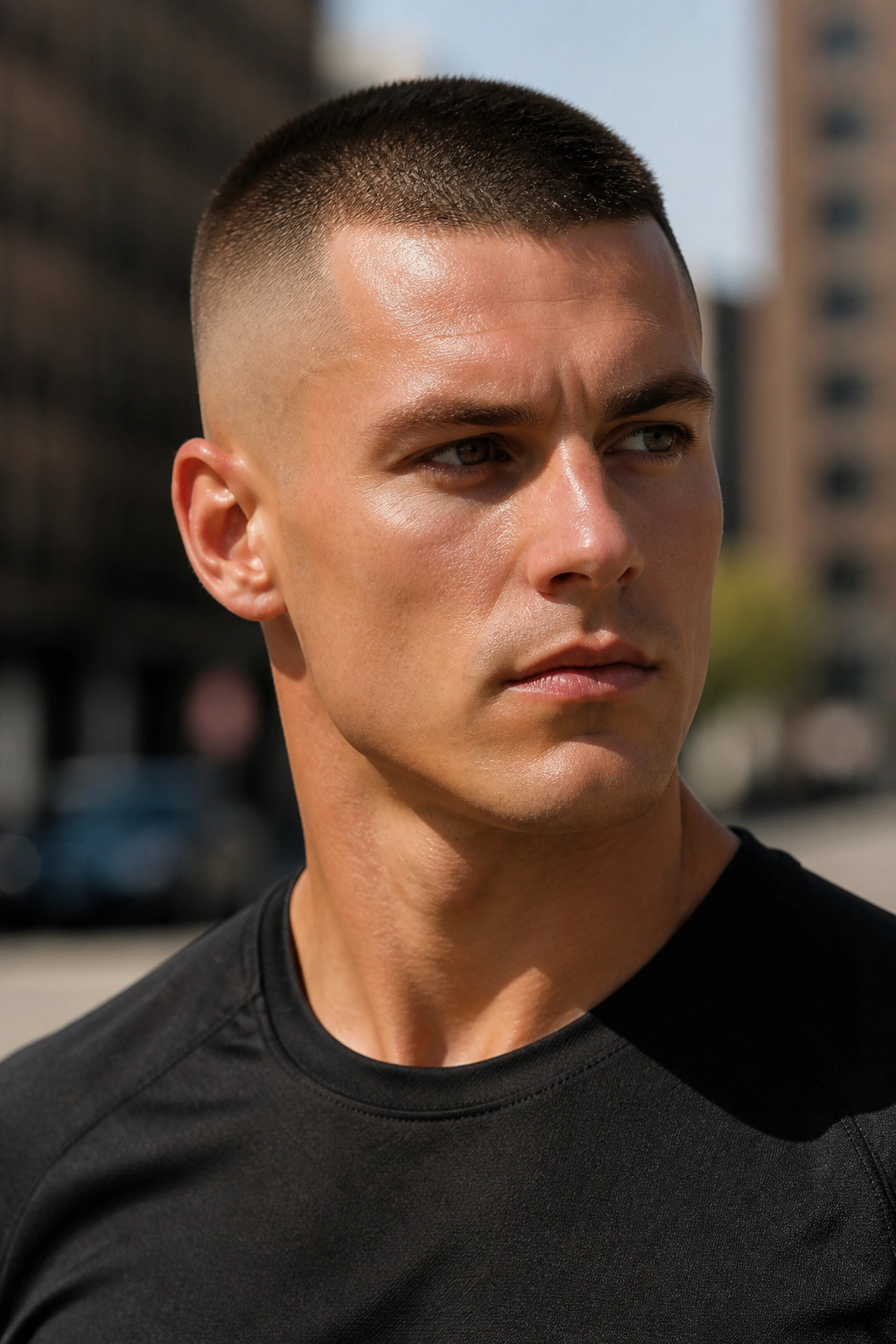
The high and tight has military roots, and you can feel that in the shape. The sides are clipped very short, sometimes nearly down to skin, while the top stays short and controlled. It’s a stripped-down cut, but it has presence because the contrast is so clear.
This style is especially useful for men who want a sharp look without styling time. Thick hair behaves well in it. Fine hair can look fuller up top because the short sides create contrast. The haircut also opens up the face and neck, which gives it a clean, athletic feel.
How it compares to a buzz or crew cut
The high and tight is more structured than a buzz cut and more severe than a crew cut. The tight sides make the top pop. If you want softness, this is not it. If you want sharp edges and easy maintenance, it does the job.
A little matte product on top can give the short hair some direction, but many men wear it with nothing at all. That’s part of the appeal. It looks deliberate even when it takes almost no work.
Ask for the top to stay short enough that it won’t flop forward. The moment it starts acting like a fringe, the style loses its crisp shape.
17. Comb Over
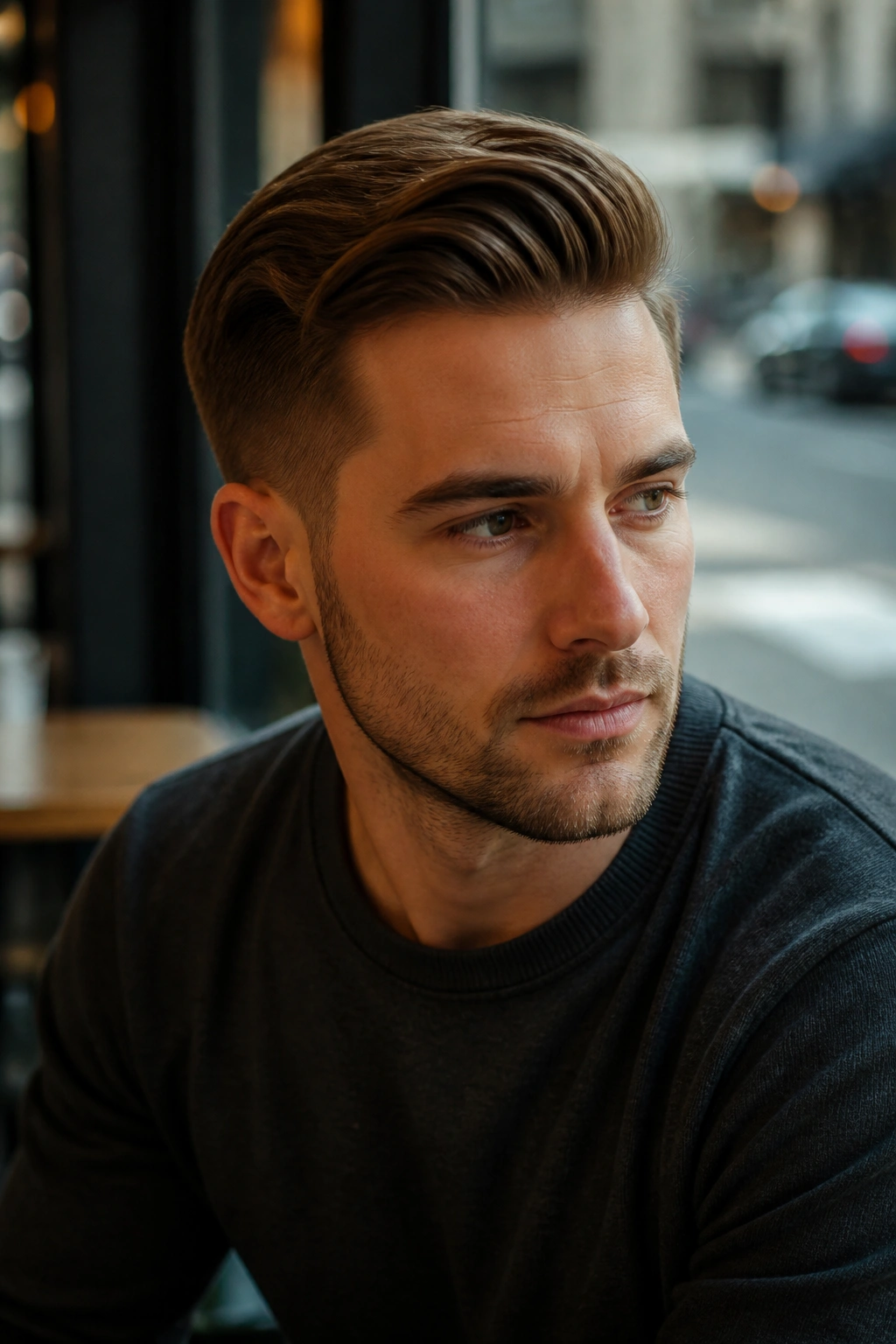
The modern comb over is not the bad haircut people joke about. That old version tried too hard to hide things. The better version uses side-swept hair to create shape and coverage without pretending the hairline does not exist.
A comb over works well when the top has enough length to move to one side and the sides are kept shorter. It can help with thinning at the crown or a receding front, as long as the cut is honest. Too much length and too much shine draw attention to the wrong spots. A cleaner, softer comb over usually looks better than a stiff one.
How to keep it natural
The trick is direction, not disguise. Part the hair where it wants to go. Use a light cream or matte pomade, then comb the top across without flattening it to the scalp. If the hair starts to separate into strings, you’ve used too much product.
A side fade can make the look feel modern, while a taper keeps it a little softer. Men with straight hair often get the cleanest result, but wavy hair can add a nice bit of texture. Curly hair can work too, though the comb over will need more length and a gentler hand.
If you want a haircut that helps you look composed without screaming about it, this is a solid option.
18. Locs
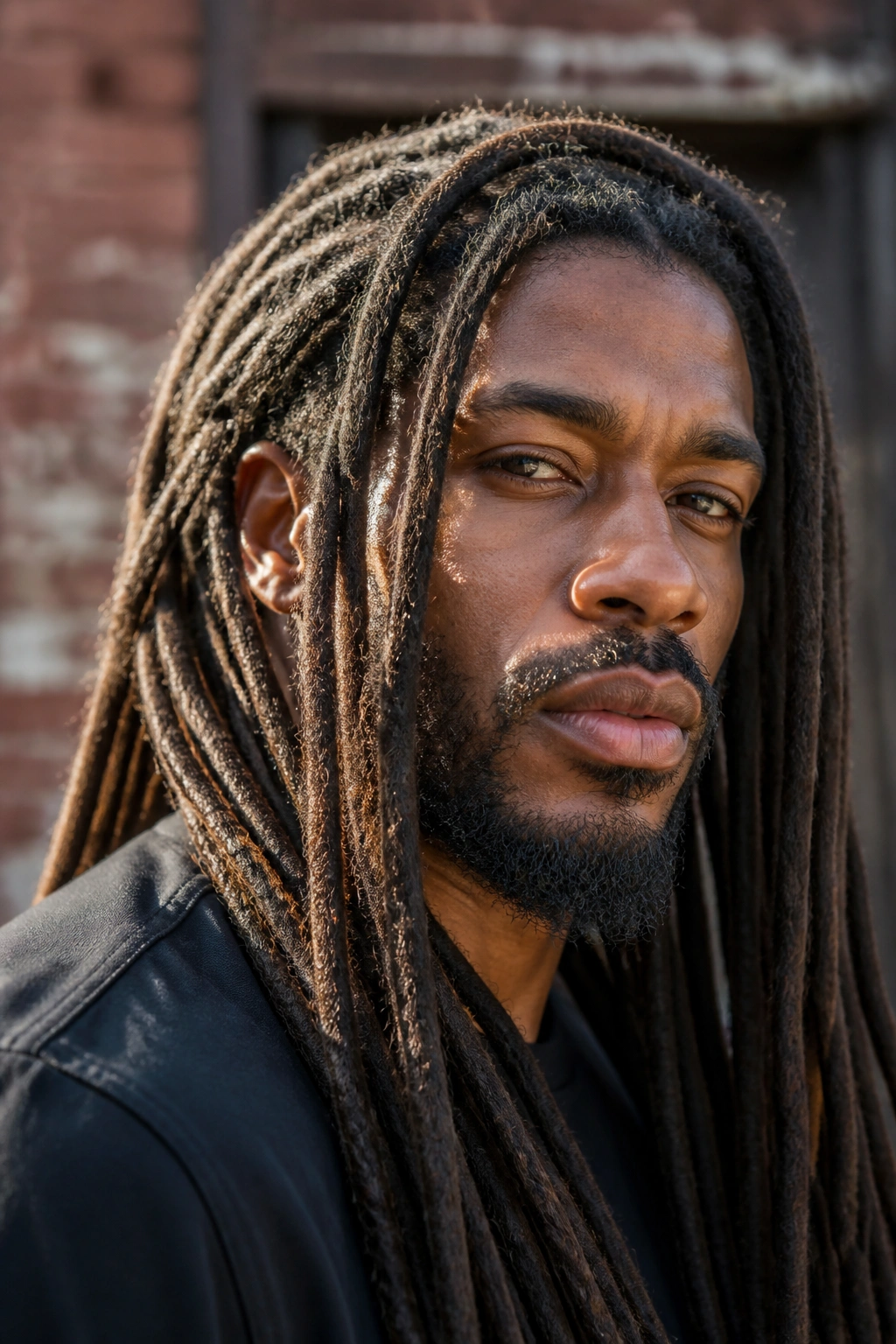
Locs are not a quick style choice. They’re a commitment, and they come with their own rhythm. Once the hair starts locking, the shape changes over time, which is part of what makes the style feel alive. It’s also why the maintenance matters so much.
The beauty of locs is that they can be worn in a lot of ways: free-hanging, pulled back, tied up, faded at the sides, or kept full and even. The exact look depends on the length, thickness, and how clean the sections were at the start. Starting well saves a lot of trouble later. Messy parting at the beginning tends to stay messy.
Things that matter
- Keep the scalp clean and dry between washes.
- Retwist or separate roots before they merge together.
- Protect the hair at night with a satin cap or scarf.
- Don’t overload the hair with heavy wax or greasy creams.
Locs can look polished, relaxed, or rugged. They don’t need a perfect finish to work, but they do need care. If the scalp stays healthy and the parts stay maintained, the style holds its shape much better.
A lot of men like locs because they fit into life instead of fighting it. That’s a fair reason. Hair should not feel like a daily argument.
19. Man Bun or Top Knot

The man bun gets teased more than it should, mostly by people who have never had shoulder-length hair in their face during a windy day. Pulling the hair back solves a real problem. It keeps the hair off the neck, out of the eyes, and away from food, which is more useful than it sounds.
A bun works best when the hair has enough length to gather without pulling the roots too hard. A top knot sits higher and can feel a little sharper, while a lower bun looks more relaxed. If the sides are undercut or faded, the contrast gets stronger. If not, the style leans softer and more natural.
The biggest mistake is tying it too tight. That can tug at the hairline and make the style look tense. A looser tie, a few face-framing pieces, and a bit of texture often look better anyway. If your hair is thick, use a strong elastic. If it’s fine, do not wrap it six times and flatten the whole shape.
This style is less about showing off the hair and more about managing it well. Which, frankly, is underrated.
20. Modern Mullet
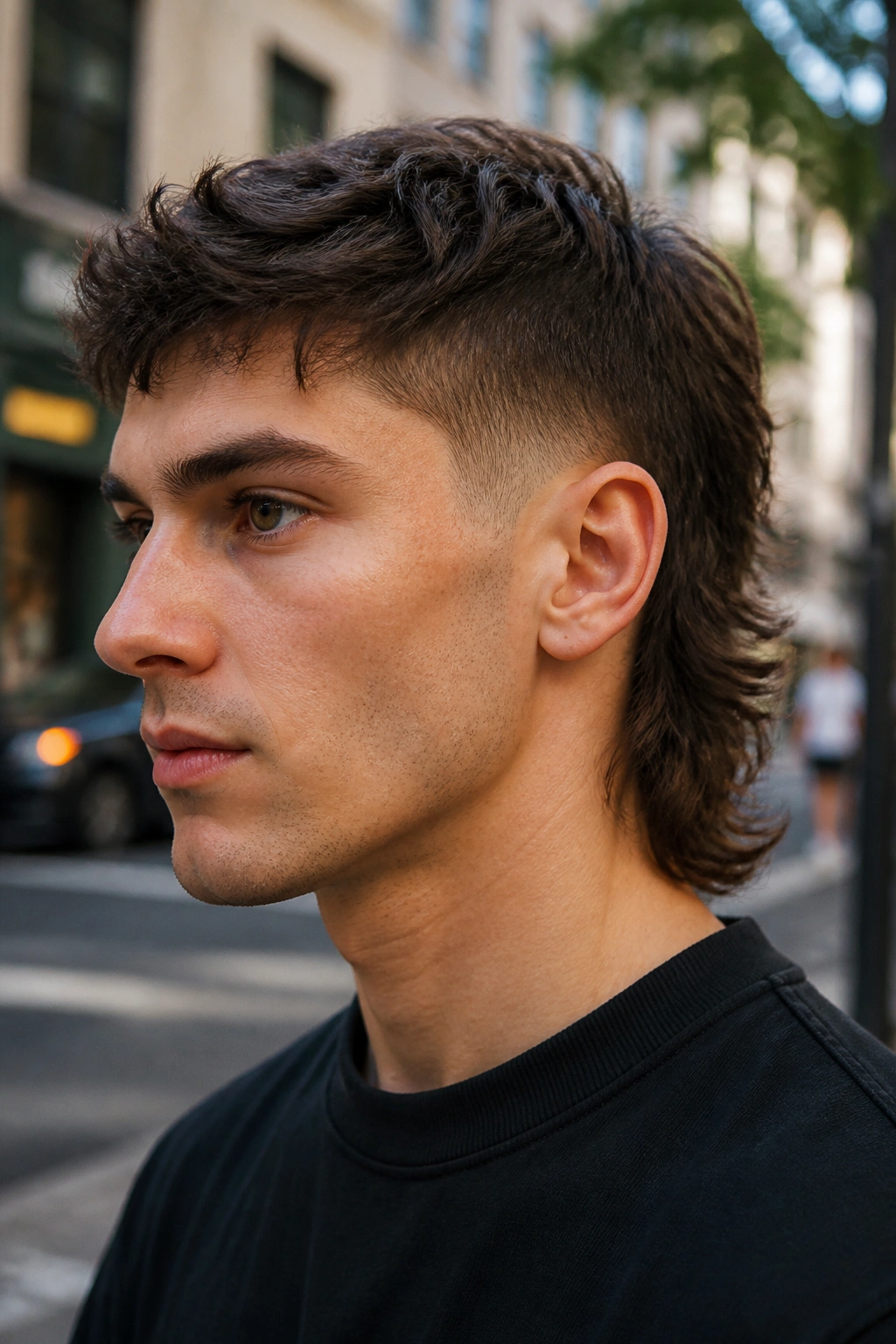
The modern mullet is not the joke version people remember from old photos. The newer shape keeps the sides tighter, the front cleaner, and the back longer in a way that feels deliberate rather than sloppy. It’s still bold. Just less chaotic.
What makes it work is balance. Too much length in the back and too much weight on the sides, and the whole cut turns into a costume. Keep the top textured, the sides controlled, and the back soft enough to move. That gives the haircut shape without turning it into a novelty.
Who it suits
The modern mullet looks good on men with straight, wavy, or even curly hair, as long as the layers are cut with some thought. It can sharpen a round face, add attitude to a plain profile, and make medium-density hair feel more interesting. It does ask for confidence. No point hiding that.
Keep it from going sideways
- Ask for a taper or low fade on the sides.
- Leave the back longer, but not stringy.
- Use light texture on top so the front doesn’t sit flat.
- Trim the back before it gets wispy and uneven.
The modern mullet is not for everyone. Fine. Neither is every haircut. But when it’s cut well, it has a shape that’s hard to ignore in a good way.
The Bottom Line
A strong haircut does one simple thing: it makes your hair easier to live with. That’s why the best hairstyles for men are not always the loudest ones. Sometimes the cleanest line, the right fade, or the right amount of length matters more than whatever is trending in a photo feed.
The smart move is to match the style to your hair type and daily routine. If you want low effort, lean short. If you like movement, leave more length on top. If your curls or waves have personality, stop sanding them down just to fit a shape that fights back.
Bring a photo if it helps, but bring some honesty too. Tell the barber what you hate: bulk at the temples, a flat crown, hair that hangs in your eyes, a neckline that turns fuzzy after five days. That information is worth more than any vague request for “something clean.”
