



Long hair on men can look sharp, messy, or flat-out careless in the same five inches of growth. The difference usually comes down to shape, not length. The best long hairstyles for men work with the way hair falls at the crown, around the ears, and at the nape, which is why one cut can look expensive and another can look like you missed your last trim.
That sounds simple. It isn’t.
A barber can change the whole mood of long hair with a half-inch off the ends, a few internal layers, or a cleaner line around the neckline. Straight hair exposes every blunt edge. Wavy hair adds movement but can puff out at the sides. Thick hair needs weight removed in the right places, or it turns into a helmet. Curly and coily hair have their own rules, and they’re usually the rules people ignore most.
Growing hair out is also a patience test. The awkward stage is real. So is the stage where the top reaches your chin but the sides still kick out like they have a grudge. That’s why picking the right cut matters so much. A good long style buys you time. A bad one just buys you more hats.
1. Long Hairstyles for Men: The Bro Flow
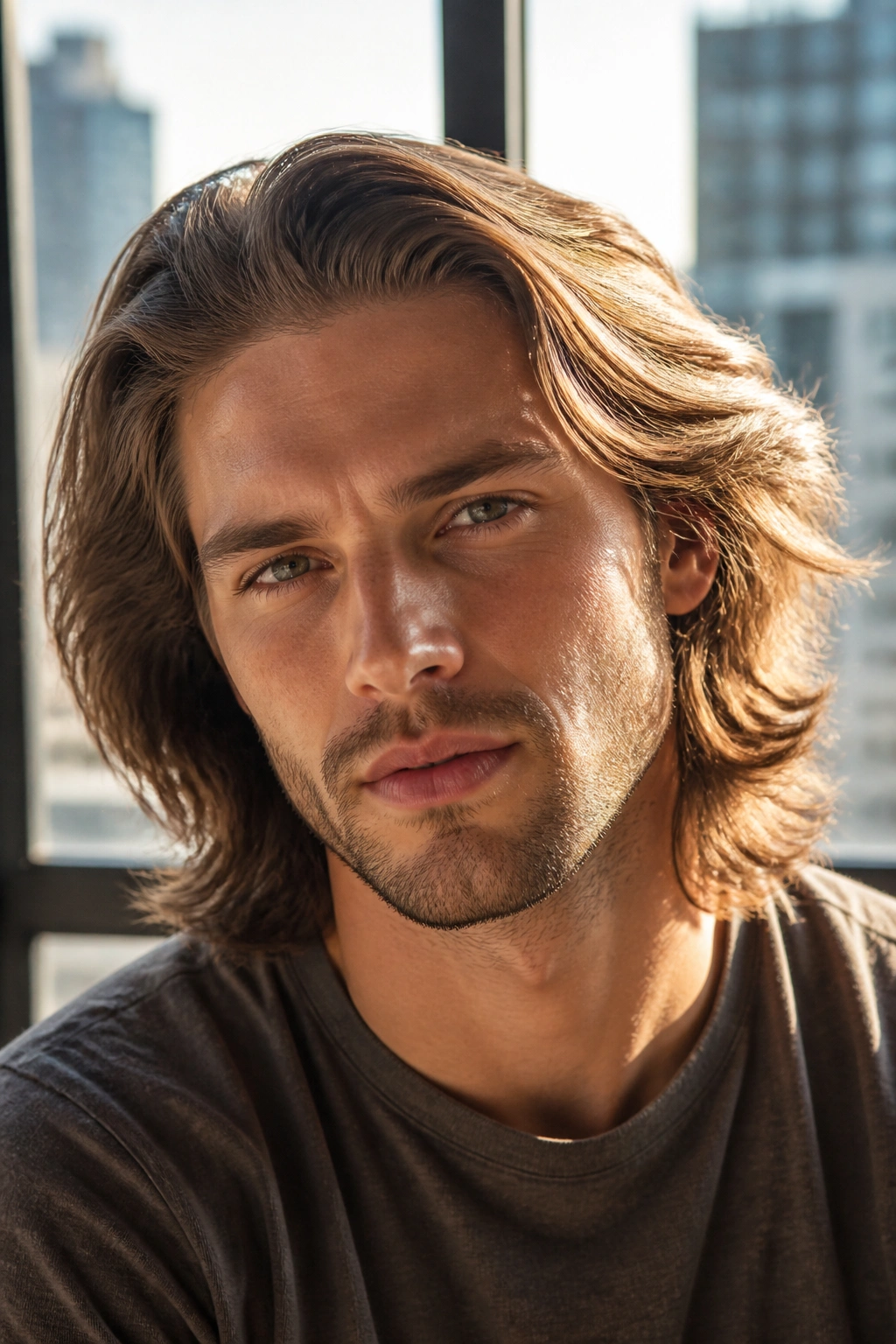
The bro flow is the style that makes long hair look like it belongs on your head, not like you borrowed it from a different person. It works especially well when hair has a little bend to it, because the whole point is soft movement that sweeps back from the face without looking stiff.
Why It Works
Ask for long layers through the sides and crown so the hair can move instead of sitting in one heavy sheet. The length should graze the ears or collar, then fall back naturally when you shake your head. That little bit of lift around the temples keeps it from looking like you forgot to brush.
A light cream or leave-in conditioner is usually enough. You want control, not crunch. If your hair flips out at the ends, your barber may have left too much weight in the wrong spot.
Good signs: the hair falls back on its own, the nape feels clean, and the style still looks decent after a windy walk.
Bad signs: puffy sides, a flat crown, or ends that kick out like little hooks.
Pro tip: dry it with your fingers, not a brush, if you want the shape to stay loose.
2. Curtain Hair That Falls Open at the Cheekbones
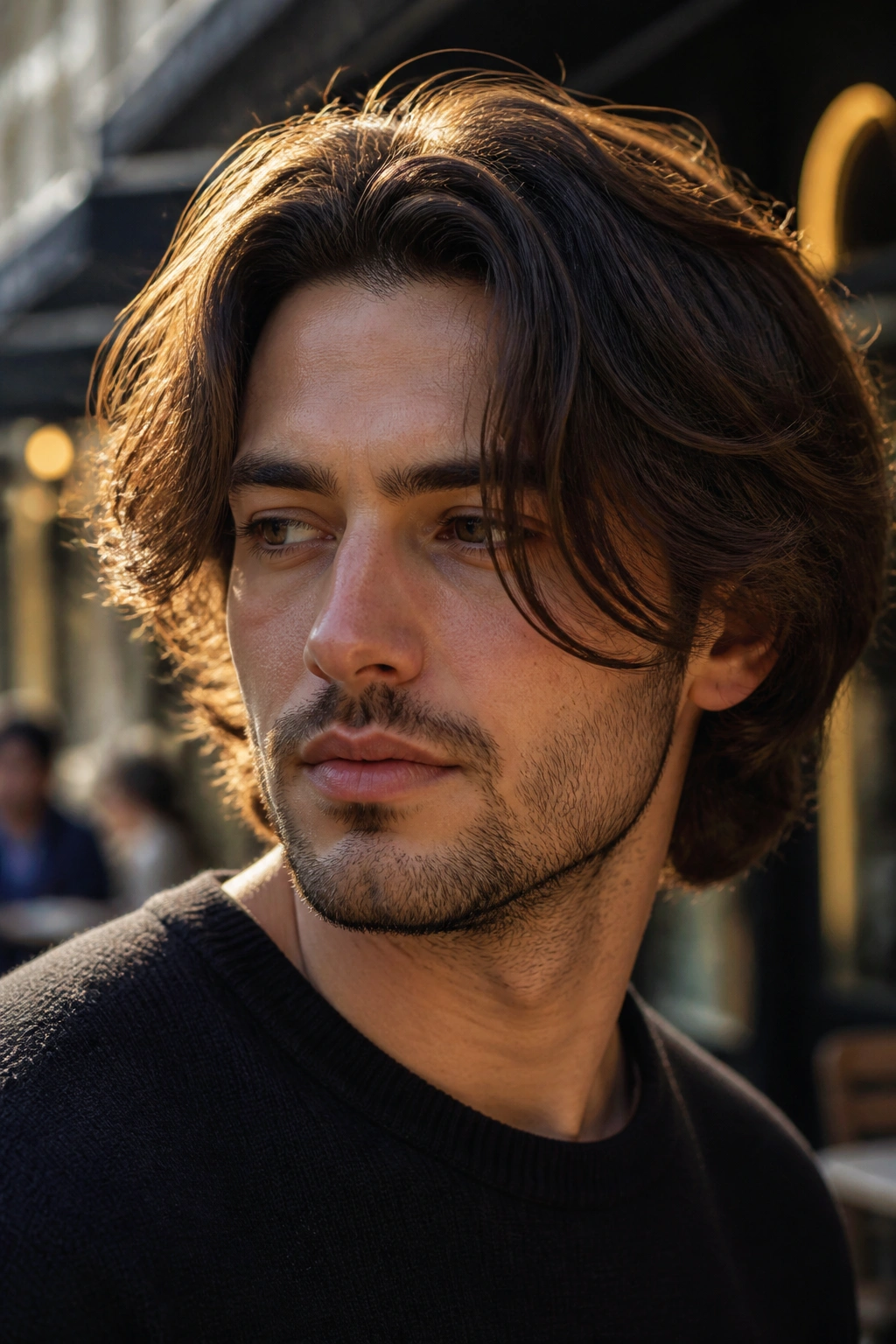
Why does curtain hair keep showing up on men with strong, face-framing styles? Because it gives you length without swallowing your face. The center part opens the front, the layers drape on both sides, and the whole cut feels easy even when it was clearly planned.
This works best on straight to wavy hair with enough density to hold shape. If the hair is too thin, the part can look stringy. If it’s too thick, the front needs some internal layering so it doesn’t sit like a curtain rod.
How to Wear It Well
- Keep the part loose, not ruler-straight.
- Ask for soft face-framing layers around the cheekbones.
- Use a small amount of mousse or lightweight cream on damp hair.
- Let it air-dry or use low heat; too much heat makes the front collapse.
The charm here is that it looks relaxed while still being deliberate. That’s hard to fake. When curtain hair is cut right, the middle part doesn’t shout. It just sits there and makes the face look longer and cleaner.
3. The Man Bun That Stays Low and Clean
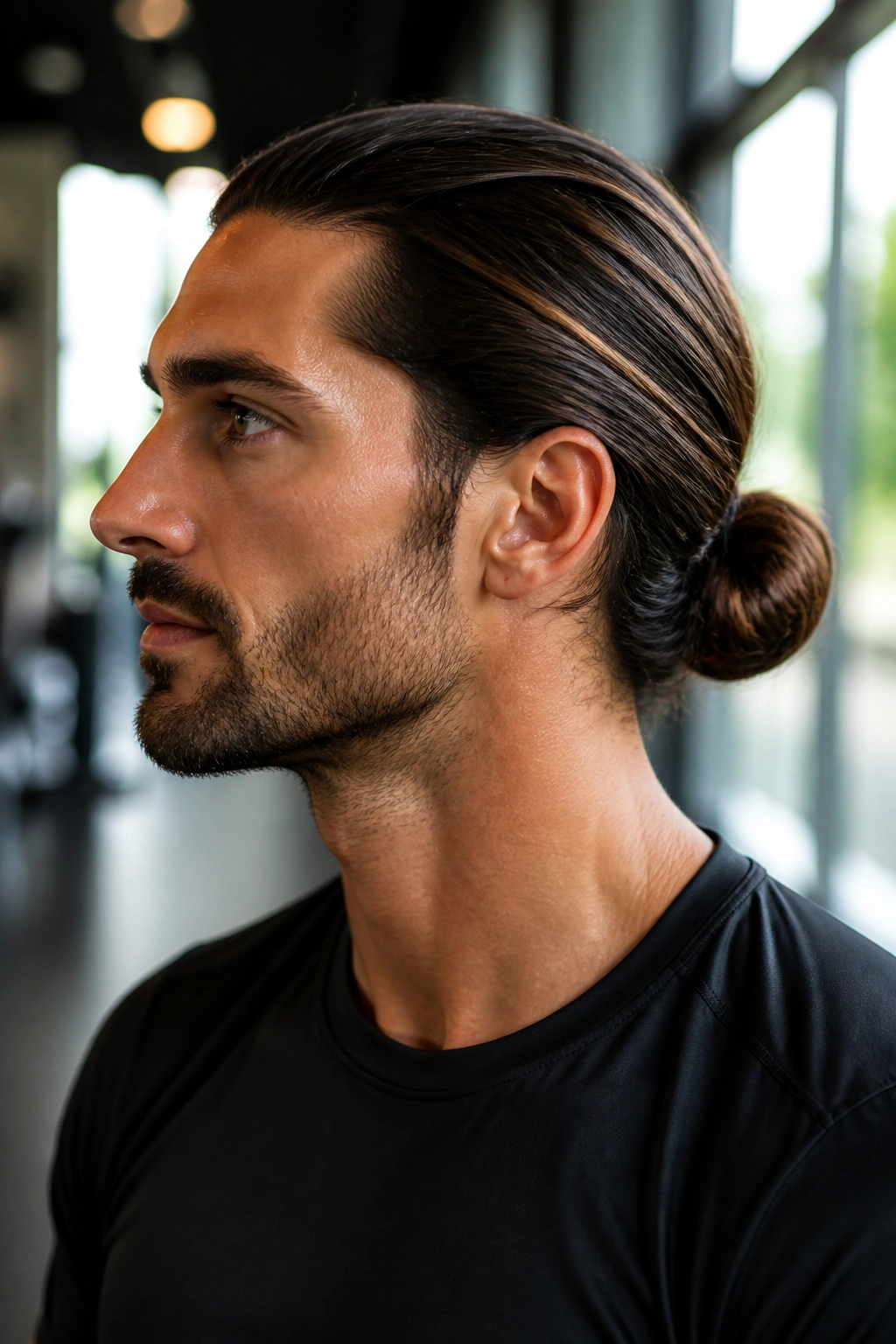
A man bun can save a bad hair day in ten seconds, but the low, tidy version is the one that actually looks like a style choice. High and tight buns pull hard on the scalp. Low buns sit closer to the nape, which is easier on the hair and usually looks better when the rest of your cut still has some movement.
This is the style for the days when you want your hair off your neck and out of your face. It’s also one of the few long looks that can pass from gym clothes to a blazer without much drama.
The trick is tension. Too tight and you get that stretched, slightly angry look around the hairline. Too loose and the bun droops. Aim for secure, not severe. A no-crease tie helps a lot, and a little texture at the crown keeps the bun from looking like a knot of wet rope.
If your hair is heavy, leave a few shorter pieces out on purpose. That sounds backward, but it softens the outline and makes the style look lived-in instead of sealed shut.
4. The Half-Up Knot for Thick Length
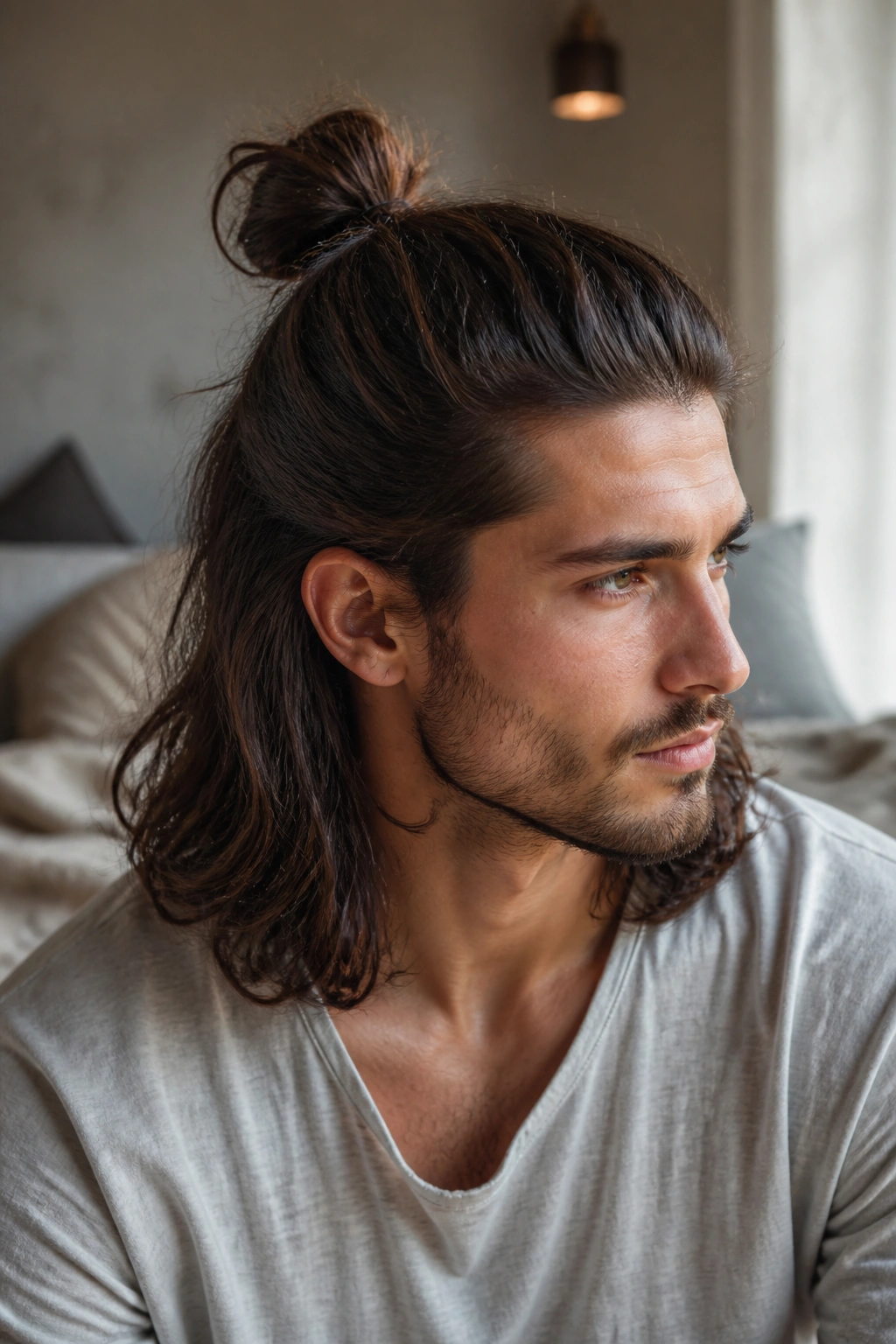
This one is for the guy whose hair is long enough to get in the way but not long enough to live fully in a bun yet. The half-up knot keeps the top and sides contained while the rest of the length hangs free, which is useful if you like the feel of long hair but hate having it in your eyes.
It also works well for thick hair, because you’re not forcing all that bulk into one tie. The style lets the lower section stay loose, so you still see movement and texture. That matters. Otherwise the whole thing can look like a stressed-out topknot.
What Makes It Look Intentional
The knot should sit at the upper back of the head, not at the crown like a tiny pumpkin. Pull from the temples and top section, then leave the lower layers alone. If you’ve got waves, let them do their thing.
A small amount of matte cream on the top section helps control flyaways. Don’t smooth the whole head flat. The point is contrast: controlled up top, freer underneath.
5. The Low Ponytail With Soft Ends
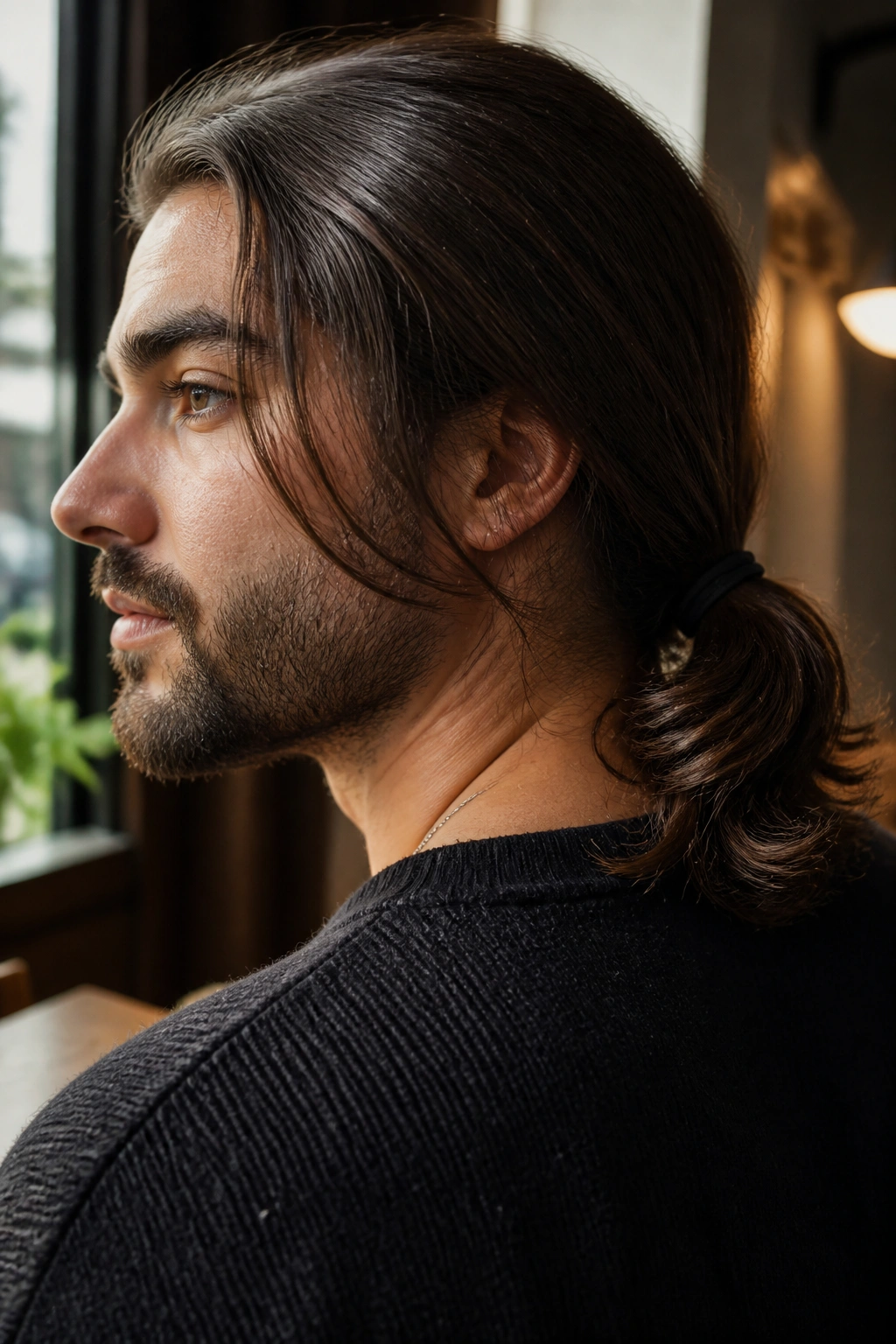
Simple does not mean boring. A low ponytail can look sharp, understated, and very grown-up when the hair is healthy and the tie sits at the nape. It also keeps the outline clean, which is a gift if your hair is thick and starts to feel hot or heavy by midday.
The style is honest. It shows your ends. It shows your part line if you have one. It even shows whether your hair has been conditioned properly. That’s why it works best when the length has been kept in decent shape, with split ends trimmed before they start looking rough.
A brush will make the ponytail neater, but a combed finger finish can look better if you want some texture. You can also wrap a small section of hair around the elastic to hide it. That tiny move changes the whole feel.
If you’ve got a long face, keep a bit of height at the crown. If your face is broader, keep the pony low and loose. Easy fix.
6. Shoulder-Length Waves With Real Movement
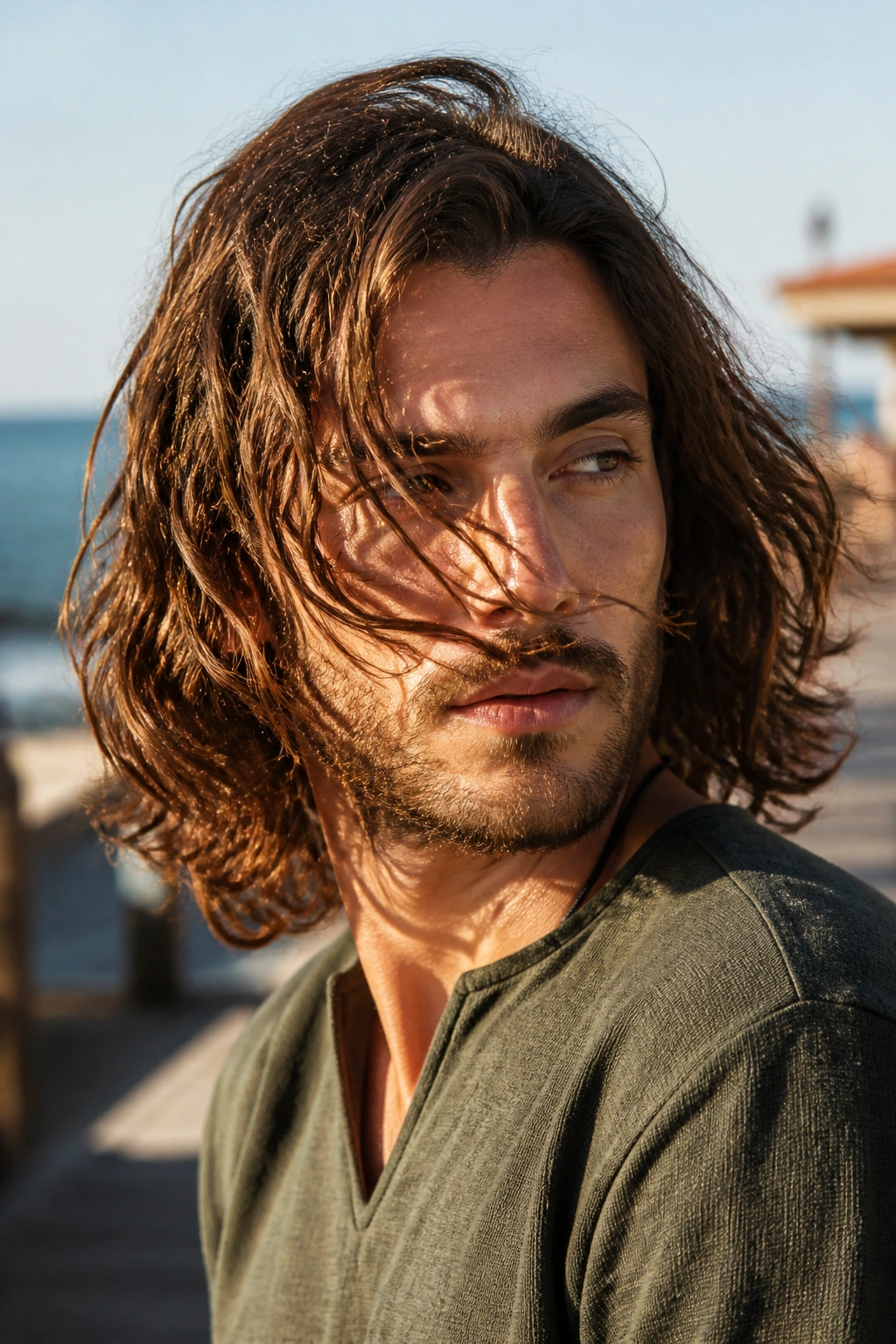
Shoulder-length waves are what long hair looks like when it has room to breathe. The cut should fall around the jaw, skim the shoulders, and move when you turn your head. If it hangs dead-straight and heavy, the shape is wrong. If it puffs into a triangle, the weight was removed badly.
A good version has layers. Not choppy ones. Just enough to stop the ends from stacking up like a thick shelf. Wavy hair does most of the work here, so the cut should support the bend rather than fight it.
Keep the Weight Out of the Ends
- Use a leave-in conditioner after washing.
- Scrunch in a small amount of curl cream or light mousse.
- Air-dry when you can.
- If you blow-dry, use a diffuser on low heat.
The hair should feel soft, not coated. You want the wave pattern to stay visible. A little frizz is fine; a helmet is not. Shoulder-length waves look best when they move in pieces, not as one solid block.
7. The Slick-Back That Uses Shine, Not Stiffness
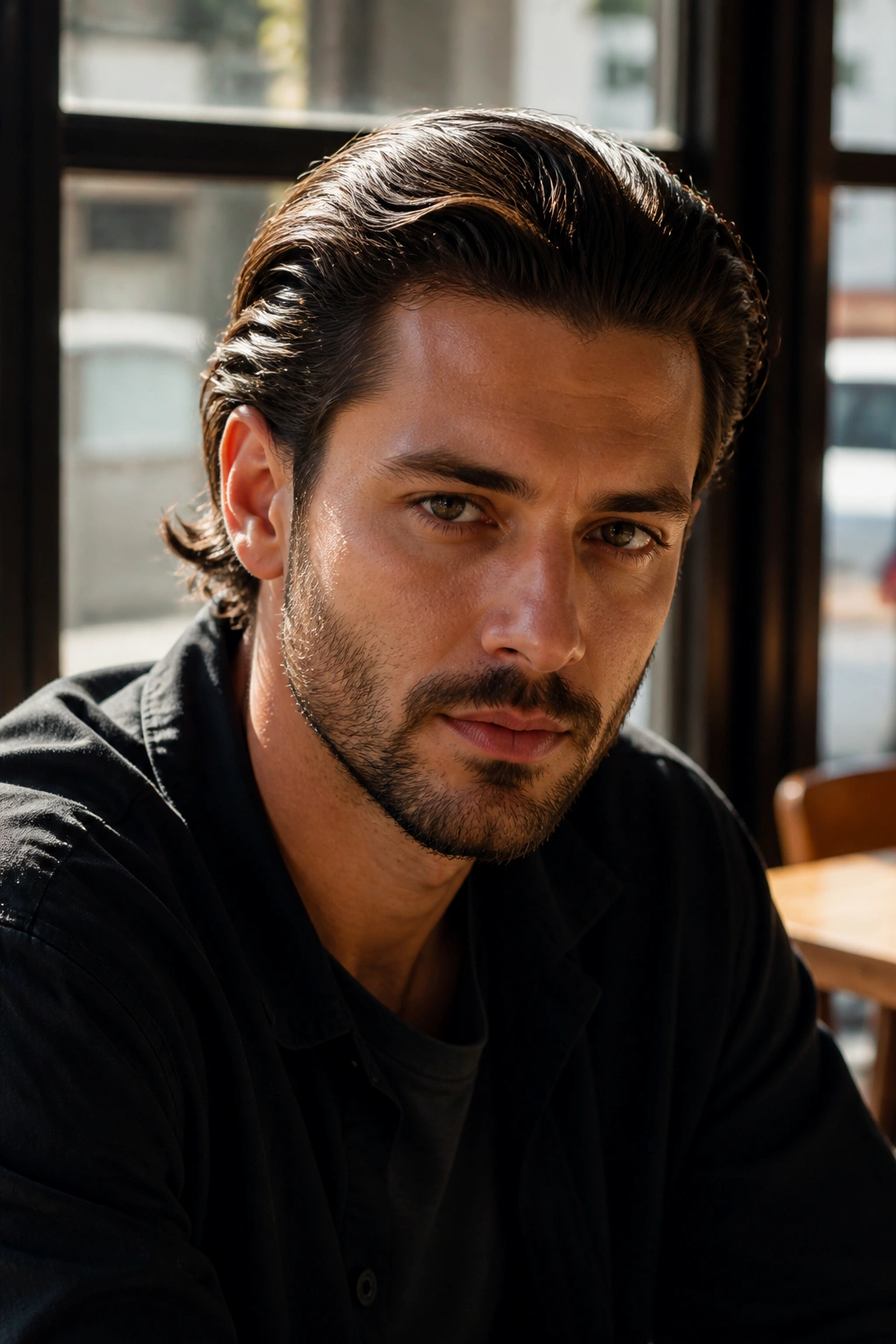
A slick back can look sharp on long hair, but only if the hair still has some life in it. The bad version is crunchy, over-gelled, and glued so flat to the scalp that you can see every bump. The better version has a little bend and a little shine, like the hair was set in place by a careful hand rather than a bucket of product.
This style is strongest on dense straight or slightly wavy hair. Thin hair can get exposed fast, especially at the temples. If your hairline is receding, a heavy slick back can make that louder than you want.
What to Ask For
- Keep enough length on top to brush back cleanly.
- Leave the sides controlled, not puffy.
- Ask for a tidy neckline so the style doesn’t trail off into fuzz.
Work a small amount of pomade or styling cream through damp hair, then comb it back from the forehead to the crown. If you want a little lift, blow-dry first. If you want a closer, wetter finish, skip the dryer and keep the product light but even.
8. Long Hairstyles for Men: Center-Part Layers
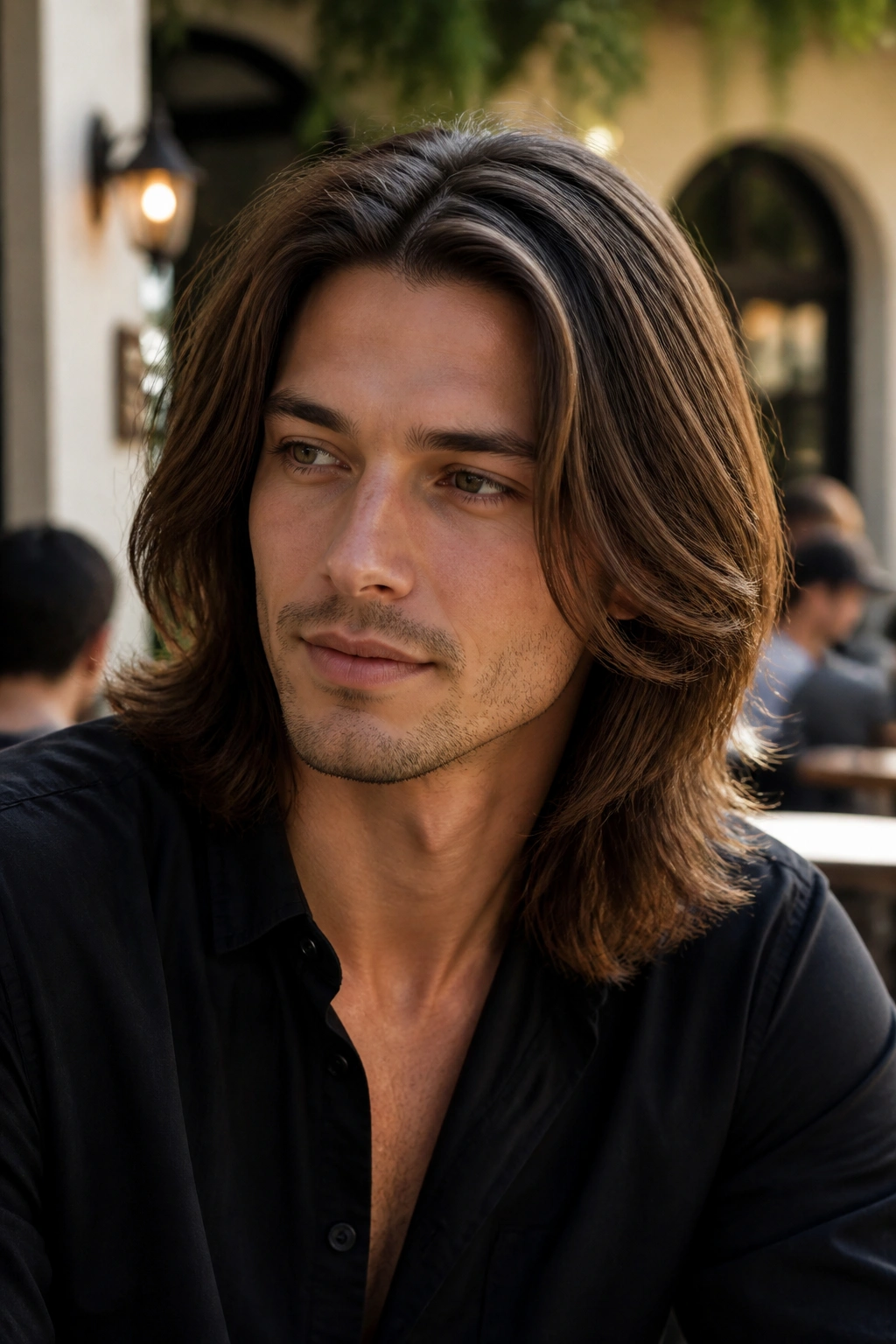
A center part on long hair can look very clean, or very teenage. The difference is in the layers. When the cut is shaped with intention, the part opens the face and lets the hair fall in balanced lines on both sides. When it isn’t, the whole thing can look like it was split with a kitchen knife.
This style suits straight and wavy hair especially well. The hair should frame the cheekbones and jaw, not hang there like a curtain with no shape. A little graduation through the sides keeps the front from dragging your features downward.
How to Ask for It
Tell the barber you want long layers with a soft middle part and movement around the face. That’s the cleanest way to get the idea across. If the top is too blunt, the part will sit stiff. If the layers are too short, it turns into a shag with no plan.
A light styling cream or a few drops of hair oil on the ends are usually enough. The goal is symmetry, not perfection. If the part shifts a little during the day, that’s fine. Hair is supposed to move.
9. Surf Hair With Air-Dried Texture
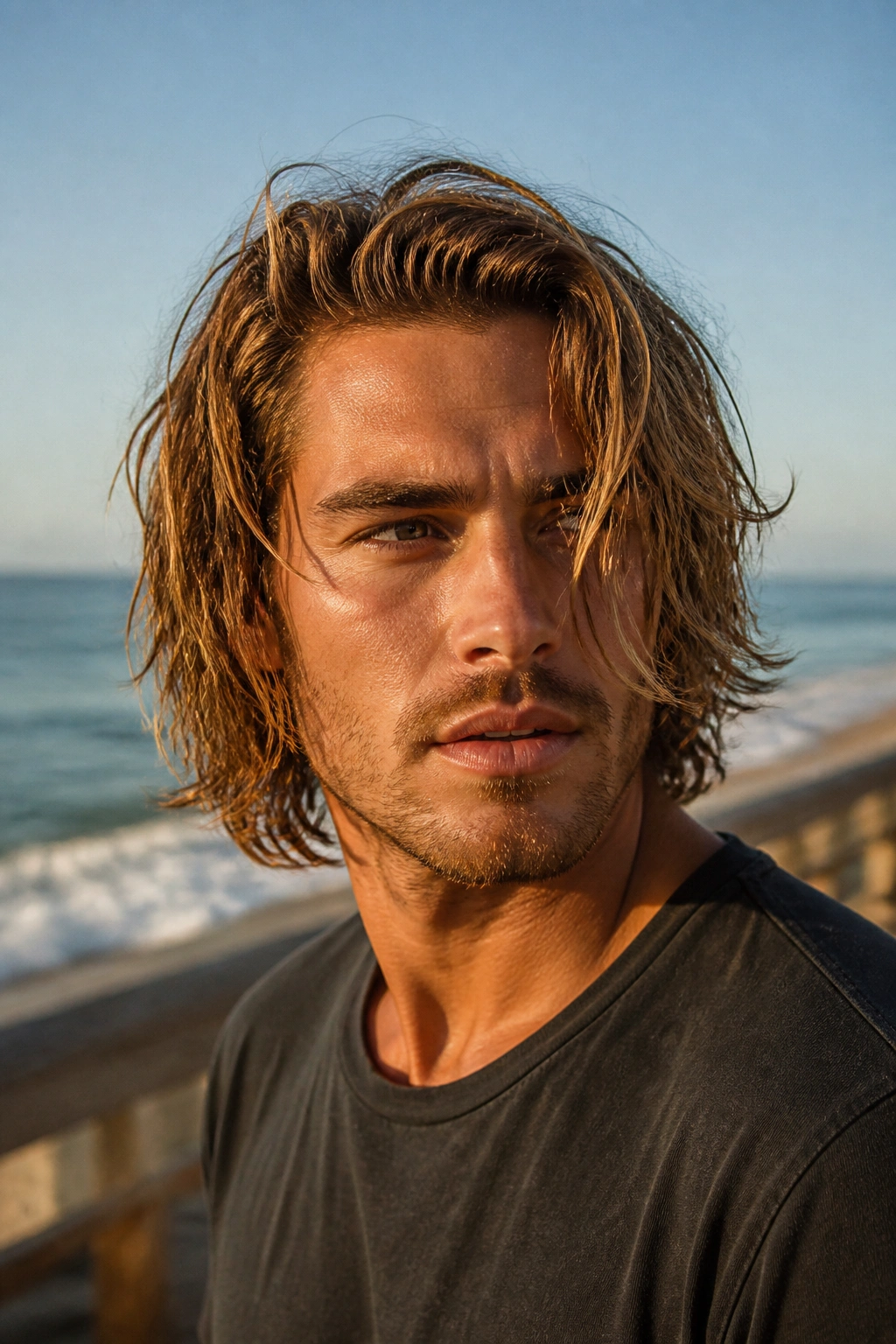
Surf hair looks like you’ve spent time near salt water, even if you haven’t been near a beach in months. It’s looser than a bro flow and less formal than a center part. The texture is the point. The ends should separate into pieces, and the whole cut should feel wind-tossed without becoming sloppy.
This is one of the easiest long hairstyles for men to live with if your hair already has wave or bend. Straight hair can pull it off too, but it needs some help from a salt spray or texture spray. Too much product and it goes from carefree to dry and crunchy.
A small one-sentence truth: air-drying does most of the styling here.
Don’t overbrush it. Don’t flatten it. Don’t panic if a few strands stick out. That’s part of the shape. The style looks better with a little irregularity, which is rare and useful because most long hair styles demand control.
10. Tapered Long Layers That Keep the Shape Light
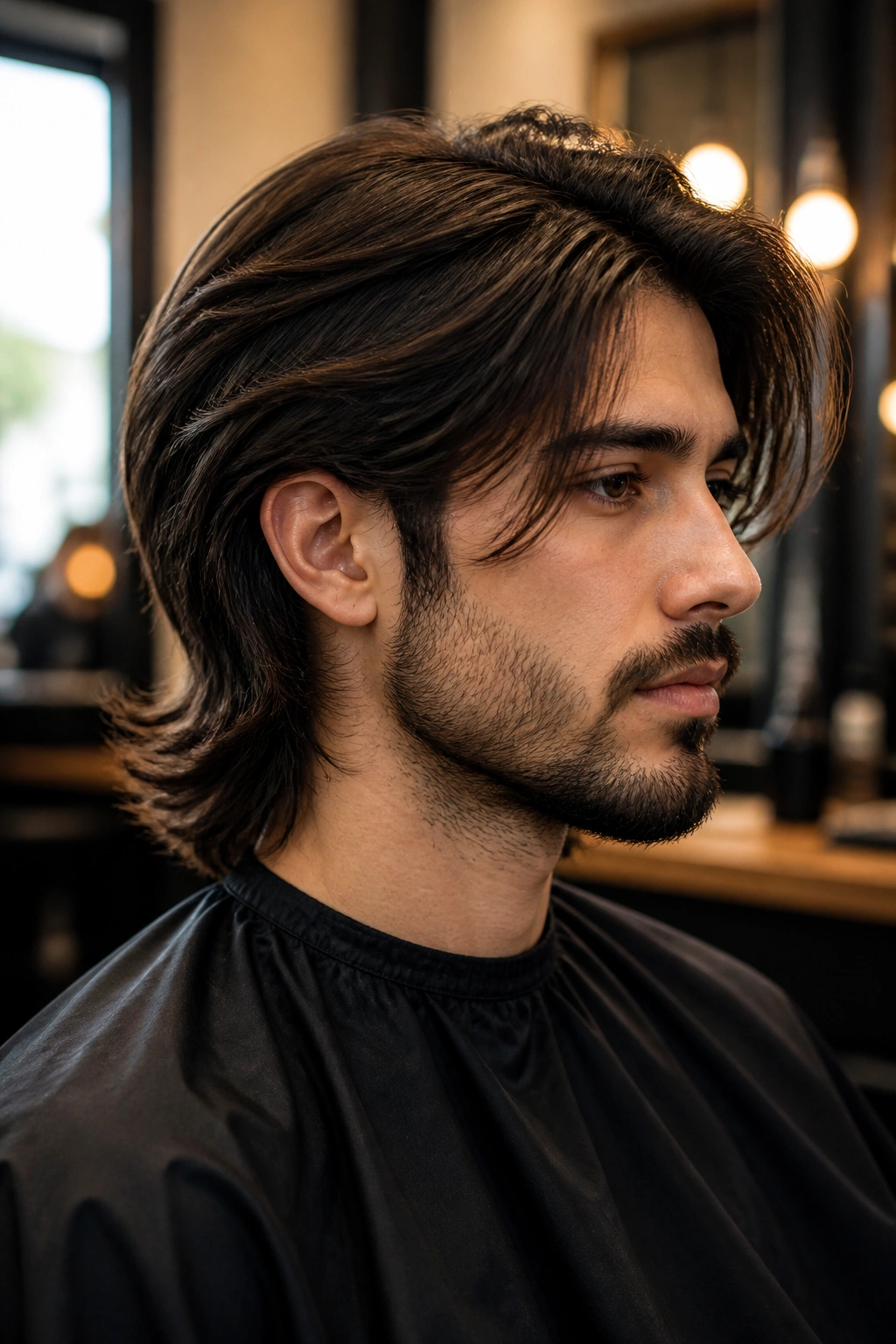
If your hair feels like it’s growing into a blanket, tapered long layers are a relief. The length stays up top, but the sides and nape are cleaned up so the whole shape feels lighter and more workable. This is not the same as an undercut. It’s softer, and it grows out better.
The taper matters a lot here. A neat scissor taper or a controlled clipper fade around the ears and neckline lets the long top keep its drama without making the head look bottom-heavy. That’s the balance.
What to Watch For
- Ask for scissor layering through the crown.
- Keep the neckline low and clean.
- Avoid taking too much off the sides if you still want flow.
- Trim every 6 to 8 weeks to stop the shape from blurring.
This cut is good when you want length but not bulk. It also makes hats fit better, which sounds minor until you actually live with long hair for a while. Then it feels like a gift.
11. The Wolf Cut for Men Who Want Edge
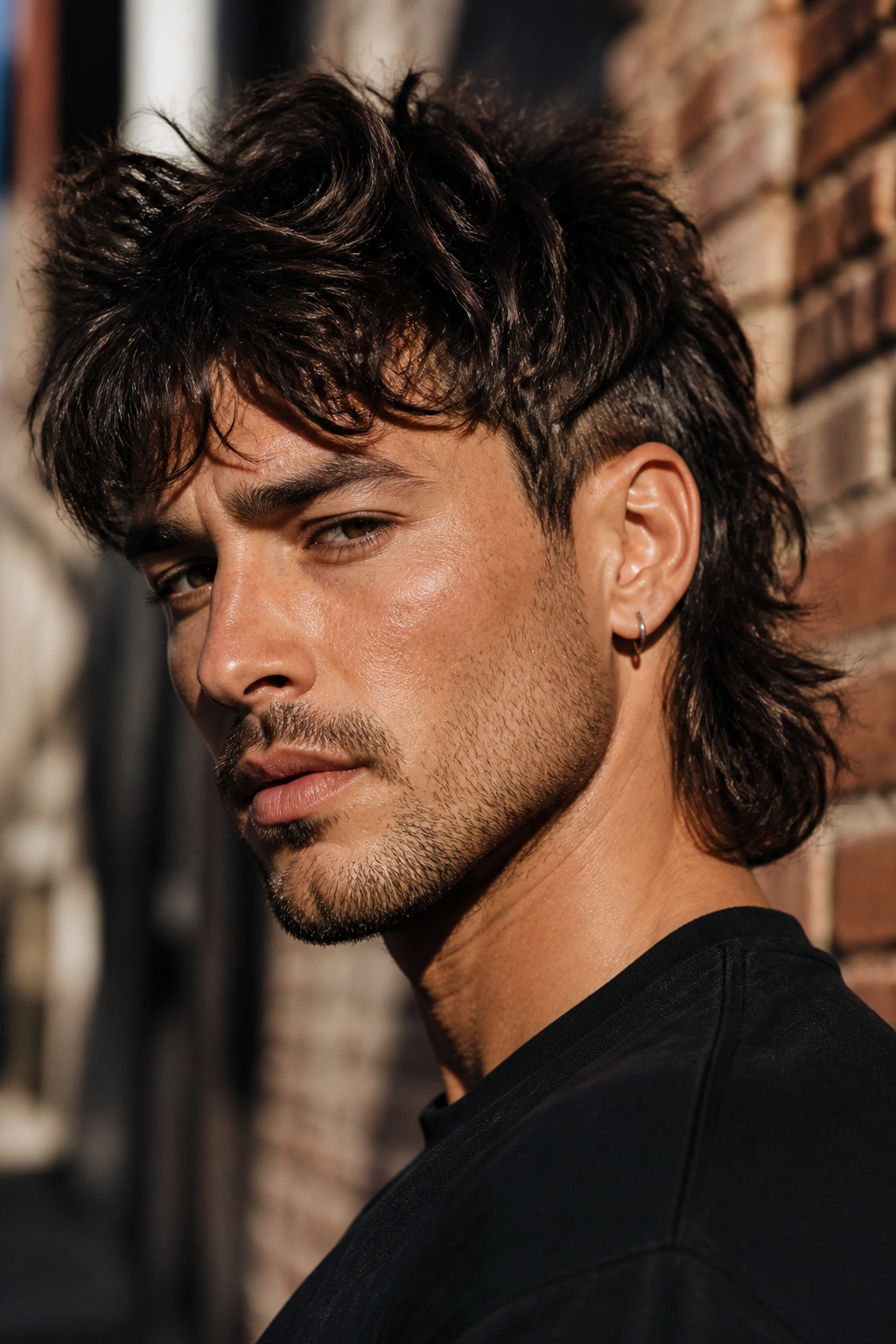
The wolf cut is all choppy layers, uneven movement, and a little bit of attitude. It’s a mess on purpose. The top is fuller, the ends are broken up, and the silhouette can lean wild in a way that a blunt long cut never will.
It works best on thick or wavy hair that can hold texture. Thin hair can end up looking sparse if the layers are pushed too far. So yes, this style has personality. It also has rules.
What Makes It Different
A wolf cut is not just “long hair with some layers.” The shape is rougher. The crown usually has lift, the sides move freely, and the ends are thinned enough to flick around when you move. That flick is the whole point.
A matte paste or texture cream helps define the layers without adding shine. If you want the style to feel sharper, keep the fringe a little piecey. If you want it softer, let the front fall naturally. Either way, this cut looks better when it’s not trying to behave.
12. The Shag That Looks Better Slightly Imperfect
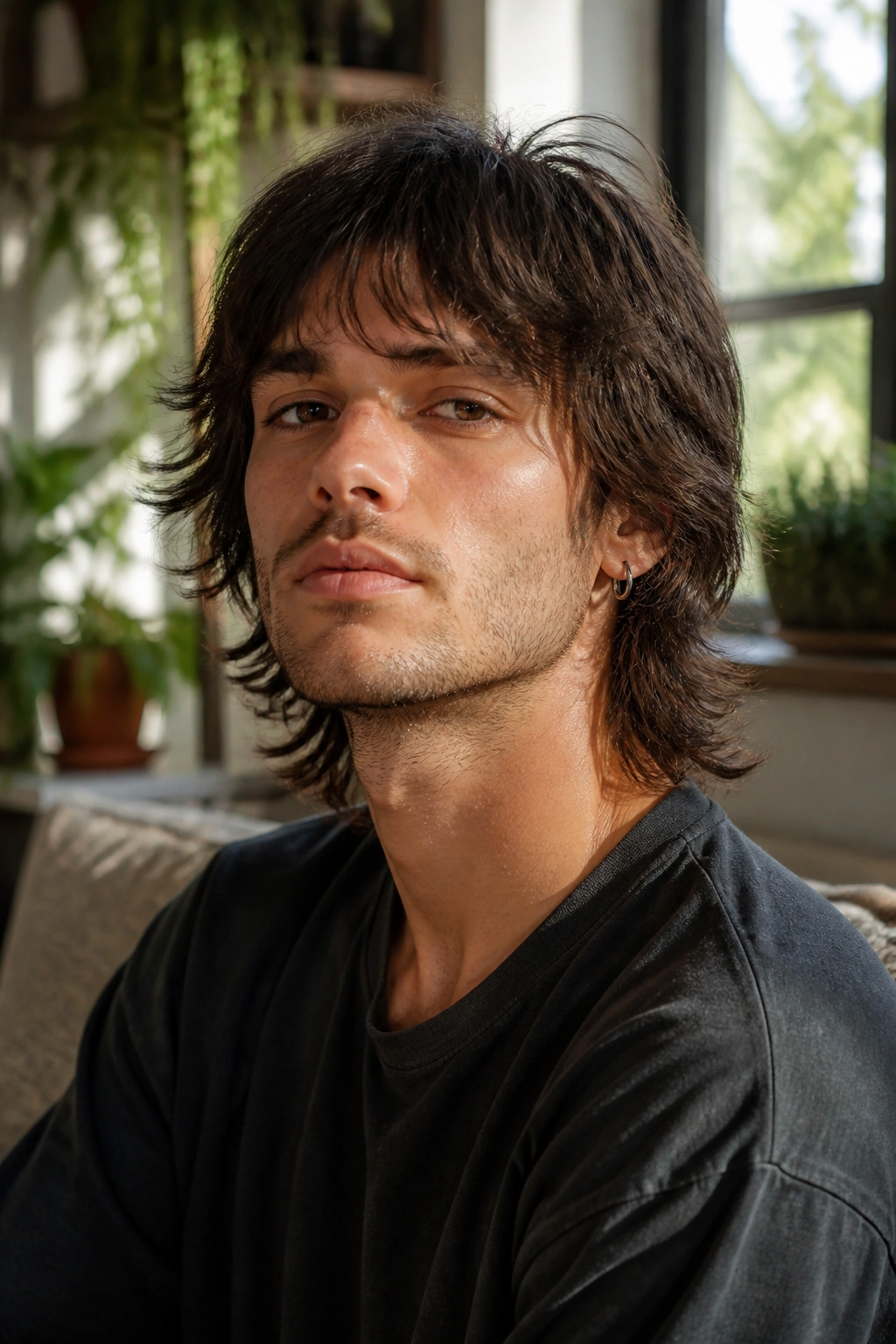
The shag is the wolf cut’s calmer cousin. It still has layers, but the finish is softer and less jagged. The hair falls around the face, the ends are feathered, and the whole thing has that slightly undone look that makes a long cut feel easy instead of overbuilt.
This is a good choice if you want long hair with movement but not too much edge. Straight hair benefits from the lift. Wavy hair gets even more body. Curly hair can work too, but the layers need to be cut with care so the shape doesn’t get too round.
A quick aside: the shag hates heavy product.
Use a light mousse or cream, then let the hair dry with minimal touching. If you keep fluffing it, the layers separate in a bad way. If you leave it alone, the shape settles into something loose and flattering. That’s the charm.
13. The Samurai Bun With a High Tie
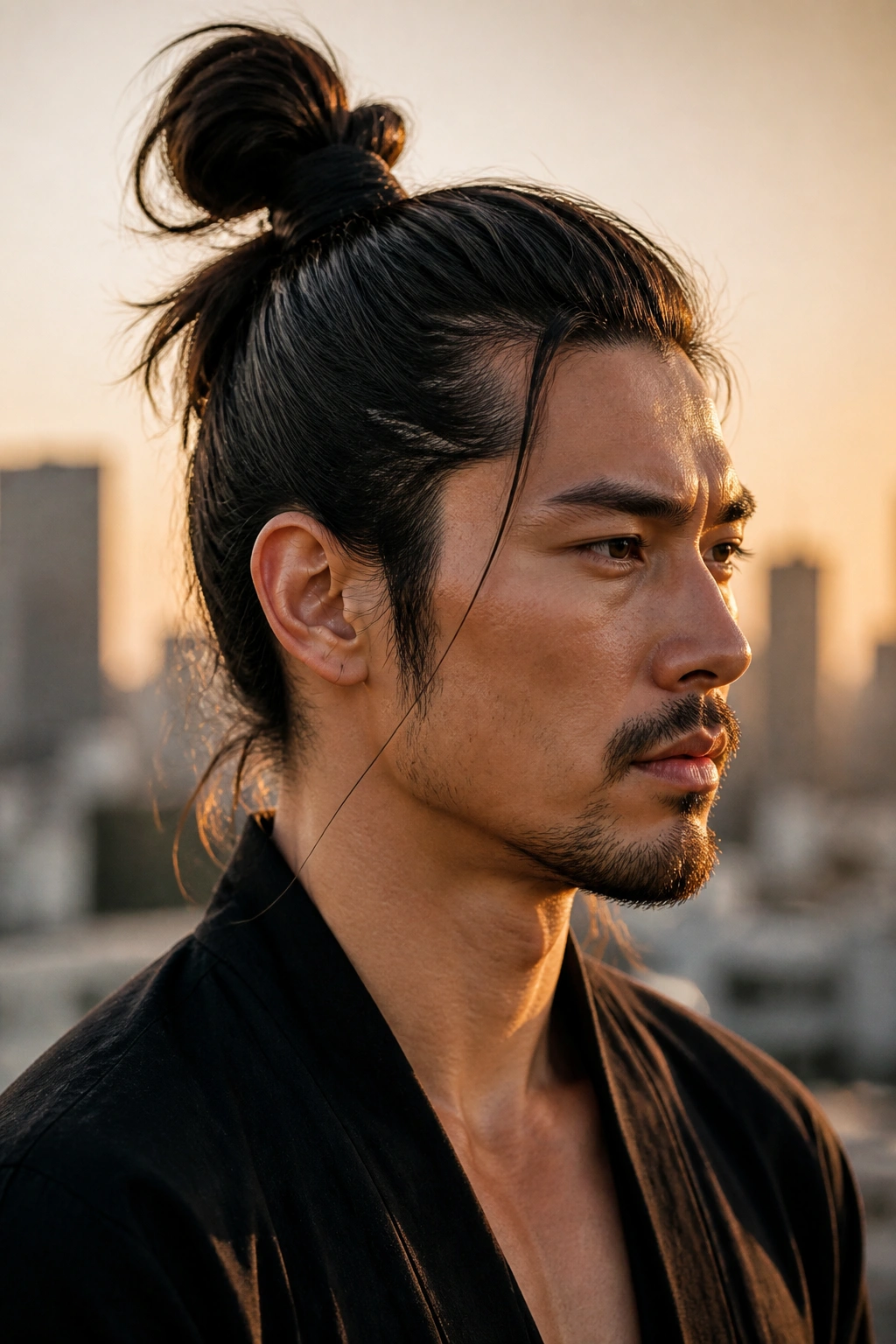
Pull your hair high and the whole face changes. The samurai bun sits above the crown, usually tighter and more deliberate than a low bun, and it creates a strong profile fast. It’s a useful style when you want your hair fully out of the way but still want the length to feel visible.
This works best once the hair is long enough to wrap cleanly without straining the scalp. If you’re forcing it, the style is too early. A high tie should look secure, not painful.
Why People Use It
- It keeps the neck totally clear.
- It looks sharper than a messy bun.
- It works on straight, wavy, and thick hair.
The downside is tension. A high bun pulls harder on the roots, especially if you wear it the same way every day. Switch your part, loosen the tie a little, and give your hair breaks. That’s not fussy advice. It keeps the style from turning into a headache.
14. Long Fringe That Frames the Eyes
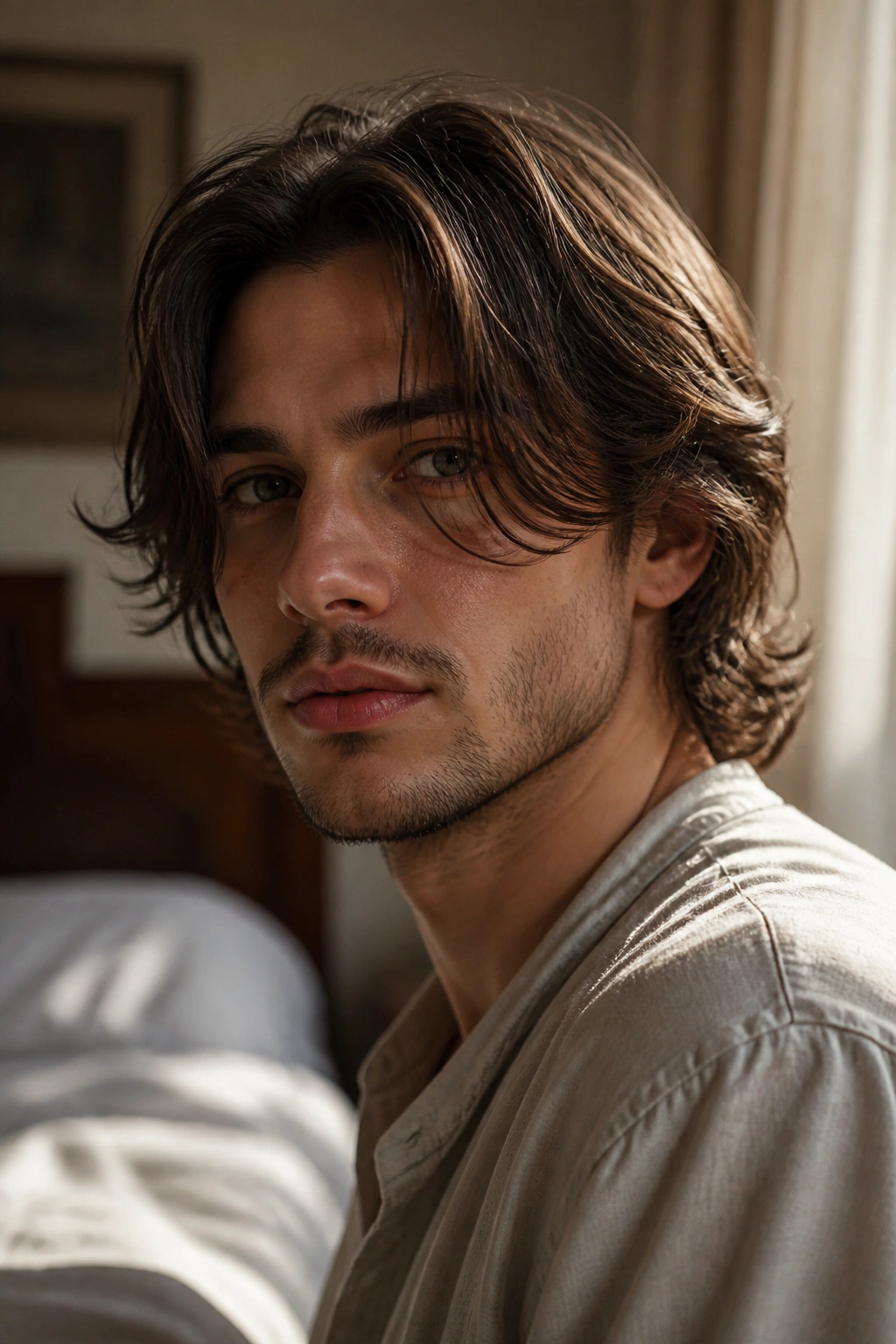
The long fringe is for men who want the front of the haircut to do some work. It brings attention down toward the eyes and cheekbones, which can be a smart move if your face feels a little long or your forehead is broad. The rest of the length can stay looser, but the fringe is what gives the style its character.
The fringe should move, not sit like a slab. If it’s too heavy, it blocks the face. If it’s too thin, it loses the whole point. The sweet spot is enough weight to fall forward, then enough layering to let it separate a bit.
A trim every 4 to 6 weeks keeps it from creeping into your eyes. That’s the part people forget. A long fringe looks easy, but it gets annoying fast when it grows past the brows. You can sweep it aside, tuck it, or wear it piecey depending on the day.
15. The Undercut With a Long Top
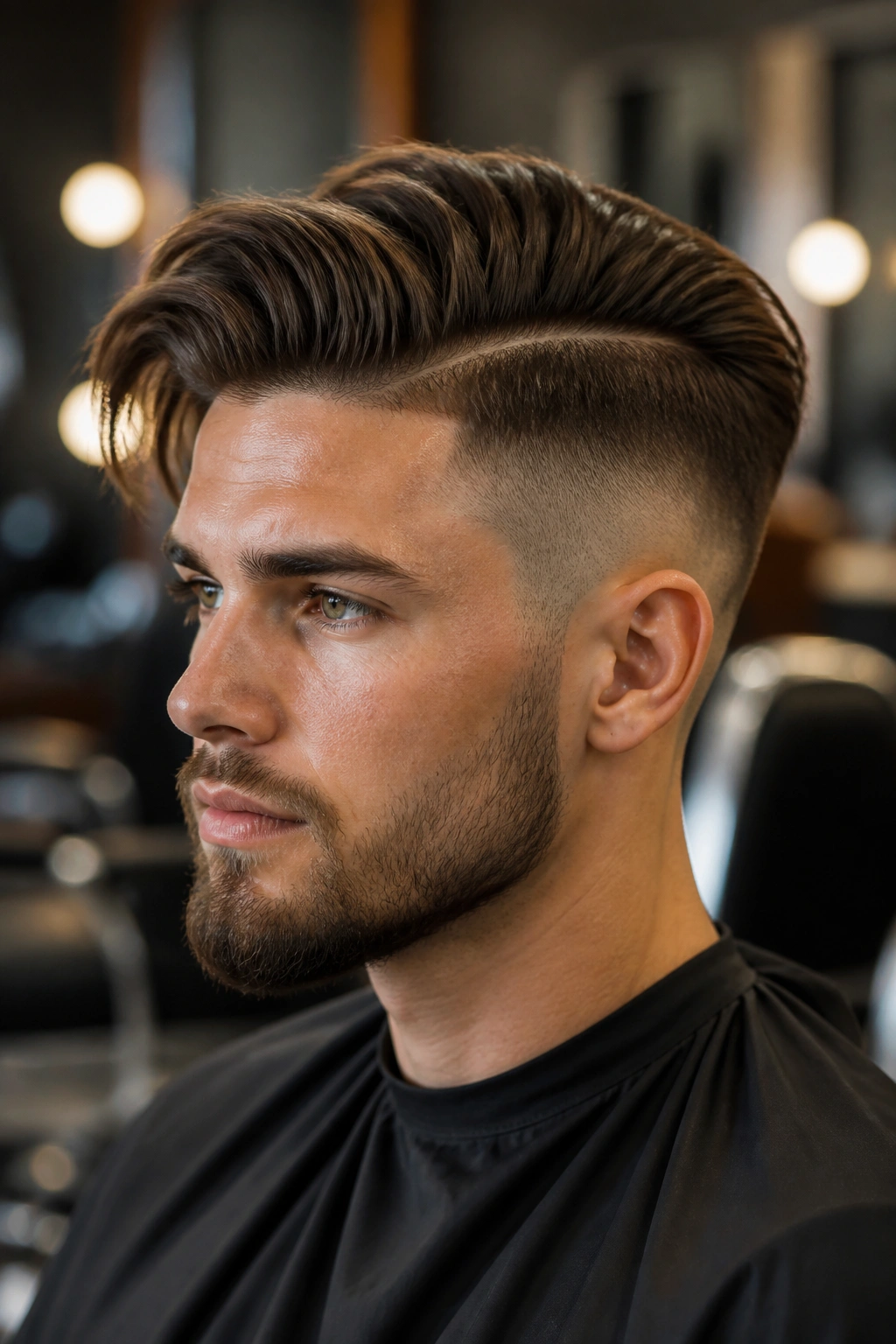
This is the sharpest contrast in the whole lineup. Short sides, long top, clear line. It gives long hair a deliberate shape and keeps the bulk from spreading everywhere. If you like a style that looks like it has edges, this is a solid pick.
The cut can be worn several ways: slicked back, tied up, parted, or left loose and textured. That flexibility is what makes it useful. One haircut, four moods.
What to Ask For at the Chair
- Keep the sides tight but not shaved to skin unless you want a stronger contrast.
- Leave enough length on top to tie back or push over.
- Blend the transition carefully if you want a softer grow-out.
The one thing to know is that this cut grows out in stages. The line between short and long gets fuzzy after a while, and some people love that. Others don’t. If you hate awkward grow-out phases, keep the maintenance regular.
16. Dreadlocks That Hold Their Own Shape
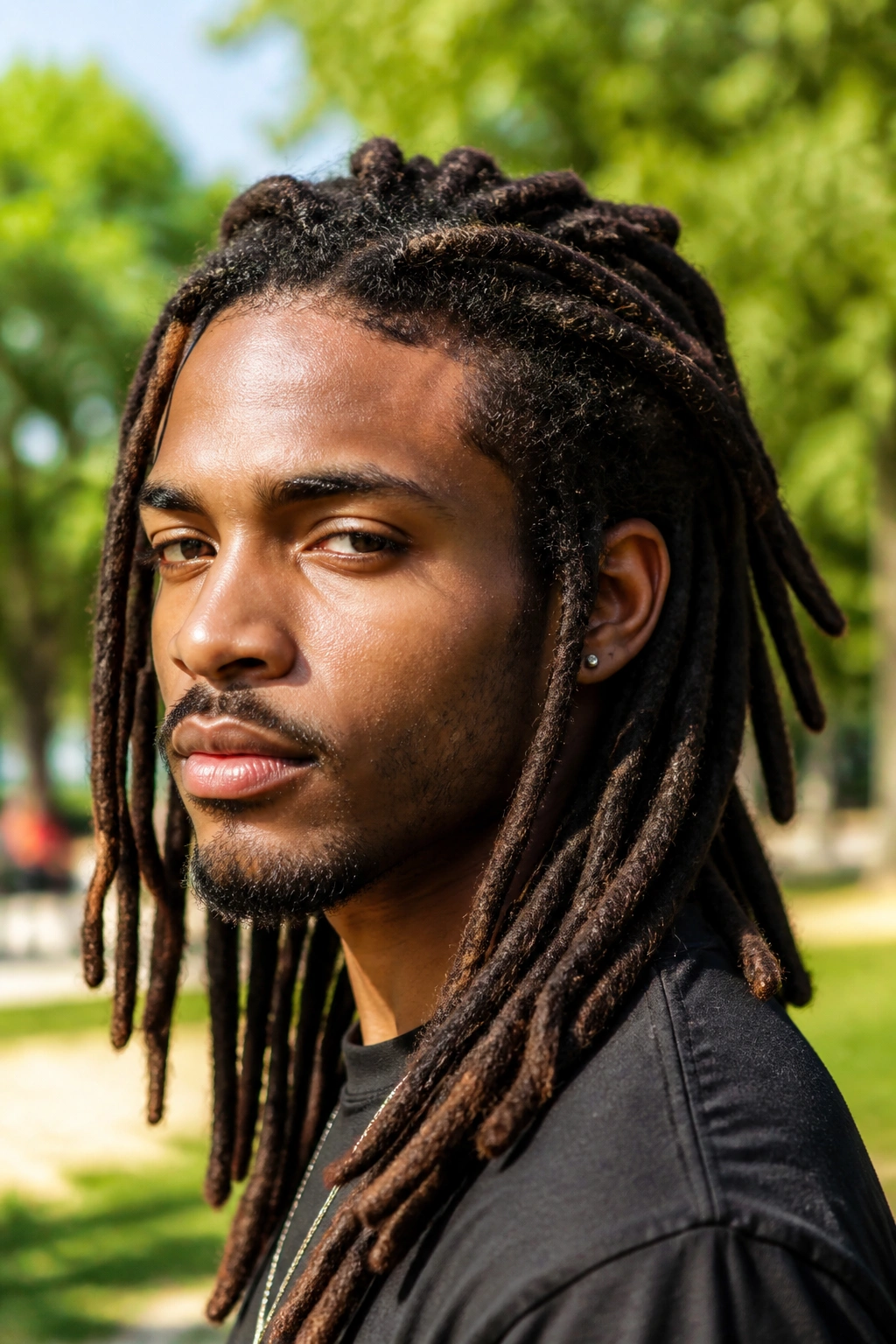
Dreadlocks are not a casual haircut. They’re a commitment, and they age differently than loose hair. Once they’re formed well, though, they give long hair a heavy, sculpted look that’s hard to mistake for anything else.
What matters most is the starting size, the sectioning, and the maintenance. Small locks fall differently than chunky ones. Tight sections look neater but need careful scalp care. Medium or larger locs have more visual weight and often feel easier to live with if you want movement.
A healthy scalp matters here more than almost anywhere else. Keep the roots clean, moisturize without soaking the hair, and avoid pulling the locks too tight during retwists. That part is not optional. Tight tension can hurt the scalp and thin the hairline over time.
The shape can be pulled back, tied, worn loose, or combined with fades and undercuts. It’s one of the most flexible long styles on the list, but it rewards patience more than impulse.
17. Box Braids With Clean Parting
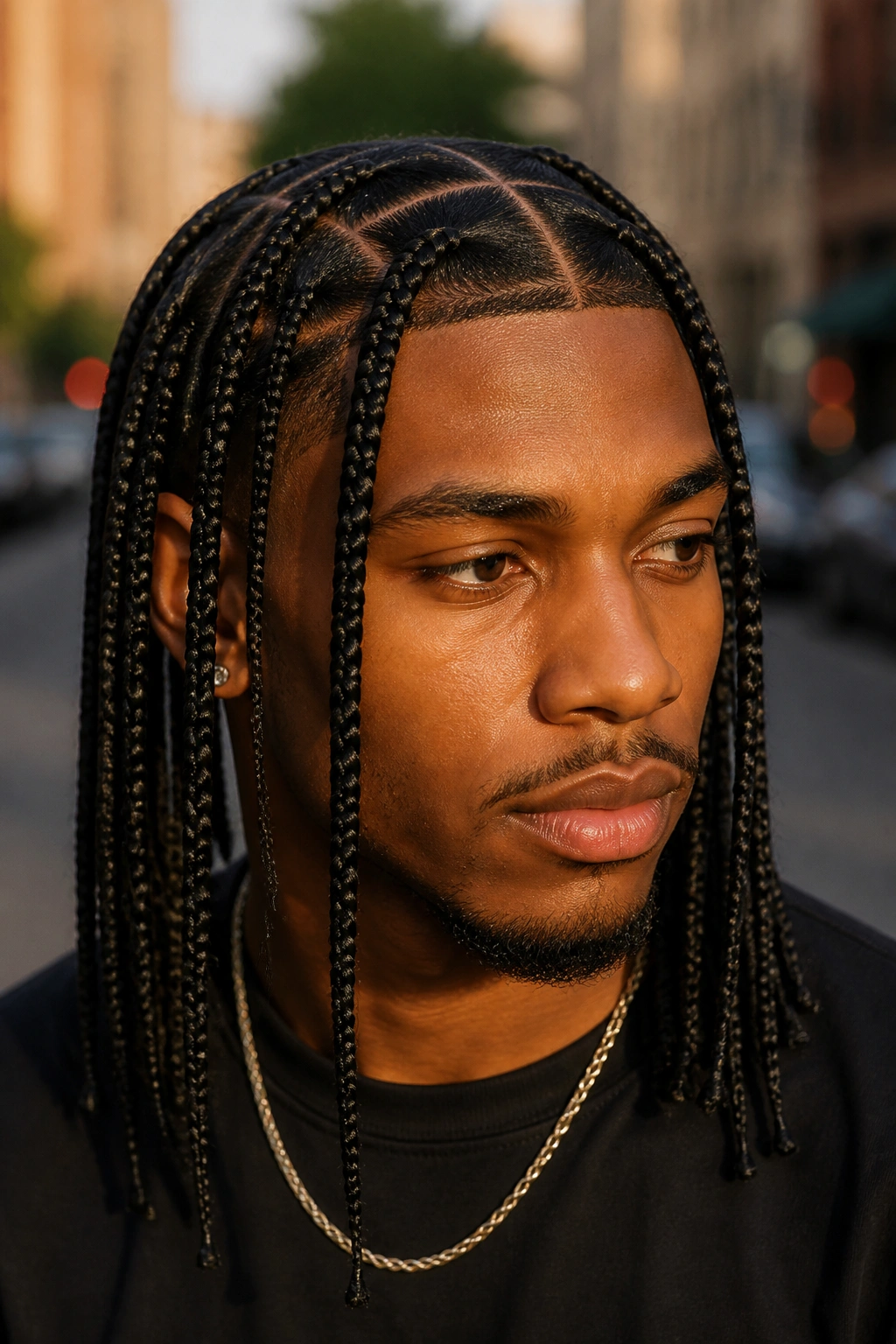
Box braids give long hair a strong, organized look right away. The parting is what makes them read so clean. Square or rectangular sections keep the base neat, and once the braids are in, the length hangs in a controlled way that works well for both casual wear and more dressed-up settings.
Thicker braids usually install faster and feel easier on the scalp. Smaller braids give more movement and a finer finish, but they can take longer and put more stress on the hair if they’re too tight. That tradeoff matters.
Use a scalp moisturizer and don’t ignore the roots. A neat braid can still become itchy if the scalp dries out. Also, the ends should be sealed properly so they don’t fray right away. Tiny detail. Big difference.
This style can be worn loose, tied back, or gathered into a bun. It’s practical, yes, but it also has presence. The clean lines do a lot of work.
18. Two-Strand Twists for a Softer Finish
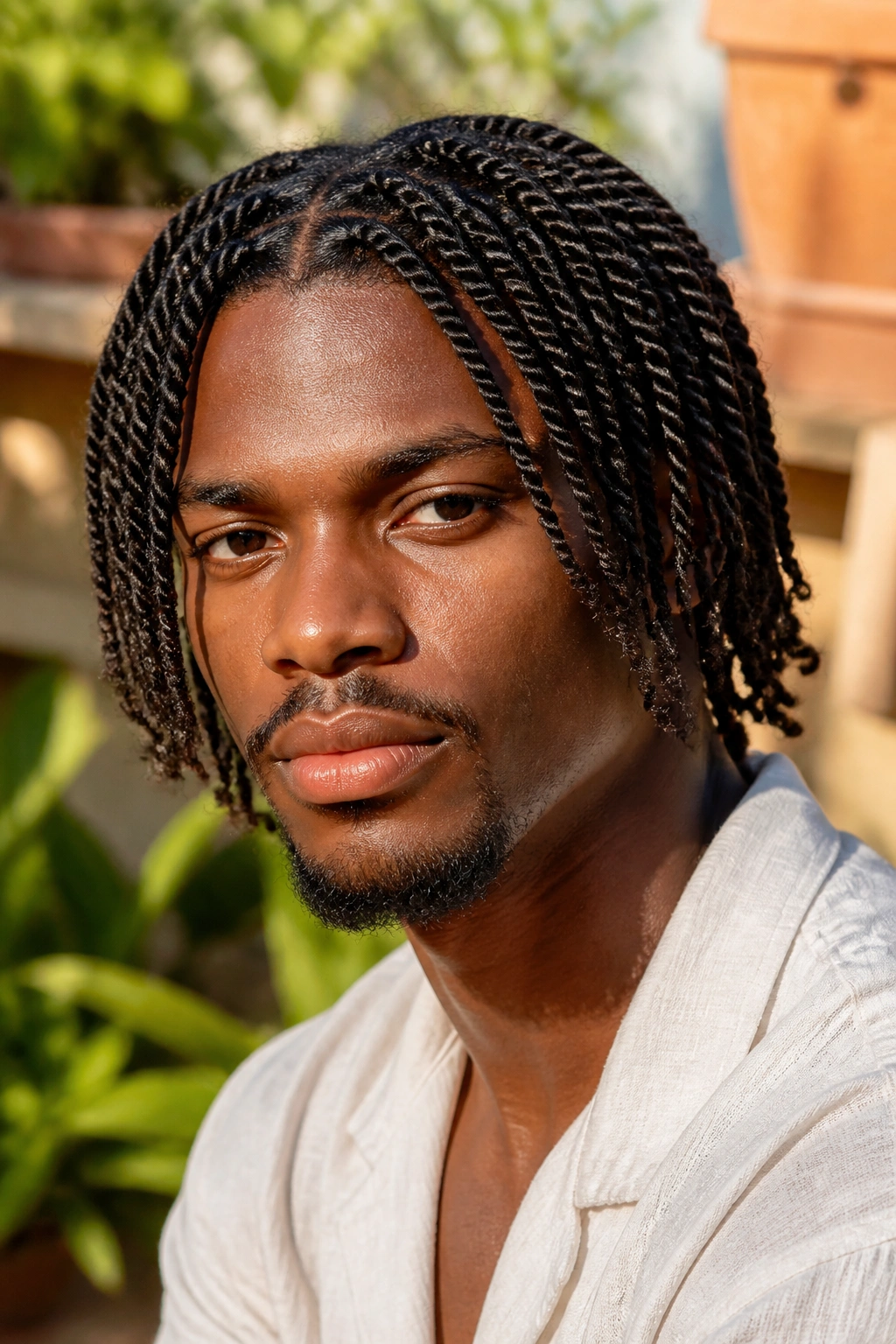
Two-strand twists sit somewhere between braids and loose curls. They look softer than box braids and feel a little more casual, which is why a lot of men like them when they want structure without a hard edge. The twist pattern gives the hair shape, and the length falls with a bit more swing.
They work especially well on coily or kinky hair. Chunky twists create a fuller shape. Smaller ones give a neater look and usually last longer before frizz takes over. Both are valid. The question is which finish you want.
Why They’re Worth Trying
- They put less visual tension on the head than tight braids.
- They can be worn loose or pinned back.
- They unravel into a twist-out if you want extra volume later.
A cream with a bit of hold is enough for most twist sets. Heavy gels tend to make the hair feel stiff. The style lives or dies on parting and section size, so take your time there. Rushed twists rarely look clean.
19. The Natural Afro With Full Length
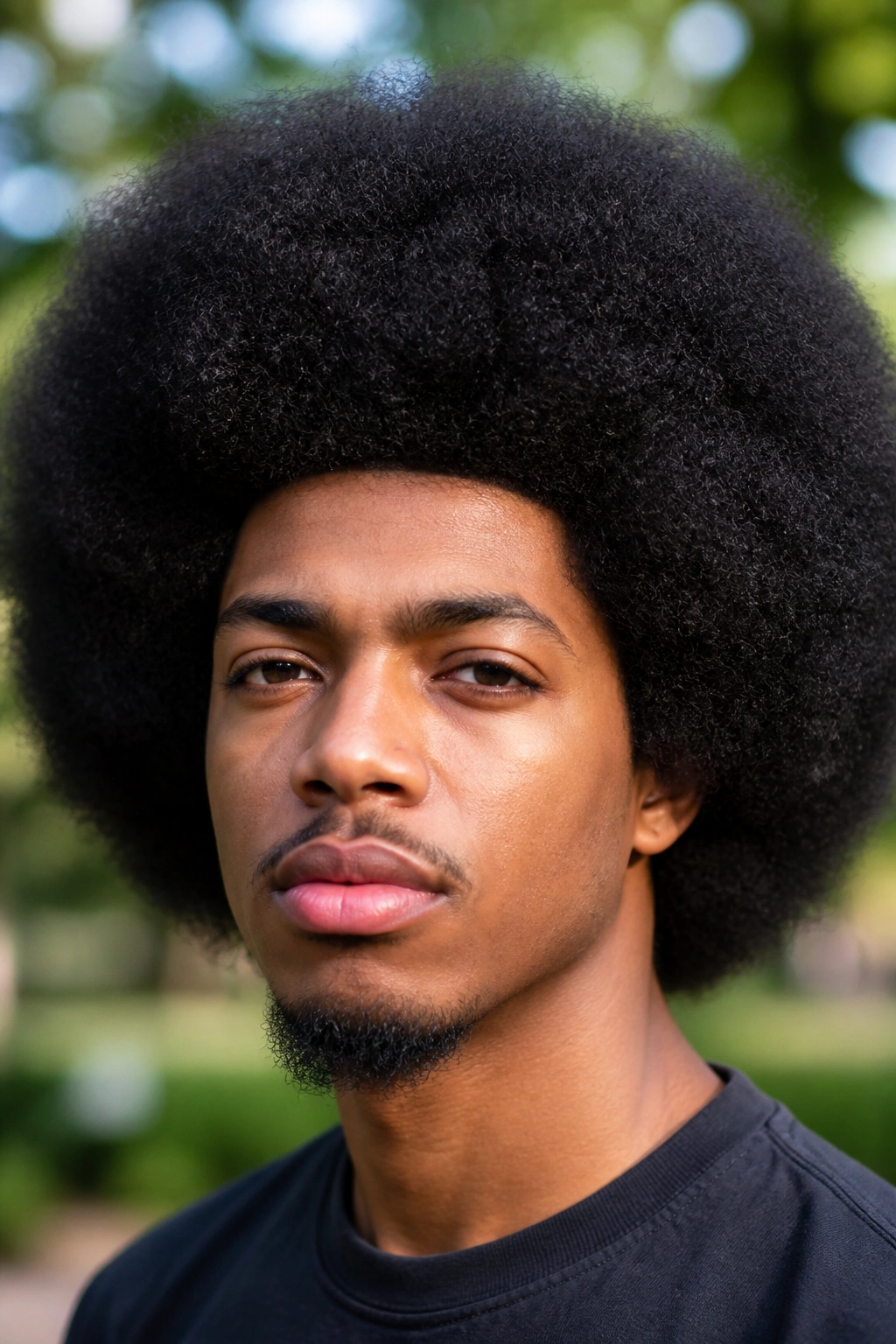
A long afro is about shape as much as length. The silhouette matters more than the exact number of inches, because coily hair shrinks, puffs, and expands in ways straight hair never does. A good afro has a clear outline, a healthy sheen, and enough moisture to hold its form without looking dry.
The cut should respect the head shape. Round, square, or slightly tapered shapes all work, but the outline needs intention. A shape-up around the edges can sharpen the whole look, while too much trimming in the wrong place can make it look uneven.
Moisture is the backbone here. Leave-in conditioner, a light oil, and occasional detangling go a long way. If the hair feels brittle or rough, the style will show it. Loudly.
This is one of those cuts where confidence helps, but care matters more. You can’t fake a healthy afro for long. The hair either has the bounce or it doesn’t.
20. Shoulder-Length Curls That Keep Their Bounce
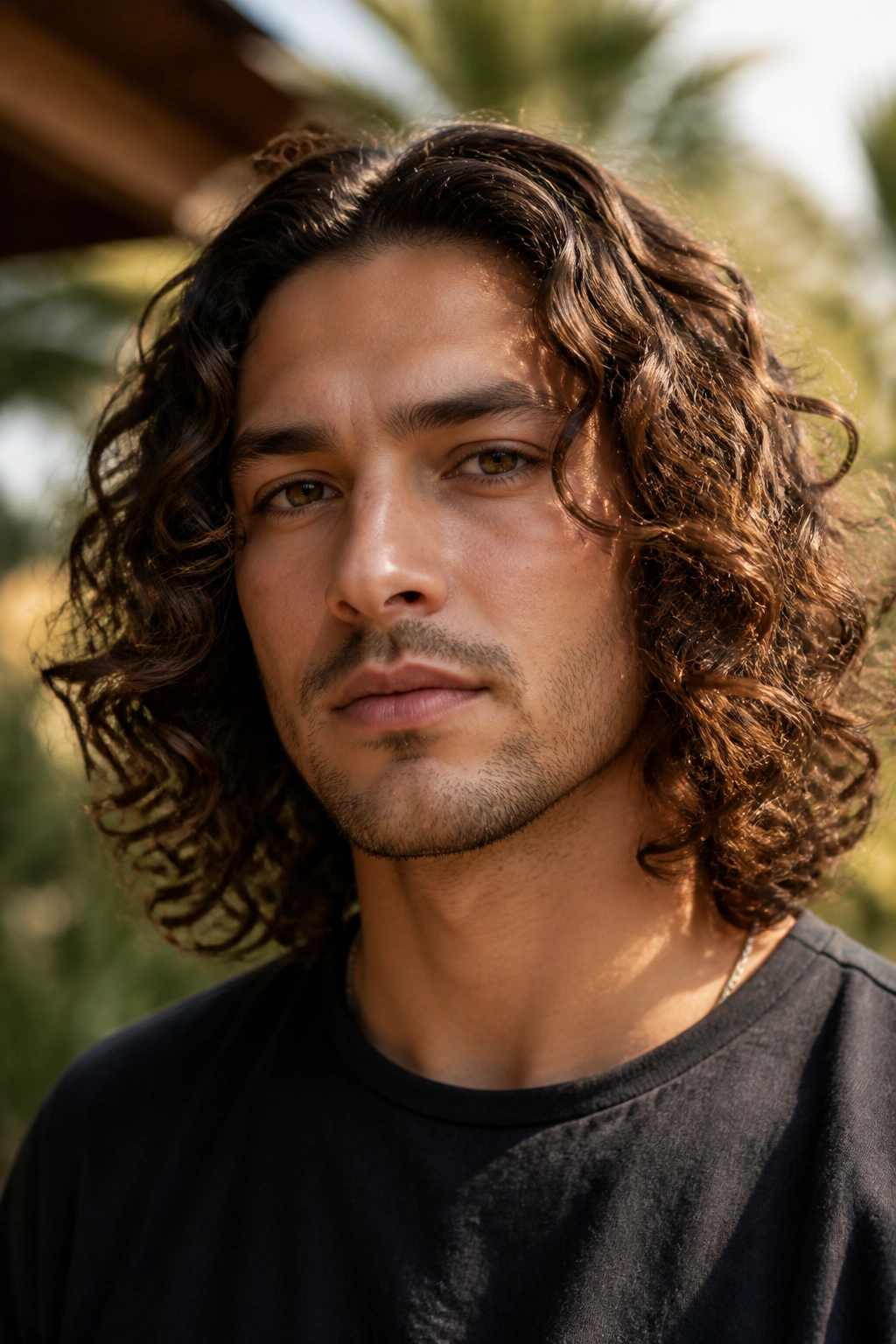
Curls at shoulder length can look rich, relaxed, and a little dramatic in the best way. The key is keeping the curl pattern intact while shaping the ends so they don’t balloon into a triangle. That means layers, moisture, and a barber who understands curly hair rather than fearing it.
If the curls are brushed dry, they’ll frizz. If they’re cut bluntly with no layering, they can pile up at the bottom and feel heavy. If they’re treated well, though, they fall in soft rings or bends that move naturally around the face and neck.
How to Keep the Shape
Use curl cream on damp hair, then scrunch gently. A diffuser on low heat helps if you want more definition. Finger-combing is better than a brush once the hair dries. And if the ends start looking puffy, the haircut probably needs a small cleanup rather than more product.
This style is one of my favorites when the curl pattern is strong. It looks alive. That matters.
21. The Side-Part Sweep With a Tailored Finish
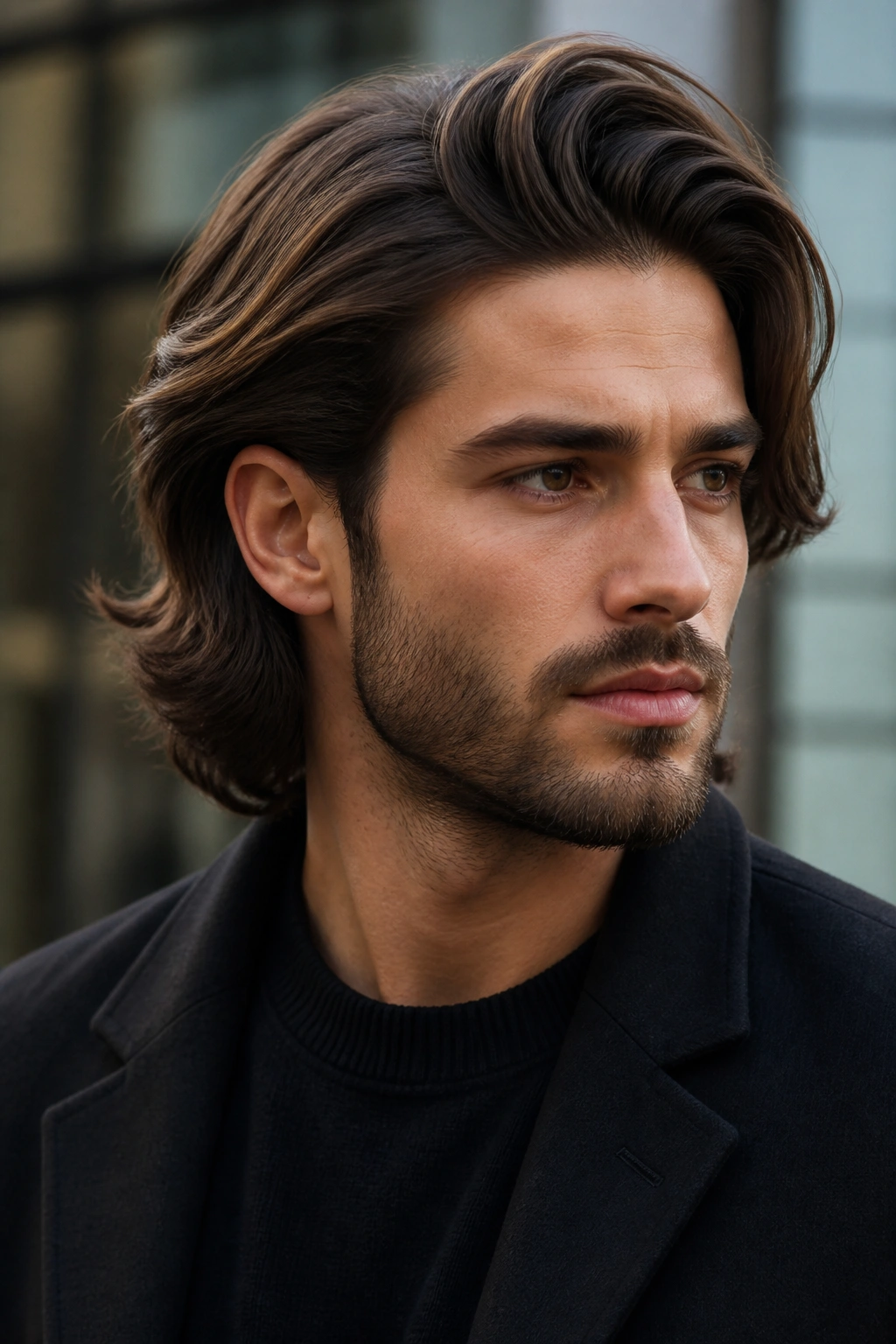
The side-part sweep is the long hairstyle for men who want polish without giving up length. One side carries a little more weight, the top sweeps across cleanly, and the result feels more tailored than a center part or a shag. It works especially well when the hair has enough density to hold the sweep.
This style suits straight and wavy hair nicely. The part acts like an anchor, so the rest of the hair can move without losing the shape. A medium-hold cream or light pomade is usually enough to keep it in place during a normal day.
What to Watch For
- Keep the part natural-looking, not carved.
- Don’t flatten the top too hard.
- Maintain a clean edge around the ears and neckline.
It’s a quietly confident style. Not flashy. Not trying too hard. That’s exactly why some guys keep coming back to it.
22. Hair Tucked Behind the Ears
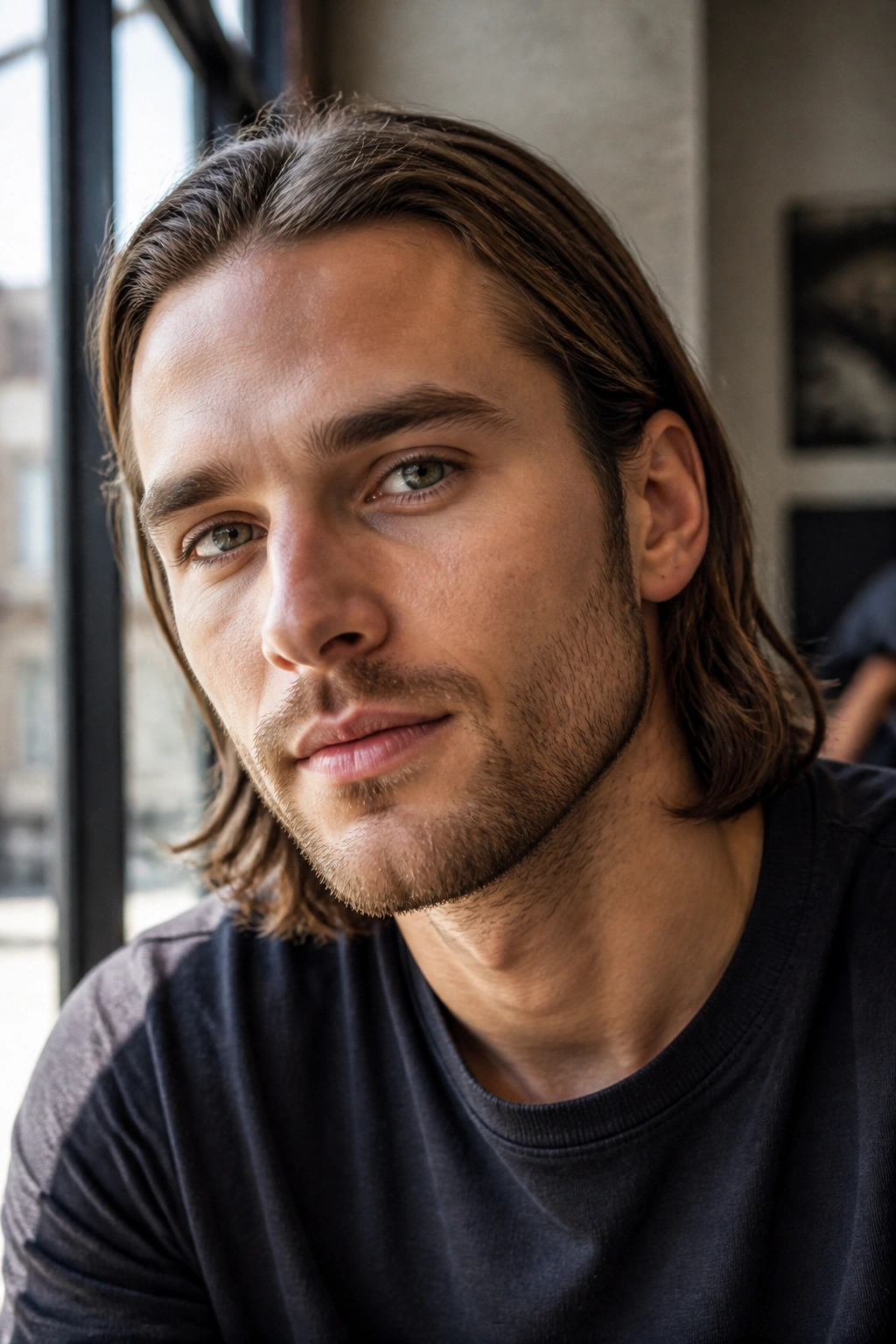
This is one of those long styles that barely looks like a style at all, which is part of the appeal. Hair tucked behind the ears shows the length while keeping the face open, and it works especially well during the in-between stage when your cut is growing but not yet settled.
The shape depends on the haircut underneath. If the sides are too bulky, the tuck looks accidental. If there’s a light taper and a little layering around the temples, the whole thing feels deliberate. That small adjustment matters more than people think.
A tiny amount of leave-in cream or smoothing lotion helps the front stay put. You do not need a ton. In fact, too much product makes the hair slide forward again. Strange but true. The style is at its best when it feels casual and a little lived-in, not forced into place.
Glasses wearers tend to like this one. It keeps the hair from crowding the frames and gives the face some air.
23. The Long Mullet Done With Intention
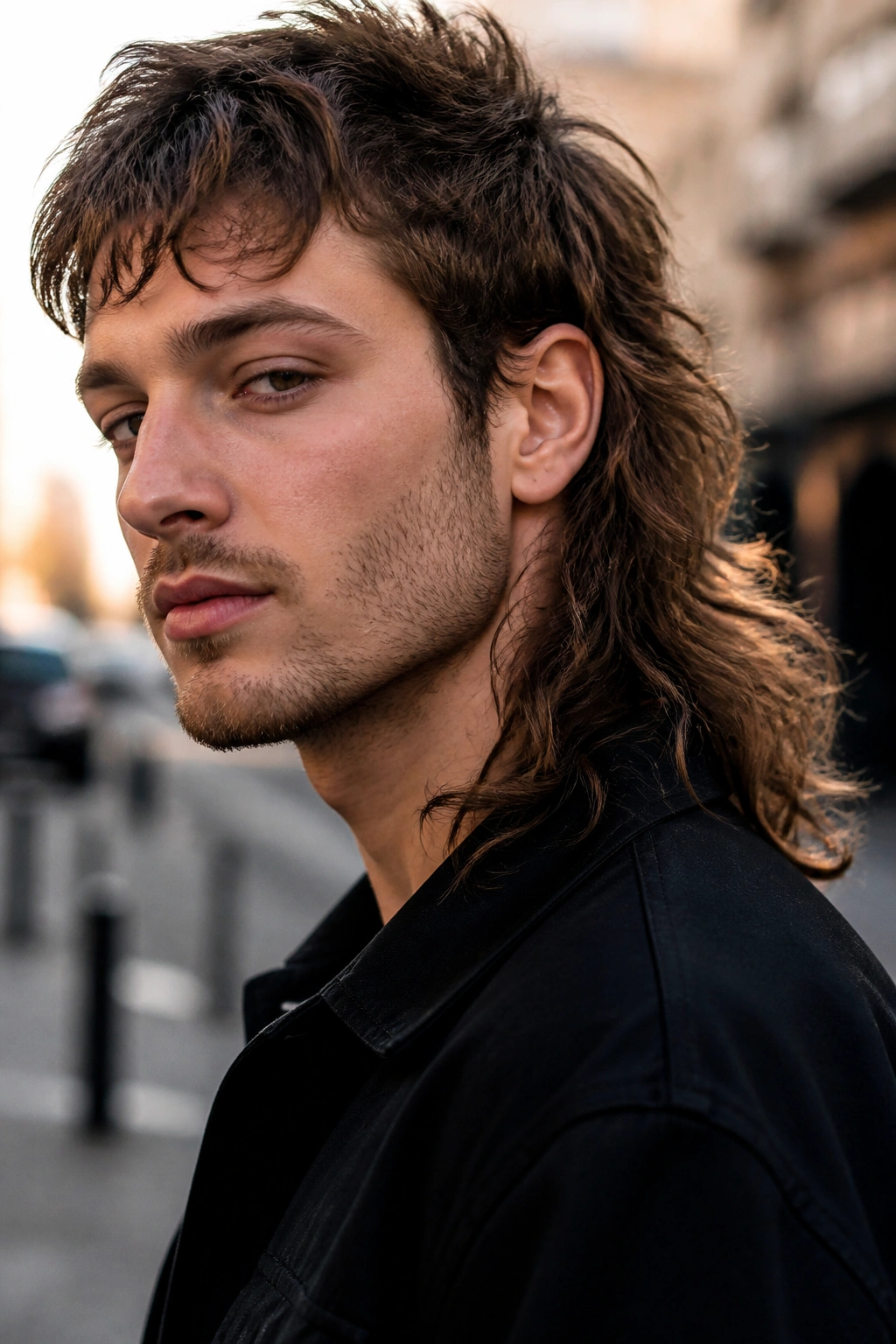
A long mullet works only when it looks intentional. That means the front and sides need enough structure to support the length at the back. If everything is left to grow equally, you don’t get a mullet; you get a shape problem.
The modern version has texture, not chaos. The top can be layered, the sides kept tighter, and the back left longer with enough flow to show the contrast. Wavy hair is a natural fit here, but straight hair can do it too if the cut has enough movement built in.
Keep It From Looking Like a Costume
A little product on the crown and fringe helps separate the layers. Matte cream is usually better than heavy gloss. If the back is too flat, ask for more internal movement. If the sides puff out, the taper needs adjusting.
This style is not for everyone. That’s the honest answer. But on the right guy, with the right hair, it looks sharp in a way that feels a little rebellious without turning into a joke.
24. V-Cut Layers Through the Back
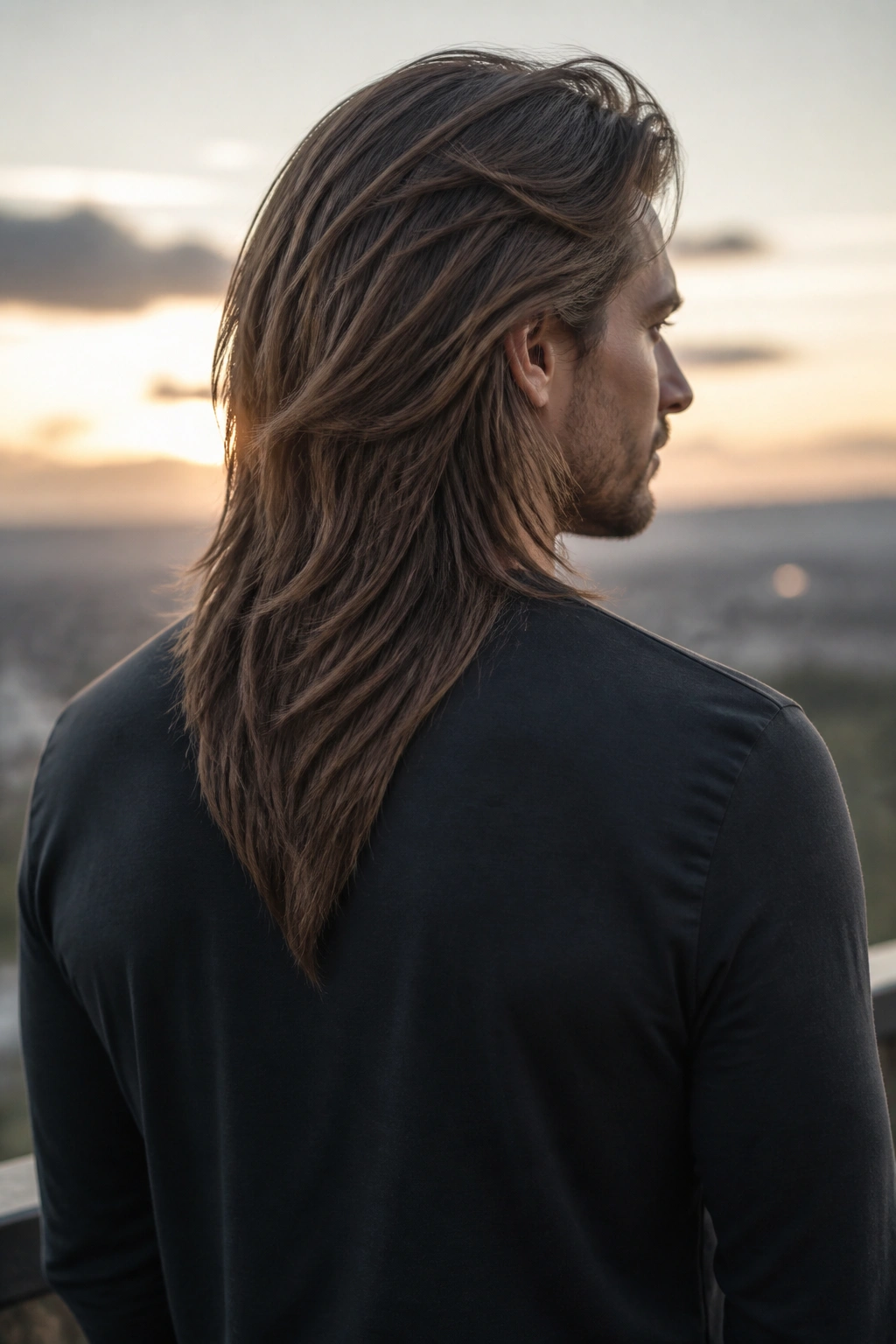
The V-cut is one of the cleanest ways to shape long hair from behind. Instead of a blunt line across the back, the length tapers down into a subtle point. It sounds like a small detail. It changes the whole silhouette.
This works especially well on thick straight or wavy hair because the V shape removes some of the visual heaviness at the bottom. It also looks good when the hair is tied back, since the shape still shows through. That’s a bonus if you wear buns or ponytails a lot.
The cut needs precision. If the angle is too sharp, it can look dated. If it’s too soft, it doesn’t read as a V at all. So this is one of those styles where the barber’s eye matters more than the trend name.
Keep trimming the ends before they split. A V-cut shows damage fast because the point is the part everyone notices. Healthy ends make the whole thing work.
25. Wet-Look Sweep Back for Gloss and Control
The wet look is bolder than a normal slick back. It has more shine, more definition, and a more styled finish that can feel dressy or a little fashion-forward depending on the cut around it. If you want long hair to look deliberate at night, this style has range.
Start with damp hair. Not soaking, not dry. Work in gel or a gel-cream from roots to ends, then comb everything back or slightly to the side. The finish should look glossy, but not greasy. Flakes are the enemy here, so don’t pile on product.
This style is strongest when the sides stay neat and the top has enough length to hold direction. It pairs well with sharp collars, tailored jackets, and any setting where you want the hair to look set rather than loose.
A quick caution: if your hair is fine, use less product than you think. Fine hair can collapse under weight fast. Heavy hair can take more.
26. The Long Quiff With Lift at the Front
The long quiff is what happens when you want long hair but still want height. The front is brushed up and back, the sides stay controlled, and the shape gives the face a little more vertical line. It works especially well if your hair has natural density and a bit of bend.
This is not a lazy style. It usually needs a blow-dryer and some intention. Use a round brush or even your fingers to lift the front while drying, then lock it in with a matte paste or light mousse. The lift should look soft, not like a helmet.
If the top falls forward too fast, the cut probably needs more internal layering or a bit more length at the front. If the sides puff out, the barber needs to clean up the blend. Both fixes are common.
The quiff is a good choice for guys who want long hair to still read polished. It has presence. It also holds up better than people expect when the shape is cut right.
27. Viking Braids That Make the Length Feel Strong
Viking braids can be as simple as one strong braid down the center or as layered as a set of braids mixed with loose lengths and tied sections. The style has a lot of visual force, which is why it works best when the braid pattern is neat and the scalp is kept healthy.
This is not a style you rush. Parting matters. Section size matters. Tension matters most of all. Too tight, and the scalp gets angry. Too loose, and the braid loses its clean line. Medium tension is the sweet spot.
A Few Things Worth Knowing
- Thicker braids read bolder and usually feel easier to wear.
- Smaller braids stay neat longer but take more time.
- A clean fade or undercut can sharpen the look if you want contrast.
The style can feel costume-like if the braids are overdone or if the rest of the cut doesn’t support them. Keep the shape grounded. That’s the difference between a strong braid style and a theatrical one.
28. Straight Shoulder-Length Hair With a Clean Edge
Straight shoulder-length hair is brutally honest. There’s nowhere to hide split ends, bad layering, or a weak outline. That’s why it works so well when the hair is healthy. The bluntness becomes part of the appeal.
The simplest version is often the strongest. Let the hair hang cleanly around the shoulders, keep the ends trimmed, and choose a middle or soft side part depending on your face shape. If the hair is too heavy, a small amount of layering through the lower half can stop it from feeling like a curtain.
This style looks good with minimal product. A tiny bit of smoothing cream or light oil on the ends keeps frizz down and makes the line look richer. Brush it too much and it can go flat. Leave it alone and it falls better.
If you want long hair with low drama, this is the one I’d point to first. It doesn’t try to impress you. It just works, and that’s usually the better deal.
