



Warm brunette is easy. Cool brunette is trickier.
If your skin leans pink, blue, or rosy-beige, a brown with too much gold can make your face look tired in a hurry. Ash brunette hair color ideas work because they pull the warmth back and let the hair sit beside your features instead of arguing with them.
The shades that look best on cool skin tones usually have a muted base: mushroom, taupe, slate, graphite, smoked mocha. They do not need to look flat. In fact, the nicest versions have depth at the root, a soft gloss through the mids, and a tone that stays clean instead of drifting orange after a few washes.
A good cool brunette should look deliberate, not muddy. That difference matters. The first shade below is the one I keep coming back to when someone wants brown hair that feels soft around the face but still has enough edge to look modern.
1. Smoky Mushroom Ash Brunette
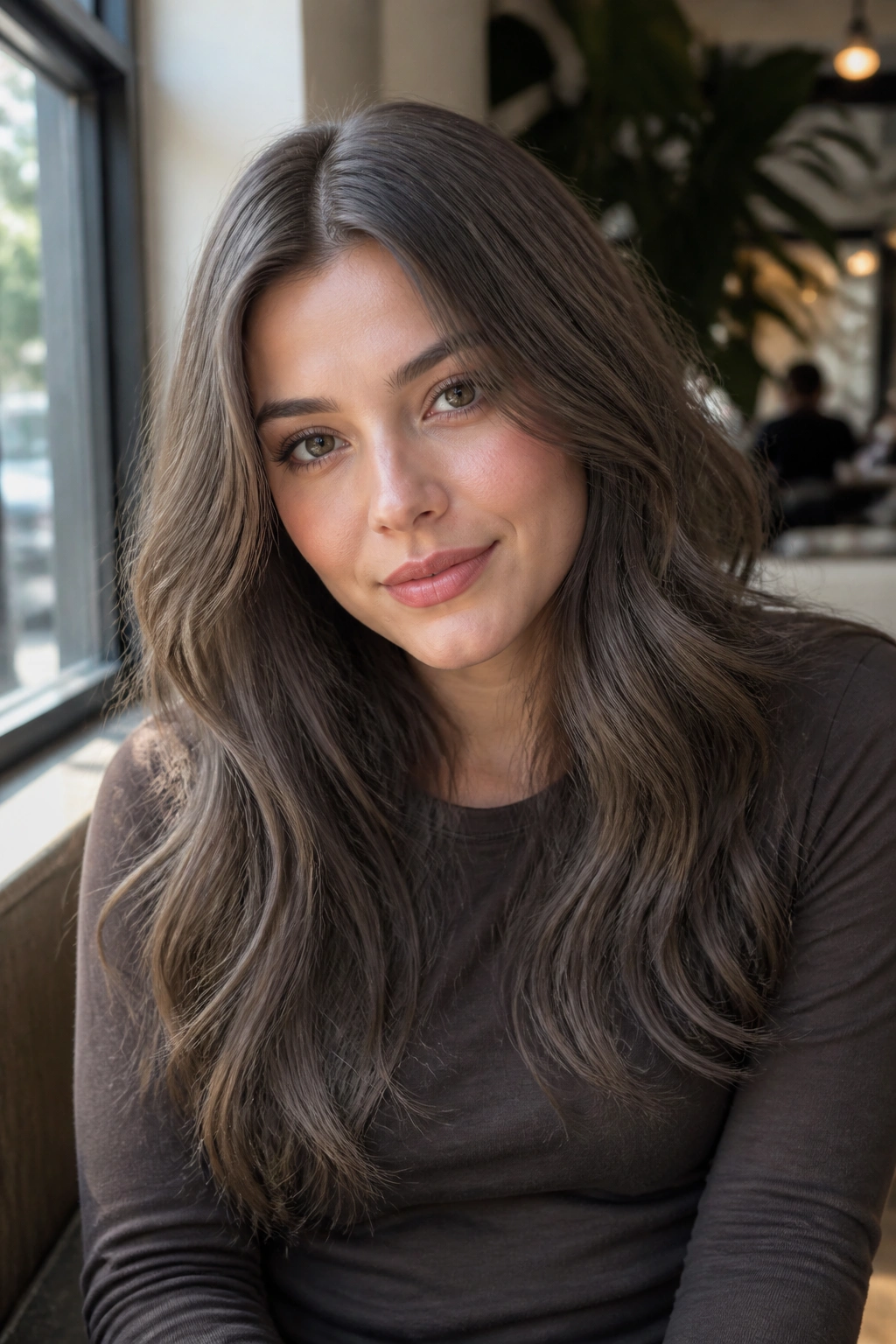
Smoky mushroom brown is the shade I’d hand to someone who wants brown hair without copper creeping in at the edges. It sits around a level 5 or 6, with beige and gray-brown tones balanced over a neutral base, so the color reads soft instead of harsh.
On cool skin, that balance is gold. The hair looks calm next to pink or blue undertones, and it does not fight your cheeks the way a warm chestnut can. If your hair tends to pull red fast, ask for a demi-permanent mushroom gloss over a neutral brown base.
The finish should feel soft, not chalky. A little shine is good. Too much warmth is not.
2. Cool Chestnut Brown
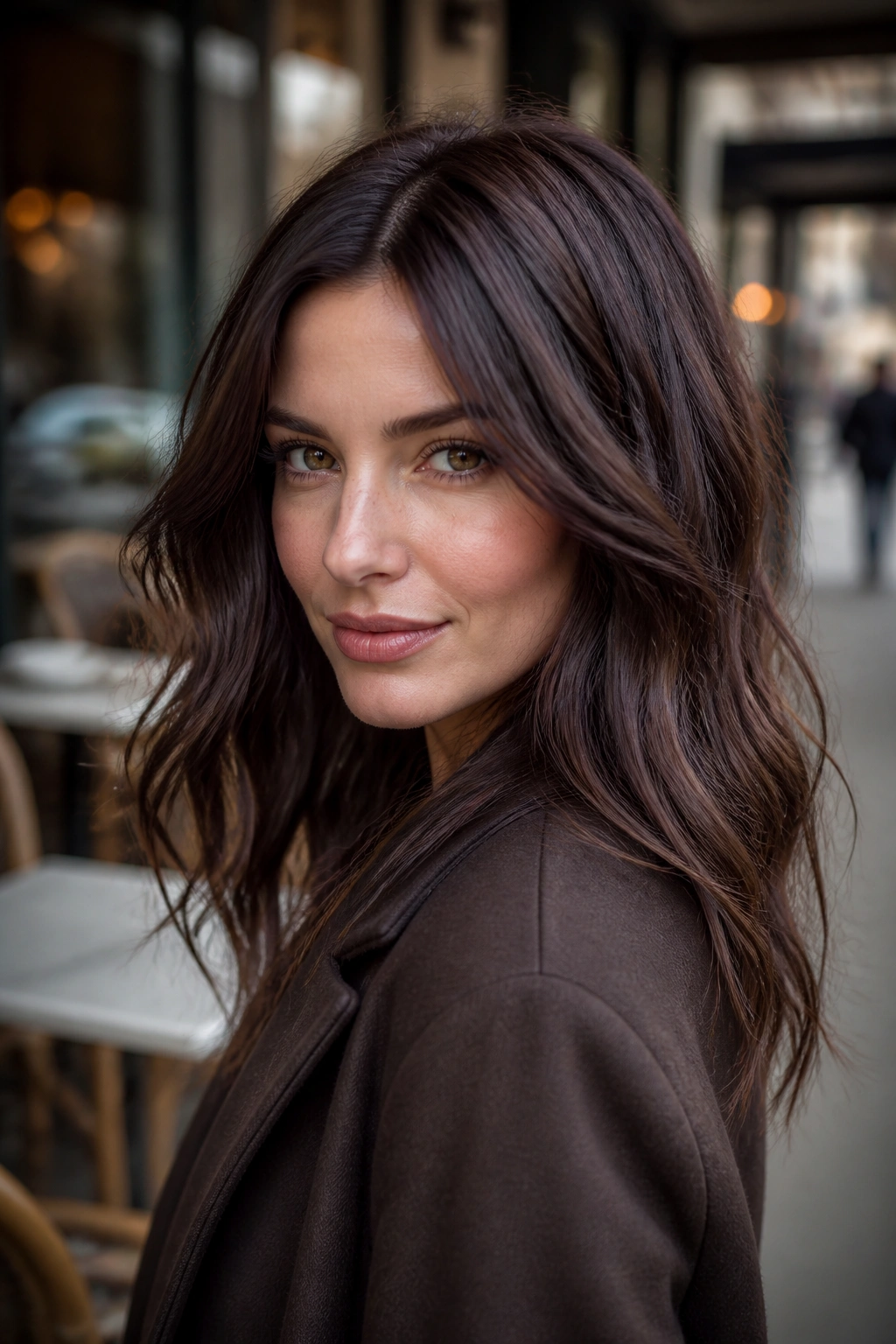
Can chestnut work on cool skin? Yes, if you strip out the red. A true cool chestnut brown keeps the richness people love about chestnut, but the tone lands more brown-violet than cinnamon.
Why It Works on Rosy Skin
This shade flatters cool undertones because it holds onto depth without turning coppery in daylight. It is a smart pick if you want something classic that still looks clean around the face. Chestnut can go muddy fast, so the safest version is a neutral brown base with a blue-violet toner pulled through the mids.
What to Ask For
- A level 4 or 5 brown base
- No red or auburn reflect
- A soft gloss rather than a permanent warm dye
- Subtle face-framing pieces if you want a little lift
If your hair already has old red pigment in it, this is one shade where a salon correction matters. Home dye tends to pull warmer than the box shows.
3. Ash Chocolate Melt
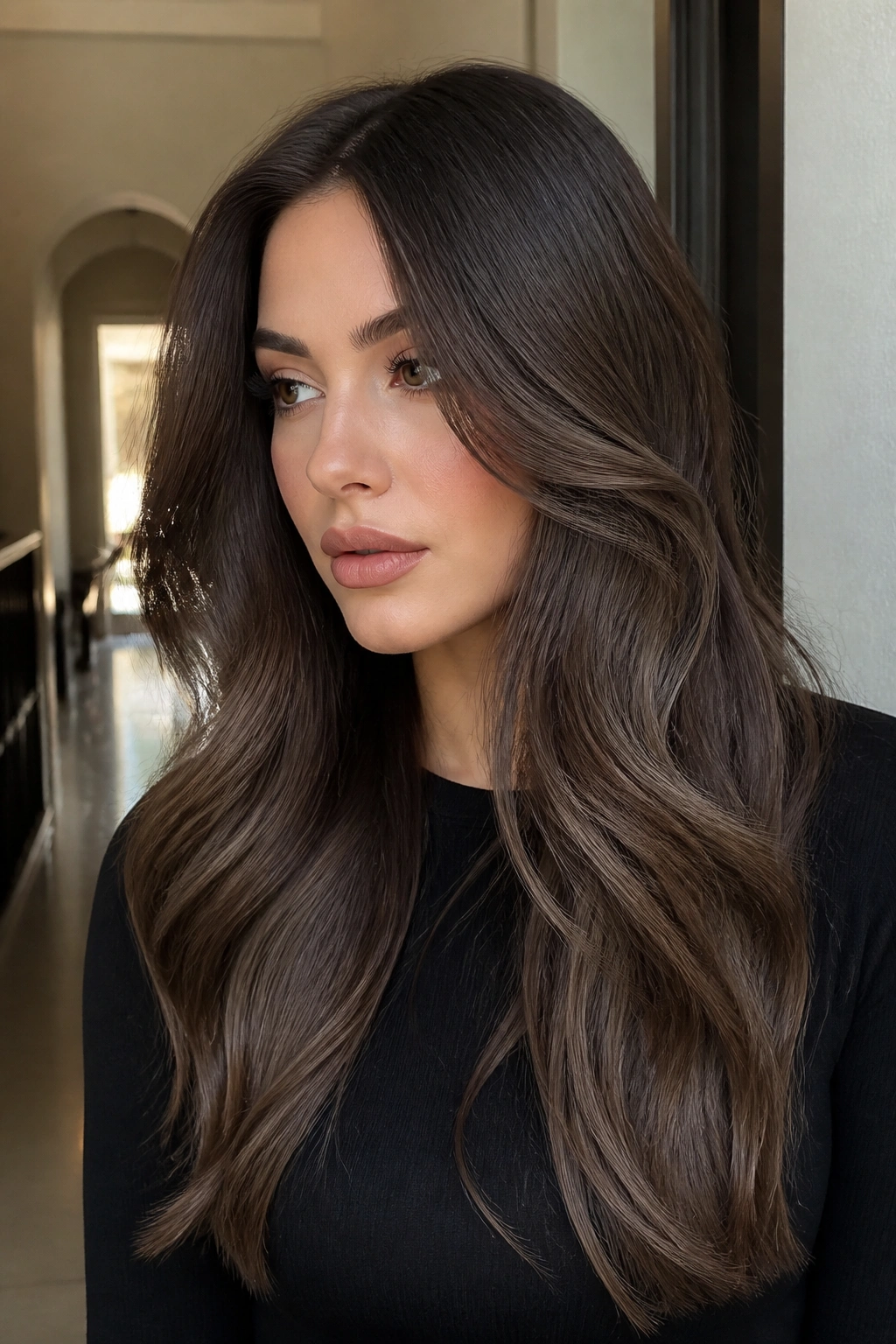
Ash chocolate melt is what happens when deep chocolate brown gets cooled down and blurred from root to ends. Instead of a flat block of color, you get a slow shift from a darker root into smoky mid-lengths.
That melt matters for cool skin because it gives the hair movement without throwing gold around the face. The shade works especially well on medium-length cuts and long layers, where the color can break up a little as the hair moves. It feels richer than a single-process brown, but not shiny in a warm way.
Ask for a root shadow in neutral chocolate and a cooler glaze through the ends. If your hair lifts orange when lightened, a blue-based toner is the part that keeps this shade clean.
4. Iced Espresso Brunette
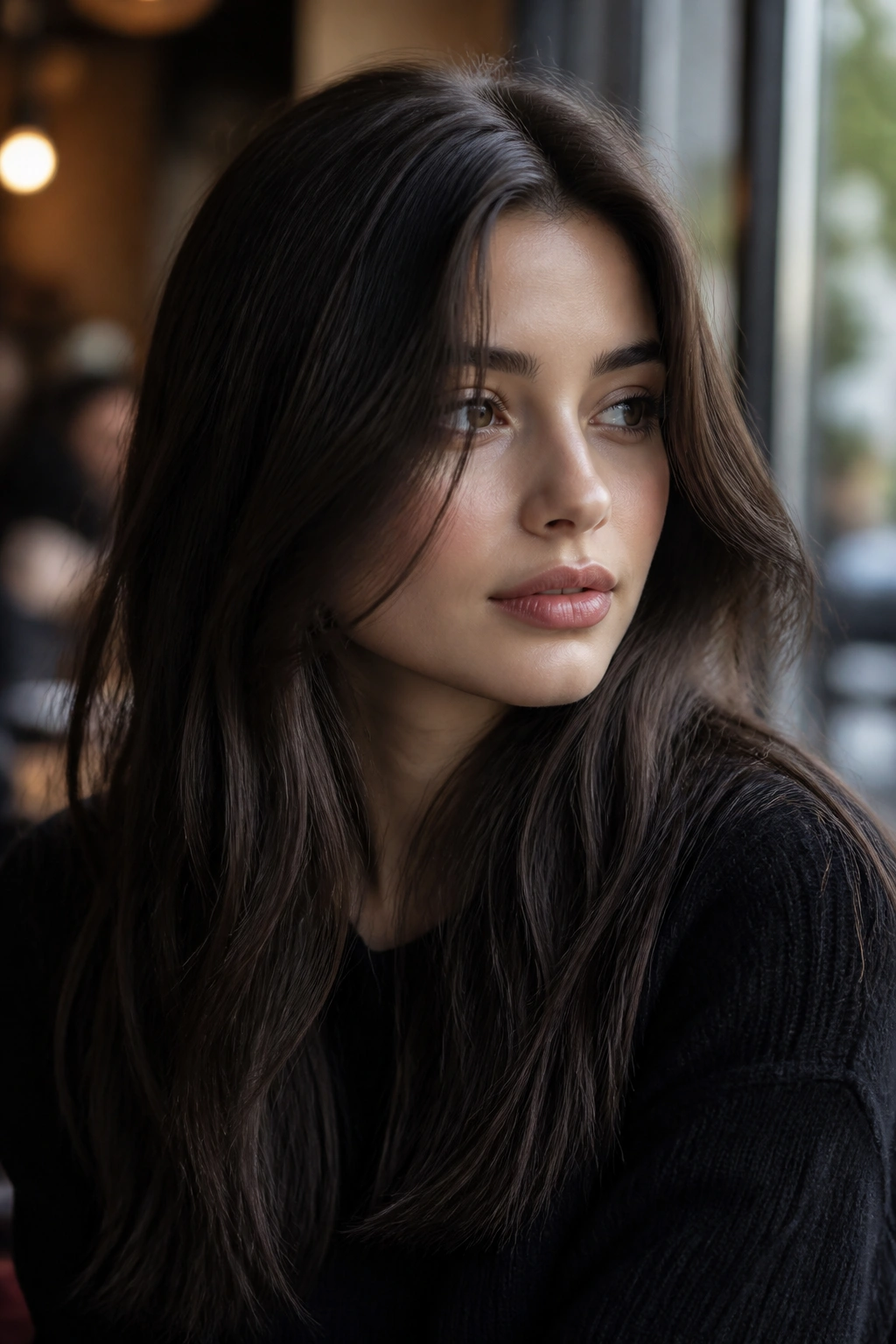
Darker does not have to mean warmer. Iced espresso brunette stays deep and glossy, but the tone leans cool enough to sit neatly against pale pink skin or a blue undertone.
The Shine Trick
The trick is to keep the pigment dense and the reflect cool. Think espresso with a faint graphite veil, not black-brown with red in the sunlight. This shade is especially strong on straight hair, where the surface can show off the clean tone. Wavy hair works too, though the movement softens the drama a bit.
Watch the Tone
If you have a lot of gold left in your hair, this shade needs prep. A stylist may need to fill, tone, and then glaze so the final brown doesn’t go hollow at the ends. That part is boring. It matters.
A cool brown this deep looks best when the root, mids, and ends all live in the same family.
5. Taupe Brown Balayage
Soft. Muted. Slightly dusty in the best way.
Taupe brown balayage is one of the easiest ash brunette hair color ideas for someone who wants dimension without obvious streaks. The highlights are not blonde-blonde. They sit more like beige-gray ribbons woven through a level 6 brunette base, which keeps the result cool instead of caramel-heavy.
It suits cool skin because the lighter pieces never get too yellow. If you wear silver jewelry well and gold tends to look loud on you, taupe is a very safe bet. The darker root gives the hair shape, and the taupe pieces keep it from feeling heavy.
Best ask: hand-painted balayage with a beige-ash toner, not honey or champagne.
6. Soft Slate Brunette
Soft slate brown lives in that rare space between brown and smoky gray. It is not as dark as graphite, and it is not as beige as mushroom. That middle ground is what makes it so good on cool undertones.
The shade works when you want the hair to look quiet, not flat. A slate brunette with a level 5 base and a cool gloss can make blue eyes look sharper and green eyes look clearer. It also plays nicely with stronger brows, which a lot of people forget about. Hair color and brow color need to live in the same neighborhood.
Skip heavy shine serums here. A slippery, oily finish can push the shade toward dull instead of sleek.
7. Cool Mocha with Shadow Root
A shadow root is the reason this color feels lived-in instead of painted on. Cool mocha with a deeper root gives you a brown that has depth near the scalp and a softer, milkier brown through the lengths.
The Root Shadow
The root should be just a half-step darker than the mids. That small shift makes the hair look thicker and gives the color somewhere to rest. On cool skin tones, the mocha tone needs to stay neutral or slightly ash-leaning, because a warm mocha can turn muddy fast.
How to Wear It
This shade works well if you like low-maintenance color. You can let the root grow a little without the whole look falling apart, and that is a relief if you hate constant touch-ups. It’s especially good on shoulder-length cuts, where the transition can move naturally.
A cool mocha with a shadow root is calm, not flashy. That is the point.
8. Graphite Brunette
Graphite brunette is not black, and that distinction matters. Black can be severe on cool skin if the contrast is too sharp. Graphite brown keeps the depth, but the brown base and cool reflect make it softer around the face.
This shade looks strongest on people with clear skin, high contrast features, or naturally dark brows. It also likes shine. A flat, dry finish makes graphite look heavy, while a smooth blowout or loose wave gives it shape. If your hair is fine, the color can actually make it look fuller because the depth reduces see-through ends.
Ask for a cool brown-black blend, not jet black. That single detail changes the whole feel.
9. Beige-Ash Brunette
Beige and ash can work together, and when they do, the result is clean and wearable. Beige-ash brunette is a softer choice for cool skin tones that do not want something too dark or too smoky.
What Makes It Different
Unlike golden beige brown, this version keeps the warmth muted. The hair still has some lightness, so it does not swallow a fair face, but it avoids the yellow tone that can make cool skin look flat. It is a smart pick if you are moving out of blonde and want to stay in a soft, brown family.
How to Ask for It
- A level 6 brown base
- Fine beige highlights toned with ash
- No copper, no honey
- A soft root tap so the color does not look stripey
This shade often looks best on layered cuts, where the lighter pieces can break up the surface just enough.
10. Frosted Brunette Lob
A frosted lob has a very specific kind of sharpness. The cut sits at the collarbone or a little above, and the color usually carries a cool glaze through the ends so the whole shape looks crisp.
That crispness matters for cool skin. A shoulder-grazing length with frosted edges can brighten the face without adding warmth. It feels cleaner than a caramel lob, which is why it tends to flatter pink undertones and pale skin with a little more ease.
If you want this one to look expensive in person, keep the highlight placement soft and high around the cheekbone. Chunky strips are too much here. Tiny ribbons do the work better.
11. Cool Walnut Brown
Cool walnut brown has a nutty depth without the amber cast that gets in the way. It sits in the middle of ash chestnut and chocolate, which makes it a useful shade if you want brown hair that looks natural but not boring.
This color likes cool undertones because it softens any redness in the face. It can make a flushed complexion look calmer and give the skin a cleaner edge. If your hair is medium brown already, a walnut gloss is often enough. You do not always need a full color service.
One sentence version? This is the shade for people who want brown hair to look like brown hair, only better.
12. Charcoal Brown Balayage
Charcoal brown balayage has a little more attitude. The base is deep and smoky, then the hand-painted pieces sit a shade or two lighter so the hair gets movement without losing that cool, dark feel.
Where It Looks Best
This one shines on thick hair, long layers, and blunt cuts. The contrast keeps the shape from disappearing. On cool skin, charcoal balayage gives the face a crisp frame, especially if your features are naturally soft and you need the hair to carry more structure.
What to Ask For
- A dark ash brown base
- Soft ribbons lifted only to a cool level 7
- No gold toner
- A matte-gloss finish instead of a warm shine
It is a little bolder than mushroom or taupe. That is why it works.
13. Ashy Bronde
Bronde usually makes me nervous when it leans too golden. Ashy bronde fixes that problem by keeping the brown side stronger and cooling down the blonde pieces until they sit in a beige-ash lane.
The shade is a strong choice for cool skin because it gives brightness without orange. If you like being a little lighter around the face, this is a nicer answer than warm caramel highlights. It also grows out gracefully, which matters if you hate obvious roots.
Why It Stays Cool
The brown base needs to stay neutral, and the lighter pieces should be toned down enough that they read like soft sand, not yellow. A root shadow helps too. Without it, bronde can look patchy.
If you want low drama and a brighter feel, this one earns its keep.
14. Mushroom Ribbon Highlights
Mushroom ribbon highlights are for people who want texture more than contrast. The ribbons are thin, cool-toned, and a little smoky, so they move through the hair without screaming “highlight job.”
That is a relief on cool skin. Heavy blonde stripes can look harsh against pink or blue undertones, but mushroom ribbons keep the face looking soft. They also work on curly hair, where the pattern can get busy fast. Thin placement keeps the curls from turning into a patchwork.
Ask for fine ribbons around the face and through the upper layers, then leave the darker base alone. That darker base is what keeps the color grounded.
15. Dark Ash Brunette Gloss
A gloss is the easiest way to tame warmth without a full color overhaul. Dark ash brunette gloss keeps the base deep and gives the surface a cool, reflective finish that helps the hair look cleaner after fading.
When to Choose It
This works well if your current brown is already close to where you want it, but it has started to pick up red or orange after a few washes. A gloss can shift the tone back in one appointment, and that is usually enough for fine hair that cannot take a lot of lightening.
What to Ask For
- A demi-permanent ash brunette gloss
- Blue-violet or green-blue pigment, depending on the warmth in your hair
- No heavy lift
- A clear shine seal if you want more reflection
It is one of the easiest ways to keep cool skin from looking washed out under warm brown hair.
16. Silver-Touched Brunette
Silver-touched brunette sounds daring, but the right version is quieter than people expect. The silver lives in the undertone, not as visible gray strands running through the whole head.
This is a good pick if your cool skin already handles icy jewelry, smoky eye makeup, or a pale lip very well. The hair ends up looking a little brighter in daylight and a little cooler in shade. If you are nervous, keep the silver touch near the mids and ends only.
My advice: start with a small test strand. Silver can go too flat if the base is over-toned, and fixing that takes time.
17. Smoky Bronde with Face-Framing Pieces
A lot of bronde looks warm because the face-framing pieces are pushed too blonde. Smoky bronde fixes that by keeping the lighter bits beige-ash and placing them where they matter most: around the cheekbones, temples, and just under the part.
The effect is useful for cool skin because it brightens the face without adding a golden halo. It also gives the eyes a little more room to breathe. If your haircut has layers, the color can follow the shape instead of sitting in harsh blocks.
This is one of those shades that looks easy when done well and messy when done badly. Placement is everything.
18. Cold Brew Brunette
Cold brew brunette is deep, smooth, and low on warmth. It pulls the richness of dark coffee but leaves the copper behind, which is why it suits cool undertones so neatly.
The shade works well when you want darker hair that still looks brown in natural light. A lot of deep browns drift toward red after a few shampoos. Cold brew holds its ground better because the base is cool from the start. It is also a nice option for longer hair, since the depth makes the ends look thicker.
If you wear muted colors like charcoal, navy, or soft plum, this shade tends to sit comfortably beside them.
19. Cool Sand Brown
Cool sand brown is lighter than most of the shades here, and that is exactly why it deserves a place. It gives cool skin a soft frame without making the hair read blonde or brassy.
Who It Flatters
This shade looks especially good on fair skin with pink undertones, since it brings a little warmth in the most restrained way possible. The base should stay beige and neutral, not yellow. If the color tips gold, the whole point is lost.
How to Keep It Quiet
- Use a sulfate-free shampoo
- Add a cool-toned gloss every few weeks
- Avoid heavy heat styling that can expose warm pigment
- Keep highlights fine, not chunky
Cool sand brown is subtle. That is its strength.
20. Blue-Black Brown
Blue-black brown is the boldest shade in the group. It is dark, glossy, and cool enough to make pale skin look dramatic instead of muddy.
The blue note is what matters. Without it, black-brown can flatten cool skin. With it, the hair gets a sharpened edge that feels intentional and polished. It looks especially strong on straight hair, where the shine can show the cool reflect clearly.
This is not the shade for someone who wants softness. It is for someone who wants the hair to frame the face like eyeliner. If that sounds right, keep the makeup simple and let the color do the talking.
21. Muted Cocoa Melt
Muted cocoa melt is softer than chocolate and less smoky than graphite. It sits in the middle, which makes it a good everyday shade if you want your brown hair to look rich without drawing too much attention.
Why does it flatter cool skin so easily? Because the tone stays low-key. The hair has depth, but the reflect is restrained. That means the skin stays the focus, not the warmth in the color. A soft melt from root to ends also helps the style look natural as it grows out.
How to Wear It
It looks lovely on layered cuts, shoulder-length waves, and blunt mids. If your hair is naturally fine, ask for a slightly darker root so the ends do not look see-through. That small shift gives cocoa more weight.
22. Ash Caramel Lowlights
Caramel usually means warmth, which is why this version needs a careful hand. Ash caramel lowlights are more beige-brown than sugar-brown, and they sit under the surface to add depth without turning the hair orange.
A cool-skinned brunette who wants dimension but does not want bright highlights can wear this beautifully. The lowlights make the base color look fuller, and they keep the lighter pieces from taking over. On wavy hair, the effect can be especially good because the lowlights tuck into the bends and give the color some shadow.
Ask your colorist to keep the caramel muted. That one word matters more than the name of the shade.
23. Cool-Toned Chestnut Bob
A bob changes how color reads. Shorter hair shows every tone more clearly, so a cool-toned chestnut bob needs careful control or the warmth will jump out.
This version works because the cut itself brings the structure, while the color stays restrained. The chestnut is softened with ash so it does not go red around the hairline. If you have a strong jawline or high cheekbones, the bob and the cooler brown can make those features pop without much effort.
A chin-length or jaw-skimming bob is especially good here. The clean line of the cut keeps the color from looking busy.
24. Espresso Brown with Smoky Ends
Espresso brown at the root and smoky brown at the ends is a smart way to keep dark hair from feeling heavy. The root gives depth, and the cooler ends add movement without fading into warmth.
The reason this works on cool skin is simple: the top of the hair frames the face with a rich dark tone, while the lighter ends stop the whole style from looking blocky. It is a nice choice for long hair, especially if you wear loose waves. The smoky ends catch motion without becoming blonde.
You do need a clean blend. A harsh line between root and ends will ruin the effect fast.
25. Dusty Brunette
Dusty brunette has a lived-in feel that suits cool skin better than shiny warm brown does. It is muted, a little hazy, and never too red.
Why It Feels Softer
The color sits low on the brightness scale, so it does not reflect a lot of yellow light back at the face. That keeps pink undertones from looking flushed. It also pairs well with grey eyes, slate blue eyes, and cool makeup tones like mauve or berry.
What Helps It Look Right
- A neutral brown base with ash overlay
- Fine, diffused highlights rather than bold streaks
- Dry texture spray instead of oily serum
- A cool gloss between salon visits
Dusty brunette is a quiet shade. Quiet often wins.
26. Matte Brunette with Babylights
Matte does not mean dull. It means the surface reflection is reduced enough that the color reads soft and even. Add babylights — those tiny, hairline-thin highlights — and the whole shade gets movement without warmth.
This is a strong choice if your cool skin looks better in soft fabrics and muted colors than in bright ones. The hair does not compete with your face. It sits in the background and frames it. Babylights also help if your haircut has a lot of layers, because they break up the shape without shouting.
The trick is to keep the highlights ultra-fine. Thick babylights are not babylights anymore. They are stripes.
27. Pearl Ash Brunette Balayage
Pearl ash brunette balayage is one of the prettiest ways to stay in the cool family while still getting some light around the face. The pearl tone gives the brown a soft, milky finish, and the ash keeps it from turning yellow.
What Makes It Work
Unlike warm beige balayage, this version keeps the lighter pieces cool and slightly muted. That matters on fair cool skin, because the face can look brighter without looking ruddy. The darker base stays believable, too. You get contrast, but it is gentle.
How to Ask for It
Ask for hand-painted ribbons lifted only to a cool level 7, then toned with a pearl-beige gloss. If the hair is too porous, the pearl can grab patchy, so pre-toning may be needed. That sounds fussy. It saves the finish.
This shade is a favorite when you want softness and light in the same head of hair.
28. Cool Umber Brown
Cool umber brown is earthy, grounded, and a little deeper than it first sounds. Umber can drift warm in some formulations, so the cool version matters: the pigment should stay brown with a muted, almost stone-like reflect.
This is the shade I’d choose for someone who wants one color that can last through a grow-out phase without looking stale. It works on medium to deep cool skin especially well, because it keeps the face from looking washed out and gives the hair enough depth to feel rich. If you like understated color with a little gravitas, this is the one.
A gloss every six to eight weeks keeps it honest. Without that, umber can slowly warm up, and the whole thing loses its edge.
Final Thoughts
Cool skin tones and brown hair get along beautifully when the brown stays muted. The trick is not to chase the darkest shade or the palest highlight. It is to choose a tone that keeps red and gold under control while still leaving room for movement.
If you are torn between shades, start with the softest one that still gives you depth — mushroom, taupe, or mocha usually make the easiest first step. If your hair already leans warm, ask for a gloss or toner first. That small move can do more than a full color change.
Bring photos taken in daylight, not under yellow indoor lights. That one habit saves more color appointments than people think.
