



Blonde red hair can look gorgeous on cool skin tones, but it’s a narrow lane. Push the color too orange and the face can start to look flushed; push it too yellow and the whole thing loses its shape. The sweet spot lives in softer territory: rose, pearl, smoky strawberry, beige copper, and those red-blonde shades that feel lifted rather than heavy.
Cool undertones usually carry pink, blue, or rosy notes in the skin, and hair color that respects that tends to look cleaner around the face. Silver jewelry often sits better than gold. Foundation shades with a pink base usually disappear more easily than yellow ones. None of that means warm hair is banned. It just means the warmth needs to be controlled.
That’s where the better blonde-red shades earn their keep. A level 8 blonde with a rose glaze can flatter far more than a bright orange copper, and a muted strawberry blonde often looks richer than a loud auburn because it gives the skin room to breathe. Softness matters here. So does shine. And the most wearable shades are the ones that feel like light touching hair, not paint sitting on top of it.
The 20 ideas below stay in that cool-friendly lane. Some are tiny changes to a natural blonde base. Others need lifting, toning, and a colorist who knows when to stop. That last part matters more than people like to admit.
1. Smoky Strawberry Blonde
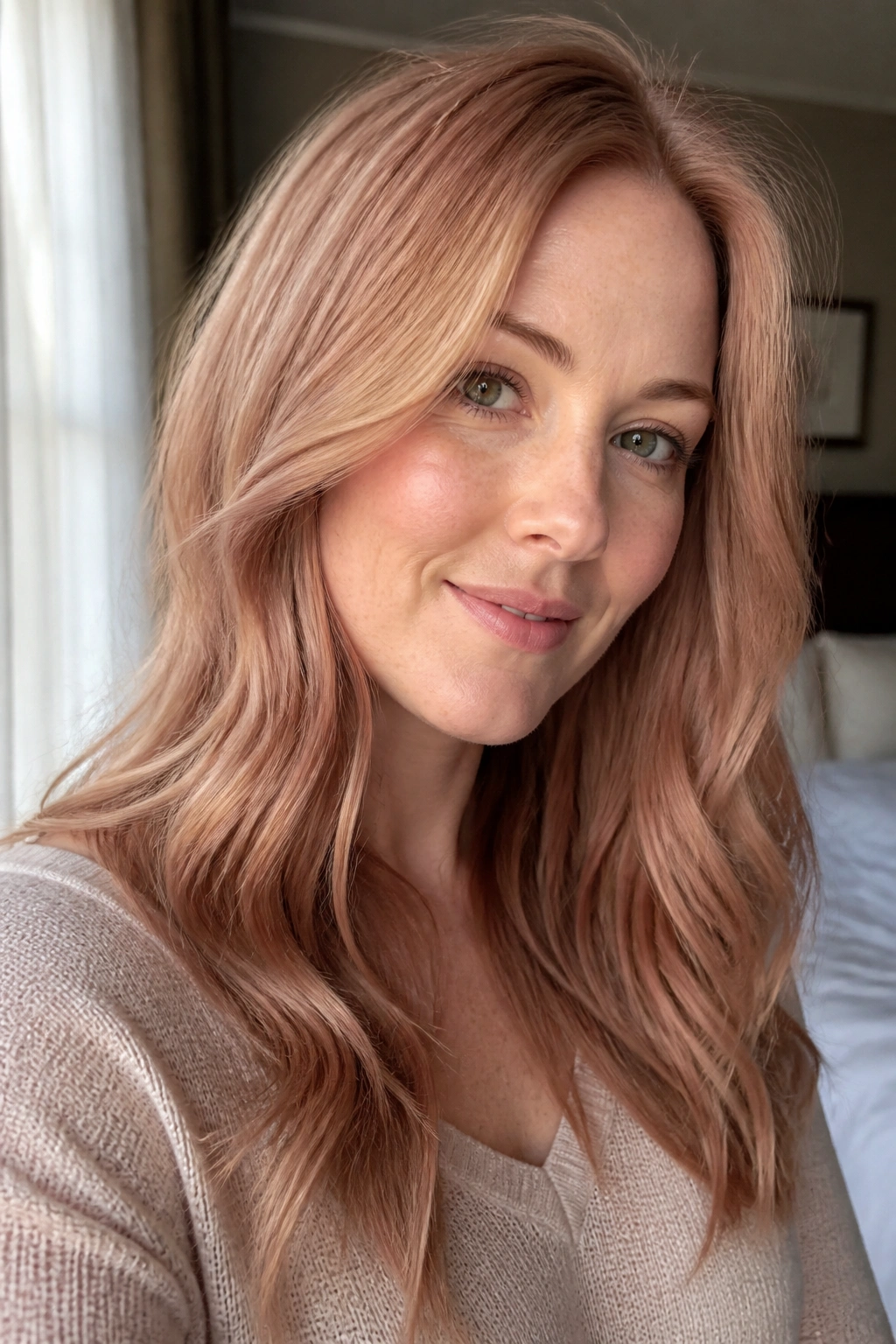
Smoky strawberry blonde is the easiest place to start if your skin leans cool and you want a hint of red without going full copper. The magic is in the smoke. A beige or ash blonde base keeps the strawberry note soft, so the color looks hazy and dimensional instead of bright and sugary.
Why It Works on Cool Skin
The red in this shade should feel pink-leaning, not orange-leaning. That little shift changes everything. On cool skin, smoky strawberry blonde brings warmth without making the face look ruddy, and the ash in the formula keeps the shine clean.
A good version usually starts around a level 8 or 9 blonde with a rose-beige gloss layered over it. If you already have light hair, this can be a simple toner job. If your hair is darker, you’ll need a lightening session first, then a soft deposit of rose or strawberry pigment.
- Ask for a smoky rose-beige toner, not a vivid copper.
- Keep the root area one shade deeper for a softer grow-out.
- Use a sulfate-free shampoo so the pink-red note doesn’t rinse out too fast.
- Refresh with a gloss every 6 to 8 weeks.
Best tip: if the shade starts turning too warm, one cool beige gloss pulls it back fast.
2. Rose Champagne Blonde
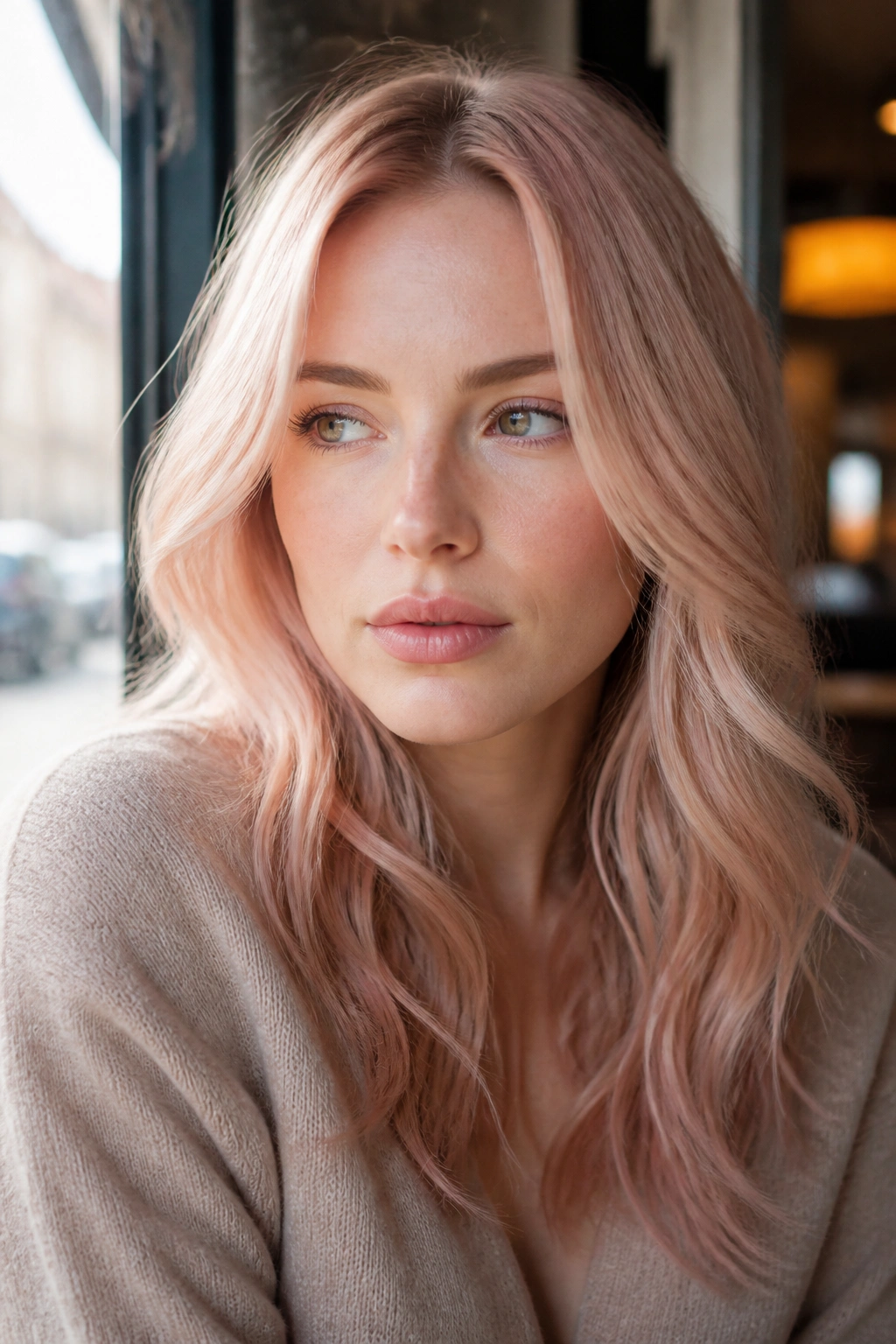
Rose champagne blonde flatters cool skin because it keeps the warmth pale and the shine airy. It’s not gold. It’s not copper. It’s that delicate middle ground where blonde hair picks up a blushy pink cast and still reads light from across the room.
This shade works especially well if you like your hair to look polished but not flat. A rose champagne formula usually sits on top of a pale blonde base and uses a pink-beige gloss rather than a strong red dye. That means the color moves in daylight instead of sitting in one heavy block.
If your skin has more pink than yellow, this is a friendly shade. It softens the jaw, brightens the cheek area, and looks good with neutral makeup, which is a nice bonus when you do not want your hair to fight your face. Keep the root shadow subtle — one level deeper than the mids is enough.
It’s a quiet color. That’s the appeal.
3. Beige Copper Blonde
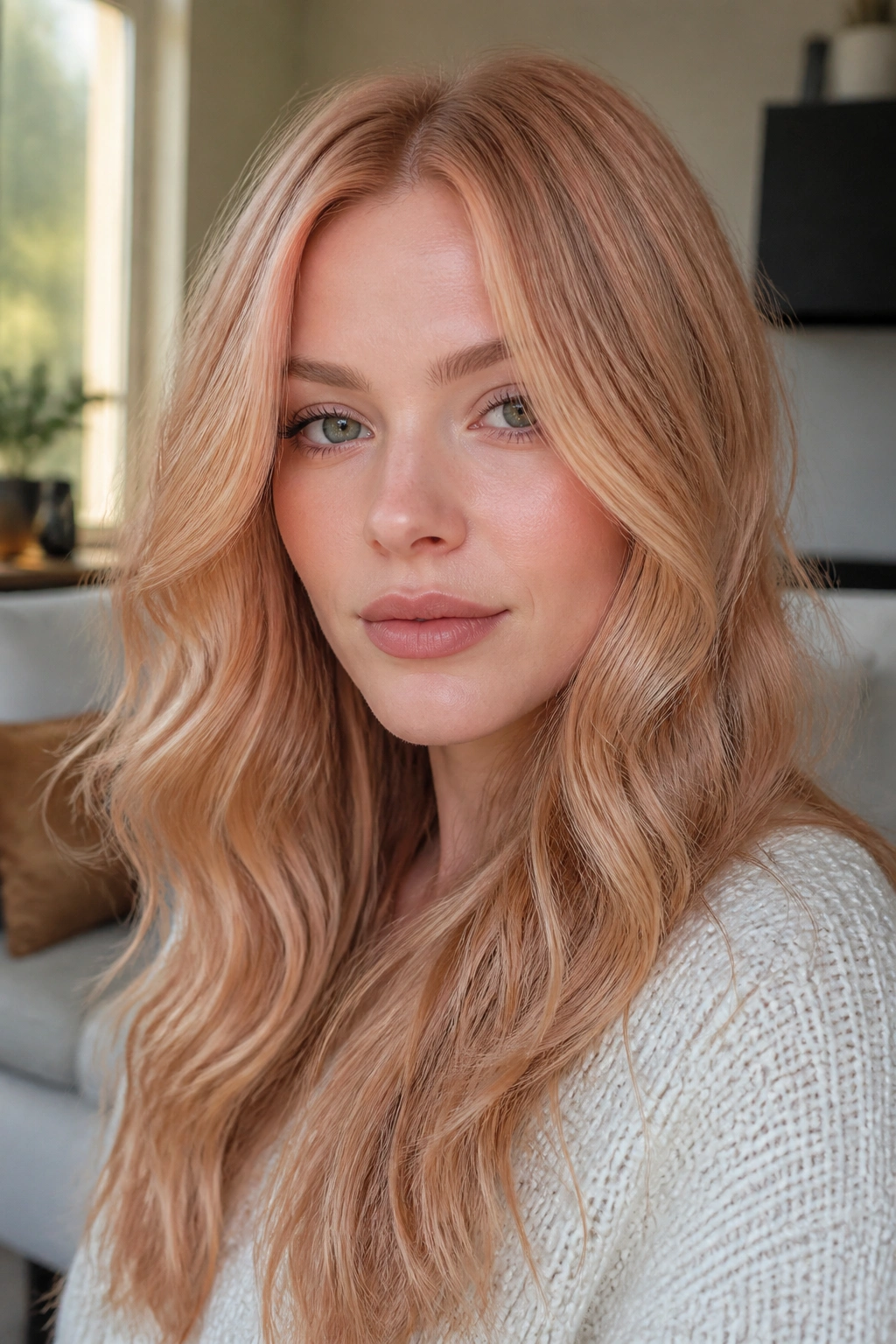
Can copper work on a cool complexion? Yes, if it leans beige instead of orange. Beige copper blonde takes the sharp edge off traditional copper and replaces it with a softer, sandy warmth that sits much better against pink or blue undertones.
How to Keep It Cool Enough
The important part is restraint. You want the copper to whisper, not shout. A level 8 beige blonde with a copper glaze gives the hair warmth, but the beige stops it from going pumpkin-bright. That little neutral base is doing a lot of work.
Tell your colorist you want a copper that looks almost filtered. Not flat. Not dull. Just softened. If the hair is pre-lightened, a demi-permanent beige-copper gloss can be enough. If the base is darker, the copper should be woven in through the mids and ends rather than painted all over the head.
Best Salon Notes
- Choose beige-copper, not orange-copper.
- Ask for a soft root shadow so the color doesn’t float above the face.
- Keep the highlights fine if your hair is thin; chunky pieces can look brash.
- Use a color-safe conditioner with a little slip. Dry copper looks much harsher than glossy copper.
One rule: if it looks like an orange peel in the bowl, it’s too warm for cool skin.
4. Dusty Peach Balayage
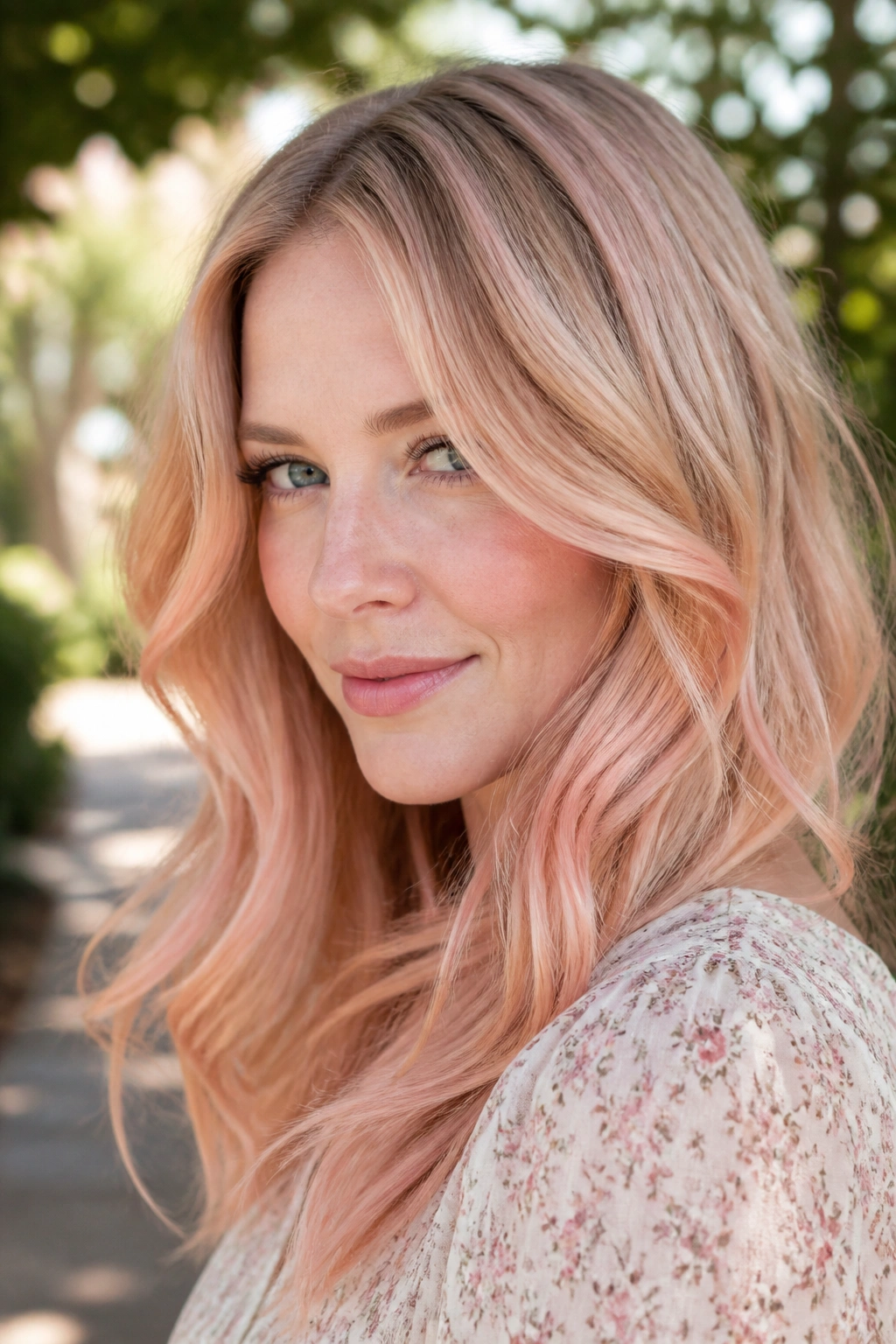
Picture a soft peach glaze over blonde hair, not a neon coral stripe. That’s the whole idea here. Dusty peach balayage gives cool skin a little color without tipping into heat, and the balayage placement keeps the shade scattered enough to feel light.
This works because peach is only flattering when it’s muted. The dusty part matters more than the peach part, honestly. A beige or pale ash blonde base lets the peach ribbons sit on top without taking over, so the final look feels airy and wearable.
I like this shade on layered cuts and shoulder-length hair, where the movement shows off the color changes. It also grows out nicely because the balayage keeps the ends brighter and the roots softer. If your hair tends to yellow fast, ask for a cooler toner underneath the peach so the warmth does not drift.
No bright coral. That’s the line.
5. Pearl Rose Blonde
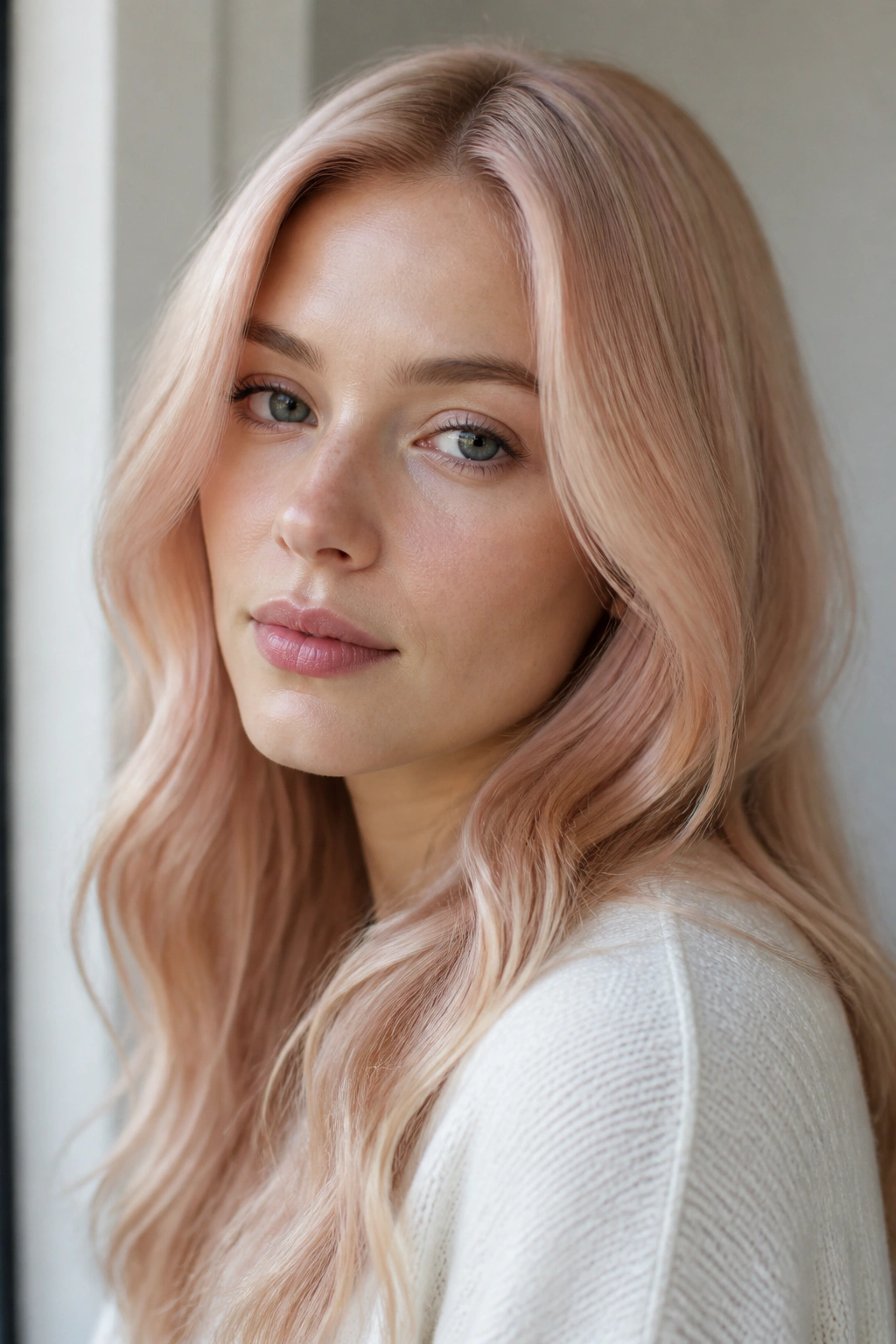
Pearl rose blonde looks like a glossed-up version of natural light blonde, and the quietness is the point. The pearly base keeps the shade crisp, while the rose note gives it a faint blush that cool skin can wear without feeling overdone.
This is one of those colors that looks different depending on the light. In soft indoor light, it can feel almost icy. In daylight, the pink reflection comes forward a little more. That shift is what makes it interesting. You get color, but the color never shouts.
For the cleanest result, the hair needs to be lifted evenly before the rose glaze goes on. Patchy lightening can make pearl tones look streaky or muddy, and nobody wants that. A demi-permanent gloss is often enough to maintain the effect, which is useful because pearl shades fade faster than neutral blonde.
It’s a good choice if you like elegance over drama. Quiet hair. Sharp skin. Easy win.
6. Soft Apricot Ribbon Lights
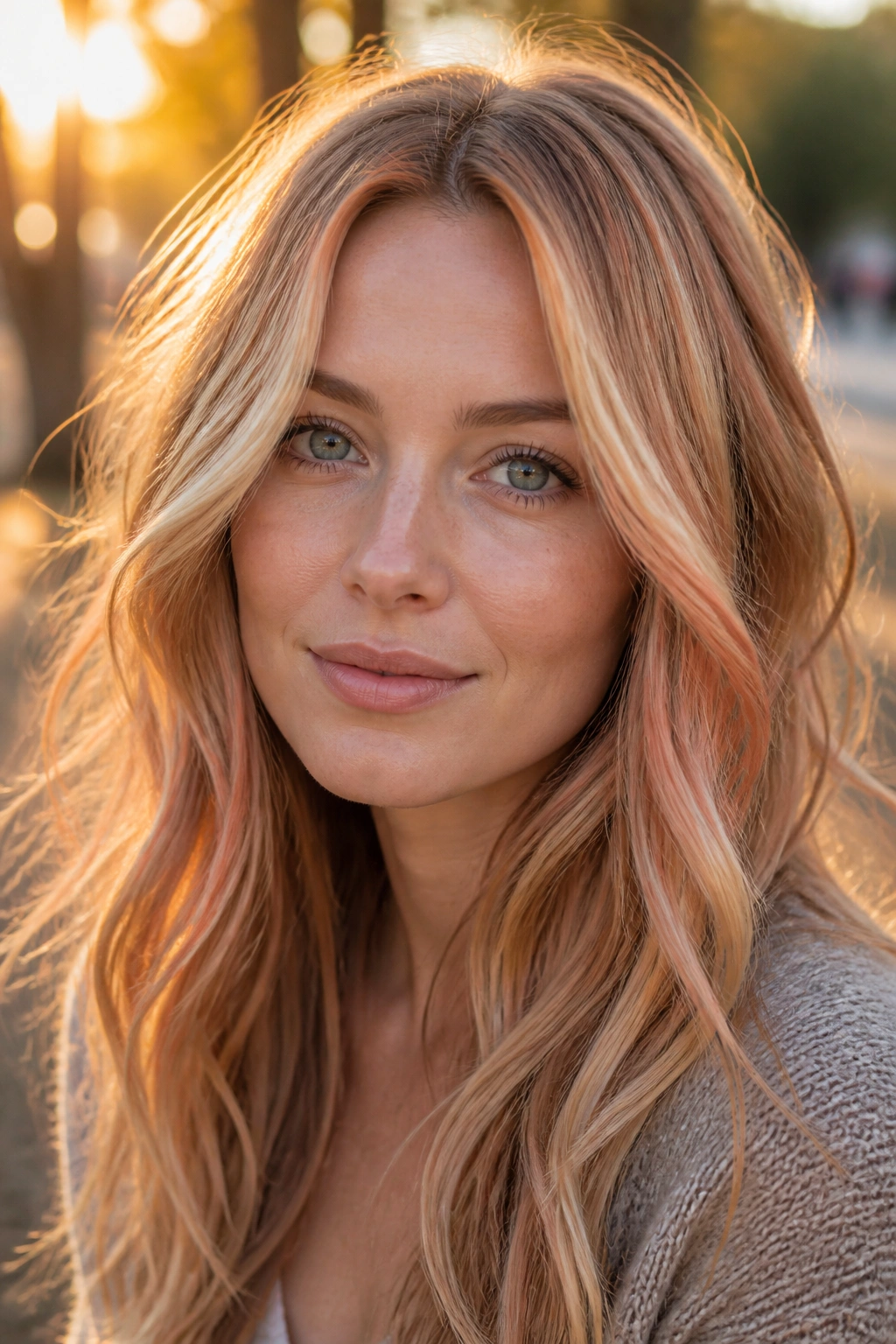
Unlike a warm apricot blonde, this version keeps the orange under control. The ribbons are soft, thin, and scattered through a cool blonde base, so the apricot reads more like a tint than a full color story. That matters on cool skin. Too much orange and the face starts to look heated. Too little, and the shade disappears.
Soft apricot ribbon lights are best when the colorist paints them with a light hand. You want movement, not stripes. The apricot should sit mostly around the face and through the top layers, where the hair catches light first. Underneath, keep the base more neutral so the overall effect stays balanced.
This shade works well for someone who wants a little energy without committing to a full red-blonde look. It also pairs nicely with soft waves, because the bends in the hair break up the warm pieces and make them look more natural. If you wear it straight, the ribbons read more clearly. Good if you like contrast. Less good if you want subtlety.
7. Cool Copper Foilayage
Fine copper ribbons can look expensive on cool skin when the blonde base stays ashier than the highlights. That’s the trick with cool copper foilayage: the copper is there, but it’s broken up by pale blonde and controlled placement, so the face doesn’t get hit with one solid warm block.
What to Ask For
Foilayage is useful because it gives you both lift and movement. A colorist can place copper in wider, curved ribbons around the crown and then keep the ends lighter for contrast. The result feels dimensional instead of flat.
- Ask for thin copper ribbons mixed with ash blonde.
- Keep the root area soft and deeper.
- Put the brightest pieces near the cheekbones and around the part.
- Style with loose bends so the ribbons separate.
What It Looks Like in Real Life
This is not a flat copper head of hair. It’s more like blonde with flashes of warm metal running through it. On cool skin, the ash in the base keeps the copper from looking aggressive. On warm skin, the same formula can go orange fast. That’s why placement matters as much as tone.
A flat iron makes this color look sharper. Soft waves make it richer.
8. Nordic Pink Blonde
Nordic pink blonde is the shade that people call icy, then stare at twice. It takes a very pale blonde base and gives it the faintest rose cast, so the final look feels cool, clean, and a little bit playful without sliding into candy territory.
This is a good match for cool skin because the pink note sits on top of a near-white blonde base. That means the skin keeps its natural color instead of getting washed out. If your complexion is porcelain, this can look striking. If your skin is a little deeper, the shade still works as long as the pink stays sheer.
It does need maintenance. Light pink tones fade fast, and any yellowing in the blonde base will make the whole thing read warm. A violet or purple shampoo once in a while can help, but don’t overdo it or the pink will disappear. A color-depositing mask in a pale rose tone is the safer move.
It’s delicate. It’s not weak.
9. Mushroom Strawberry Blonde
Mushroom strawberry blonde is what happens when strawberry hair gets toned down by taupe. That sounds odd until you see it on cool skin, where the mix of soft brown, beige, and muted red can look much more natural than a brighter strawberry shade.
How It Works
The mushroom element gives the blonde a cooler base, which keeps the strawberry from turning orange. Then the red adds just enough life to keep the hair from looking flat. The combination is especially good if your natural roots are a darker ash brown and you do not want a hard line of demarcation every few weeks.
A shade like this is often built with a cool root shadow, beige mids, and soft strawberry ends. That structure matters. It gives the hair a lived-in look that grows out gracefully and does not demand constant salon visits. If your hair is fine, the layered color placement adds thickness. If it’s thick, the soft contrast keeps the color from getting bulky.
Salon Wording That Helps
- Say you want taupe-based strawberry, not golden strawberry.
- Ask for a cool root melt.
- Keep the ends translucent, not opaque.
- Avoid heavy orange pigment in the gloss.
Mushroom strawberry blonde is one of the easiest ways to wear red-blonde hair without feeling like the color is wearing you.
10. Cranberry Blonde Melt
Cranberry blonde melt sits deeper than strawberry and lighter than red, which is why it can look so polished on cool skin. The cranberry note brings a blue-red base to the party, and that keeps the shade from drifting into copper or rust.
This is a good pick if you want a little more drama. Not loud drama. Just enough depth to make your hair look richer in low light. A melt effect keeps the darker cranberry at the roots or underneath, then softens it into blonde through the mids and ends. That contrast gives you movement and saves the color from looking one-note.
The best versions usually have a violet-red glaze running through the lighter sections. That tiny violet shift keeps the red cool instead of fiery. It also helps if your skin gets flushed easily, because the color reads more berry than brick.
A cranberry blonde melt can be stunning on wavy hair. The bends catch the dark-red pieces and the lighter blonde pieces separately, which gives the whole style a layered look. Straight hair can wear it too, but the color shows its depth better with motion.
11. Silver Rose Blonde
Silver rose blonde is the shade for anyone who wants blush without the sugar. Unlike rose gold, silver rose keeps the gold out, which makes it a much cleaner fit for cool skin tones.
The base here is usually very light, almost platinum in places, with a silvery gloss layered over a faint pink tone. That gives the hair a cool sparkle that still has life in it. If the pink is too strong, the color can look costume-like. If the silver is too strong, it can go flat. The good version sits between the two.
This is a shade that needs a good toner schedule. Silver fades, rose fades, and pale blonde loves to drift yellow if you ignore it. A colorist will often use a cool gloss every few weeks to keep the finish crisp. At home, gentle washing and cool water help more than people think. Hot water is a color thief.
If your wardrobe leans navy, black, gray, or cool white, this shade settles in beautifully. It has a sharpness that feels intentional without looking hard.
12. Mauve Beige Blonde
Mauve beige blonde proves that a tiny violet note can change the whole mood of a blonde. Add mauve to a beige base, and suddenly the red-blonde family gets much cooler, softer, and more wearable for skin with pink or blue undertones.
Why It’s So Good on Cool Skin
Mauve cancels out a lot of unwanted warmth. It also gives the blonde a faint rosy-shadow effect that reads sophisticated instead of sugary. If you’ve ever seen a blonde that looked too yellow next to your face, this shade is the fix. The beige keeps it natural; the mauve keeps it from going brassy.
This works best on medium to light hair that can take a glaze evenly. Dark hair will need lightening first, then the color can be layered on top. For upkeep, a mauve-toned conditioner or a salon gloss every few weeks can keep the tone from fading into plain beige.
Easy Way to Ask for It
- Ask for a beige blonde base with mauve-violet reflect.
- Keep the red note sheer, not strong.
- Request soft face-framing brightness.
- Avoid golden toner formulas.
Good sign: the color should look calm, not pink in a bubblegum way.
13. Ice Peach Blonde
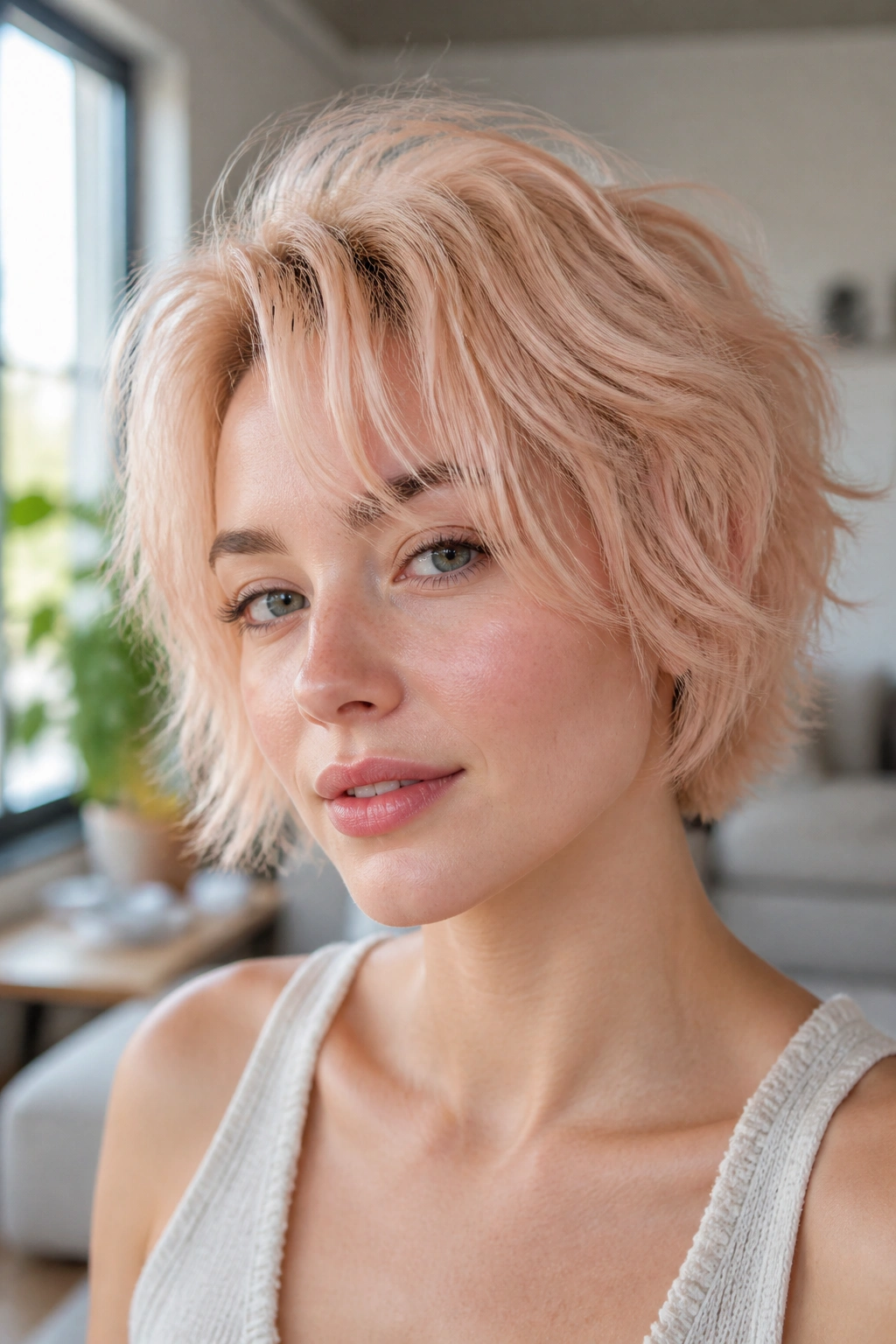
Ice peach blonde keeps the warmth on a short leash. The peach note is there, but it sits over an icy base, so the hair still feels cool enough for pink-toned skin. That contrast is what makes the shade interesting.
This one works best on shorter cuts, airy layers, and hair with some texture. The icy base gives shape, while the peach adds a small amount of glow. If the peach gets too strong, the shade can tip into warm territory fast, so restraint matters. A pale coral-beige toner is usually better than anything bright or saturated.
There’s also a nice practical angle here: ice peach blonde photographs differently from salon light to daylight, so it doesn’t feel as one-note as a flat pastel. Under indoor light, the peach can almost disappear. Outside, it comes forward a little more. That movement keeps the color from getting stale.
If your skin is cool and you like soft color more than hard contrast, this one deserves a look.
14. Champagne Copper Highlights
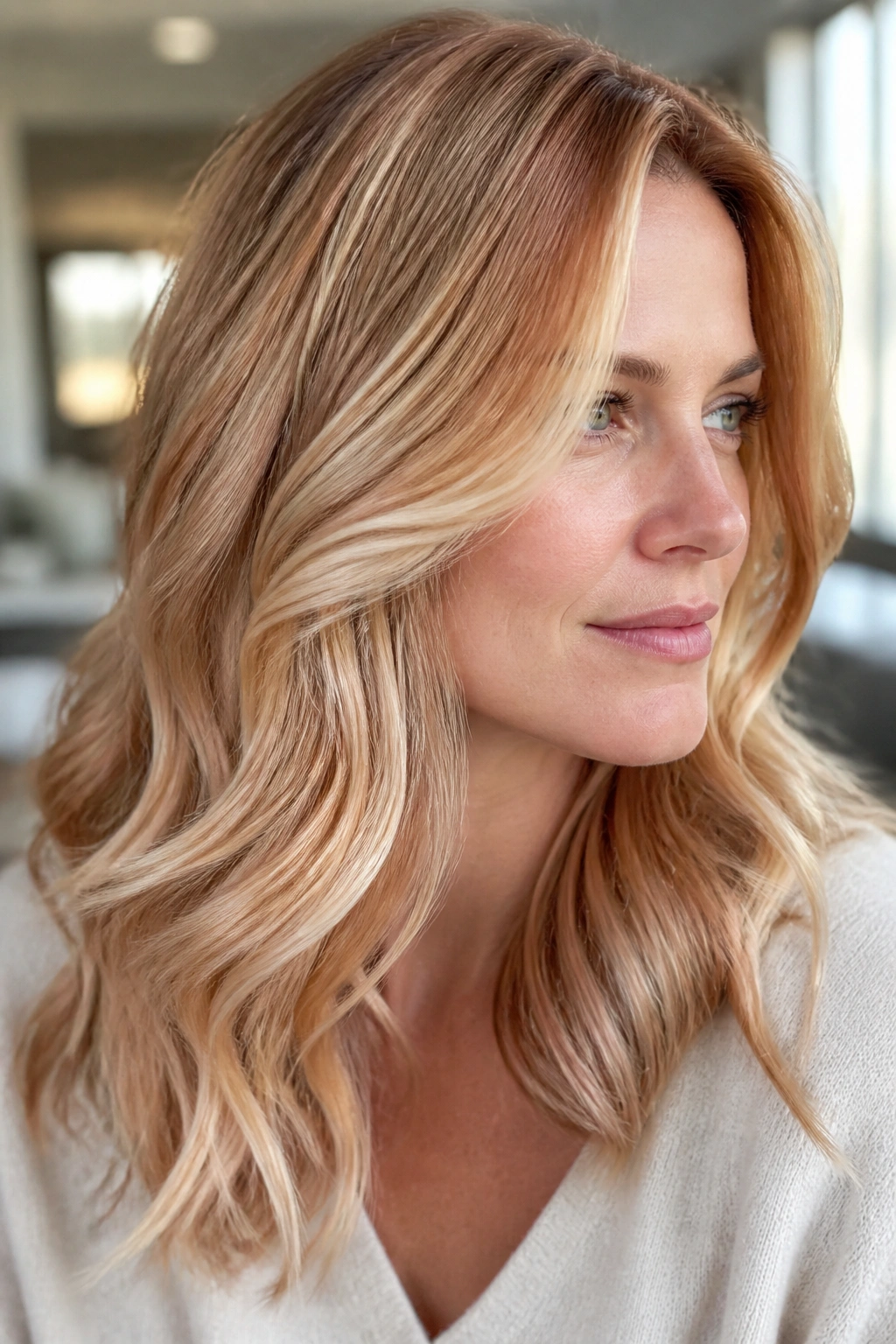
Champagne copper highlights work best when the placement is as soft as the tone. The idea is to blend pale champagne blonde with narrow copper accents so the warmth shows up in flashes, not in a solid wall of color.
The best versions usually use a root shadow, a champagne base, and then copper pieces threaded through the top layers. That gives you dimension without making the hair look striped. Around the face, the highlights can be a little brighter. Underneath, keep them finer and more dispersed.
Where This Shade Shines
This is a smart choice if you want a red-blonde look that can still grow out well. The shadowed root buys you time, and the champagne keeps the copper from becoming too orange. On cool skin, the contrast can be lovely because the lighter blonde brightens the complexion while the copper pieces add a bit of warmth.
- Best on shoulder-length or longer hair.
- Looks strongest in waves or soft curls.
- Needs a gloss refresh when the copper starts looking flat.
- Works well if you like dimension more than one uniform shade.
A little copper goes a long way here. That’s the whole point.
15. Raspberry Blondette
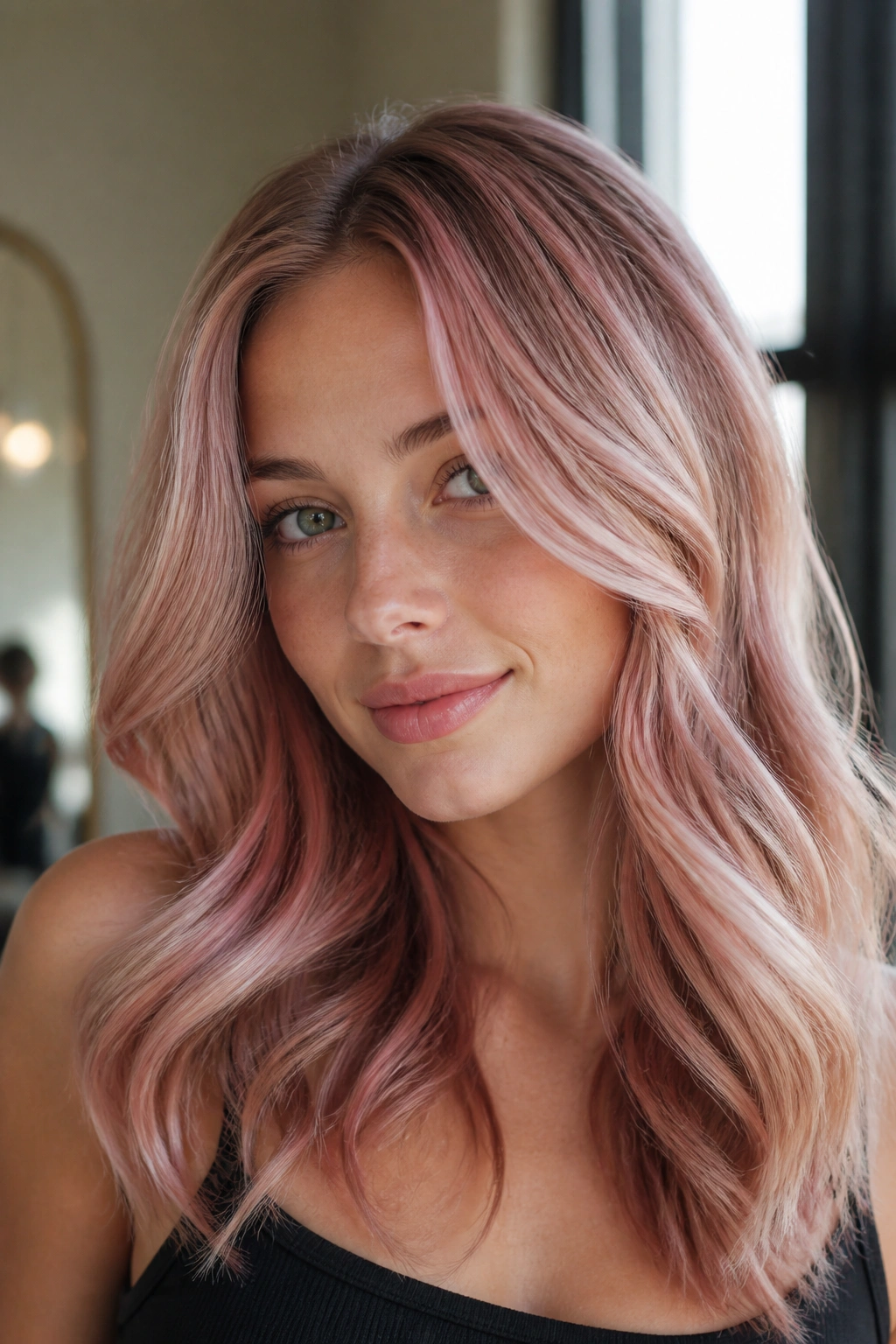
What do you get when strawberry blonde grows up a little? Raspberry blondette. It’s a softer, cooler, slightly deeper version of strawberry that borrows a berry tone instead of an orange one, which makes it much friendlier for cool skin.
Why It Feels More Wearable
Raspberry has a blue-red cast, and that gives the hair a fresher look than a straight red glaze. The blonde underneath keeps it light enough to stay in the blonde-red family, but the berry tone gives the color more depth. If you like soft color but not pastel, this is a strong middle ground.
The best way to wear it is with a neutral blonde base and a raspberry gloss over the mids and ends. That keeps the roots quieter and lets the color build where the light hits. It also means the shade fades gracefully. Once the raspberry softens, you usually end up with a muted strawberry tone instead of a weird orange edge.
What to Tell the Colorist
Ask for a berry-red glaze over blonde, not a copper deposit. Keep the finish translucent. If the color is too opaque, the hair loses the airy look that makes blondette shades flattering in the first place.
16. Muted Coral Blonde
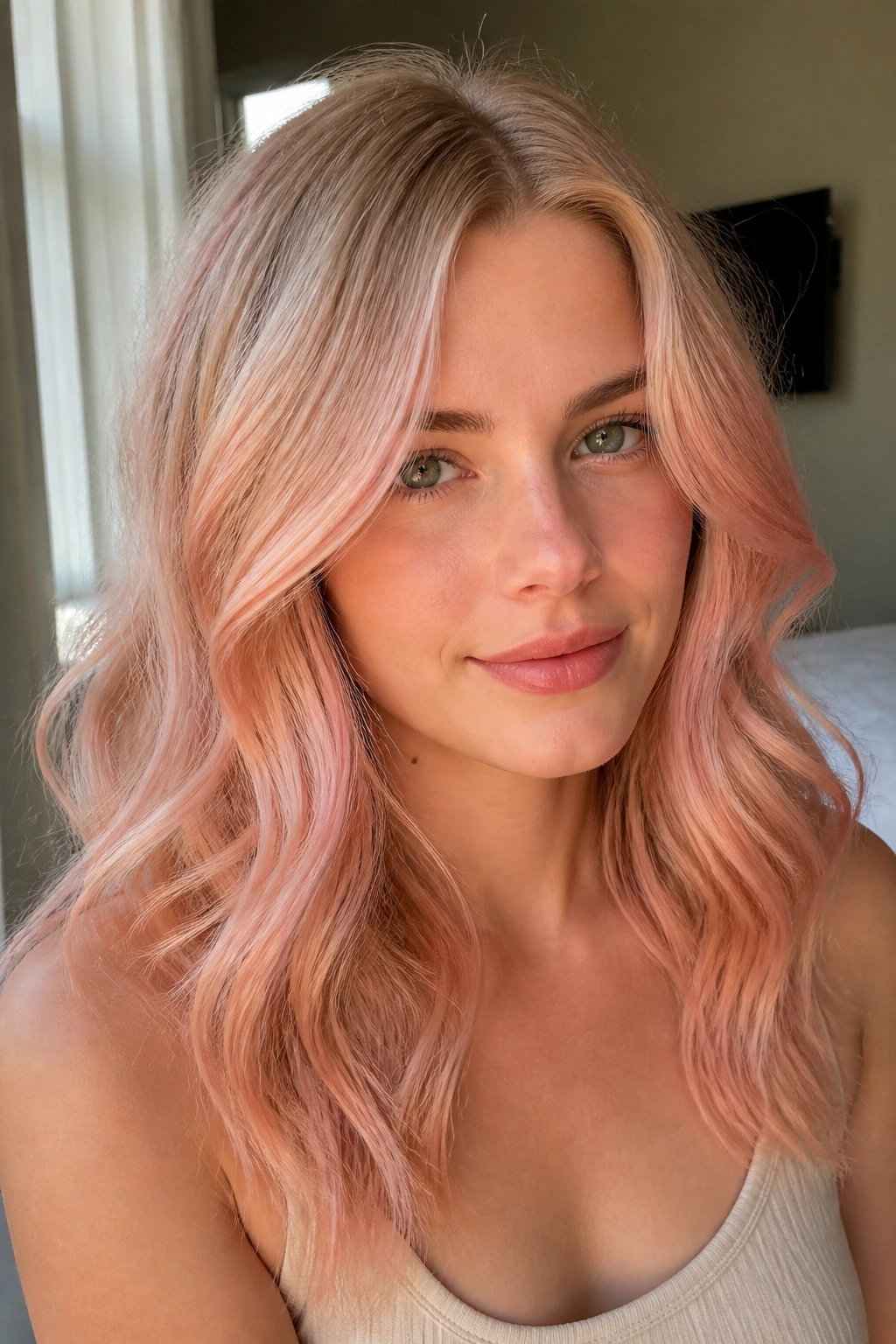
Muted coral blonde is the version that doesn’t shout. Coral can go wrong fast on cool skin when it’s too bright or too orange, but muted coral, softened with beige and pink, can look lively without looking hot.
This color works best when it’s treated like a whisper, not a statement. The blonde base should stay light and neutral, then the coral should sit as a gentle tint through the mids and ends. If the base is too yellow, the coral becomes loud. If the coral is too strong, the skin can get overwhelmed. So the balance needs care.
It’s a good choice if your style leans playful and you do not want a conventional blonde. Coral adds personality. The muted version keeps it from becoming costume hair. I like it on wavy bobs, long lobs, and layered cuts because the movement stops the shade from looking too solid.
If you’ve been scared off by coral before, this is the safer way in.
17. Ashy Ginger Blonde
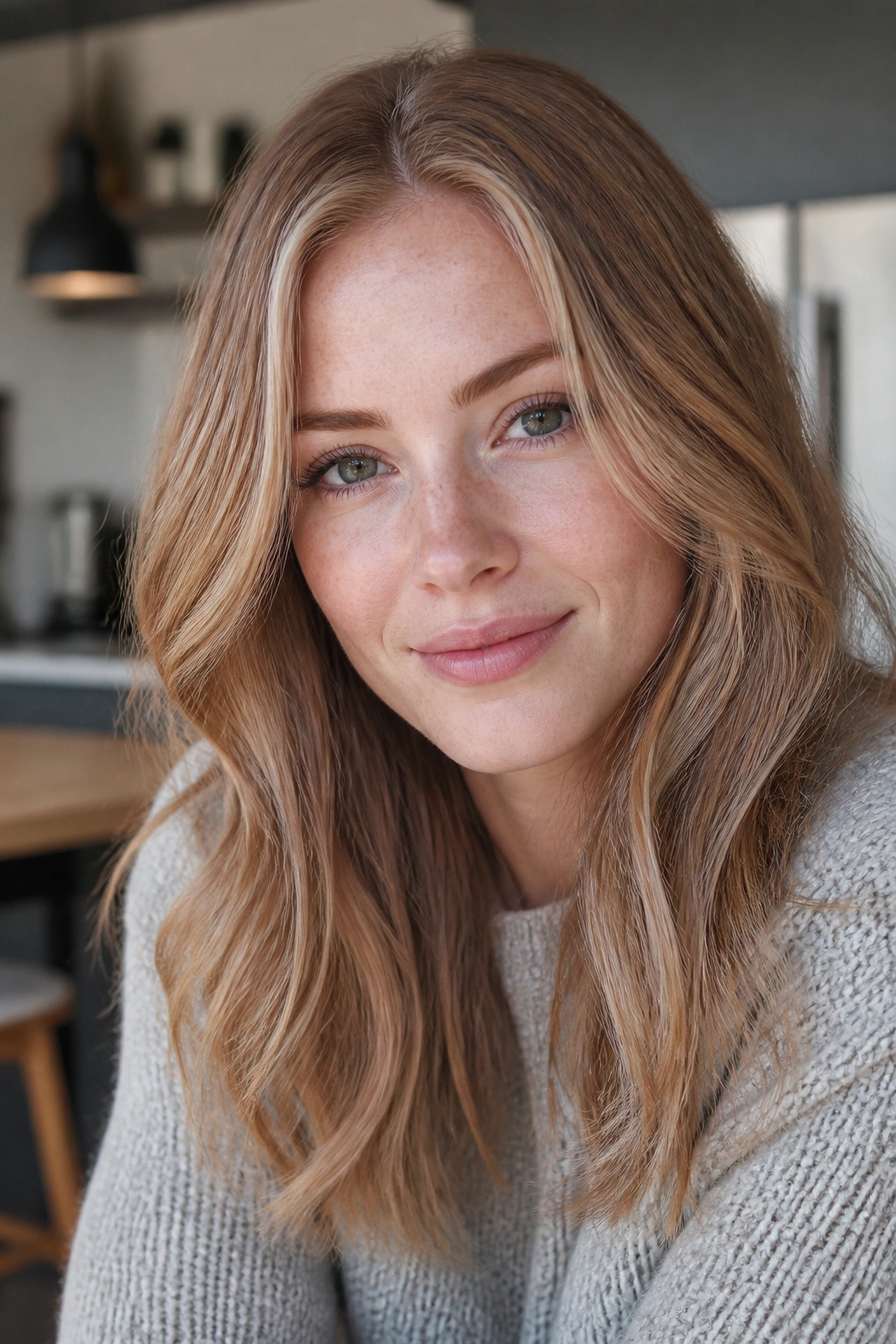
Ashy ginger blonde looks sharper than classic ginger because the ash cuts the orange. That makes it easier for cool skin to wear, especially if you like red hair but can’t handle the heat of a classic copper shade.
The formula usually starts with a light blonde base and then adds ginger through a cooler filter. Think spice, not flame. A root shadow in ash brown or cool beige can help the whole look settle down around the face. Without that cooler anchor, the shade can drift warm fast.
This is a smart option if you want something with edge. It feels less sweet than strawberry blonde and less bright than copper. The color has a little bite. That can be a good thing if your features are strong or your style leans minimalist. Simple clothes, sharp hair, clean lines. It works.
Keep an eye on maintenance. The ginger note fades first, and once it does, the hair can turn dusty. A color-depositing conditioner with a soft red-brown tone helps bridge the gap between salon visits.
18. Petal Pink Blonde
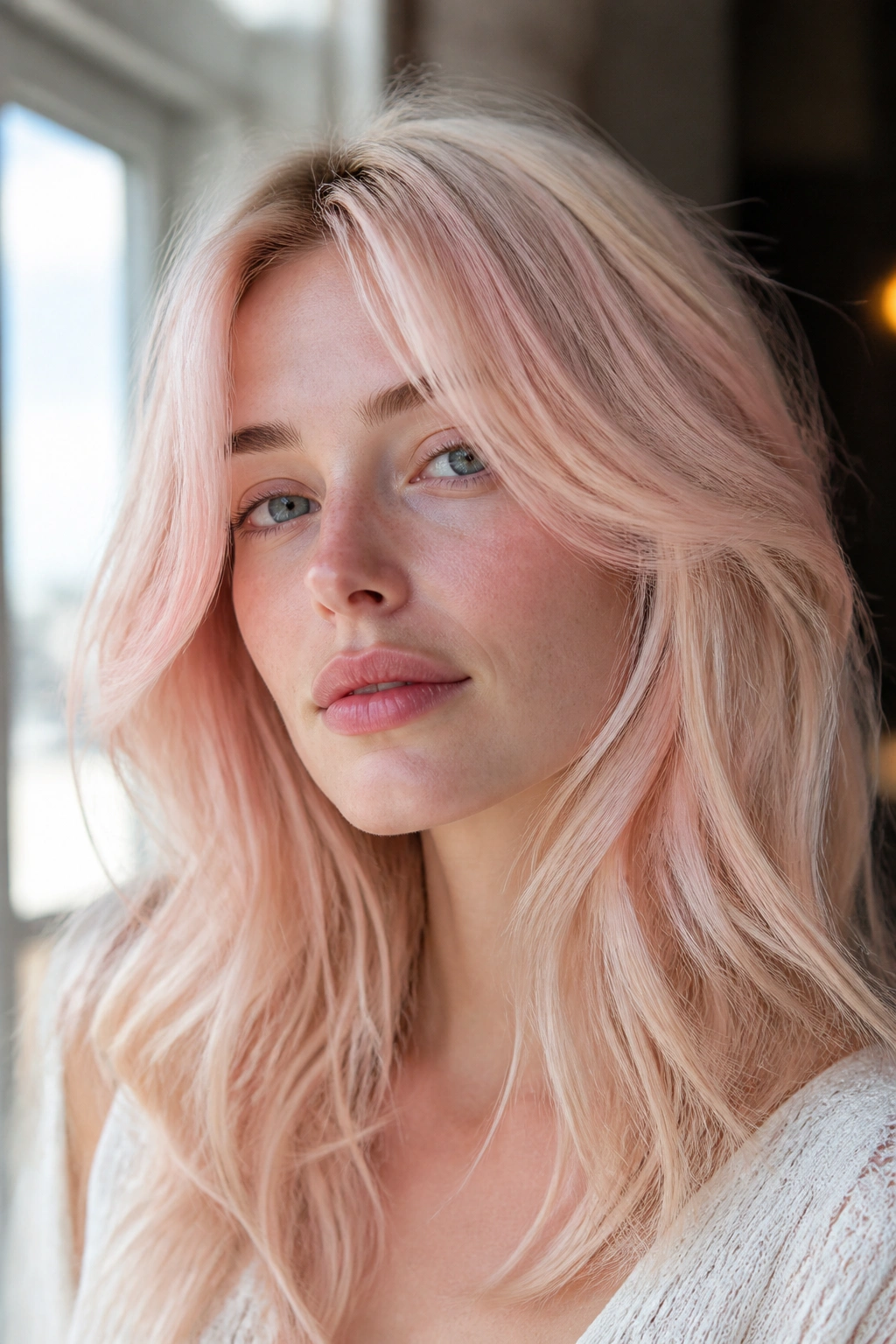
Petal pink blonde is delicate, but it is not timid. The pink is so light it almost disappears in some light, then comes back when the hair moves. On cool skin, that softness can be a real advantage because it keeps the face from looking too warm or too washed out.
What Makes It Different
The base should be a pale, even blonde. Then the pink gets layered like a veil rather than a block. That’s the whole game. If the pink is too saturated, it stops looking like blonde-red hair and starts looking like candy. The petal version stays airy.
This shade is especially nice if you like a softer finish around the hairline. A faint pink tone near the face can make cool skin look fresher without making the overall color loud. It also fades gracefully. After a few washes, you usually land in a pale rose blonde zone, which is still flattering.
Quick Reality Check
- Needs pre-lightened hair.
- Fades fastest on porous ends.
- Works best with a gentle color-safe shampoo.
- Looks sweetest on soft curls or loose waves.
Petal pink blonde is a mood. A restrained one.
19. Plum-Stamped Strawberry Blonde
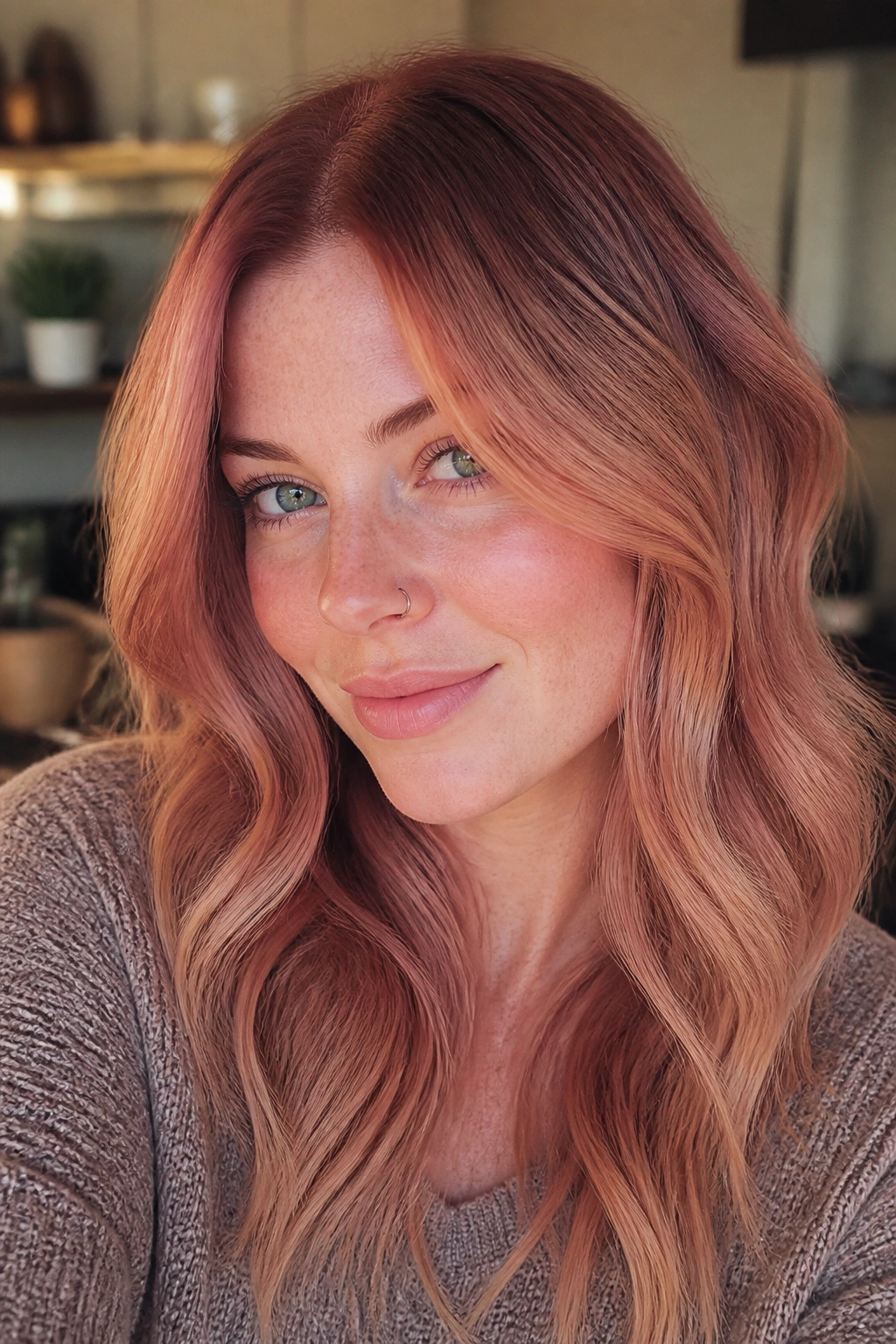
Plum-stamped strawberry blonde gives cool skin the red it wants without leaning brassy. The plum note adds depth, and that depth is what keeps the strawberry side from sliding into orange or gold.
This is a good shade if you want your hair to look richer rather than lighter. The plum is usually not obvious in the finished result. It sits under the strawberry tone and changes the temperature of the color. That’s why the shade can look so flattering on cool complexions with stronger features or darker brows. The color has more shadow, so it does not wash them out.
A good version often uses a soft strawberry glaze over blonde, then tucks plum into the root area or lowlights. That gives the hair a little dimension and prevents the whole thing from reading like one flat tone. It’s also a nice bridge color if you’re moving from brunette into red-blonde territory and do not want to jump straight to copper.
If you want something a little moodier, this one has range.
20. Frozen Rose Blonde
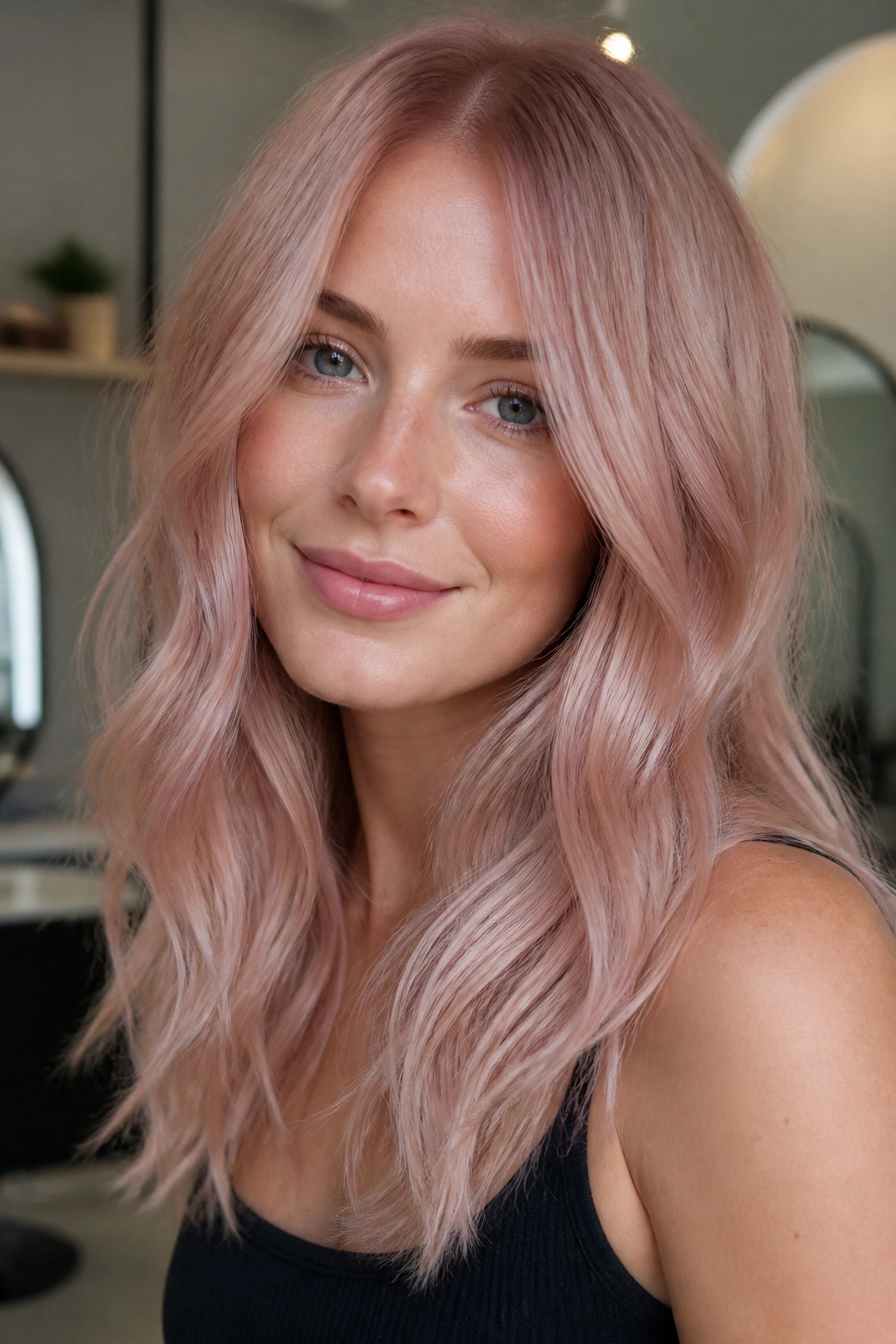
Frozen rose blonde is the cleanest finishing shade in this whole mix. It keeps the blonde bright, lets the red stay cool, and gives cool skin the kind of contrast that looks crisp without feeling harsh.
The shade sits near the pale end of the spectrum, with a rose tint that never quite turns warm. That is the important part. If it starts tipping peach or gold, the whole mood changes. But when it stays frozen and rosy, the hair almost glows against cool-toned skin. It’s polished, but not stiff.
Who It Suits Best
This shade is especially good if you like light hair and want the red element to stay subtle. It can work on very fair skin, and it can also look strong on deeper cool skin when the rose note is kept sheer. The key is the finish: glossy, clean, and even from root to tip.
A frozen rose blonde usually needs a careful lift, a cool toner, and regular glossing to stay fresh. It is not the lowest-maintenance color on the list. But when the tone is right, it looks balanced in a way that’s hard to fake. No brass. No orange edge. Just a cool blush sitting on a blonde base, which is often the sweet spot people are chasing in the first place.
